Author: admin

  • Major Mukund Varadarajan Biography – The Story of an Ashoka Chakra Hero

    Major Mukund Varadarajan Biography – The Story of an Ashoka Chakra Hero

    Major Mukund Varadarajan remains one of the most respected names associated with courage, leadership and sacrifice in the modern history of the Indian Army. An officer of the Rajput Regiment who was serving with the 44th Battalion of the Rashtriya Rifles, he lost his life during a counter-terrorism operation in Jammu and Kashmir in April 2014. His conduct during that operation later earned him the Ashoka Chakra, India’s highest peacetime gallantry award.

    Born in 1983 and raised largely in Tamil Nadu, Mukund’s journey was not simply the story of a soldier on the battlefield. He was also a son, brother, husband and father whose personal life existed alongside the demanding responsibilities of military service. His education, Army training, operational experience and years of service gradually shaped him into the officer remembered today.

    His story received renewed national attention after the release of the Tamil film Amaran in 2024, in which Sivakarthikeyan portrayed Major Mukund and Sai Pallavi played his wife, Indhu Rebecca Varghese. The film introduced his life to millions of viewers, but the real story behind the cinematic portrayal is even more important: that of an Indian Army officer whose final mission demonstrated exceptional leadership under fire.

    bisque-tapir-826558.hostingersite.com/ explores Major Mukund Varadarajan biography his early life, family, education, Army career, marriage, Kashmir posting, final operation, Ashoka Chakra, legacy and the relationship between his real life and Amaran.

    Who Was Major Mukund Varadarajan?

    Major Mukund Varadarajan was an Indian Army officer belonging to the Rajput Regiment and serving with 44 Rashtriya Rifles in Jammu and Kashmir. He became nationally known for his actions during a counter-terrorism operation in the Shopian region on 25 April 2014.

    During the operation, Major Mukund led troops against armed militants despite intense resistance. The official gallantry record credits his leadership, courage, planning and swift action with contributing to the elimination of three high-ranking Hizbul Mujahideen militants.

    He was killed during the operation. The Government of India subsequently announced the Ashoka Chakra for him posthumously in August 2014. The decoration was formally presented to his wife, Indhu Rebecca Varghese, during the Republic Day ceremony in January 2015.

    Major Mukund Varadarajan Biography

    DetailsInformation
    Full NameMajor Mukund Varadarajan
    Popularly Known AsMajor Mukund
    Date of Birth12 April 1983
    Date of Death25 April 2014
    Age at Death31 Years
    NationalityIndian
    ProfessionIndian Army Officer
    ServiceIndian Army
    RankMajor
    Parent RegimentThe Rajput Regiment
    Battalion22 Rajput
    Rashtriya Rifles Unit44 Rashtriya Rifles
    Service NumberIC-72861M
    Commissioned18 March 2006
    WifeIndhu Rebecca Varghese
    DaughterArsheya Mukund
    FatherR. Varadarajan
    MotherGeetha Varadarajan
    SistersSwetha and Nithya
    Major Operational AreaJammu and Kashmir
    Final OperationCounter-terrorism operation in Shopian
    Date of Martyrdom25 April 2014
    Highest HonourAshoka Chakra (Posthumous)
    Biographical FilmAmaran (2024)
    Actor Who Portrayed HimSivakarthikeyan

    Major Mukund Varadarajan Age and Birth Details

    Major Mukund Varadarajan was born on 12 April 1983. He died on 25 April 2014, only thirteen days after his 31st birthday. Therefore, he was 31 years old at the time of his death.

    Major Mukund Varadarajan Birthplace and Hometown

    Major Mukund’s identity was closely connected with Tambaram, Chennai, Tamil Nadu. He spent important years of his childhood and education there, and his family lived in the Selaiyur-Tambaram area.

    After his death in Kashmir, his mortal remains were brought to Chennai. The large public response during his final journey demonstrated how deeply the local community identified him as one of its own.

    Major Mukund Varadarajan Early Life & Childhood

    Mukund grew up in a family environment where discipline, education and public service were valued. He was the son of R. Varadarajan and Geetha Varadarajan and had two sisters, Swetha and Nithya.

    Military service was not completely unfamiliar to his family. Published accounts state that his grandfather and two uncles had served in the armed forces. Growing up around stories of military life helped make the Army a meaningful career option for him.

    His childhood and youth were nevertheless similar in many ways to those of other students growing up in Chennai. Before the uniform, operational deployments and gallantry award came years of school, college, friendships and decisions about his future.

    Major Mukund Varadarajan Family Background

    Mukund belonged to a close-knit family that remained an important part of his life even after the demands of Army service took him away from Chennai.

    Family MemberDetails
    FatherR. Varadarajan
    MotherGeetha Varadarajan
    SistersSwetha and Nithya
    WifeIndhu Rebecca Varghese
    DaughterArsheya Mukund
    Family Connection with ArmyGrandfather and two uncles reportedly served in the armed forces

    His father worked as a bank employee before retirement. Following Mukund’s death, his parents repeatedly spoke publicly about both the grief of losing their son and their pride in his military service.

    Major Mukund Varadarajan College Life & Education

    Mukund completed his schooling in the Tambaram area before pursuing higher education. He studied commerce at Sri Chandrasekharendra Saraswathi Viswa Mahavidyalaya and was also associated with Madras Christian College, where he studied journalism and mass communication.

    His educational background is interesting because it was not limited to subjects traditionally associated with a military career. Commerce and journalism gave him experience in very different academic environments before he ultimately committed himself to Army life.

    College was also important to his personal story because his relationship with Indhu Rebecca Varghese became one of the defining relationships of his life.

    Major Mukund’s Life Before Joining the Indian Army

    Before entering military training, Mukund was a young graduate trying to define his professional direction. His eventual decision to pursue the armed forces represented a major shift from an ordinary civilian academic path to one requiring rigorous physical training, military discipline and willingness to serve in difficult operational environments.

    Rather than treating the Army simply as employment, accounts from people who knew him indicate that military service became central to his sense of purpose.

    That decision eventually took him from Chennai to the Officers Training Academy and later to military assignments far removed from home.

    Why Did Mukund Varadarajan Join the Indian Army?

    Major Mukund’s family history is frequently mentioned as an important influence behind his decision. With his grandfather and two uncles reportedly having served in the military, the armed forces already carried personal meaning within his family.

    However, becoming an Army officer required more than family influence. Mukund chose a profession involving demanding training, separation from family and exposure to operational danger.

    His later career suggests that he adapted strongly to that environment and developed into an officer trusted with leadership responsibilities in counter-insurgency operations.

    Major Mukund Varadarajan Indian Army Journey

    Mukund’s Army journey began with officer training at the Officers Training Academy in Chennai. After completing his training, he received his commission in the Indian Army.

    He joined the Rajput Regiment, one of the historic infantry regiments of the Army, and served with 22 Rajput. His career later included professional military assignments, a United Nations deployment in Lebanon and operational service with Rashtriya Rifles in Jammu and Kashmir.

    The progression from a newly commissioned lieutenant to a Major serving in a counter-terrorism environment reflects the responsibilities he accumulated over approximately eight years of commissioned service.

    Officers Training Academy (OTA) Training

    The Officers Training Academy in Chennai was a particularly important stage in Mukund’s transformation from civilian graduate to Army officer.

    OTA training prepares officer cadets for leadership through demanding physical conditioning, drill, tactical instruction, weapons training, field exercises and military discipline. Candidates are expected not merely to achieve physical standards but also to develop the judgement and responsibility required to command soldiers.

    Mukund successfully completed this environment and moved on to commissioned service.

    Years later, his association with OTA would become part of his legacy, with the institution remembering him as one of its distinguished fallen alumni.

    Major Mukund Varadarajan Commissioning

    Major Mukund Varadarajan was commissioned into the Indian Army on 18 March 2006.

    His commissioning marked the beginning of approximately eight years of active military service. He joined the Rajput Regiment and gradually progressed through increasingly responsible appointments.

    His service eventually placed him in one of the most demanding security environments in India—counter-terrorism operations in Jammu and Kashmir.

    Major Mukund Varadarajan Regiment – 22 Rajput Regiment

    Mukund’s parent unit was 22 Rajput, part of the Rajput Regiment of the Indian Army.

    The distinction between his regiment and his later Rashtriya Rifles service is important. Mukund remained an officer of the Rajput Regiment while being deputed to 44 Rashtriya Rifles, where he was serving at the time of his final operation.

    Official Government records describing his Ashoka Chakra identify him as belonging to the Rajput Regiment/44th Battalion Rashtriya Rifles.

    Major Mukund Varadarajan Rank and Promotions

    Mukund began commissioned service as a Lieutenant and later rose through the officer ranks to Captain and Major.

    Available service records indicate that he was commissioned on 18 March 2006, subsequently served as a Captain and was promoted to Major in 2012.

    By the time he was deputed to 44 Rashtriya Rifles, he had acquired the rank and experience necessary to lead troops during sensitive operations.

    Major Mukund Varadarajan Army Career Timeline

    YearMajor Event
    2004Entered the Officers Training Academy period according to published accounts
    2006Commissioned into the Indian Army
    2006Joined the Rajput Regiment/22 Rajput
    Later ServiceServed at the Infantry School, Mhow
    Later ServiceParticipated in a UN mission in Lebanon
    2012Promoted to Major
    December 2012Deputed to 44 Rashtriya Rifles
    2013Involved in counter-terrorism operations in Kashmir
    25 April 2014Led his final operation in Shopian
    2014Ashoka Chakra announced posthumously
    26 January 2015Ashoka Chakra formally presented to his wife

    Major Mukund Varadarajan Posting and Service

    Mukund’s military career exposed him to several different environments. Published biographies mention service at the Infantry School in Mhow, Madhya Pradesh, participation in a United Nations mission in Lebanon and, eventually, deployment with Rashtriya Rifles in Jammu and Kashmir.

    Each represented a different dimension of military service. Training establishments focus on professional military development, international missions demand cooperation in multinational environments, while Kashmir required operational readiness against armed militant groups.

    Major Mukund’s United Nations Mission in Lebanon

    Mukund was also part of a United Nations mission in Lebanon, an experience that added an international dimension to his military career.

    Indian Army personnel have long contributed to UN peacekeeping operations around the world. Such assignments require soldiers and officers to work within multinational frameworks while operating in complex security environments.

    For Mukund, the Lebanon deployment formed part of the professional experience he accumulated before his later counter-terrorism duties in Kashmir.

    Major Mukund Varadarajan and 44 Rashtriya Rifles

    A crucial chapter of Mukund’s career began when he was deputed to 44 Rashtriya Rifles.

    The Rashtriya Rifles is a counter-insurgency force operating primarily in Jammu and Kashmir. Its personnel are drawn from different arms and regiments of the Indian Army and serve in demanding operational conditions.

    Mukund reportedly joined 44 RR in late 2012. His time with the battalion placed him directly in an environment where intelligence gathering, area domination and counter-terrorism operations were regular responsibilities.

    Major Mukund Varadarajan Kashmir Posting

    Shopian in South Kashmir was an operationally sensitive area during Mukund’s posting. Security forces faced militant activity while also attempting to protect civilians and maintain security around political and public processes.

    For an officer such as Mukund, the assignment required more than conventional battlefield skills. Counter-terrorism operations demand patience, accurate intelligence, quick decisions and awareness of civilian presence.

    These circumstances formed the background to both his earlier operations and the mission of April 2014.

    Major Mukund’s Role in Counter-Terrorism Operations

    Mukund was involved in operations intended to locate and neutralize armed militants operating in his area of responsibility.

    As an officer, his responsibilities included leading soldiers, interpreting operational intelligence, planning approaches to suspected hideouts and making immediate tactical decisions once contact with militants occurred.

    His Ashoka Chakra citation particularly emphasizes his leadership, courage, planning and swift action, qualities that became decisive during his final mission.

    Major Mukund Varadarajan Major Operations

    Although the April 2014 Shopian encounter is the best-documented operation associated with Mukund, he had already accumulated operational experience before it.

    Accounts of his Kashmir service describe his involvement in counter-terrorism activity during 2013 and 2014. These operations helped establish his reputation within his unit as an effective officer capable of functioning in difficult circumstances.

    However, some dramatic details later repeated online originate from secondary accounts or cinematic adaptations. The most reliable description of his final actions remains the official gallantry citation and contemporary military reporting.

    Major Mukund Varadarajan and the 2013 Encounter

    One widely reported episode from Mukund’s service concerns a 2013 encounter involving a militant commander. Secondary biographies describe Mukund and Sepoy Vikram Singh as having participated in an operation against a militant leader following an attack on an Army convoy.

    The episode is also represented dramatically in Amaran. While the broad association of Mukund with earlier counter-terrorism operations is documented, readers should distinguish between official military records, later narrative accounts and scenes reconstructed for cinema.

    This distinction is important when studying the biography of a real soldier.

    Major Mukund Varadarajan Wife (Indhu Rebecca Varghese)
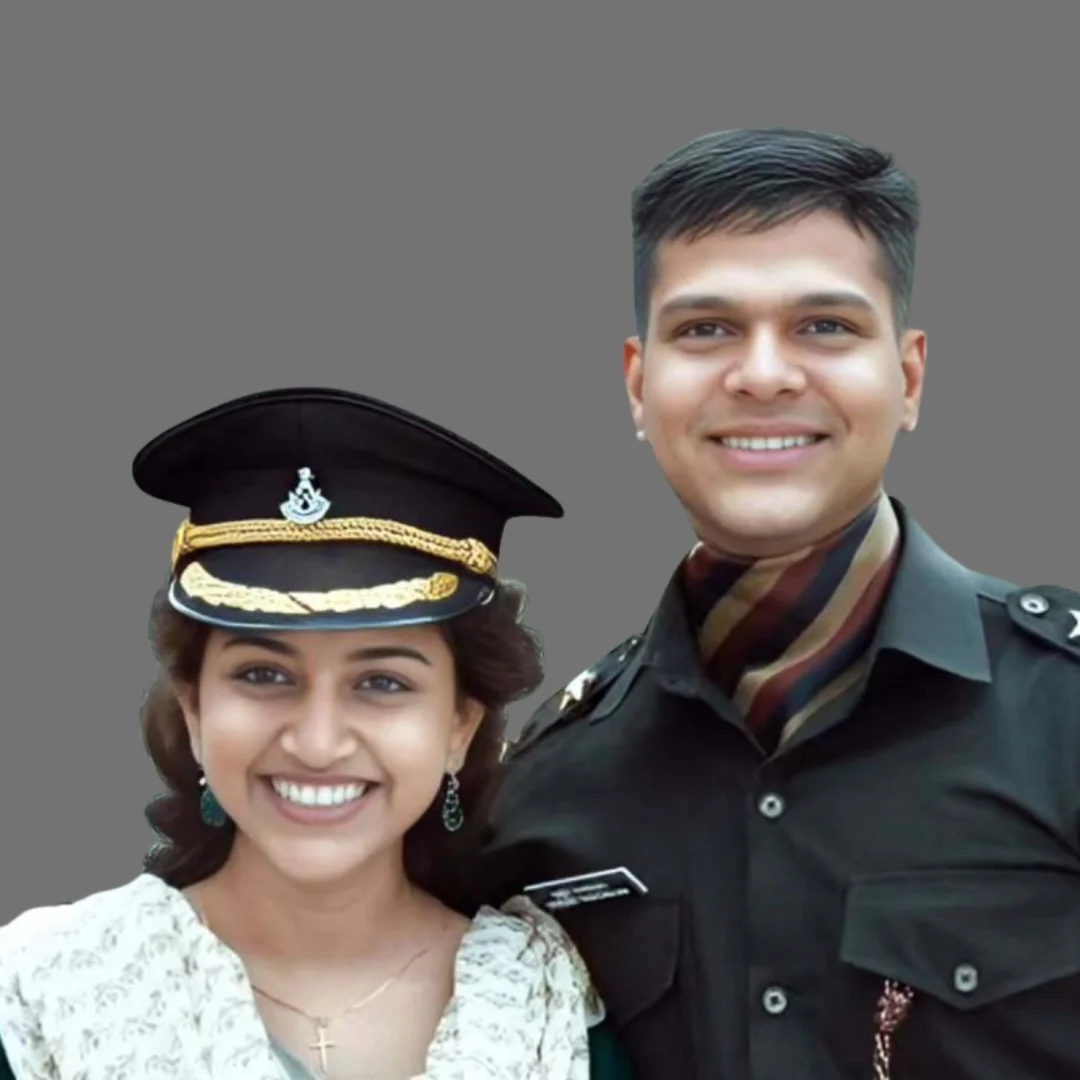
    Major Mukund Varadarajan Wife (Indhu Rebecca Varghese)
    Major Mukund Varadarajan Wife (Indhu Rebecca Varghese)

    Major Mukund Varadarajan was married to Indhu Rebecca Varghese, who became one of the most publicly recognized members of his family after his death.

    Their relationship began years before his final Kashmir posting. Indhu experienced the realities of being married to an Army officer: transfers, periods of separation and the uncertainty associated with operational assignments.

    Following Mukund’s death, she received his Ashoka Chakra from the President of India at the Republic Day ceremony on his behalf.

    Major Mukund Varadarajan and Indhu Rebecca Love Story

    Mukund and Indhu knew each other before marriage and their relationship developed during their younger years. Their different family backgrounds and Mukund’s demanding military career added practical challenges, but the relationship ultimately led to marriage.

    Much of the emotional dimension of their relationship later became central to Amaran. Director Rajkumar Periasamy worked closely with Indhu while developing the film, which helps explain why the movie presents significant portions of Mukund’s story through her perspective.

    Their real relationship should nevertheless be distinguished from individual conversations, scenes and dramatic moments created or reconstructed for cinema.

    Major Mukund Varadarajan Marriage

    Mukund and Indhu married on 28 August 2009, according to biographical records.

    Marriage coincided with a period when Mukund’s Army career was developing rapidly. Like many military families, they had to balance family responsibilities with postings and prolonged separation.

    Indhu’s later public recollections have helped audiences understand Mukund not simply as an officer but as a husband and father away from the battlefield.

    Major Mukund Varadarajan Daughter

    Mukund and Indhu had one daughter, generally reported as Arsheya Mukund, born in 2011.

    She was only a small child when her father died in 2014. One of the most emotional moments reported during Mukund’s final journey involved his young daughter saying goodbye before his funeral procession.

    Her presence is an important reminder that the consequences of military sacrifice extend beyond the individual soldier to spouses, children, parents and other family members.

    Major Mukund Varadarajan Personality and Character

    Major Mukund’s official gallantry record gives the clearest description of his professional character: exemplary leadership, courage, planning and swift action.

    People who knew him have additionally remembered his warmth, humour and confidence. His ability to maintain personal relationships while operating within the highly disciplined environment of the Army adds depth to his biography.

    His reputation ultimately rests not on an image of fearlessness without emotion, but on disciplined action despite extreme danger.

    Major Mukund Varadarajan Final Operation

    The defining operation of Mukund’s military career occurred in Shopian district, Jammu and Kashmir, on 25 April 2014.

    Security forces had received information regarding the presence of armed militants in the area. A search operation was initiated, and the militants opened fire when confronted.

    Mukund was leading troops during the operation. The engagement developed into an intense gun battle in which both Major Mukund and Sepoy Vikram Singh were fatally wounded.

    The operation resulted in the elimination of three militants.

    What Happened on 25 April 2014?

    On 25 April 2014, security forces launched an operation after receiving intelligence regarding militants in the Shopian area.

    Contemporary reports indicate that three militants were hiding in a house. They were asked to surrender but instead opened fire, leading to a prolonged encounter.

    Major Mukund led the Army team confronting them. Despite heavy resistance, the troops continued the operation. Mukund sustained fatal injuries during the fighting, while Sepoy Vikram Singh also lost his life.

    The operation continued until all three militants had been neutralized.

    Shopian Encounter – Complete Story

    The encounter occurred during a tense period in the region, shortly after an attack connected with election activity. Security forces were searching for militants believed to be operating in the area.

    Once their location was identified, troops surrounded the suspected hideout to prevent escape. The militants responded with gunfire rather than surrender.

    Major Mukund took an active role in leading the assault. The official Ashoka Chakra announcement later stated that his actions displayed exceptional leadership, courage, planning and speed and culminated in the elimination of three high-ranking Hizbul Mujahideen militants.

    The operation cost both Mukund and Sepoy Vikram Singh their lives, turning what began as a counter-terrorism mission into one of the most remembered episodes associated with 44 Rashtriya Rifles.

    Qazipathri Operation

    The official Government citation identifies village Qazipathri in Jammu and Kashmir as the location of the anti-terrorist search operation led by Mukund.

    Contemporary news reports also used names such as Karewa Malino or Karewa-Manlo while describing the encounter area, which explains why different location names appear in later articles.

    For biographical purposes, Qazipathri is particularly important because that is the location specified in the official gallantry account.

    Major Mukund Varadarajan and Sepoy Vikram Singh

    Sepoy Vikram Singh served alongside Major Mukund in 44 Rashtriya Rifles and was also killed during the Shopian operation.

    Their names became closely linked because both soldiers fought in the same encounter and made the ultimate sacrifice.

    Vikram Singh was subsequently awarded the Shaurya Chakra posthumously, while Mukund received the Ashoka Chakra. Remembering the operation accurately therefore means recognizing the courage and sacrifice of both men rather than viewing it solely through the story of one officer.

    How Major Mukund Varadarajan Fought During His Final Operation

    Major Mukund’s official citation provides the strongest basis for understanding his actions. It states that he was leading an anti-terrorist search operation when his team came under heavy fire.

    Instead of allowing the intensity of the firing to halt the mission, he continued leading his men and taking decisive action against the militants.

    His courage was not simply an individual act of aggression. As an officer, he was responsible for tactical leadership and the soldiers operating with him. That combination of personal bravery and command responsibility is central to why his actions received India’s highest peacetime gallantry recognition.

    Major Mukund Varadarajan Death

    Major Mukund Varadarajan died in action on 25 April 2014 during the Shopian counter-terrorism operation.

    He had completed just over eight years as a commissioned officer.

    His death immediately drew tributes from the Army, government representatives and people in Tamil Nadu. The scale of public response increased further when the details of his final operation and subsequent gallantry recognition became known.

    How Did Major Mukund Varadarajan Die?

    Major Mukund died from injuries sustained while fighting armed militants during the Shopian encounter.

    Some later narratives provide highly specific descriptions of the exact sequence in which he was hit. Such accounts vary, so they should not automatically be treated as equivalent to the official citation.

    What is firmly documented is that Mukund was leading the operation, engaged militants under heavy fire, contributed to the successful elimination of the terrorist group and sustained fatal injuries during the mission.

    Major Mukund Varadarajan Age at the Time of Death

    Major Mukund was 31 years old when he died. Born on 12 April 1983 and killed on 25 April 2014, he had celebrated his 31st birthday only days earlier. His young age, marriage and three-year-old daughter made the personal dimension of his sacrifice especially poignant for the public.

    Major Mukund Varadarajan Last Rites and Funeral

    After the operation, the Army held a wreath-laying ceremony in Srinagar for Major Mukund and Sepoy Vikram Singh. Mukund’s mortal remains were then brought to Chennai. His funeral took place with full military honours at Besant Nagar on 28 April 2014.

    Family members, Army personnel, friends, former college associates and members of the public joined his final journey. Contemporary reports described large numbers of people carrying the Indian flag and paying tribute as the cortege moved from his family home toward the crematorium.

    Major Mukund Varadarajan Ashoka Chakra

    Major Mukund Varadarajan was awarded the Ashoka Chakra posthumously.

    The award was announced as part of the Independence Day gallantry awards in August 2014. It was subsequently presented during the Republic Day ceremony on 26 January 2015.

    His wife, Indhu Rebecca Varghese, received the decoration on his behalf from then-President Pranab Mukherjee. The Ashoka Chakra represents the highest level of peacetime gallantry recognition in India.

    Why Was Major Mukund Varadarajan Awarded the Ashoka Chakra?

    The Government of India recognized Mukund for the exceptional courage and leadership he displayed while commanding the anti-terrorist operation at Qazipathri. The official announcement highlighted four particularly important qualities: leadership, courage, planning and swift action.

    His team was under heavy fire, yet the operation continued and three high-ranking militants were eliminated. Mukund lost his life during the engagement. The award therefore recognized both the bravery of his personal actions and his leadership of the operation under extreme danger.

    Major Mukund Varadarajan Ashoka Chakra Citation and Bravery

    According to the Ministry of Defence’s official gallantry announcement, Major Mukund was leading an anti-terrorist search operation at Qazipathri when his troops encountered heavy fire from Hizbul Mujahideen militants.

    Despite the dangerous circumstances, his leadership and tactical response contributed to the elimination of all three militants.

    Rather than viewing the Ashoka Chakra as simply a medal awarded after death, it should be understood as formal national recognition of his conduct during a specific operation where he placed mission and responsibility above personal safety.

    Major Mukund Varadarajan Awards and Honours

    Award/HonourDetails
    Ashoka ChakraAwarded posthumously
    Award AnnouncedIndependence Day 2014
    Formally PresentedRepublic Day, 26 January 2015
    Presented ToIndhu Rebecca Varghese on his behalf
    ReasonExceptional bravery and leadership in counter-terrorism operation

    Major Mukund Varadarajan Memorials and Tributes

    After his death, tributes to Mukund came from the Indian Army, government officials, educational institutions, local communities and ordinary citizens. His association with Chennai and Madras Christian College also resulted in emotional remembrance among former classmates and alumni.

    Over time, books, military commemorations, interviews and finally cinema expanded awareness of his life beyond those who had followed the original 2014 reports.

    Major Mukund Varadarajan Statue at OTA Chennai

    Major Mukund’s connection with the Officers Training Academy has remained an important element of his military legacy.

    A bust/statue commemorating him at OTA Chennai represents the connection between his own officer training and future generations of cadets.

    For young officers undergoing training, memorials to fallen alumni carry a particularly strong message: military leadership is ultimately measured not only through rank but through responsibility, courage and conduct under pressure.

    How the Indian Army Remembers Major Mukund

    The Indian Army remembers Mukund as an officer who demonstrated exemplary courage while leading from the front.

    His name is preserved through his Ashoka Chakra citation, regimental memory, military commemorations and the wider institutional tradition of honouring personnel killed in action. The official account of his final operation ensures that his story remains part of the documented gallantry history of the Indian Armed Forces.

    Major Mukund Varadarajan Legacy

    Mukund’s legacy exists on several levels.

    For the Indian Army, he represents leadership and courage during a dangerous counter-terrorism mission. For his family, he remains a son, husband and father whose absence cannot be reduced to a public story of heroism.

    For younger generations, his life demonstrates the demanding reality behind military service—the long periods of training, separation from loved ones and responsibility for others that precede the moments of bravery visible to the public.

    His story has survived because it combines professional duty with an intensely human personal journey.

    Major Mukund Varadarajan and Amaran Movie

    The 2024 Tamil film Amaran, directed by Rajkumar Periasamy, brought Major Mukund’s story to a much larger audience.

    The film was inspired by his life and drew material from India’s Most Fearless: True Stories of Modern Military Heroes by Shiv Aroor and Rahul Singh, along with extensive interaction with Mukund’s family and people connected with his Army career.

    Sivakarthikeyan played Major Mukund, while Sai Pallavi portrayed Indhu Rebecca Varghese. The film combines documented events with cinematic storytelling, making it important for viewers to distinguish the historical record from dramatized scenes.

    Is Amaran Based on Major Mukund Varadarajan’s True Story?

    Yes. Amaran is based on the life of Major Mukund Varadarajan. Its central characters, his marriage to Indhu, his Army career, Kashmir service and final operation are rooted in real events.

    However, Amaran is a feature film rather than a documentary. Conversations, timelines, emotional scenes and individual operational details may therefore be condensed, reconstructed or dramatized for storytelling.

    The real Major Mukund should consequently be studied through official records and reliable biographical material in addition to the film.

    Sivakarthikeyan as Major Mukund Varadarajan

    Tamil actor Sivakarthikeyan portrayed Major Mukund in Amaran.

    The role required him to represent different stages of Mukund’s life—from a young man and romantic partner to a trained Army officer involved in counter-terrorism operations.

    Director Rajkumar Periasamy has said that Indhu wanted an actor with strong Tamil roots to portray Mukund. Sivakarthikeyan was eventually chosen, and the performance became one of the most widely discussed aspects of the film.

    Sai Pallavi as Indhu Rebecca Varghese

    Sai Pallavi portrayed Indhu Rebecca Varghese.

    Her character is particularly important because Amaran places considerable emphasis on Indhu’s perspective. Instead of presenting only military operations, the film explores the emotional impact of an Army career on marriage and family life.

    This approach helped audiences understand that a soldier’s service affects an entire family, particularly during long operational separations and after the loss of a loved one.

    Amaran Movie vs Major Mukund Varadarajan’s Real Life

    AspectReal LifeAmaran
    Major MukundReal Indian Army officerPlayed by Sivakarthikeyan
    Indhu RebeccaMukund’s real wifePlayed by Sai Pallavi
    44 Rashtriya RiflesReal unitImportant part of film
    Kashmir OperationsBased on actual serviceRecreated cinematically
    Final EncounterReal operation in April 2014Dramatized for screen
    Ashoka ChakraReal posthumous honourIncorporated into his story
    Personal ConversationsNot completely publicly documentedReconstructed/dramatized
    Overall StoryReal biographyBiographical drama based on his life

    Amaran captures the broad arc of Mukund’s life but should not be treated as a scene-by-scene historical record. Cinema often combines events or creates dialogue to communicate emotions that cannot otherwise be documented.

    Interesting Facts About Major Mukund Varadarajan

    • Led from the Front: During the Shopian encounter, Major Mukund personally led his team against heavily armed militants, demonstrating exceptional leadership and courage until his final breath.
    • Ashoka Chakra Recipient: Major Mukund Varadarajan was posthumously awarded the Ashoka Chakra, India’s highest peacetime gallantry award, for his extraordinary bravery.
    • Served with 44 Rashtriya Rifles: Although he belonged to the 22 Rajput Regiment, he was serving with 44 Rashtriya Rifles during his final counter-terrorism mission.
    • United Nations Peacekeeper: Before his Kashmir deployment, he represented India in a United Nations peacekeeping mission in Lebanon.
    • Martyr at 31: Major Mukund made the ultimate sacrifice on 25 April 2014, just 13 days after celebrating his 31st birthday.
    • Inspired the Film Amaran: His remarkable life and military service inspired the 2024 Tamil biographical film Amaran, starring Sivakarthikeyan.
    • OTA Chennai Alumnus: He completed his officer training at the Officers Training Academy (OTA), Chennai, one of India’s premier military training institutions.

    Major Mukund Varadarajan Life Timeline

    Date/YearEvent
    12 April 1983Born
    Early YearsGrew up largely in the Tambaram-Chennai area
    College YearsStudied commerce and journalism
    2004Associated with beginning of OTA training period
    18 March 2006Commissioned into Indian Army
    2006 onwardServed with Rajput Regiment
    Later YearsServed at Infantry School and on UN mission in Lebanon
    28 August 2009Married Indhu Rebecca Varghese
    2011Daughter Arsheya born
    2012Promoted to Major
    December 2012Deputed to 44 Rashtriya Rifles
    2013–2014Counter-terrorism service in Kashmir
    25 April 2014Killed in action during Shopian operation
    28 April 2014Cremated with full military honours in Chennai
    15 August 2014Ashoka Chakra announced
    26 January 2015Ashoka Chakra presented posthumously
    31 October 2024Amaran released theatrically

    Lessons and Inspiration from Major Mukund Varadarajan’s Life

    Major Mukund’s story offers a powerful lesson about leadership through responsibility. During his final operation, he was not simply fighting as an individual soldier; he was commanding men in an extremely dangerous situation. Leadership required him to make decisions while accepting personal risk.

    His life also highlights the importance of preparation. The courage displayed during an encounter is supported by years of education, military training, professional experience and discipline.

    Another important lesson concerns family sacrifice. Military service is performed by the individual in uniform, but postings, uncertainty and loss affect spouses, children and parents as well. Indhu and their daughter therefore remain an inseparable part of Mukund’s larger story.

    Most importantly, Mukund’s legacy demonstrates why bravery should not be understood as the absence of danger or emotion. Courage becomes meaningful when a person understands the risks yet continues to fulfil a responsibility toward others.

    Conclusion

    Major Mukund Varadarajan’s biography is the story of a young man from an ordinary family background who chose an extraordinary profession and ultimately became one of India’s most remembered modern gallantry awardees.

    From his student years and training at OTA Chennai to his service with the Rajput Regiment, United Nations assignment, marriage to Indhu Rebecca Varghese and operational posting with 44 Rashtriya Rifles, each stage contributed to the officer he became.

    On 25 April 2014, his career reached its final and most difficult test during a counter-terrorism operation in Shopian, Jammu and Kashmir. Major Mukund and Sepoy Vikram Singh lost their lives, while the operation resulted in the elimination of three militants. Mukund’s courage and leadership earned him the Ashoka Chakra posthumously.

    Years later, Amaran transformed his story into a widely watched cinematic narrative, but his real legacy goes beyond a film. It survives in the official record of his gallantry, in the Indian Army institutions that remember him, in his family and in the generations who continue to learn about the responsibilities carried by those who serve in uniform.

    Major Mukund Varadarajan was 31 when his life ended, but his actions ensured that his name became part of India’s enduring military history.

    FAQs

    Who was Major Mukund Varadarajan?

    Major Mukund Varadarajan was an Indian Army officer of the Rajput Regiment who was serving with 44 Rashtriya Rifles in Jammu and Kashmir. He was killed during a counter-terrorism operation on 25 April 2014 and was awarded the Ashoka Chakra posthumously.

    When was Major Mukund Varadarajan born?

    Major Mukund Varadarajan was born on 12 April 1983.

    How old was Major Mukund when he died?

    He was 31 years old at the time of his death on 25 April 2014.

    Who were Major Mukund Varadarajan’s parents?

    His parents are R. Varadarajan and Geetha Varadarajan.

    Who was Major Mukund Varadarajan’s wife?

    Major Mukund was married to Indhu Rebecca Varghese.

    Did Major Mukund Varadarajan have children?

    Yes. Major Mukund and Indhu had one daughter, Arsheya Mukund.

    Which regiment did Major Mukund belong to?

    His parent regiment was the Rajput Regiment, and he served with 22 Rajput.

    Which Rashtriya Rifles unit did Major Mukund serve with?

    He served with the 44th Battalion of the Rashtriya Rifles (44 RR).

    When did Major Mukund join the Indian Army?

    He was commissioned into the Indian Army on 18 March 2006.

    Where did Major Mukund receive Army training?

    He trained at the Officers Training Academy (OTA), Chennai.

    Did Major Mukund serve outside India?

    Yes. Published military biographies record that he participated in a United Nations mission in Lebanon.

    When did Major Mukund Varadarajan die?

    He died in action on 25 April 2014.

    Where did Major Mukund Varadarajan die?

    He was killed during a counter-terrorism operation in the Shopian district of Jammu and Kashmir.

    Who was Sepoy Vikram Singh?

    Sepoy Vikram Singh was a soldier of 44 Rashtriya Rifles who fought alongside Major Mukund during the Shopian operation and also lost his life. He was awarded the Shaurya Chakra posthumously.

    Which award did Major Mukund Varadarajan receive?

    He was posthumously awarded the Ashoka Chakra, India’s highest peacetime gallantry award.

    Why did Major Mukund receive the Ashoka Chakra?

    He received it for exceptional courage, leadership, planning and swift action while leading a counter-terrorism operation in which three militants were eliminated.

    Who received Major Mukund’s Ashoka Chakra?

    His wife, Indhu Rebecca Varghese, received the award on his behalf from President Pranab Mukherjee.

    Is Amaran based on Major Mukund’s real life?

    Yes. The 2024 Tamil film Amaran is a biographical drama based on Major Mukund Varadarajan’s life and military service.

    Who played Major Mukund in Amaran?

    Sivakarthikeyan portrayed Major Mukund Varadarajan.

    Who played Major Mukund’s wife in Amaran?

    Sai Pallavi portrayed Indhu Rebecca Varghese.

    Is everything shown in Amaran completely true?

    The film is based on real people and major events from Mukund’s life, but it is a cinematic biographical drama rather than a documentary. Some conversations, scenes and sequences were reconstructed or dramatized for storytelling.

    What is Major Mukund Varadarajan remembered for?

    He is remembered for his courage, leadership, dedication to the Indian Army and sacrifice during the 2014 Shopian counter-terrorism operation. His posthumous Ashoka Chakra remains the highest official recognition of his gallantry.

    Also, Read About: Major Gaurav Chaudhary Wife || Major Gaurav Chaudhary || Major Shaitan Singh || Major Rishabh Singh Sambyal Wife || Major Rishabh Singh Sambyal || Major Sandeep Unnikrishnan Wife
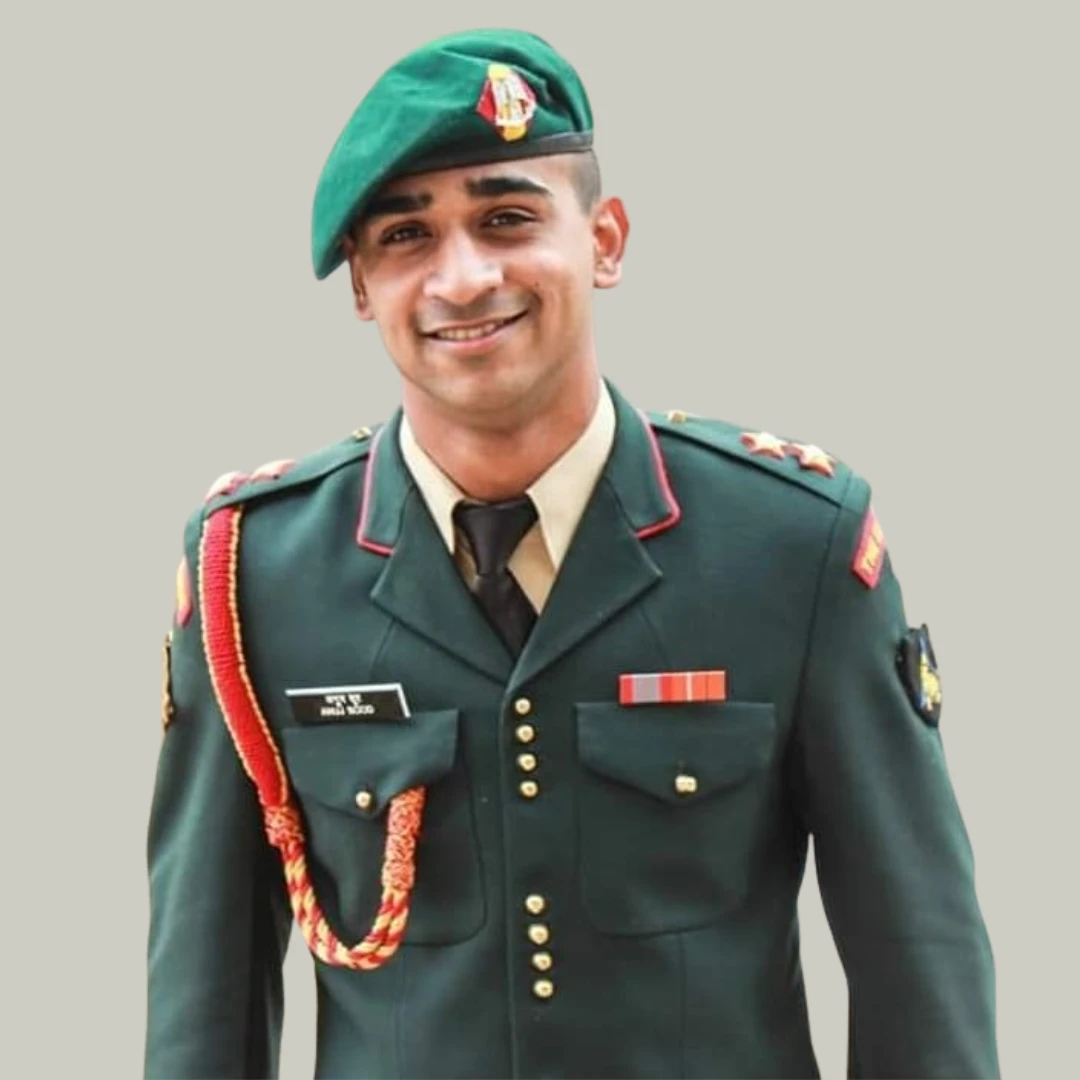
  • Major Anuj Sood Biography: Age, Family, Wife, Army Career, Handwara Operation and Shaurya Chakra

    Major Anuj Sood Biography: Age, Family, Wife, Army Career, Handwara Operation and Shaurya Chakra

    Major Anuj Sood was a courageous Indian Army officer whose life reflected discipline, leadership, professional excellence and an unwavering commitment to duty. Serving with the 21 Rashtriya Rifles in Jammu and Kashmir, he was involved in demanding counter-insurgency operations and became known for leading from the front. His military journey, however, had begun years earlier with a childhood ambition to wear the Army uniform.

    Born into a family with a strong military background, Anuj Sood grew up with a close understanding of Army life. From his school years at Punjab Public School, Nabha, to training at the National Defence Academy and Indian Military Academy, he steadily worked toward becoming an officer. He was commissioned into the Brigade of the Guards and went on to serve in several important appointments.

    On 2 May 2020, Major Anuj Sood made the supreme sacrifice during an operation in the Chanjimulla area of Handwara, Jammu and Kashmir. During the operation, he and his team entered a house to rescue civilians trapped in a dangerous situation involving terrorists. His extraordinary courage and self-sacrifice were later recognised with the Shaurya Chakra (Posthumous).

    The story of Major Anuj Sood is therefore much more than the account of one military operation. It is the story of a young man who chose a demanding profession, developed into a capable Army leader and remained committed to protecting others even when his own life was at extreme risk.

    Who Was Major Anuj Sood?

    Major Anuj Sood, SC, was an officer of the Indian Army who served with the Brigade of the Guards and was later deputed to 21 Rashtriya Rifles (21 RR) for counter-insurgency duties in Jammu and Kashmir. At the time of the Handwara operation in May 2020, he was serving as one of the Company Commanders of 21 RR.

    He was commissioned into the Army on 9 June 2012 after completing his training at the Indian Military Academy, Dehradun. His parent battalion was 19 Guards, and during his military career he handled responsibilities including those of Platoon Commander, Adjutant and Aide-de-Camp.

    Major Sood was only 30 when he lost his life in the Handwara operation. His decision to enter a target house with his Commanding Officer and other personnel to rescue civilians became one of the defining acts of his service. For his conspicuous gallantry, extraordinary valour and self-sacrifice, he was awarded the Shaurya Chakra posthumously.

    Major Anuj Sood Biography / Wiki

    Biography DetailInformation
    Full NameMajor Anuj Sood
    Known AsMajor Anuj Sood, SC
    Service NumberIC-76429H
    Date of Birth17 December 1989
    Age at Martyrdom30 years
    Place of BirthBengaluru, Karnataka
    Family RootsKangra district, Himachal Pradesh
    NationalityIndian
    ProfessionIndian Army Officer
    ServiceIndian Army
    Last RankMajor
    Parent Unit19 Guards
    RegimentThe Brigade of the Guards
    Rashtriya Rifles Unit21 Rashtriya Rifles
    SchoolPunjab Public School, Nabha
    NDA Selection2008
    NDA Course120th Course
    Military AcademyIndian Military Academy, Dehradun
    Commissioned9 June 2012
    FatherBrigadier Chandrakant Sood (Retd.)
    MotherRagini Sood
    WifeAkriti Singh Sood
    Major Operational AreaJammu and Kashmir
    OperationCounter-Insurgency and Internal Security Operations
    Date of Martyrdom2 May 2020
    Place Associated with Final OperationChanjimulla, Handwara, Jammu and Kashmir
    Gallantry AwardShaurya Chakra (Posthumous)

    Major Anuj Sood Age and Date of Birth

    Major Anuj Sood was born on 17 December 1989. According to biographical records, he was born at the Air Force Command Hospital in Bengaluru, Karnataka. He was 30 years old at the time of his supreme sacrifice on 2 May 2020.

    Despite his relatively young age, he had already accumulated considerable military experience. By 2020, his service included regimental appointments, an ADC tenure, professional military training and operational responsibilities with Rashtriya Rifles in Jammu and Kashmir.

    His progression demonstrates how much responsibility Army officers can assume comparatively early in their careers. At 30, Major Sood was already serving as a Company Commander in an operational environment where leadership required quick decisions, tactical judgement and responsibility for soldiers on the ground.

    Major Anuj Sood Birthplace and Hometown

    Major Anuj Sood was born in Bengaluru, Karnataka, while his family had roots in Kangra district of Himachal Pradesh. His family later settled around the Chandigarh region.

    Because he came from an Army family, his upbringing was influenced by military life rather than being confined to a single geographical location. Such an environment exposed him to the discipline, traditions and responsibilities associated with the armed forces from an early age.

    His Himachal roots remained an important part of his family identity, while his education and military career connected him with several parts of India, including Punjab, Maharashtra, Uttarakhand and Jammu and Kashmir.

    Major Anuj Sood Family Background

    Major Anuj Sood belonged to a family with a strong connection to India’s armed forces. His father had served as a senior Army officer, while his mother provided a strong support system throughout his upbringing and career.

    Available biographical records identify his immediate family as follows:

    Family MemberDetails
    FatherBrigadier Chandrakant Sood (Retired)
    Father’s ServiceIndian Army, Corps of EME
    MotherRagini Sood
    WifeAkriti Singh Sood
    SisterShruti
    Brother-in-LawArjun
    NieceMeera
    Family RootsKangra district, Himachal Pradesh

    Military Background of His Family

    Military service was already part of Major Anuj Sood’s family history before he earned his commission. His father, Brigadier Chandrakant Sood, served in the Corps of Electronics and Mechanical Engineers and retired as a Brigadier.

    Contemporary reporting following the Handwara encounter also described Anuj as coming from a multi-generation military family. His father later recalled that Anuj had a clear calling toward the Army even though other professional opportunities were available to him.

    This background meant that Anuj understood both the prestige and the difficulties associated with an Army career. He had seen that military life involved frequent movement, separation from family, demanding training and operational risks. Yet these realities did not discourage him from choosing the profession.

    Major Anuj Sood Education

    Education played an important role in preparing Anuj Sood for his military career. During his senior school years, he studied at the prestigious Punjab Public School (PPS), Nabha, an institution with a long tradition of students aspiring to enter the armed forces.

    After school, he joined the National Defence Academy (NDA) in 2008. He subsequently trained at the Indian Military Academy (IMA), Dehradun, before receiving his commission in the Indian Army.

    His professional education continued even after commissioning. During his Army career, he attended the Junior Command Course at Army War College, Mhow, where accounts of his service record indicate that he performed strongly.

    Education / TrainingDetails
    Senior SchoolPunjab Public School, Nabha
    NDA Selection2008
    National Defence Academy120th Course
    NDA GraduationJune 2011
    Pre-Commission TrainingIndian Military Academy, Dehradun
    Commission Date9 June 2012
    Professional Military CourseJunior Command Course
    InstitutionArmy War College, Mhow

    School Life at Punjab Public School, Nabha

    Major Anuj Sood’s years at Punjab Public School, Nabha, offer an interesting insight into his personality before he became an Army officer.

    He joined PPS Nabha during his senior-school years. The school has historically had a strong connection with military education and has produced students who later entered the National Defence Academy and armed forces.

    Teachers remembered Anuj as well-behaved, soft-spoken, friendly and disciplined. His school memories also show that he enjoyed films, friendships and normal student life while remaining serious about his long-term ambition.

    One particularly revealing record came from a classmate’s diary in which students had written about their ambitions before leaving school. Anuj’s entries clearly indicated that he dreamed of becoming an Army officer and was eagerly awaiting his NDA joining letter. His school life therefore represents an important stage in his biography because his future profession was already becoming a concrete goal rather than an uncertain career choice.

    Dream of Joining the Indian Army

    For Anuj Sood, joining the Indian Army was a deeply held ambition. Coming from a military family certainly exposed him to Army life, but available accounts suggest that the decision ultimately came from his own determination. His father later described him as a talented all-rounder who could potentially have pursued a successful civilian career, yet Anuj remained committed to the armed forces.

    By Class 12, he had already cleared the examination required for entry into the National Defence Academy. His school writings provide unusually direct evidence of how strongly he wanted the Army career. That clarity of purpose helped shape the next phase of his life. Instead of viewing the NDA simply as an educational institution, he saw it as the gateway to the profession he had chosen for himself.

    NDA Journey and Selection in 2008

    In 2008, Anuj Sood was selected to join the National Defence Academy, one of India’s premier tri-service military training institutions.

    The NDA environment is designed to develop future officers through academics, physical conditioning, military training, discipline and leadership development. For Anuj, entering the academy marked the transformation of a schoolboy’s ambition into professional military preparation.

    He became part of the 120th NDA Course and graduated in June 2011. Years later, following his martyrdom, the National Defence Academy honoured him at its Hut of Remembrance, where the names and memories of fallen alumni are preserved.

    His journey through NDA was therefore significant not merely because he graduated from the academy, but because he eventually came to embody its ideal of “Service Before Self.”

    Training at Indian Military Academy (IMA), Dehradun

    After completing his NDA training, Anuj Sood moved to the Indian Military Academy in Dehradun for the final stage of his preparation to become a commissioned Army officer.

    Training at IMA focuses on transforming officer cadets into leaders capable of commanding soldiers under demanding conditions. Tactical training, physical endurance, weapon handling, field exercises, discipline and leadership form central parts of this process.

    Anuj successfully completed this demanding phase and was commissioned into the Indian Army on 9 June 2012.

    He was inducted into 19 Guards, part of the prestigious Brigade of the Guards. This marked the formal beginning of the military career that would eventually take him from regimental responsibilities to counter-insurgency operations in Jammu and Kashmir.

    Major Anuj Sood’s Indian Army Career

    Major Anuj Sood’s Army career was marked by a steady progression through command, staff and operational responsibilities. After being commissioned in 2012, he developed his fieldcraft and regimental experience with the Brigade of the Guards.

    During his early service, he held appointments including Platoon Commander and Adjutant. These roles helped him gain experience both in leading soldiers directly and in handling important administrative and organisational responsibilities within a military unit.

    His professional ability later resulted in his appointment as Aide-de-Camp to the General Officer Commanding of 14 RAPID Division, a responsibility he reportedly held for around 13 months.

    He also completed the Junior Command Course at Army War College, Mhow. In March 2018, his career entered an especially important operational phase when he was deputed to 21 Rashtriya Rifles in Jammu and Kashmir.

    Commission into the Indian Army in 2012

    On 9 June 2012, Anuj Sood was commissioned from the Indian Military Academy into the Indian Army. Receiving a commission represented the fulfilment of an ambition he had openly expressed during his school days. He was no longer preparing to become an Army officer; he now carried direct responsibility for leading soldiers.

    He joined 19 Guards of the Brigade of the Guards. The experience he gained in the following years provided the foundation for the greater responsibilities he would later assume as a Major and Company Commander.

    19 Guards and Brigade of the Guards

    Major Anuj Sood was commissioned into 19 Guards, belonging to the Brigade of the Guards. The Brigade of the Guards is one of the distinguished infantry regiments of the Indian Army. For a newly commissioned officer, joining a battalion involves learning regimental traditions, understanding the strengths of soldiers under command and developing practical leadership skills beyond academy training.

    Major Sood proved himself through regimental duties and gradually took on increasingly responsible appointments. His association with 19 Guards remained part of his military identity even when he was subsequently deputed to Rashtriya Rifles for counter-insurgency operations.

    Service as Platoon Commander and Adjutant

    Among the important appointments Major Anuj Sood held during his early Army career were those of Platoon Commander and Adjutant. As a Platoon Commander, a young officer is directly responsible for leading soldiers, maintaining training standards, understanding their capabilities and preparing them for operational tasks. It is one of the earliest opportunities for an officer to translate academy lessons into practical leadership.

    His appointment as Adjutant brought a different set of responsibilities. An Adjutant plays an important role in the administration, discipline and coordination of a military unit. Experience in both appointments helped Major Sood develop a balanced understanding of field leadership and organisational responsibility, qualities that became increasingly important as his career progressed.

    Appointment as Aide-de-Camp (ADC)

    As Major Anuj Sood progressed in his military career, he was selected for the important appointment of Aide-de-Camp (ADC) to the General Officer Commanding of the 14 RAPID Division. According to available accounts of his service, he performed this responsibility for approximately 13 months.

    An ADC works closely with a senior military commander and handles responsibilities that require discipline, coordination, professionalism and attention to detail. Being selected for such an appointment at a relatively early stage of an officer’s career also provides valuable exposure to higher military formations and command structures.

    For Anuj Sood, the ADC tenure added another dimension to his experience. He had already worked closely with soldiers at the unit level, while this appointment gave him an opportunity to observe military leadership and decision-making from the perspective of a senior formation headquarters.

    The experience contributed to his development as a well-rounded officer before he moved into more demanding professional training and operational assignments.

    Junior Command Course at Army War College, Mhow

    Professional military education continued to be an important part of Major Anuj Sood’s career. He attended the Junior Command Course at the Army War College, Mhow, an important professional course for Army officers preparing for higher command and operational responsibilities.

    The Junior Command Course focuses on areas such as tactical planning, leadership, operational decision-making and command responsibilities. Major Sood reportedly performed exceptionally well during the course and received an Instructor Grading, reflecting his professional competence.

    The course became particularly relevant to the next phase of his career. Soon afterward, he was sent to Jammu and Kashmir, where leadership was not limited to exercises or classroom scenarios. Decisions had to be made in an active counter-insurgency environment where soldiers and civilians could be exposed to immediate danger.

    Posting to 21 Rashtriya Rifles

    In March 2018, Major Anuj Sood was deputed to 21 Rashtriya Rifles (21 RR) in Jammu and Kashmir.

    Rashtriya Rifles is a specialised counter-insurgency force of the Indian Army with extensive operational responsibilities in Jammu and Kashmir. Officers and soldiers serving with RR units operate in environments that demand high levels of vigilance, tactical awareness and coordination with security forces and local communities.

    For Major Sood, the posting represented a major operational phase in his Army career. He brought with him the experience acquired through 19 Guards, his appointments as Platoon Commander and Adjutant, his ADC tenure and professional training at Army War College.

    By 2020, he was serving as a Company Commander in 21 Rashtriya Rifles. This placed him in a significant leadership position and required him to command troops involved in demanding counter-insurgency operations.

    Role as Company Commander

    Major Anuj Sood served as one of the Company Commanders of 21 Rashtriya Rifles. A Company Commander carries responsibility not only for accomplishing operational objectives but also for the soldiers serving under his command.

    In counter-insurgency environments, this role can become particularly complex. Operations may take place in populated villages and residential areas, meaning commanders must consider civilian safety while responding to an armed threat.

    Major Sood’s role required tactical awareness, leadership and the ability to make decisions under pressure. The qualities developed throughout his earlier Army appointments became especially valuable during this period.

    The Handwara operation of May 2020 ultimately demonstrated the risks associated with this responsibility. Rather than directing the operation only from a safer position, Major Sood was part of the team that physically entered the target area when civilians were believed to be in danger.

    Counter-Insurgency Operations in Jammu & Kashmir

    Major Anuj Sood’s tenure with 21 Rashtriya Rifles placed him in the challenging operational environment of Jammu and Kashmir.

    Counter-insurgency operations differ considerably from conventional battlefield warfare. Security personnel may have to operate in villages and residential areas where militants and civilians can be located close to one another. This makes intelligence, restraint, identification of threats and protection of civilians particularly important.

    Major Sood’s responsibilities included leading soldiers in such an environment. His approximately two years with 21 RR before the Handwara encounter gave him significant operational exposure.

    The final operation of his life reflected one of the greatest difficulties of counter-insurgency warfare: confronting an armed threat while attempting to protect civilians trapped in the same area.

    Major Anuj Sood Service Details

    The following table summarises key publicly documented details of Major Anuj Sood’s Indian Army service.

    Service DetailInformation
    NameMajor Anuj Sood
    Service NumberIC-76429H
    Armed ForceIndian Army
    RegimentThe Brigade of the Guards
    Parent Battalion19 Guards
    Commission Date9 June 2012
    Early AppointmentPlatoon Commander
    Regimental AppointmentAdjutant
    Special AppointmentAide-de-Camp to GOC, 14 RAPID
    Professional CourseJunior Command Course
    Training InstitutionArmy War College, Mhow
    Course AchievementInstructor Grading
    Rashtriya Rifles Unit21 Rashtriya Rifles
    Joined 21 RRMarch 2018
    Operational RoleCompany Commander
    Operational AreaJammu and Kashmir
    Nature of OperationsCounter-Insurgency Operations
    Final OperationChanjimulla/Handwara Operation
    Date of Martyrdom2 May 2020
    Gallantry AwardShaurya Chakra (Posthumous)

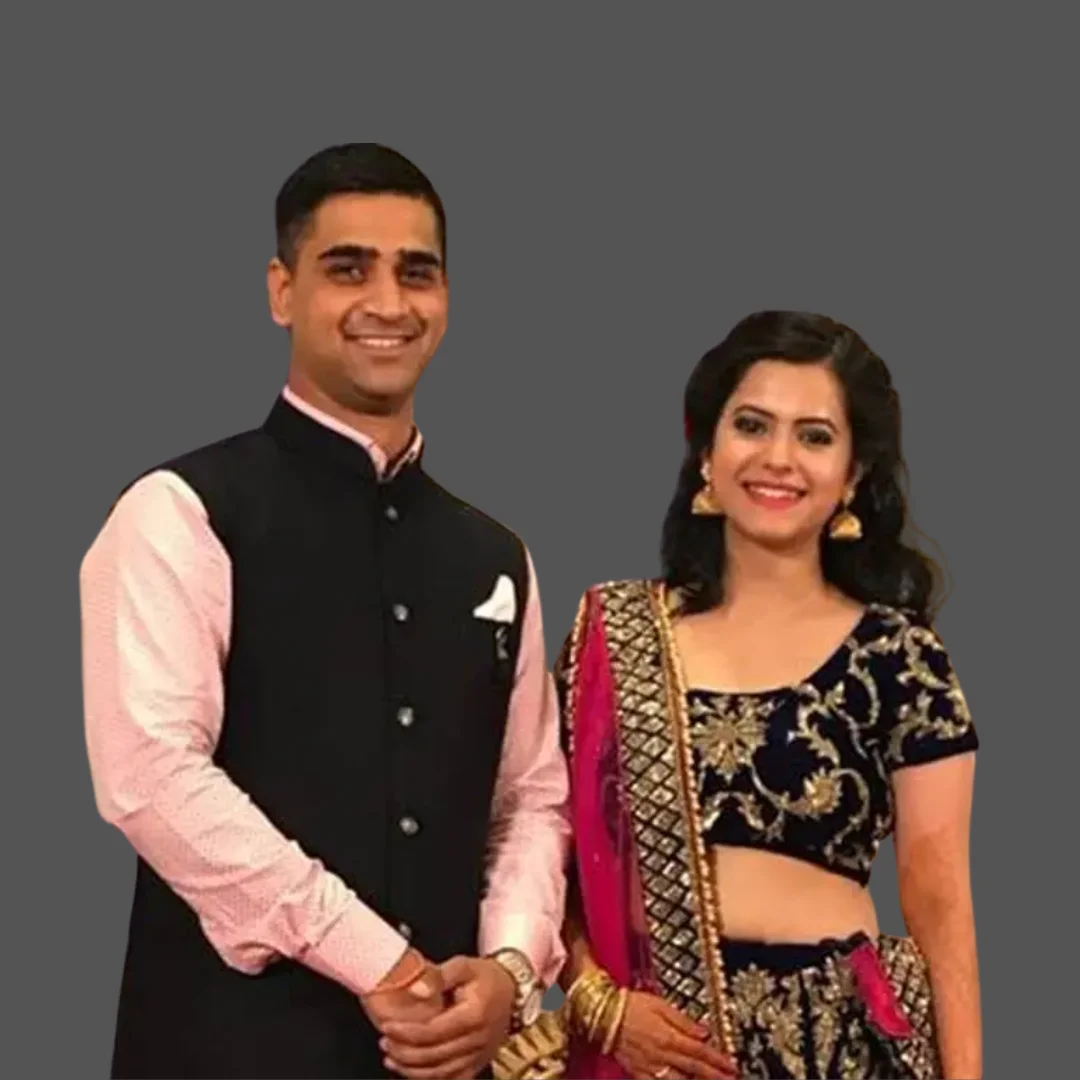
    Major Anuj Sood Wife – Akriti Singh Sood

    Major Anuj Sood Wife – Akriti Singh Sood
    Major Anuj Sood Wife – Akriti Singh Sood

    Major Anuj Sood was married to Akriti Singh Sood. Available biographical accounts describe Akriti as a software engineer. Their marriage reflected a reality familiar to many military families: professional duties can require long periods of separation, especially when an officer is serving in an operational area.

    Major Sood’s deployment with 21 Rashtriya Rifles in Jammu and Kashmir meant that military responsibility occupied an important part of his married life. Public accounts following his death highlighted the immense loss experienced by his wife and family.

    Major Anuj Sood Personality and Leadership Qualities

    Major Anuj Sood was remembered for a combination of discipline, intelligence, humility and leadership. Accounts from his school years describe him as soft-spoken and well-mannered. His later military career demonstrated another side of that personality: the ability to take responsibility and operate in high-pressure environments.

    His selection for important appointments, strong performance during professional military training and eventual role as a Company Commander indicate the confidence placed in his professional capabilities.

    One of the clearest examples of his leadership emerged during his final operation. When civilians were trapped in a dangerous situation, Major Sood accompanied the team that moved into the target house. His Shaurya Chakra recognition specifically highlighted his courage and concern for civilian lives.

    Rather than viewing leadership simply as authority over others, his career demonstrates a form of leadership based on responsibility. His final actions became a powerful example of an officer placing mission, civilians and fellow personnel ahead of his own safety.

    Handwara Operation 2020

    The Handwara operation of May 2020 became the final chapter of Major Anuj Sood’s military career and one of the most widely remembered episodes associated with his name. The operation took place in Chanjimulla village in the Handwara area of Kupwara district, Jammu and Kashmir. Security forces had received information about the presence of terrorists in a residential area.

    The situation was particularly dangerous because civilians were present near the suspected location. This meant that security personnel had to deal with an armed threat while simultaneously attempting to protect people caught in the area. Major Sood was involved in the operation alongside his Commanding Officer, Colonel Ashutosh Sharma, and other security personnel.

    As the situation developed, a joint team entered the area. What followed became an intense encounter in which five members of the security forces, including Major Sood, eventually made the supreme sacrifice.

    What Happened During the Handwara Encounter?

    The Handwara encounter developed after security forces received intelligence regarding terrorists hiding in the Chanjimulla area. Troops of 21 Rashtriya Rifles and personnel from Jammu and Kashmir Police launched an operation to locate the suspected terrorists. The residential nature of the area made the situation complicated because civilians could not simply be treated as being outside the combat zone.

    As the operation progressed, information indicated that civilians were trapped in a house where terrorists had taken shelter. A team led by senior officers moved toward the location with the objective of rescuing them.

    According to the official gallantry citation associated with Major Anuj Sood, he volunteered to accompany his Commanding Officer in entering the target house to evacuate civilian hostages.

    The team succeeded in evacuating three civilians from the house. However, the danger had not ended. During efforts involving the remaining civilians, the terrorists opened heavy fire and threw grenades at the security personnel. The encounter became extremely intense and communication with the team was subsequently lost.

    Chanjimulla Village Operation

    The operation took place at Chanjimulla, a village in the Handwara region of north Kashmir. The built-up environment presented a serious tactical challenge. Unlike an open battlefield, houses, narrow approaches and the presence of residents restricted how security forces could respond.

    Major Sood and Colonel Ashutosh Sharma were among the personnel who moved inside the target house. Their objective was not simply to neutralise the terrorists; the immediate priority also involved bringing trapped civilians to safety.

    This distinction is important when understanding Major Sood’s gallantry award. His Shaurya Chakra citation emphasised his voluntary decision to enter the house and his efforts to rescue hostages despite the direct danger. The team successfully brought three civilians out. The situation then deteriorated rapidly when terrorists engaged the security personnel with heavy firing and grenades.

    Major Anuj Sood’s Role in Rescuing Civilians

    Major Anuj Sood’s actions during the rescue attempt form the central reason his bravery is remembered. When it became necessary to enter the target house, he volunteered to accompany his Commanding Officer. Entering a structure occupied by armed terrorists carried an extraordinary level of risk, particularly when civilians were also inside.

    Major Sood and the team entered with the objective of evacuating the hostages. Their actions resulted in three civilians being successfully rescued. The operation, however, was not complete. As efforts continued to rescue the remaining hostages, the terrorists launched heavy fire and used grenades.

    Major Sood was hit by multiple gunshots during the exchange. Despite being under direct attack, the team had already demonstrated that civilian protection remained central to their mission. This willingness to expose himself to extreme danger while attempting to save civilians was specifically recognised when Major Anuj Sood was awarded the Shaurya Chakra posthumously.

    Final Moments During the Operation

    The final phase of the Handwara operation was marked by intense firing and an extremely dangerous close-quarter situation.

    After Major Sood, Colonel Ashutosh Sharma and other members of the team entered the target house, three civilians were successfully evacuated. The team then continued its effort to deal with the threat and protect the remaining civilians. During this stage, the terrorists opened heavy fire and threw grenades. Major Sood suffered multiple gunshot wounds.

    Communication with the team was eventually lost, creating uncertainty about their condition as the encounter continued. By the conclusion of the operation, five members of the security forces had made the supreme sacrifice. Among them were Major Anuj Sood and Colonel Ashutosh Sharma of 21 Rashtriya Rifles. Major Sood was 30 years old.

    His final actions transformed an already distinguished military career into a lasting example of courage under fire. The official recognition that followed focused particularly on his voluntary decision to enter the target house, his contribution to rescuing civilians and his determination in the face of extraordinary danger.

    Major Anuj Sood Martyrdom

    Major Anuj Sood made the supreme sacrifice during the Handwara counter-insurgency operation in Jammu and Kashmir in May 2020. His death came while he was serving with 21 Rashtriya Rifles and participating in an operation where the safety of civilians had become a major concern.

    Major Sood was part of the team that entered the target area after receiving information about civilians trapped in a house where terrorists were present. The team managed to evacuate civilians, but during the operation the security personnel came under intense fire.

    Major Sood suffered multiple gunshot wounds during the encounter. Along with four other members of the joint security team, he lost his life in the line of duty.

    His sacrifice was particularly significant because the operation was not simply an attempt to engage terrorists. Major Sood and his fellow personnel knowingly entered an extremely dangerous situation to protect civilian lives. His courage during these final moments was subsequently recognised by the Government of India through the award of the Shaurya Chakra posthumously.

    Major Anuj Sood Death Date and Age

    Major Anuj Sood was martyred during the Handwara operation on 2 May 2020, with the deaths of the personnel officially confirmed as the encounter concluded in the early hours of 3 May. He was 30 years old at the time of his death, having been born on 17 December 1989.

    DetailInformation
    Date of Birth17 December 1989
    Date of Martyrdom2 May 2020
    Age at Martyrdom30 years
    OperationHandwara Counter-Insurgency Operation
    LocationChanjimulla, Handwara, Kupwara, Jammu and Kashmir
    Unit21 Rashtriya Rifles
    RankMajor
    Recognition for Final ActionShaurya Chakra (Posthumous)

    Other Brave Personnel Martyred in the Handwara Operation

    Major Anuj Sood was not alone during his final operation. Five members of the joint Army and Jammu and Kashmir Police team made the supreme sacrifice during the encounter. The team included senior Army officers, soldiers and a police officer who had entered the dangerous area as part of the effort to protect civilians and engage the terrorists.

    PersonnelRank / Organisation
    Ashutosh SharmaColonel, Indian Army
    Anuj SoodMajor, Indian Army
    Rajesh KumarNaik, Indian Army
    Dinesh SinghLance Naik, Indian Army
    Sageer Ahmad PathanSub-Inspector, Jammu and Kashmir Police

    Colonel Ashutosh Sharma was the Commanding Officer of 21 Rashtriya Rifles. Major Anuj Sood was serving as a Company Commander in the same battalion.

    Naik Rajesh Kumar and Lance Naik Dinesh Singh were also part of the Army team, while Sub-Inspector Sageer Ahmad Pathan of the Jammu and Kashmir Police participated in the joint operation.

    The sacrifice of all five personnel is an inseparable part of the history of the Handwara encounter. Their mission demonstrated the extraordinary risks security personnel can face while conducting counter-insurgency operations in populated areas.

    Funeral and Final Tribute

    Following the Handwara encounter, the Indian Army paid tribute to Major Anuj Sood and the other fallen soldiers in Srinagar before their mortal remains were sent to their respective families.

    Major Sood’s mortal remains were subsequently brought to the Chandigarh-Panchkula area. They were kept overnight at Command Hospital, Chandimandir, before being taken to his family home at Amrawati Enclave.

    On 5 May 2020, Major Anuj Sood was cremated at the Manimajra cremation ground in Chandigarh with full military honours.

    His family, Army personnel and others gathered to bid farewell to the young officer. The Army presented a guard of honour, and soldiers fired three volleys as part of the military tribute.

    His wife Akriti Singh Sood, father Brigadier Chandrakant Sood, mother Ragini Sood and other family members faced an unimaginable personal loss, while the wider country remembered an officer who had died while carrying out an operational mission.

    The final farewell reflected both grief and military pride. Major Sood had dreamed of becoming an Army officer while still at school. His last journey was made with the honours accorded to a soldier who had given his life in service.

    Shaurya Chakra Award

    Major Anuj Sood was awarded the Shaurya Chakra posthumously for his extraordinary courage during the Handwara operation.

    The Shaurya Chakra is one of India’s important peacetime gallantry awards. It recognises acts of exceptional bravery that occur away from conventional warfare, including counter-insurgency and other operations involving serious danger. Major Sood’s recognition was based specifically on his actions during the operation at Chanjimulla.

    The award ensured that the circumstances of his final mission were formally recorded as an act of gallantry. It recognised not simply that he died during an encounter, but that he voluntarily exposed himself to exceptional danger while participating in the effort to rescue civilians.

    Why Major Anuj Sood Was Awarded the Shaurya Chakra

    Major Anuj Sood received the Shaurya Chakra because of the exceptional courage, initiative and disregard for personal safety he demonstrated during the Handwara operation. When information indicated that civilians were trapped inside the target house, Major Sood volunteered to accompany his Commanding Officer into the structure. Entering a building occupied by armed terrorists presented an immediate threat to life. Nevertheless, protecting the civilians became a priority.

    Major Sood and the team successfully helped evacuate three civilians. The danger intensified when the terrorists opened heavy fire and used grenades against the security personnel. Major Sood sustained multiple gunshot wounds during this confrontation. His decision to move into the target house despite knowing the risks, his contribution to rescuing civilians and his courage under direct enemy fire formed the basis for the gallantry recognition.

    The Shaurya Chakra therefore represents official recognition of the qualities that defined his final operation: courage, leadership, concern for civilian lives and self-sacrifice.

    Shaurya Chakra Citation and Act of Bravery

    The official account associated with Major Anuj Sood’s Shaurya Chakra provides a clearer understanding of why his actions were considered extraordinary. During the operation, terrorists were located inside a house with civilians. Major Sood volunteered to accompany his Commanding Officer into the target house for the evacuation of civilian hostages. The team entered despite the possibility of close-range hostile fire.

    Three civilians were successfully evacuated. However, as the team continued dealing with the dangerous situation, the terrorists subjected them to heavy firing and grenades. Major Sood was struck by multiple gunshots. His actions demonstrated an exceptional willingness to place himself in danger for others. Instead of remaining in a comparatively protected command position, he personally participated in the rescue effort.

    The gallantry recognition highlighted his courage and self-sacrifice while carrying out the mission. His Shaurya Chakra is therefore not merely an award associated with his name. It is a permanent record of the actions he took during the final hours of his military service.

    Major Anuj Sood Awards and Honours

    Major Anuj Sood’s most prominent gallantry honour was the Shaurya Chakra, awarded posthumously for his actions during the Handwara operation.

    Award / HonourDetails
    Shaurya ChakraAwarded Posthumously
    CategoryPeacetime Gallantry Award
    ReasonExceptional courage and self-sacrifice during the Handwara operation
    Associated OperationChanjimulla, Handwara, May 2020
    Military FuneralFull Military Honours
    Institutional RemembranceRemembered at NDA’s Hut of Remembrance

    The Shaurya Chakra became the most significant formal recognition of Major Sood’s courage. His memory has also been preserved through tributes by the Army, his alma mater, family members and people who continue to share his story.

    Major Anuj Sood’s Legacy

    Major Anuj Sood’s legacy extends beyond the Handwara encounter itself. His story begins with a school student who knew that he wanted to become an Army officer. He then successfully entered NDA, trained at IMA, joined the Brigade of the Guards and gradually developed into a professional military leader.

    His career demonstrated continuous growth. He served as a Platoon Commander and Adjutant, worked as an Aide-de-Camp, completed professional military training and eventually assumed operational responsibility as a Company Commander with 21 Rashtriya Rifles. But his final mission gave his life story a deeper meaning.

    Major Sood had reached a position where he was responsible for leading others. During the Handwara operation, however, leadership meant personally entering a dangerous location rather than simply directing soldiers from behind.

    His sacrifice illustrates an important principle of military leadership: responsibility often requires a commander to accept the same or even greater risks than the people being led.

    How Major Anuj Sood Is Remembered Today

    Major Anuj Sood continues to be remembered as a courageous young officer who placed duty and the lives of civilians ahead of his personal safety. His name is closely associated with the Handwara operation and with the four other security personnel who made the supreme sacrifice alongside him.

    His alma mater, the National Defence Academy, has also honoured his memory. The NDA’s Hut of Remembrance preserves the memory of former cadets who sacrificed their lives in service to the nation.

    For young defence aspirants, Major Sood’s journey offers an example of what military service involves beyond uniforms and rank. His career required years of preparation, continuous professional development, separation from family and ultimately the willingness to face extraordinary danger.

    For his family, however, his legacy remains far more personal. Behind the military rank and gallantry award was a son, husband, brother and loved one whose absence could never be replaced by public recognition. This combination of professional honour and personal sacrifice is central to understanding how Major Anuj Sood is remembered.

    Lesser-Known Facts About Major Anuj Sood

    • His Army dream began early: Major Anuj Sood had expressed his desire to become an Army officer while he was still a school student.
    • Major Anuj Sood belonged to a military family: His father, Brigadier Chandrakant Sood, served in the Indian Army’s Corps of Electronics and Mechanical Engineers.
    • Anuj Sood studied at Punjab Public School: His years at Punjab Public School, Nabha, played an important role in preparing him for his defence career.
    • Major Anuj Sood joined NDA in 2008: Anuj Sood entered the National Defence Academy after clearing its competitive selection process.
    • Major Anuj was part of the 120th NDA Course: He graduated from NDA in June 2011 before moving ahead with his pre-commission military training.
    • Sood was commissioned in 2012: After completing his training at the Indian Military Academy, he was commissioned into the Indian Army on 9 June 2012.
    • His parent unit was 19 Guards: He belonged to the Brigade of the Guards and later served on deputation with 21 Rashtriya Rifles.
    • Anuj Sood served as an ADC: Before his Rashtriya Rifles tenure, he served as Aide-de-Camp to the General Officer Commanding of 14 RAPID.
    • Major Anuj performed strongly in professional training: During the Junior Command Course at Army War College, Mhow, he earned an Instructor Grading.
    • He joined 21 RR in 2018: Major Sood was deputed to 21 Rashtriya Rifles in March 2018 and subsequently served as a Company Commander.
    • Anuj volunteered during his final mission: During the Handwara operation, he volunteered to accompany his Commanding Officer into the target house to help rescue civilians.
    • Three civilians were evacuated: The team successfully rescued three civilians before coming under intense hostile fire.
    • He was only 30: Major Sood had not yet reached his 31st birthday when he made the supreme sacrifice.
    • His bravery received national recognition: He was awarded the Shaurya Chakra posthumously for his gallantry and self-sacrifice.

    Conclusion

    Major Anuj Sood’s biography is the story of a childhood ambition that developed into a life of military service, leadership and sacrifice. Born on 17 December 1989, he grew up in an Army family and developed an early desire to follow a career in uniform.

    His journey took him from Punjab Public School, Nabha, to the National Defence Academy and Indian Military Academy. After receiving his commission in 2012, he joined 19 Guards of the Brigade of the Guards and gradually handled increasingly important responsibilities.

    His service as a Platoon Commander, Adjutant and Aide-de-Camp, followed by professional training at Army War College, prepared him for the operational challenges that awaited him with 21 Rashtriya Rifles in Jammu and Kashmir.

    The Handwara operation on 2 May 2020 became the defining moment of his military career. Major Sood voluntarily entered a dangerous target house alongside his Commanding Officer as part of an effort to rescue civilians. The team successfully evacuated civilians before coming under intense fire.

    Major Anuj Sood made the supreme sacrifice at the age of 30.

    His posthumous Shaurya Chakra formally recognised the exceptional courage and selflessness he demonstrated during his final mission. Yet his legacy cannot be understood through an award alone. It lives equally in the example he left for soldiers, defence aspirants and future generations.

    From dreaming about the Army as a school student to giving his life while protecting others as a Company Commander, Major Anuj Sood remained committed to the profession he had deliberately chosen.

    His life remains a powerful reminder that military courage is not simply about confronting danger. At its highest level, it is about accepting personal risk when the lives and safety of others depend on it.

    FAQs

    Who was Major Anuj Sood?

    Major Anuj Sood was an Indian Army officer belonging to the Brigade of the Guards who was serving with 21 Rashtriya Rifles in Jammu and Kashmir. He made the supreme sacrifice during the Handwara operation in May 2020.

    When was Major Anuj Sood born?

    Major Anuj Sood was born on 17 December 1989 in Bengaluru, Karnataka.

    What was Major Anuj Sood’s age?

    Major Anuj Sood was 30 years old when he was martyred during the Handwara operation in May 2020.

    Who was Major Anuj Sood’s father?

    His father is Brigadier Chandrakant Sood (Retired), who served in the Indian Army’s Corps of Electronics and Mechanical Engineers.

    Who was Major Anuj Sood’s wife?

    Major Anuj Sood was married to Akriti Singh Sood, who has been described in contemporary reporting as a software professional.

    Where did Major Anuj Sood study?

    He studied at Punjab Public School, Nabha, before joining the National Defence Academy. He later underwent pre-commission training at the Indian Military Academy, Dehradun.

    When did Major Anuj Sood join NDA?

    Major Anuj Sood was selected for the National Defence Academy in 2008 and became part of the 120th NDA Course.

    When was Major Anuj Sood commissioned into the Indian Army?

    He was commissioned into the Indian Army on 9 June 2012 after completing his training at the Indian Military Academy.

    Which regiment did Major Anuj Sood belong to?

    Major Anuj Sood belonged to 19 Guards of the Brigade of the Guards. He later served with 21 Rashtriya Rifles in Jammu and Kashmir.

    What was Major Anuj Sood’s role in 21 Rashtriya Rifles?

    He served as a Company Commander with 21 Rashtriya Rifles and participated in counter-insurgency operations in Jammu and Kashmir.

    Also, Read About: Major Mukund Varadarajan || Major Gaurav Chaudhary Wife || Major Gaurav Chaudhary || Major Shaitan Singh || Major Rishabh Singh Sambyal Wife || Major Rishabh Singh Sambyal

  • Major Somnath Sharma (PVC): The Fearless Hero Who Saved Srinagar in the 1947 Indo-Pak War

    Major Somnath Sharma (PVC): The Fearless Hero Who Saved Srinagar in the 1947 Indo-Pak War

    Major Somnath Sharma is remembered as one of the bravest soldiers in Indian military history. His extraordinary courage, exceptional leadership, and unwavering commitment to duty during the Battle of Badgam on 3 November 1947 played a decisive role in defending Srinagar when the future of Jammu and Kashmir was at a critical turning point. Despite suffering from a fractured left arm, he refused to remain behind and insisted on leading his men into combat.

    For his unmatched bravery and supreme sacrifice, he became the first recipient of the Param Vir Chakra, India’s highest wartime gallantry award. His story continues to inspire generations of soldiers, students, and citizens, representing the highest ideals of patriotism, courage, and selfless service.

    Major Somnath Sharma’s legacy extends beyond a single battle. His life reflects years of discipline, dedication, and professional excellence. From growing up in a distinguished military family to serving with honor during World War II and later making the ultimate sacrifice in the 1947 Indo-Pak War, every stage of his journey demonstrates remarkable character and determination.

    This detailed biography explores his early life, family background, education, military career, heroic stand at Badgam, Param Vir Chakra award, leadership qualities, and the lasting impact he has left on the Indian Army and the nation.

    Who Was Major Somnath Sharma?

    Major Somnath Sharma was a distinguished officer of the 4th Battalion, Kumaon Regiment, and the first soldier to receive the Param Vir Chakra, India’s highest military decoration for extraordinary bravery in wartime.

    He earned everlasting recognition during the 1947 Indo-Pak War, when Pakistan-backed tribal forces attempted to capture Srinagar soon after Jammu and Kashmir acceded to India. His company was assigned the vital responsibility of defending the strategic village of Badgam, where they faced an enemy force that greatly outnumbered them.

    Although his left arm was in plaster because of a recent sports injury, Major Sharma refused to be relieved from operational duty. Throughout the fierce battle, he moved among his soldiers, encouraged them to fight, distributed ammunition, and maintained communication with headquarters despite relentless enemy fire.

    His fearless leadership delayed the enemy advance long enough for Indian reinforcements to secure Srinagar Airfield, preventing the capture of the Kashmir Valley. His sacrifice became a defining moment in Indian military history and established him as one of the nation’s greatest war heroes.

    Major Somnath Sharma Biography

    ParticularDetails
    Full NameMajor Somnath Sharma
    Popular NameMajor Somnath Sharma PVC
    RankMajor
    RegimentKumaon Regiment
    Battalion4th Battalion (4 Kumaon)
    Date of Birth31 January 1923
    BirthplaceDadh Village, Kangra District (present-day Himachal Pradesh), India
    NationalityIndian
    ReligionHindu
    FatherMajor General Amar Nath Sharma
    MotherSaraswati Sharma
    EducationSherwood College, Nainital
    Military EducationPrince of Wales Royal Indian Military College, Dehradun
    Commissioned22 February 1942
    War ParticipationWorld War II, 1947 Indo-Pak War
    Famous BattleBattle of Badgam
    Date of Martyrdom3 November 1947
    Age at Death24 Years
    Gallantry AwardParam Vir Chakra (Posthumous)
    Known ForFirst Param Vir Chakra Recipient

    Major Somnath Sharma Full Name, Nickname & Rank

    Major Somnath Sharma was officially known as Major Somnath Sharma, PVC. Although he was not popularly known by a specific nickname, fellow officers admired him for his calm nature, discipline, and outstanding leadership on and off the battlefield.

    As an officer of the Kumaon Regiment, he steadily progressed through the ranks because of his professionalism, determination, and ability to lead by example. Rather than directing operations from a safe distance, he always believed in standing alongside his soldiers during difficult situations.

    Holding the rank of Major during the early years of independent India carried immense responsibility. He fulfilled this responsibility with exceptional courage and became an enduring symbol of military excellence.

    Major Somnath Sharma Date of Birth, Birthplace & Age

    Major Somnath Sharma was born on 31 January 1923 in Dadh Village, located in the Kangra district of present-day Himachal Pradesh, India.

    He grew up during a period of significant political and social change. Raised in a family deeply connected with the armed forces, he learned the importance of discipline, integrity, and service to the nation from an early age.

    At the time of his martyrdom on 3 November 1947, he was only 24 years old. Despite his young age, he displayed extraordinary maturity, courage, and leadership that earned him a permanent place among India’s greatest military heroes.

    Early Life and Childhood of Major Somnath Sharma

    Major Somnath Sharma spent his early years in a disciplined military environment where patriotism and public service were considered the highest responsibilities. Growing up in such an atmosphere shaped his personality and inspired him to pursue a career in the armed forces.

    From childhood, he showed a strong interest in sports, physical fitness, and outdoor activities. His teachers and friends regarded him as sincere, responsible, and courageous. These qualities gradually developed into the leadership skills that later defined his military career.

    His family emphasized moral values, honesty, discipline, and respect for others. These principles remained with him throughout his life and influenced every decision he made as an army officer.

    During his school years, he became known for his determination and competitive spirit. His participation in sports helped him develop physical endurance and mental resilience, qualities that proved invaluable during wartime. Even under the most challenging circumstances, he remained calm, confident, and committed to the mission, earning the trust and respect of everyone who served alongside him.

    Major Somnath Sharma Family Background (Father, Mother, Brothers, Sisters)

    Major Somnath Sharma was born into one of India’s most distinguished military families. His household was deeply rooted in the tradition of serving the nation, and this environment played a vital role in shaping his values, discipline, and commitment to duty. From an early age, he was surrounded by examples of courage, integrity, and selfless service, which inspired him to pursue a career in the armed forces.

    His father, Major General Amar Nath Sharma, was a highly respected officer in the Indian Army and later served in senior leadership positions. Under his guidance, Somnath learned the importance of honesty, discipline, and responsibility. His mother, Saraswati Sharma, was known for her strong character and unwavering support for her family, encouraging her children to uphold moral values and national pride.

    The Sharma family produced several members who went on to serve the country with distinction. His younger brother, General Vishwanath Sharma, later became the 14th Chief of the Army Staff of the Indian Army. Another brother also served in the armed forces, continuing the family’s remarkable military legacy. Their commitment to national service made the Sharma family one of the most respected military families in India.

    The influence of his parents and siblings helped Major Somnath Sharma develop into a fearless officer who always placed duty above personal safety. His family’s tradition of military excellence remains an important part of his inspiring life story.

    Family MemberDetails
    FatherMajor General Amar Nath Sharma
    MotherSaraswati Sharma
    BrotherGeneral Vishwanath Sharma (Former Chief of Army Staff)
    Other SiblingsMembers of the Sharma family also served in the armed forces
    Family BackgroundDistinguished military family with generations of service

    Major Somnath Sharma Education & Qualification

    Major Somnath Sharma received his early education in an environment that emphasized discipline, leadership, and academic excellence. His schooling helped build the strong character and confidence that later became defining qualities of his military career.

    He studied at Sherwood College, Nainital, one of India’s most prestigious residential schools. During his time there, he excelled not only in academics but also in sports and extracurricular activities. His teachers recognized him as a disciplined, responsible, and determined student who consistently demonstrated leadership qualities among his classmates.

    Life at Sherwood College encouraged physical fitness, teamwork, and moral responsibility. These experiences prepared him for the demanding challenges of military life. His interest in sports, particularly hockey and cricket, strengthened his endurance and competitive spirit, qualities that proved valuable on the battlefield.

    After completing his school education, he joined the Prince of Wales Royal Indian Military College (now Rashtriya Indian Military College), Dehradun. The institution was known for producing future military leaders through rigorous academic and military-oriented training. Here, he developed a deeper understanding of military discipline, strategy, and leadership.

    His educational journey laid the foundation for a successful military career. The combination of academic learning, physical training, and leadership development prepared him to become one of India’s most respected army officers.

    QualificationInstitution
    School EducationSherwood College, Nainital
    Military EducationPrince of Wales Royal Indian Military College, Dehradun
    Professional TrainingIndian Army Officer Training

    Military Training of Major Somnath Sharma

    Major Somnath Sharma underwent intensive military training that prepared him for the challenges of active service during one of the most turbulent periods in Indian history. His training focused on physical endurance, tactical planning, leadership, weapon handling, and battlefield decision-making.

    After completing his military education, he received officer training before being commissioned into the British Indian Army on 22 February 1942. The rigorous training program emphasized discipline, courage, teamwork, and the ability to make quick decisions under pressure.

    He quickly earned the respect of his instructors and fellow officers because of his professionalism, dedication, and calm approach to difficult situations. His willingness to learn and lead by example distinguished him from many of his contemporaries.

    Military exercises exposed him to various combat scenarios, preparing him for real battlefield conditions. These experiences proved invaluable during World War II and later during the 1947 Indo-Pak War, where his tactical awareness and leadership became crucial to the success of his missions.

    The confidence and competence he displayed throughout his military career were direct results of the rigorous training he received. His preparation enabled him to remain composed even while facing overwhelming enemy forces, ultimately making him one of the most celebrated officers in Indian military history.

    Major Somnath Sharma Indian Army Career Journey

    Major Somnath Sharma began his military career after receiving his commission on 22 February 1942 during the Second World War. He was posted to the 4th Battalion of the Kumaon Regiment, a regiment known for its discipline, courage, and distinguished service record.

    In the early years of his career, he gained valuable combat experience while serving in the Arakan Campaign in Burma. Operating in difficult jungle terrain against experienced enemy forces taught him the importance of planning, teamwork, and decisive leadership. His performance during these operations earned the confidence of his senior officers and the respect of the soldiers under his command.

    Following India’s independence in 1947, the newly formed Indian Army faced immediate security challenges. One of the most critical situations emerged in Jammu and Kashmir after armed tribal forces, supported from across the border, launched an invasion of the region. Major Sharma and his battalion were quickly deployed to defend strategic locations around Srinagar.

    Even though he had suffered a fractured left arm during a sports activity shortly before deployment, he refused to remain behind. Believing that his men needed their commanding officer, he insisted on joining the operation despite medical advice to rest. This decision reflected his exceptional sense of duty and personal courage.

    Throughout his career, Major Somnath Sharma demonstrated the qualities of an outstanding military leader. His professionalism, determination, and willingness to lead from the front earned him the admiration of both his superiors and fellow soldiers. His final mission at Badgam would ultimately immortalize his name in the history of the Indian Army.

    World War II Service (Arakan Campaign)

    Before becoming a national hero during the 1947 Indo-Pak War, Major Somnath Sharma had already gained valuable combat experience in the Second World War. Soon after receiving his commission in 1942, he was deployed to the Arakan Campaign in Burma (now Myanmar), one of the most challenging theatres of the war in Southeast Asia.

    The Arakan region was known for its dense forests, steep hills, heavy rainfall, and extremely difficult supply routes. Soldiers had to fight not only enemy forces but also disease, exhaustion, and harsh weather conditions. Serving in such an environment demanded exceptional physical endurance, mental toughness, and disciplined leadership.

    During these operations, Major Sharma displayed remarkable courage and professionalism. He learned how to command troops under intense pressure, make quick tactical decisions, and maintain the morale of his soldiers despite adverse conditions. His ability to remain calm in dangerous situations earned him the respect of both his senior officers and fellow soldiers.

    The lessons he learned in Burma played a crucial role in shaping his leadership style. His battlefield experience during World War II prepared him for the even greater challenge that awaited him in Kashmir a few years later. The confidence, tactical awareness, and resilience he developed during the Arakan Campaign would ultimately help him lead his men with extraordinary bravery during the Battle of Badgam.

    World War II Service Overview

    ParticularDetails
    ConflictSecond World War
    CampaignArakan Campaign
    LocationBurma (Present-day Myanmar)
    RegimentKumaon Regiment
    RoleInfantry Officer
    Key ExperienceJungle warfare, leadership, tactical operations
    ImportanceDeveloped combat and command experience before the 1947 war

    Role in the 1947 Indo-Pak War

    The partition of India in August 1947 created one of the most difficult periods in the country’s history. Soon after independence, Pakistan-backed tribal raiders entered the princely state of Jammu and Kashmir with the objective of capturing Srinagar before Indian forces could establish effective control.

    After Maharaja Hari Singh signed the Instrument of Accession, the Indian Army was immediately airlifted to Srinagar to defend the region. Among the officers deployed during this critical operation was Major Somnath Sharma of the 4 Kumaon Regiment.

    Despite having his left arm in plaster because of a recent sports injury, Major Sharma insisted on accompanying his company. He believed that a commander should never leave his soldiers during a mission, especially when the security of the nation depended upon their success. His determination reflected his unwavering commitment to duty and inspired everyone serving under him.

    His company was assigned the responsibility of protecting the approaches to Srinagar by occupying defensive positions around the village of Badgam. The mission appeared to be a routine patrol at first, but it soon became one of the most decisive engagements of the war. The information gathered and the resistance offered by his troops proved vital in delaying the advancing enemy and allowing additional Indian forces to reinforce Srinagar.

    Major Sharma’s leadership during these early operations demonstrated exceptional courage, tactical awareness, and an unwavering sense of responsibility. His actions directly contributed to preventing the enemy from reaching the strategically important Srinagar Airfield, ensuring that Indian reinforcements and supplies could continue arriving by air.

    Major Somnath Sharma in the 1947 War

    ParticularDetails
    ConflictIndo-Pak War of 1947–48
    Battalion4 Kumaon Regiment
    Operational AreaSrinagar, Jammu & Kashmir
    Key ObjectiveDefend approaches to Srinagar
    Strategic ImportanceProtect Srinagar Airfield and delay enemy advance
    Condition During BattleLeft arm in plaster due to injury
    Leadership StyleLed from the front despite injury

    Battle of Badgam (3 November 1947)

    The Battle of Badgam, fought on 3 November 1947, remains one of the most significant battles in Indian military history. It was during this engagement that Major Somnath Sharma demonstrated unparalleled bravery and leadership, changing the course of the Kashmir conflict.

    Major Sharma’s company was deployed near the village of Badgam to monitor enemy movement and prevent hostile forces from advancing toward Srinagar. Initially, the area appeared relatively quiet, but by the afternoon, thousands of Pakistan-backed tribal raiders began surrounding the Indian positions from multiple directions.

    Outnumbered by several times, Major Sharma and his soldiers came under intense rifle, machine-gun, and mortar fire. Despite the overwhelming odds, he refused to withdraw. Instead, he moved fearlessly from one defensive position to another, encouraging his men, distributing ammunition with his uninjured hand, and ensuring that every soldier continued fighting with determination.

    Throughout the battle, he remained in constant communication with headquarters, providing accurate information about enemy movements. His reports enabled Indian commanders to understand the scale of the attack and dispatch reinforcements to defend Srinagar.

    As the fighting intensified, enemy forces closed in from every direction. Major Sharma repeatedly inspired his men to hold their ground, emphasizing that their mission was critical to the safety of Srinagar and the nation. His leadership transformed a small defensive force into a determined shield against a vastly superior enemy.

    Eventually, an enemy mortar shell exploded near his position, killing him instantly along with several of his comrades. Even after his death, the resistance offered by his company had achieved its objective. The delay inflicted upon the advancing enemy allowed Indian reinforcements to secure Srinagar Airfield, preventing the capture of the Kashmir Valley.

    Military historians widely regard the Battle of Badgam as one of the turning points of the 1947 Indo-Pak War. The courage displayed by Major Somnath Sharma and his men became an enduring example of sacrifice, leadership, and devotion to duty.

    ParticularDetails
    Date3 November 1947
    LocationBadgam (Budgam), Jammu & Kashmir
    Indian UnitD Company, 4 Kumaon Regiment
    Commanding OfficerMajor Somnath Sharma
    EnemyPakistan-backed tribal raiders
    Enemy StrengthSeveral hundred to over 700 attackers (estimated)
    Indian ObjectiveDelay enemy advance towards Srinagar
    ResultIndian strategic success; enemy advance delayed
    Historical SignificanceHelped secure Srinagar Airfield and protect the Kashmir Valley

    Major Somnath Sharma Final Radio Message

    As the Battle of Badgam reached its most intense phase, Major Somnath Sharma remained in communication with headquarters while enemy forces continued closing in on his position. Despite suffering heavy casualties and being vastly outnumbered, he refused to abandon his mission or order a withdrawal.

    Realizing the importance of holding the defensive line, he transmitted one of the most inspiring messages in Indian military history:

    “The enemy are only 50 yards from us. We are heavily outnumbered. We are under devastating fire. I shall not withdraw an inch but will fight to the last man and the last round.”

    These words perfectly reflected his courage, determination, and unwavering commitment to duty. The message was not only an update on the battlefield situation but also a declaration that the defense of Srinagar would continue regardless of the odds.

    His final transmission has since become a symbol of supreme sacrifice and is frequently quoted in military academies, commemorative ceremonies, and discussions on leadership. It continues to inspire generations of Indian soldiers to place duty, honor, and the nation above personal safety.

    Death and Supreme Sacrifice

    The Battle of Badgam reached its most critical stage during the afternoon of 3 November 1947. Major Somnath Sharma and his company had been surrounded by a much larger enemy force that continued advancing from multiple directions. Even though casualties were increasing and ammunition was running low, he refused to abandon his position or retreat.

    While moving between defensive posts, encouraging his soldiers and helping distribute ammunition with his uninjured hand, an enemy mortar shell exploded close to his position. The powerful blast claimed his life instantly along with several brave soldiers fighting beside him. He was only 24 years old, yet his leadership had already changed the course of the battle.

    Although Major Sharma made the ultimate sacrifice, his mission was successful. The fierce resistance offered by his company delayed the enemy long enough for additional Indian troops to reach Srinagar and strengthen its defenses. Their determination prevented the capture of the strategically important Srinagar Airfield, ensuring that reinforcements, weapons, and supplies could continue arriving by air.

    His sacrifice became one of the defining moments of the 1947 Indo-Pak War. Military historians widely agree that without the courage shown by Major Somnath Sharma and his men at Badgam, the outcome of the Kashmir campaign could have been very different. His supreme sacrifice remains one of the greatest examples of devotion to duty in the history of the Indian Army.

    ParticularDetails
    Date of Martyrdom3 November 1947
    Age24 Years
    PlaceBadgam (Budgam), Jammu & Kashmir
    CauseMortar shell explosion during combat
    RankMajor
    Battalion4 Kumaon Regiment
    LegacyOne of India’s greatest war heroes

    Param Vir Chakra Award (First Recipient)

    For displaying extraordinary courage, exceptional leadership, and complete disregard for his own safety, Major Somnath Sharma was awarded the Param Vir Chakra, India’s highest wartime gallantry award. The decoration was awarded posthumously, making him the first recipient in the history of independent India.

    The Param Vir Chakra recognizes acts of the most conspicuous bravery or supreme sacrifice in the presence of the enemy. Major Sharma fulfilled these ideals in every respect. Despite carrying a fractured arm in plaster, he insisted on leading his company during one of the most dangerous operations of the war and continued fighting until his final moments.

    His award citation praised his fearless leadership, determination under overwhelming enemy pressure, and refusal to withdraw despite impossible odds. His actions inspired his soldiers to continue resisting until reinforcements reached Srinagar, ultimately helping secure the Kashmir Valley.

    More than just a military decoration, the Param Vir Chakra awarded to Major Somnath Sharma symbolizes courage, patriotism, and selfless service. His name continues to stand at the very beginning of the distinguished list of India’s highest wartime heroes.

    ParticularDetails
    AwardParam Vir Chakra (PVC)
    AwardedPosthumously
    Position in HistoryFirst Recipient
    Awarded ForExceptional bravery during the Battle of Badgam
    Date of Battle3 November 1947
    SignificanceIndia’s highest wartime gallantry award

    Why He Is Called the Hero Who Saved Srinagar

    Major Somnath Sharma is often remembered as “The Hero Who Saved Srinagar” because his actions during the Battle of Badgam played a decisive role in preventing enemy forces from capturing the city during the opening phase of the 1947 Indo-Pak War.

    At the time, Srinagar Airfield was the only reliable route through which Indian troops and military supplies could reach the Kashmir Valley. If the enemy had captured the airfield, India’s ability to reinforce its forces would have been severely affected, potentially changing the outcome of the conflict.

    By refusing to retreat and holding his defensive position against overwhelming enemy numbers, Major Sharma and his company delayed the advancing raiders for several crucial hours. This valuable time enabled additional Indian troops to land safely at Srinagar Airfield and strengthen the city’s defenses.

    Military historians regard this delay as one of the most significant tactical achievements of the war. His courage not only protected Srinagar but also safeguarded the future of Jammu and Kashmir within the Indian Union.

    For this reason, Major Somnath Sharma is remembered not simply as a gallantry award winner but as the officer whose leadership helped preserve one of the most strategically important regions of independent India.

    Leadership Qualities

    Major Somnath Sharma demonstrated leadership qualities that continue to be studied in military institutions across India. His ability to inspire confidence under extreme pressure and lead from the front made him an exceptional officer.

    One of his greatest strengths was his unwavering sense of responsibility. Even though he had suffered a fractured arm, he believed that a commander should never abandon his soldiers during a difficult mission. This commitment earned the complete trust and respect of the men serving under him.

    He also possessed remarkable courage and composure. Throughout the Battle of Badgam, he remained calm despite heavy enemy fire and overwhelming odds. Instead of focusing on his own safety, he concentrated on motivating his troops, coordinating defensive positions, and ensuring that ammunition reached the soldiers who needed it most.

    Major Sharma was equally known for his integrity and selflessness. He placed the mission above personal comfort and consistently demonstrated that true leadership is built on service rather than authority. His actions proved that courage is not the absence of fear but the determination to do what is right despite danger.

    These qualities have made him an enduring role model for officers, cadets, and young leaders across the country.

    Leadership Traits

    QualityDescription
    CourageContinued fighting despite overwhelming enemy strength
    LeadershipLed his men from the front throughout the battle
    SelflessnessPlaced duty above personal safety
    DeterminationRefused to retreat despite severe odds
    DisciplineMaintained professionalism under intense pressure
    PatriotismDedicated his life to protecting the nation

    Major Somnath Sharma Legacy and National Recognition

    Major Somnath Sharma’s legacy extends far beyond the battlefield. More than seven decades after his martyrdom, he remains one of the most respected names in Indian military history and an enduring symbol of patriotism, sacrifice, and courage.

    His story is taught in military academies, discussed in history classrooms, and remembered during national ceremonies honoring India’s fallen heroes. Young officers often study his actions at Badgam as an example of battlefield leadership, tactical decision-making, and unwavering commitment to duty.

    The Indian Army continues to celebrate his contribution through commemorative events, regimental traditions, and educational programs that preserve the memory of his sacrifice. His Param Vir Chakra citation remains one of the finest examples of military valor in independent India.

    For countless Indians, Major Somnath Sharma represents the ideals of honor, courage, and service before self. His life reminds every generation that the security and freedom of a nation are often protected through the extraordinary sacrifices of its soldiers.

    Memorials, Museums and Statues

    The memory of Major Somnath Sharma has been preserved through various memorials and commemorative sites across India. His name is prominently featured at the National War Memorial in New Delhi, where the nation’s fallen heroes are honored for their sacrifice and service.

    The Kumaon Regiment proudly commemorates his achievements through regimental museums and historical displays that preserve artifacts, photographs, and records related to his distinguished military career. These exhibits help educate future generations of soldiers about his courage and leadership.

    His name is also remembered at war memorials dedicated to the 1947–48 Jammu and Kashmir operations. Several educational institutions, roads, and public places have been named in his honor, reflecting the nation’s gratitude for his contribution.

    Every year, military personnel, veterans, students, and citizens pay tribute to Major Somnath Sharma on the anniversary of the Battle of Badgam, ensuring that his sacrifice continues to inspire future generations.

    Books and Films Based on Him

    Major Somnath Sharma’s remarkable life has inspired numerous books, documentaries, and historical publications focusing on the early years of independent India and the 1947 Indo-Pak War. His story frequently appears in books dedicated to the recipients of the Param Vir Chakra and the history of the Indian Army.

    Several military historians have written detailed accounts of the Battle of Badgam, highlighting his leadership and the strategic importance of his actions in protecting Srinagar. These works are widely used as reference material for students, researchers, and defense enthusiasts.

    His bravery has also been portrayed in television documentaries and special programs produced around national commemorations such as Independence Day, Republic Day, and Vijay Diwas. These productions help introduce younger audiences to one of India’s greatest military heroes.

    Although many documentaries and historical series have featured his story, his legacy continues to inspire calls for more dedicated films and biographical works that showcase his extraordinary contribution to the nation.

    Interesting Facts About Major Somnath Sharma

    • Major Somnath Sharma was the first recipient of the Param Vir Chakra, India’s highest wartime gallantry award.
    • He fought the Battle of Badgam with his left arm in plaster after suffering a sports injury but refused to stay away from the battlefield.
    • Before the 1947 Indo-Pak War, he served in the Arakan Campaign during World War II, gaining valuable combat experience.
    • His courageous stand at Badgam delayed the enemy advance and helped protect Srinagar Airfield, playing a crucial role in saving the Kashmir Valley.
    • He belonged to a distinguished military family; his father was Major General Amar Nath Sharma, and his younger brother, General Vishwanath Sharma, later became the Chief of the Army Staff.
    • His famous final radio message, declaring that he would “not withdraw an inch”, remains one of the most inspiring statements in Indian military history.
    • Major Somnath Sharma attained martyrdom at the age of 24, and his sacrifice continues to inspire generations of Indian soldiers and citizens.

    Timeline of Major Somnath Sharma’s Life

    Year / DateEvent
    31 January 1923Born in Dadh Village, Kangra District
    ChildhoodRaised in a distinguished military family
    School YearsStudied at Sherwood College, Nainital
    Military EducationJoined Prince of Wales Royal Indian Military College
    22 February 1942Commissioned into the British Indian Army
    1942–1945Served in the Arakan Campaign during World War II
    1947Deployed to defend Jammu and Kashmir
    3 November 1947Led D Company during the Battle of Badgam
    3 November 1947Attained martyrdom while defending Srinagar
    PosthumouslyAwarded the first Param Vir Chakra

    Quotes

    “The enemy are only 50 yards from us. We are heavily outnumbered. We are under devastating fire. I shall not withdraw an inch but will fight to the last man and the last round.”

    This final battlefield message has become one of the most powerful examples of courage and determination in Indian military history.

    “Duty comes before self.”

    Although often associated with the values he lived by rather than a documented quotation, this phrase perfectly reflects Major Somnath Sharma’s character and lifelong commitment to the nation.

    Conclusion

    Major Somnath Sharma’s life is a timeless example of courage, honor, and unwavering patriotism. His fearless leadership during the Battle of Badgam not only changed the course of the 1947 Indo-Pak War but also secured a place for him among the greatest military heroes of independent India.

    His willingness to fight despite serious injury, his determination to protect his soldiers, and his refusal to retreat under impossible circumstances continue to inspire generations of Indians. As the first recipient of the Param Vir Chakra, he established a standard of bravery that remains unmatched.

    More than seventy years after his supreme sacrifice, Major Somnath Sharma’s legacy lives on through the Indian Army, national memorials, military history, and the countless people who draw inspiration from his extraordinary life. His story is a powerful reminder that true heroes are remembered not for the length of their lives but for the greatness of their actions.

    FAQs

    Who was Major Somnath Sharma?

    Major Somnath Sharma was an Indian Army officer of the 4th Battalion, Kumaon Regiment, and the first recipient of the Param Vir Chakra for his exceptional bravery during the Battle of Badgam in 1947.

    Why is Major Somnath Sharma famous?

    He is famous for defending Badgam against overwhelming enemy forces and helping protect Srinagar during the 1947 Indo-Pak War.

    When was Major Somnath Sharma born?

    He was born on 31 January 1923 in Dadh Village, Kangra District, present-day Himachal Pradesh.

    Which regiment did Major Somnath Sharma belong to?

    He served in the 4th Battalion of the Kumaon Regiment.

    What was Major Somnath Sharma’s final radio message?

    His famous message declared that although his company was heavily outnumbered, he would not withdraw and would fight to the last man and the last round.

    Why did Major Somnath Sharma receive the Param Vir Chakra?

    He received the Param Vir Chakra posthumously for displaying extraordinary courage and leadership during the Battle of Badgam on 3 November 1947.

    How old was Major Somnath Sharma when he died?

    He was 24 years old at the time of his martyrdom.

    Why is he called the Hero Who Saved Srinagar?

    His company’s resistance delayed the enemy advance long enough for Indian reinforcements to secure Srinagar Airfield, preventing the fall of the city and safeguarding the Kashmir Valley.

    Also, Read About: Major Anuj Sood || Major Mukund Varadarajan || Major Gaurav Chaudhar

  • Major Kuldip Singh Chandpuri Biography: The Hero of the Battle of Longewala and a Great Legend of India’s 1971 War

    Major Kuldip Singh Chandpuri Biography: The Hero of the Battle of Longewala and a Great Legend of India’s 1971 War

    The officer of the Indian Army is among the most honoured military figures in the country’s history and has been known as the brave man who led a successful defence of the Longewala border outpost during the Indo-Pakistani War of 1971. Despite being outnumbered by a Pakistani force that had tanks and heavy weaponry, he helped his small unit to resist attacks all through the night until the arrival of reinforcements from the air. His bravery and excellent leadership skills made the battle a great victory of Indian forces.

    His heroic acts allowed him to receive Maha Vir Chakra a highly honourable wartime gallantry award of the second level of the country. Even many years later, Major Kuldip Singh Chandpuri still inspires many people including soldiers, students, and patriots. He symbolizes dedication, selfless devotion, and patriotism that make him a prominent hero of the Indian Army.

    Who Was Major Kuldip Singh Chandpuri?

    The man who later served as a Brigadier of the Indian Army was Major Kuldip Singh Chandpuri who had been an officer of the 23 Punjab Regiment. He became popular due to his role as a leader of A Company during the memorable Battle of Longewala in December of 1971. In total, he was able to lead a defence of about 120 Indian soldiers who resisted thousands of enemy soldiers supported with tanks and artillery.

    Besides that, he dedicated to the service to the country more than three decades of his life.

    Major Kuldip Singh Biography at a Glance

    InformationDetails
    Full NameBrigadier Kuldip Singh Chandpuri
    Popular NameMajor Kuldip Singh Chandpuri
    Date of Birth22 November 1940
    BirthplaceMontgomery, Punjab, British India (now in Pakistan)
    NationalityIndian
    ProfessionIndian Army Officer
    Regiment23 Punjab Regiment
    Rank During LongewalaMajor
    Highest RankBrigadier
    Years of Service1963–1996
    Famous ForLeadership in the Battle of Longewala
    Gallantry AwardMaha Vir Chakra
    Service AwardVishisht Seva Medal
    Date of Death17 November 2018
    Place of DeathMohali, Punjab, India

    Major Kuldip Singh Chandpuri Age and Date of Birth

    Major Kuldip Singh Chandpuri was born on 22 November 1940 in the district of Montgomery in Punjab. Back in those days, Punjab was a province of British India and now lies within the boundaries of Pakistan. After the partition of India in 1947, Major Chandpuri’s family moved to India where he spent all his childhood and youth.

    He died on 17 November 2018, just a few days before turning 78 years of age. When he died, Major Kuldip Singh Chandpuri was 77 years old and already took his respectable position amongst India’s best military heroes.

    Early Life and Childhood of Major Kuldip Singh

    Kuldip Singh Chandpuri was raised in an organized family that placed a high value on patriotism and public service. Since childhood, he was interested in playing games, sports, and leading. Difficulties that his family faced due to the Partition of India affected the development of his character and instilled the feeling of devotion to the Motherland in him.

    Being a student, he was diligent, self-confident, and determined. Those characteristics formed the backbone of his subsequent successful military career and were always displayed in difficult conditions.

    Major Kuldip Singh Chandpuri Family Background

    Major Chandpuri came from a noble Sikh family with military traditions. He became the third generation from his family who joined the army forces. There were many members of his family who had already been serving the Motherland, and therefore, discipline, honesty, and patriotism were highly valued in this family.

    His father encouraged him to study and follow the moral standards. Examples of other members of his family who had become army men motivated him to join the Indian Army.

    Major Kuldip Singh Chandpuri Education and NCC Experience

    Major Kuldip Singh Chandpuri graduated from Government College in Hoshiarpur where he took an active part in the work of the National Cadet Corps (NCC). As a student at that college, he got a lot of military and physical training during NCC training camps.

    The excellent results in NCC made him sure that he wanted to become an officer of the Army. Thus, this experience became his entry point in military life and his future army career.

    Major Kuldip Singh Chandpuri Height, Weight & Physical Appearance

    AttributeDetails
    HeightApproximately 5 feet 10 inches (178 cm)
    WeightAround 75–80 kg (estimated)
    Hair ColorBlack (later Grey)
    Eye ColorDark Brown
    Body TypeAthletic
    PersonalityDisciplined, Confident, Commanding

    Entrance into the Indian Army

    Completing his higher education, along with his excellence in the National Cadet Corps (NCC), Kuldip Singh Chandpuri made his entry into the Indian Army. He was commissioned as an officer in 1963, and joined the 23 Punjab Regiment – one of the most famous infantry regiments in the Army. Right from his early years of service, he distinguished himself by his exemplary discipline, confidence, and leadership qualities that enabled him to command troops under difficult circumstances.

    The initial years of his military career were devoted to intensive military training and posting at various operational places across India. As a result of these postings, he developed tactical knowledge, physical fitness, and the necessary confidence to command troops. By the late 1960s, he had won the respect of his fellow officers and soldiers.

    Major Kuldip Singh Chandpuri Military Career Prior to the 1971 War

    Major Kuldip Singh Chandpuri had already become an accomplished military officer, well before achieving recognition in the Battle of Longewala. His challenging postings in field made him a seasoned and respected officer. The coolness of his decision-making and professional attitude made him an officer whom one could trust with important responsibilities.

    Being an infantry officer, Major Chandpuri believed in leading by example, and regularly organized his company in defensive and offensive exercises and instilled discipline and teamwork among his men. It was these preparations that proved vital when the war started in 1971, as his unit was well-prepared mentally and physically for the conflict.

    Battle of Longewala – The Whole Story

    The Battle of Longewala is considered one of the greatest defensive battles in the history of the Indian Army. On 4-5 December 1971, during the Indo-Pakistani War, Major Kuldip Singh Chandpuri commanded A Company of the 23 Punjab Regiment at the small Longewala border post in Rajasthan. He had approximately 120 soldiers in his company while the Pakistani force had thousands of troops along with dozens of tanks and armored vehicles.

    While advancing towards Indian defense, the Major was offered an option to withdraw his company from the strategically important post. However, instead of withdrawal, he decided to defend the post. He ordered his soldiers to defend each position, economize on ammunition, and maintain their composure despite being greatly outnumbered. During the night, Indian defenders used machine guns, recoilless rifles, and well-chosen defensive positions in order to stop the enemy from advancing.

    Sandy terrain proved to be an unexpected hindrance to the advance of Pakistani tanks, which resulted in many of them being stuck or advancing very slowly. This situation made the enemy’s armor attack less effective and enabled Indians to resist. As a result, the enemy was unable to capture the post prior to the sunrise.

    When day broke, IAF planes conducted repeated air strikes on the exposed Pakistani tanks and other vehicles. The combined efforts of the Army and the Indian Air Force caused the enemy to start to withdraw, and made Longewala a victorious Indian position in this war.

    Leadership in the Battle

    It was due to Major Chandpuri’s excellent leadership that the Battle of Longewala became a victorious one for the Indians. During the entire night, the Major remained with his soldiers at the front line rather than directing the actions from a safer place. His bravery reassured every man of his company despite the approaching tanks of the enemy.

    During the whole night, he kept in touch with his soldiers, encouraging them to economize on ammunition and using all weapons effectively. The Major’s coolness in extremely difficult circumstances prevented any panic and raised the morale of the whole company. Instead of being worried about being greatly outnumbered, he focused on the efficient usage of all available resources.

    His actions prove that it does not matter what is the size of the army but the confidence and determination of its commander. This is why this battle is still studied in Indian military academies as one of the most brilliant examples of battlefield leadership.

    Role of the Indian Air Force in the Battle

    Despite the fact that the Indian Army managed to defend Longewala during the night successfully, the arrival of the Indian Air Force (IAF) in the morning of 5 December 1971 was crucial. The fighter planes conducted continuous attacks on Pakistani tanks, armored vehicles, and supply columns moving on the desert territory.

    Due to the fact that the enemy vehicles moved on the open terrain with very little cover, they became easy targets for IAF planes. Several tanks and other vehicles were destroyed and others were left abandoned by fleeing troops. The joint efforts of the Indian Army and the Indian Air Force showed how important the cooperation of the services can be in the war.

    The battle is considered one of the finest examples of cooperation of the ground forces and air power in the Indian military history. Without the Army’s successful defense during the night, the Air Force would not have been able to conduct so successful attacks in the morning.

    Why the Battle of Longewala Became Historic

    The Battle of Longewala is considered one of the most unusual victories in the history of the Indian army because a small group of soldiers managed to protect their position in front of a numerically superior and well-armed adversary. It is known that in such battles as the Battle of Longewala, courage, leadership, proper planning and coordination of efforts outweighed the numerical superiority of the adversary.

    Thus, this battle prevented Pakistani troops from further advance into the state of Rajasthan and secured communication routes of the area. The Battle of Longewala encouraged the spirits of the Indian Armed Forces in the 1971 war and became a source of national pride.

    Today, the Battlefield of Longewala is examined by military institutions as a case study in the sphere of defensive warfare, battlefield leadership, and coordination between the Army and the Air Force. The battle field is becoming an important site for the visits of the fans of Indian army who want to see for themselves one of the greatest military achievements of the country.

    Maha Vir Chakra and Other Honors

    For the exceptional courage and self-sacrifice displayed in the Battle of Longewala, Major Kuldip Singh Chandpuri was presented with the MVC (Maha Vir Chakra), the second highest military award for acts of bravery of the India Army. The award emphasized the fearlessness, tactfulness, determination of the officer who defended the Longewala post against superior enemy forces. Thus, his feats became the bright example of military excellence which was used to inspire following generations of the Indian troops.

    Apart from the Maha Vir Chakra, Kuldip Singh Chandpuri was rewarded with the Vishisht Seva Medal (VSM) for distinguished services in the Indian Army. During his long military career, he enjoyed numerous praises from military commanders and from the Government of India for his dedication, professionalism, and devotion to the national interests.

    Promotions from Major to Brigadier

    After the success of the Battle of Longewala, Kuldip Singh Chandpuri continued to serve the Indian Army with his usual dedication and professionalism which brought him recognition as a national hero. As a result of the excellent leadership and numerous years of dedicated service, the officer received a number of promotions in the rank, testifying about the great trust of the Army in him.

    After the service in the rank of the Major, the officer was promoted several times and ultimately reached the high rank of the Brigadier until his retirement.

    Important Military Appointments

    During over thirty years of the military service, Brigadier Chandpuri held several important military positions in different operational and administrative formations of the Indian Army. These duties included command over infantry units, organization of military trainings and handling strategic assignments of the Indian Army.

    Thanks to the rich battlefield experience, he became an important advisor to other officers in matters related to military affairs. He was famous for his practical approach to the leadership, strict work discipline and good decision-making skills.

    Retirement from the Indian Army

    Having served his motherland for over 33 years, Brigadier Kuldip Singh Chandpuri retired from the Indian Army in 1996. His retirement was the culmination of the long military career full of courage, devotion, and distinguished service.

    Even after retirement, he continued to cooperate actively with the armed forces by participating in the various military events, veterans’ meetings and educational activities.

    Major Kuldip Singh Chandpuri Wife, Kids & Relationships

    The personal life of Brigadier Kuldip Singh Chandpuri was always very private and respectable. Though Brigadier Kuldip Singh Chandpuri became one of the most popular war heroes in India, he always preferred to keep his family members out of limelight and concentrate only on his duties as a soldier and then a veteran.

    Though not much information about his wife and kids has been revealed in the public domain, people close to him would remember him as an honest, disciplined, humble, and patriotic man who cared for his family.

    Personal InformationDetails
    Marital StatusMarried
    WifeName not publicly disclosed
    ChildrenYes (Limited public information available)
    Residence After RetirementMohali, Punjab
    LifestyleSimple, disciplined, and service-oriented

    Qualities and Legacy of the Leader

    Bravery, confidence, and sense of responsibility are key traits which defined Brigadier Chandpuri as an experienced leader. In the Battle of Longewala, he proved that the real leader never leaves his comrades in any condition. Not letting fear affect his judgment, Chandpuri used discipline, careful planning, and dedication of his soldiers.

    Legacy of Brigadier Chandpuri motivates military officers, cadets, and civilians all around India. Courses about leadership often give examples of this soldier as an excellent demonstration of how confidence, good cooperation, and strategic thinking help to overcome any obstacles. Life of this person is the embodiment of patriotism, self-sacrifice, and loyalty.

    Border Movie and the Role of Sunny Deol

    Amazing story of the Battle of Longewala became known to millions of people with the help of the movie Border, directed by J. P. Dutta in 1997. In this film, the Indian actor Sunny Deol played Major Kuldip Singh Chandpuri and showed his courage and leadership on the screen.

    With the help of his performance, Sunny Deol helped new generations to know about the battle and its participants and learn about self-sacrifices of Indian soldiers. Even though some episodes of the film are exaggerated for the sake of entertainment, the main character was created on the base of the deeds of Major Kuldip Singh Chandpuri. This is one of the most popular war movies of India.

    Death of Major Kuldip Singh

    Brigadier Kuldip Singh Chandpuri died on 17 November 2018 in Mohali, Punjab because of a long-term illness. He was 77 years old. The death of the famous personality was deeply mourned by numerous military officers, political leaders, war veterans, and ordinary people for whom this brave soldier was an example of a devoted patriot.

    His funeral was held with full military honors that prove great respect which he received during his entire life. Even though Brigadier Kuldip Singh Chandpuri is not among us anymore, his bravery during the Battle of Longewala motivates each generation of Indians. His name will forever be connected with the greatest defensive victory of the Indian Army.

    Awards & Decorations

    Award / DecorationYearSignificance
    Maha Vir Chakra (MVC)1971Awarded for extraordinary gallantry during the Battle of Longewala
    Vishisht Seva Medal (VSM)During ServiceAwarded for distinguished service of a high order
    Numerous Military CommendationsVarious YearsRecognition for leadership and dedicated military service

    Major Kuldip Singh Career Timeline

    YearCareer Milestone
    1940Born in Montgomery, Punjab (now in Pakistan)
    1947Family migrated to India after Partition
    Early 1960sCompleted graduation and NCC training
    1963Commissioned into the Indian Army
    1971Led A Company during the Battle of Longewala
    1972Received the Maha Vir Chakra
    Following YearsPromoted through various ranks
    Reached Brigadier RankSenior leadership responsibilities in the Indian Army
    1996Retired from the Indian Army
    2018Passed away in Mohali, Punjab

    Major Kuldip Singh Cars Collection and Assets

    Brigadier Kuldip Singh Chandpuri lived a simple and disciplined life throughout his military career and after retirement. Unlike many public personalities, he never displayed an interest in luxury cars or extravagant possessions. His life reflected the values of honesty, humility, and service rather than material wealth.

    There are no verified public records confirming the ownership of any luxury or premium car collection. Most of his assets were associated with his pension, personal residence, and the benefits earned through his long and distinguished service in the Indian Army.

    AssetDetails
    Luxury CarsNo verified public information available
    ResidenceMohali, Punjab, India
    Main Source of IncomeIndian Army Salary (during service) & Pension (after retirement)
    LifestyleSimple, disciplined, and modest
    Publicly Known InvestmentsNot disclosed

    Interesting Facts about Major Kuldip Singh Chandpuri

    • Brigadier Kuldip Singh Chandpuri is widely remembered as the hero of the Battle of Longewala.
    • Kuldip Singh Chandpuri commanded only around 120 Indian soldiers against a much larger Pakistani force supported by tanks.
    • Kuldip Singh Chandpuri refused to abandon the Longewala post despite receiving the option to withdraw.
    • His courage earned him the prestigious Maha Vir Chakra, India’s second-highest wartime gallantry award.
    • Major Kuldip Singh Chandpuri later rose from the rank of Major to Brigadier through years of distinguished service.
    • The character played by Sunny Deol in the Bollywood film Border (1997) was inspired by his life.
    • Major Kuldip Singh Chandpuri served the Indian Army for more than 33 years before retiring in 1996.
    • Major Kuldip Singh believed that a leader should always stand with his soldiers during the most difficult situations.
    • His leadership at Longewala is still studied in military institutions as an example of defensive warfare.
    • Even after retirement, he actively participated in veterans’ events and inspired young Army aspirants.

    FAQs

    Who was Major Kuldip Singh Chandpuri?

    Major Kuldip Singh Chandpuri was a decorated Indian Army officer who led the successful defence of the Longewala border post during the Indo-Pakistani War of 1971. He later retired as a Brigadier.

    Why is Major Kuldip Singh Chandpuri famous?

    He is famous for leading approximately 120 Indian soldiers against a much larger Pakistani force during the Battle of Longewala, one of the most celebrated victories in Indian military history.

    Which regiment did Major Kuldip Singh Chandpuri belong to?

    He served in the 23 Punjab Regiment of the Indian Army.

    Which award did Major Kuldip Singh Chandpuri receive?

    He received the Maha Vir Chakra for his extraordinary bravery during the 1971 war. He was also awarded the Vishisht Seva Medal for his distinguished military service.

    When was Major Kuldip Singh Chandpuri born?

    He was born on 22 November 1940 in Montgomery, Punjab, British India (now in Pakistan).

    When did Major Kuldip Singh Chandpuri pass away?

    He passed away on 17 November 2018 in Mohali, Punjab, at the age of 77.

    Who played Major Kuldip Singh Chandpuri in the movie Border?

    Bollywood actor Sunny Deol portrayed Major Kuldip Singh Chandpuri in the 1997 war film Border.

    What was the significance of the Battle of Longewala?

    The Battle of Longewala became a symbol of courage, leadership, and determination because a small Indian force successfully defended its position against a much larger enemy formation until air support arrived.

    What was Major Kuldip Singh Chandpuri’s highest military rank?

    Although he became famous as Major Chandpuri, he was later promoted to the rank of Brigadier before retiring from the Indian Army.

    What leadership qualities made Major Chandpuri exceptional?

    His courage, calm decision-making, confidence under pressure, tactical planning, and ability to motivate his soldiers made him one of India’s most respected military leaders.

    Conclusion

    Brigadier Kuldip Singh Chandpuri’s life is a remarkable story of courage, leadership, and unwavering patriotism. His fearless command during the Battle of Longewala transformed a small defensive position into one of the greatest victories in the history of the Indian Army. By choosing to stand and fight against overwhelming odds, he demonstrated that determination, discipline, and strong leadership can overcome even the toughest challenges.

    Beyond his battlefield achievements, Brigadier Chandpuri dedicated more than three decades to serving the nation with honor and integrity. His military career, distinguished awards, and lasting influence continue to inspire soldiers, students, and citizens across India. His legacy remains a shining example of selfless service, and his name will forever be remembered among the greatest heroes of the Indian Armed Forces.

    Also, Read About: Major Somnath Sharma || Major Anuj Sood || Major Mukund Varadarajan || Major Sandeep Unnikrishnan Wife || Major Rishabh Singh Sambyal
  • Major Sudhir Walia (Ashok Chakra): Biography, Age, Family, Army Career, Kargil War, 9 Para SF & Legacy

    Major Sudhir Walia (Ashok Chakra): Biography, Age, Family, Army Career, Kargil War, 9 Para SF & Legacy

    Major Sudhir Kumar Walia was one of the most courageous officers in the Indian Army, known for his valorous acts and loyalty towards his country. Being an officer of the Special Forces from 9 Para (Special Forces), he showed tremendous bravery while conducting various counter insurgency operations and Kargil War. His last operation in the jungles of Kupwara in 1999 turned out to be the epitome of selflessness and ultimate sacrifice. For his unparalleled acts of valour, he was conferred with Ashok Chakra which is the peacetime gallantry award of India.

    In spite of dying at such a young age of 31, the legacy of Major Sudhir Walia still motivates soldiers, defense aspirants, and all Indians who respect courage and patriotism.

    Who Was Major Sudhir Walia?

    Sudhir Kumar Walia, an officer of the Indian Army, had the rare honor of serving with the legendary 9 Para (Special Forces), which is considered one of India’s best special forces units. Prior to joining the Special Forces, Major Sudhir served in the 4 Jat Regiment and was a part of the IPKF operation in Sri Lanka. His outstanding leadership and operational skills brought him into notice very early in his service in the Army.

    He served in several highly sensitive missions in Jammu and Kashmir where he killed many terrorists and led his men from the front. He was known for his courageous attitude, sound judgment, and his dedication to every mission that he undertook. His supreme sacrifice in the Kupwara mission in August 1999 is among the greatest acts of bravery in Indian Army history.

    Major Sudhir Walia Biography

    ParticularDetails
    Full NameMajor Sudhir Kumar Walia
    RankMajor
    Birth Date24 May 1968
    Age at Martyrdom31 Years
    BirthplaceJodhpur, Rajasthan, India
    Native PlaceBanuri Village, Palampur, Kangra, Himachal Pradesh
    NationalityIndian
    ProfessionIndian Army Officer
    Regiment4 Jat Regiment
    Special Forces Unit9 Para (Special Forces)
    FatherSubedar Major Rulia Ram Walia
    MotherRajeshwari Devi
    BrotherArun Kumar
    SisterBindiya
    EducationGovernment School Banuri, Sainik School Sujanpur Tira, NDA, IMA Dehradun
    Major AwardsAshok Chakra (Posthumous), Sena Medal, Sena Medal (Bar)
    Date of Martyrdom29 August 1999
    Place of MartyrdomHaphruda Forest, Kupwara, Jammu & Kashmir

    Major Sudhir Walia Date of Birth, Age and Birth Place

    Major Sudhir Kumar Walia was born on 24th May 1968 in Jodhpur, Rajasthan. It was the place where his father was serving in the Indian Army. Though he was born in Rajasthan, the place of his birth, his native village is Banuri which is located in the Kangra district of Himachal Pradesh. Childhood of Sudhir Walia was greatly influenced by army culture and patriotism.

    Sudhir lost his life in the battle against terrorism while he was just 31 years old. His death took place on 29 August 1999 in an anti-terror operation. Despite of being so young, he has accomplished an excellent military career and gained the respect of both seniors and fellow soldiers.

    Major Sudhir Kumar Walia Early Life

    During his early life in Banuri village, Sudhir developed some very important qualities including discipline, determination and physical fitness in his early age. Born into an Army family, Sudhir used to hear many stories of bravery and service and it motivated him more to put on the Army uniform.

    He used to actively participate in sports, outdoor games and school functions and was known for his leadership and confident nature among teachers and classmates.

    Major Sudhir Kumar Walia Family Background

    Major Sudhir Walia belonged to a reputed Army family that was known for its disciplined nature. Father of Sudhir was Subedar Major Rulia Ram Walia who was a soldier in the Indian Army and was the greatest inspiration for him. Mother of Sudhir was Rajeshwari Devi who continued to encourage him in his studies as well as career.

    His siblings include a younger brother Arun Kumar and a sister Bindiya. Even after becoming a nationally recognized hero, he remained very much connected to his family and native village.

    Family MemberDetails
    FatherSubedar Major Rulia Ram Walia
    MotherRajeshwari Devi
    BrotherArun Kumar
    SisterBindiya
    Native VillageBanuri, Palampur, Kangra, Himachal Pradesh

    Major Sudhir Walia Education (Sainik School, NDA & IMA)

    Major Sudhir Walia started his academic journey from the Government School at Banuri and then entered Sainik School Sujanpur Tira, Himachal Pradesh. His life at Sainik School made him familiar with the concepts of military training and physical fitness. His ambition of becoming an officer in the Indian Army became clearer during these years.

    Upon finishing his schooling, he succeeded in clearing the examination for the National Defence Academy (NDA) in his very first attempt in 1984. He underwent his training successfully at the 72nd NDA Course and thereafter went on to join the Indian Military Academy (IMA) in Dehradun. He undertook training at the Cariappa Battalion of IMA and was commissioned as a Second Lieutenant in the Indian Army.

    QualificationInstitution
    School EducationGovernment School, Banuri
    Military SchoolSainik School Sujanpur Tira
    Officer TrainingNational Defence Academy (NDA)
    Final Military TrainingIndian Military Academy (IMA), Dehradun

    Indian Army Journey

    Commissioned as Major Sudhir Walia, he served in one of the Indian Army’s most honored infantry regiments called 4 Jat Regiment. He got acquainted with the real face of military life in his very first posting in which he proved his mettle as an officer to his seniors through discipline, valor, and acceptance of hard postings.

    He constantly polished his military expertise through advanced military courses in commando, mountain, counter-insurgency, and airborne warfare. In this way, he won a reputation of becoming one of the Army’s best Special Forces officers through dedication and hard work.

    From 4 Jat Regiment to 9 Para (Special Forces)

    His Army journey began with service in the 4 Jat Regiment as an infantry officer, from which regiment he learned many lessons. Shortly after his commissioning, he was sent to Sri Lanka as part of the Indian Peace Keeping Force (IPKF). While serving there, he came into close contact with soldiers of 9 Para (Special Forces) and got impressed by their professionalism, endurance, and operational skills.

    His resolve to join the Special Forces inspired him. On his return from Sri Lanka, he successfully joined 9 Para (Special Forces) in 1990. He had been dreaming of such an opportunity as he was destined to take part in challenging tasks for the Indian Army as a Special Forces Officer.

    In 9 Para (SF), he received specialized training in commando warfare, mountain operations, airborne and counter-insurgency missions. His exceptional physical fitness, good decision-making, and fearless attitude soon made him one of the most capable officers of his unit.

    Sri Lanka (IPKF) Operations

    Shortly after being commissioned into the 4 Jat Regiment, Major Sudhir Walia was sent to Sri Lanka as a part of the Indian Peace Keeping Force (IPKF). Mission was launched in accordance with Indo-Sri Lanka Accord to restore peace in the region and tackle militant activities.

    Deployment to Sri Lanka was a big challenge for a young officer in terms of testing his courage and leadership. He took part in several field missions in difficult conditions of combat. Working in difficult terrain made him understand the art of jungle and counter-insurgency warfare.

    Performance in the IPKF mission earned him the admiration of his seniors and strengthened his resolve to serve in the Special Forces.

    Joining 9 Para (Special Forces)

    After returning from Sri Lanka, Major Sudhir Walia cleared the rigorous selection process of 9 Para (Special Forces) in 1990. It was one of the elite Special Forces of the Indian Army known for undertaking difficult missions in harsh environments.

    Selection for 9 Para (SF) required excellent physical fitness, mental toughness, and endurance on his part. He did well in the process and became one of the most reliable members of the unit because of his fearless attitude and ability to lead from the front.

    Specialized Military Training

    As a Special Forces officer, Major Sudhir Walia undertook several advanced military courses that increased his combat skills.

    Some of his major training courses included:

    Training CourseInstitution
    Commando CourseBelgaum
    Counter Insurgency & Jungle WarfareCIJW School, Vairengte (Mizoram)
    Para TrainingPara Training School (PTS)
    Mountain Warfare CourseHigh Altitude Mountain Warfare School, Gulmarg
    Officers Transport Management CourseBangalore

    These courses helped him master special operations, survival techniques, mountain combat, and leadership under extreme conditions.

    Counter-Insurgency Operations in Kashmir

    Upon joining 9 Para (Special Forces), Major Sudhir Walia took part in various counter-terrorism missions all through the Jammu and Kashmir regions. In such operations, the team would often plan its actions based on intelligence gathered to identify terrorist hideouts, prevent infiltration of terrorists into India, and destroy heavily armed militants.

    In July 1993, during an anti-insurgency mission in the Kandi village, Rajouri district, he demonstrated exceptional courage in the elimination of three hardcore terrorists. Because of his exemplary leadership and courageous behavior in the mission, Major Sudhir Walia was awarded the Sena Medal (Gallantry), which is one of the most highly regarded gallantry awards in the Indian Army.

    Major Sudhir Walia became famous for the meticulously planned missions, his fast thinking and ability to instill confidence in his team members. As a result of his fearlessness, Major Sudhir Walia became one of the most respected Special Forces officers in the Valley.

    The Sena Medal and Sena Medal (Bar)

    Major Sudhir Walia was awarded the Sena Medal (Gallantry) for his distinguished conduct while performing a counter-insurgency operation in Jammu and Kashmir. He was honored for his exemplary leadership, dedication and devotion to duty while dealing with armed terrorists.

    A Sena Medal Bar was later bestowed on him in recognition of distinguished services rendered to the nation during another military expedition to Brammah II Peak of the Kishtwar area in Jammu and Kashmir.

    AwardReason
    Sena Medal (Gallantry)Heroic action during the 1993 Kandi counter-terrorism operation
    Sena Medal (Bar)Distinguished performance during the Brammah II military expedition

    Overseas Military Training & Pentagon Visit

    During the year 1997, Major Sudhir Walia was chosen to undergo a special military course in the US. This honour was bestowed on very few officers. In the course, he interacted with military personnel from different nations and performed very well representing the Indian Army.

    His excellent knowledge and leadership skills helped him get a chance to deliver a speech to the officials of the Pentagon. People from different nations admired him for his professional qualities and addressed him as “Colonel” whereas his comrades in the Indian Army fondly called him “Rambo” due to his amazing physical stamina and brave personality.

    ADC to General V.P. Malik

    He then joined as the Aide-de-Camp (ADC) to General Ved Prakash Malik who was the Chief of the Army Staff. Being ADC is an esteemed position for those having outstanding service record.

    Although it was an honoured job, Major Walia used to prefer to undertake duties than administrative ones. When the Kargil war started in 1999, he asked General Malik to send him back to the battlegrounds to join his unit and fight along with them.

    Kargil War Role (Zulu Top)

    His request was granted by General V.P. Malik and Major Sudhir Walia once again rejoined 9 Para (Special Forces) during the Kargil war. He joined the operations without any hesitation and took up many operational duties.

    Within few days of reaching the battlefields, he and his team captured Zulu Top, which is a strategic location situated at the height of around 5,200 meters in Mushkoh valley region. This mission proved to be a milestone in his career.

    The capture of Zulu Top added to the operational strength of India during the conflict period and improved the reputation of Major Sudhir Walia as one of the best Special Forces Officers of the Indian Army.

    Death of Major Sudhir Walia

    On 29 August 1999, Major Sudhir Kumar Walia was critically wounded during a daring counter-terrorism operation in the Haphruda forest of Kupwara, Jammu & Kashmir. Despite being hit by several bullets, he declined to leave the mission and started guiding his team over the radio so that the rest of the militants would not be able to escape.

    After the situation was brought under control, he agreed to be evacuated. But unfortunately, despite the efforts of his fellow soldiers, he died with a radio set in his hand. His last moments were full of immense courage, leadership and dedication to the duty.

    At the time of martyrdom, Major Sudhir Walia was just 31 years old. His sacrifice was one of the most inspirational incidents of bravery in the entire history of the Indian Army.

    Final Operation in Kupwara (29 August 1999)

    On the morning of 29 August 1999, Major Sudhir Kumar Walia along with a five man team entered the thick Haphruda forest of Kupwara district, Jammu & Kashmir. It was believed that there was a group of heavily armed militants hiding in the forest. This operation required patience, stealth and courage because the forest was one of the strongest hideouts of the militants.

    While moving cautiously through the forest, he caught some voices ahead. Along with a comrade, he crawled upward to investigate the source of the sound. From a short distance, he identified two militants guarding a secret hideout. Before allowing them any reaction, he fired and killed one of the militants.

    But the other terrorist ran away towards the hideout, informing others about the presence of soldiers. Major Walia understood the situation and ran forward to the bunker without any support except that of his companion. Nearly 20 heavily armed militants rushed out of their hiding and a gun battle ensued.

    But despite facing such odds, he kept on firing with remarkable bravery and killed four terrorists standing before him. He got gunshot injuries in his face, chest and arm during the battle. Still collapsed near the entrance of the hideout, he never gave up and started to remain in constant contact with his commanders over the radio and ordered the nearby teams to block all the escape routes.

    He also insisted that not even a single militant should escape. After nearly 35 minutes of continuous battle, he agreed to be evacuated. By that time, he was sure that the mission had been accomplished successfully. And finally, he died holding the radio set in his hand. His action was one of the finest examples of bravery, leadership and sacrifice in the history of the Indian Army.

    Ashok Chakra Citation

    On account of his exemplary bravery and ultimate sacrifice made during the Kupwara operation, the Ashok Chakra was posthumously awarded to Major Sudhir Kumar Walia on 26 January 2000. It is an honour that recognizes his courageous leadership, superb fighting qualities, and commitment to achieving success in spite of receiving mortal wounds.

    The citation mentions that he took on the challenge all alone by engaging a large number of terrorists, killing many at close quarters and giving instructions for the completion of the task via his radio communication while himself being wounded fatally. His determination ensured that the rest of the terrorists couldn’t escape and encouraged his comrades to accomplish the mission.

    The Ashok Chakra received by Major Sudhir Walia is regarded as one of the greatest awards for bravery in the Indian armed forces.

    Nickname “Rambo”

    In the Indian Army, Major Sudhir Walia was commonly known by the nickname “Rambo.” This nickname was attributed to his superb physical fitness, fearlessness, and capacity to carry out tasks under the most adverse conditions whether it was mountain warfare, jungle warfare, or anti-insurgency operations. He was always ready to undertake the toughest tasks.

    In the specialized course of military training in the United States, people from other countries were amazed by his confidence and leadership skills. Participants of the course used to call him “Colonel” although he was a major, in appreciation of his excellent military acumen and personality.

    Major Sudhir Walia Height, Weight & Physical Appearance

    AttributeDetails
    Full NameMajor Sudhir Kumar Walia
    HeightApproximately 5 feet 10 inches (178 cm)
    WeightAround 72 kg (Approx.)
    Eye ColourBlack
    Hair ColourBlack
    BuildAthletic and Well-trained
    ProfessionIndian Army Officer
    Unit9 Para (Special Forces)

    Awards & Honours

    Major Sudhir Walia received several prestigious military honours during his career for his outstanding courage and service to the nation. His gallantry awards reflect the bravery he displayed in some of the Indian Army’s most challenging operations.

    AwardYearDetails
    Ashok Chakra (Posthumous)2000India’s highest peacetime gallantry award for the Kupwara operation
    Sena Medal (Gallantry)1994Awarded for bravery during the Kandi counter-insurgency operation
    Sena Medal (Bar)1993Recognized for distinguished performance during the Brammah II military expedition

    Major Sudhir Walia Net Worth

    As an Indian Army officer, Major Sudhir Kumar Walia’s net worth is not publicly available. Serving the nation was his foremost duty, and his career was defined by honour, discipline, and sacrifice rather than financial achievements.

    CategoryDetails
    Net WorthNot Publicly Available
    ProfessionIndian Army Officer
    Income SourceSalary and Service Benefits
    Financial StatusOfficial records not disclosed

    Legacy & Memorials

    COURAGE OF MAJOR SUDHIR WALIA still inspires generations of Indians. Some memorials have been made in his honour in order to maintain the legacy of Major Sudhir Walia and make people aware of the supreme sacrifice of the nation.

    The Banuri Primary Health Center has been established in his honour by the Government of Himachal Pradesh. He is also honoured by his statue placed in Sainik School Sujanpur Tira, where he studied, motivating cadets to serve the nation.

    There are portraits of him placed in the Sudan Block and Motivation Hall of Juliet Squadron of the National Defence Academy at Khadakwasla. Moreover, his memorial statue is placed at the State War Memorial and Yol Cantonment of Dharamshala. The road and bus stand to his ancestral village of Banuri have also been named after him.

    MAJOR SUDHIR WALIA Famous Quotes

    Major Sudhir Walia is remembered for a powerful statement that reflected his fearless attitude towards life and duty:

    “I won’t die in an accident or die of any disease. I will go down in glory.”

    This quote has become one of the most inspiring lines associated with the Indian Army and perfectly captures his courage, determination, and commitment to serving the nation until his last breath.

    Major Sudhir Walia Wife & Children

    Major Sudhir Kumar Walia was a married man however, he used to maintain his personal affairs completely confidential throughout his career. Unlike many other public personalities, hardly any confirmed facts about his wife have been made public yet. 

    No public record or confirmation can be found anywhere in regard to the names or other information related to Major Sudhir Walia’s wife or his children. So it would be better not to believe in any information found through social media or any other unofficial source. He will forever be known for his exceptional service in the army.

    Lesser Known Facts About Major Sudhir Walia

    • Major Sudhir Walia was born on 24 May 1968 in Jodhpur, Rajasthan, while his family belonged to Banuri village in Himachal Pradesh.
    • Major Sudhir Walia studied at Sainik School Sujanpur Tira, where his dream of joining the Indian Army became stronger.
    • Major Sudhir cleared the National Defence Academy (NDA) examination on his first attempt.
    • Before joining 9 Para (Special Forces), he served in the 4 Jat Regiment.
    • Walia participated in the Indian Peace Keeping Force (IPKF) mission in Sri Lanka.
    • Major Sudhir Walia completed several elite military courses, including Commando, Para, Mountain Warfare, and Counter-Insurgency training.
    • Major Sudhir served as Aide-de-Camp (ADC) to General Ved Prakash Malik, the then Chief of the Army Staff.
    • During the Kargil War, he voluntarily requested to return to the battlefield from his staff appointment.
    • Walia successfully led the operation to capture Zulu Top in the Mushkoh Valley.
    • Major Sudhir Walia was popularly known as “Rambo” among fellow soldiers because of his exceptional courage and physical endurance.
    • Even after being critically injured in Kupwara, he continued guiding his troops through his radio set until his last moments.
    • He was posthumously awarded the Ashok Chakra, India’s highest peacetime gallantry award.

    FAQs

    Who was Major Sudhir Walia?

    Major Sudhir Kumar Walia was an officer of the Indian Army’s 9 Para (Special Forces) who was posthumously awarded the Ashok Chakra for his exceptional bravery during an anti-terror operation in Kupwara in 1999.

    When was Major Sudhir Walia born?

    He was born on 24 May 1968 in Jodhpur, Rajasthan.

    Where was Major Sudhir Walia’s native village?

    His ancestral home is in Banuri village, near Palampur in Kangra district, Himachal Pradesh.

    Which regiment did Major Sudhir Walia belong to?

    He was initially commissioned into the 4 Jat Regiment and later joined the elite 9 Para (Special Forces).

    Why was Major Sudhir Walia awarded the Ashok Chakra?

    He received the Ashok Chakra (Posthumously) for displaying extraordinary courage during the 29 August 1999 Kupwara operation, where he eliminated several terrorists despite suffering fatal injuries.

    What was Major Sudhir Walia’s nickname?

    His fellow soldiers affectionately called him “Rambo” because of his fearless personality, physical fitness, and exceptional combat skills.

    Did Major Sudhir Walia serve in the Kargil War?

    Yes. During the Kargil War, he voluntarily returned from his ADC appointment to rejoin his unit and played an important role in capturing Zulu Top.

    Where did Major Sudhir Walia study?

    He studied at Government School Banuri, Sainik School Sujanpur Tira, National Defence Academy (NDA), and Indian Military Academy (IMA), Dehradun.

    When did Major Sudhir Walia attain martyrdom?

    He made the supreme sacrifice on 29 August 1999 during an anti-terror operation in the Haphruda Forest, Kupwara, Jammu and Kashmir.

    Conclusion

    The life of Major Sudhir Kumar Walia is an inspiring saga of courage, self-discipline, and selfless service to the nation. Be it at the prestigious Sainik School or when he became an exceptional Special Forces officer, he displayed qualities of leadership, dedication, and above all, an unflinching loyalty to his motherland. His feats in Sri Lanka, Jammu and Kashmir, and especially during the Kargil war earned him recognition as one of the best officers of the Indian Army.

    The last assignment of Major Sudhir Walia at Kupwara will forever be remembered as a great act of heroism in face of impossible odds. Even after getting grievously injured, he kept on leading his troops and made sure that the mission was successfully completed before laying down his life for his countrymen. Posthumously awarded the Ashok Chakra, the memory of Major Sudhir Walia will always remain fresh in the minds of millions of Indians.

    Also, Read About: Major Kuldip Singh Chandpuri || Major Somnath Sharma || Major Anuj Sood || Major Mukund Varadarajan || Major Gaurav Chaudhary Wife || Major Gaurav Chaudha

  • Major Shaitan Singh Son (Narpat Singh Bhati) Biography, Family, Education & Many More

    Major Shaitan Singh Son (Narpat Singh Bhati) Biography, Family, Education & Many More

    Narpat Singh Bhati is popularly known as the son of Major Shaitan Singh Bhati, the Param Vir Chakra winner and one of the finest military heroes in India. His father sacrificed his life in the Battle of Rezang La in the Indo-China war of 1962 and is known for his incredible courage. Although Narpat Singh Bhati is a shy man and prefers a secluded life, he continues to uphold and cherish his father’s legacy through his participation in memorial events and military tributes.

    Who is Major Shaitan Singh Son?

    Narpat Singh Bhati is the son of Major Shaitan Singh Bhati and Shagun Kanwar. He belongs to the illustrious Bhati Rajput clan of Rajasthan. Narpat Singh, unlike his father who achieved the status of a national hero, leads a secluded life and rarely comes into lime light. Whatever little is available in public domain about him is related to events conducted in the memory of his father and the valiant soldiers of Rezang La.

    Narpat Singh Bhati Biography

    ParticularDetails
    Full NameNarpat Singh Bhati
    Known ForSon of Major Shaitan Singh Bhati
    FatherMajor Shaitan Singh Bhati (PVC)
    MotherShagun Kanwar
    NationalityIndian
    HometownJodhpur, Rajasthan
    ReligionHindu
    Public StatusPrivate Personality
    Famous AsPreserving the legacy of Major Shaitan Singh

    Major Shaitan Singh Son Early Life

    Narpat Singh Bhati hailed from a family which had made its name through valour, patriotism, and military service. The father of Narpat Singh lost his life in the line of duty when he was fighting to protect his country from foreign invasion during the Battle of Rezang La, in the year 1962. Being a part of such an illustrious legacy, Narpat Singh came to understand the value of dignity and dedication to one’s nation.

    Family Background of Narpat Singh Bhati

    Family MemberDetails
    FatherMajor Shaitan Singh Bhati (PVC)
    MotherShagun Kanwar
    GrandfatherLt. Col. Hem Singh Bhati
    Family BackgroundMilitary Family
    ResidenceJodhpur, Rajasthan

    Narpat Singh Bhati Education & Qualification

    There has been no official information revealed anywhere regarding Narpat Singh Bhati’s education history. There has been no mention about the school he attended, his college years, or anything else regarding his further higher studies. Therefore, these details about him remain unknown to date.

    Personal Life of Narpat Singh Bhati

    Narpat Singh Bhati is known to be a very private person. No information about his marriage or about children has been revealed to anyone. His professional life remains unknown as well, since there has been no information about it. He is only seen at various events where the memory of his father Major Shaitan Singh is paid homage along with the other brave souls who sacrificed their lives at Rezang La.

    Career and Role in the Public Eye

    There has been no official information about Narpat Singh Bhati’s professional career. However, he can be said to play a key role in keeping alive the memory of his father by appearing at various military functions and ceremonies paying tribute to him. This way he shows how much his family cares about the legacy of Major Shaitan Singh.

    Protecting Father’s Legacy

    Narpat Singh Bhati has also been involved in the process where the rights and privileges of his family have been ensured after his mother’s death named Shagun Kanwar. This shows the importance of making sure that the families of national heroes get the credit they deserve.

    Interesting Facts about Major Shaitan Singh Son

    • Narpat Singh Bhati is the only son of Param Vir Chakra awardee Major Shaitan Singh Bhati.
    • He belongs to a respected military family from Rajasthan.
    • He prefers to live a private life away from media attention.
    • He has participated in remembrance events dedicated to the heroes of the Battle of Rezang La.
    • Most publicly available information about him is related to his father’s military legacy.

    Conclusion

    While Narpat Singh Bhati might not be a public figure, he is still a part of the legacy of one of the most heroic soldiers of India. His continued participation in events that help keep alive the memories of his father makes him a respected member in terms of his contributions towards inspiring patriotism amongst the brave soldiers of Rezang La. Though there is very little information on him personally, his association with Major Shaitan Singh Bhati will keep the story alive forever.

    Also, Read About: Major Mohit Sharma Wife || Major Iqbal || Major Sandeep Unnikrishnan

  • Major Hoshiar Singh Biography: 1971 War Hero & PVC Awardee

    Major Hoshiar Singh Biography: 1971 War Hero & PVC Awardee

    Hoshiar Singh Dahiya was a brave Indian Army officer. He will be best remembered for his excellent bravery in the Indo-Pakistan war of 1971. He played a significant part in the victory at the Battle of Basantar and defending the Jarpal position. Despite getting wounded in the course of the battle, he did not leave and continued encouraging his troops amidst heavy enemy firing.

    Due to his courage, strong fighting spirit and leadership qualities, he earned the Param Vir Chakra, the most prestigious award of wartime gallantry in India. Later, he attained the rank of Colonel and served the Indian Army till his retirement in 1988.

    What makes his life all the more interesting is the fact that although he was initially a soldier in the Indian Army, he eventually went on to become a commissioned officer. And, his career in the Army and his actions at Basantar made him the epitome of a brave leader.

    Who Is Major Hoshiar Singh?

    Major Hoshiar Singh Dahiya was an Indian Army officer and a Param Vir Chakra awardee who became famous for his involvement in the Battle of Basantar during the 1971 Indo-Pak War. He was associated with the Grenadiers Regiment and had been commanding the forward company of 3 Grenadiers during the crucial Battle of Jarpal.

    During this battle, his company had to face the artillery firing, machine gunning, tank attacks and counter-attacks. He kept moving from one soldier to another to encourage them.

    Although Hoshiar Singh is known as Major Hoshiar Singh because he was at the time of receiving the Param Vir Chakra in the rank of Major, yet he had gone on to achieve a higher rank in his army career and finally retired as Colonel Hoshiar Singh Dahiya.

    Major Hoshiar Singh Biography Overview

    DetailsInformation
    Full NameHoshiar Singh Dahiya
    Popular NameMajor Hoshiar Singh
    Later RankColonel
    Date of Birth5 May 1937
    BirthplaceSisana, present-day Sonipat district, Haryana
    NationalityIndian
    ProfessionIndian Army Officer
    RegimentThe Grenadiers
    Battalion3rd Battalion, The Grenadiers
    Commissioned30 June 1963
    Major WarIndo-Pak Wars of 1965 and 1971
    Famous BattleBattle of Basantar
    Famous ObjectiveJarpal
    Highest AwardParam Vir Chakra
    WifeSmt Dhano/Dhanno Devi
    ChildrenThree sons
    Retirement31 May 1988
    Date of Death6 December 1998
    Age at Death61 years
    Death ReasonCardiac arrest

    Major Hoshiar Singh Age and Birth Details

    Hoshiar Singh Dahiya was born on 5th May 1937 in the Sisana village located in the current day state of Haryana. He hailed from a rural family which was known for hard work and respect for self-respect.

    Hoshiar Singh was aged 34 years during the Battle of Basantar in December 1971. Hoshiar Singh died on 6th December 1998 when he was 61 years old almost two decades after the battle that gave him fame in the military history of India.

    Major Hoshiar Singh Early Life & Childhood

    Hoshiar Singh was born in the Sisana village in a farming environment in the rural Haryana. The environment of his childhood played an important role in the development of his traits of physical stamina, discipline and determination which would become very important for his career as a soldier.

    His parents were Shri Chaudhary Hira Singh and Smt Mathuri Devi. Hoshiar Singh was described as an intelligent boy with academic aptitude and love for physical activities.

    These qualities which Hoshiar Singh developed in his childhood were reflected in his future attitude towards soldiering. Rather than choosing easy civilian path, he chose military service.

    Education & Student Life of Major Hoshiar Singh Dahiya

    Hoshiar Singh studied in Jat Heroes Memorial High School at Rohtak before going to study in Jat College. He was considered a disciplined and competent student.

    In addition to academic performance, he was also participating in sports activities which made him physically fit and taught him competitiveness – qualities which proved to be helpful for his military career.

    His educational career was followed by much bigger aspirations of joining the Indian Army.

    Major Hoshiar Singh Family Background

    Major Hoshiar Singh was born in a Jat family in the Haryana region. While growing up in rural environment, he also got involved in military service in future.

    Family MemberDetails
    FatherShri Chaudhary Hira Singh
    MotherSmt Mathuri Devi
    WifeSmt Dhano/Dhanno Devi
    ChildrenThree sons
    Native VillageSisana, Haryana
    Family Connection With ArmyTwo sons reportedly followed him into the Indian Army

    Major Hoshiar Singh Dahiya Wife

    The name of Colonel Hoshiar Singh Dahiya’s wife is Smt Dhano Devi. However, she is also referred to as Dhanno Devi in various accounts regarding his family background. She kept herself engaged with all the efforts of maintaining the legacy left behind by her husband. For example, unveiling of Colonel Hoshiar Singh bust in the Indian Military Academy gymnasium was done by his wife.

    Several decades after the 1971 war she still keeps herself engaged in representing the personal part of this legacy of one of India’s Param Vir Chakra awardees.

    Major Hoshiar Singh Dahiya Son Name

    Colonel Hoshiar Singh Dahiya and his wife had three sons. According to the information provided, two of them have followed their father’s career steps and joined the Indian Army. They have become Grenadiers regiment officers.

    But the provided information does not contain the verified names of all three sons. Therefore, it would be misleading to publish these names only to complete this paragraph. But even without the names it is obvious that the military service tradition has been carried on in the family of Colonel Hoshiar Singh.

    Path From Sepoy To Army Officer

    The most inspiring aspect of Hoshiar Singh’s military career is that it started as a Sepoy. Working together with other soldiers Hoshiar has learned firsthand about their problems. It has helped him in the future as a commander to understand his troops better.

    The discipline and leadership skills of Hoshiar have been noticed and he was given the opportunity to study as an officer. From being a Sepoy he has managed to go on the way to being an army officer and then a colonel.

    Army Cadet College And IMA Training

    Hoshiar Singh was sent to Army Cadet College where officers-to-be are trained from the soldiers. After attending Army Cadet College, Hoshiar was sent to the Indian Military Academy in Dehradun. The challenging training program has prepared him for the responsibilities of commanding soldiers in tough operational situations. But his connection with IMA did not end there because many years later he returned to the institution as a training officer.

    Commission Into The Grenadiers

    Hoshiar Singh was commissioned into The Grenadiers and became a part of 3rd Battalion of the regiment on 30 June 1963. The Grenadiers has become an integral part of his military career. It was in 3 Grenadiers where he performed the actions during the 1971 war which earned him the Param Vir Chakra.

    Early Military Career And NEFA Posting

    One of the earliest postings of Hoshiar Singh was to NEFA, North-East Frontier Agency, an area later mostly reorganized into Arunachal Pradesh.

    Difficult geography, remoteness and tough conditions gave much needed operational experience. Such postings require great physical and mental toughness, adaptability and skills of leading soldiers far away from any help. Such postings have helped him to become a field officer who could function well under pressure.

    Role in the Indo-Pak War of 1965

    Hoshiar Singh gained invaluable combat experience in the Indo-Pak War of 1965.

    During the conflict, he showed bravery and professionalism. He gained first-hand experience of what battlefield leadership entails such as uncertainty, fire from the enemy side and responsibility for one’s subordinates under fire. However, the soldier’s efforts were not wasted.

    Mention in Despatches

    During the Indo-Pak War of 1965, Hoshiar Singh earned himself the Mention in Despatches.

    This honour is awarded for good or distinguished service in military operations. It preceded the Param Vir Chakra many years later. Also, it shows that Hoshiar Singh was already considered to be courageous at the time of this award.

    Major Hoshiar Singh in the 1971 Indo-Pak War

    In 1971, Hoshiar Singh was already a Major in charge of Charlie Company of 3 Grenadiers.

    Fierce clashes took place in the Shakargarh sector during the Indo-Pak War. The sector was strategically important due to the fact that there were key Indian communication routes going towards Jammu and Kashmir. 3 Grenadiers was involved in difficult operations near the Basantar River. Major Hoshiar Singh and his company would get an assignment which would change the course of his military career.

    Battle of Basantar

    The Battle of Basantar is one of the important battles that took place on the western front of the Indo-Pak War of 1971.

    The approaches to the Basantar River were heavily fortified by the Pakistanis and littered with minefields and artillery positions. The establishment of a bridgehead in this sector was very difficult. 3 Grenadiers was supposed to participate in the advance. Major Hoshiar Singh’s company received the important assignment of capturing the enemy’s strong position in Jarpal. The battle which was to come would be a test not only for the amount of the troops’ firepower, but also for their endurance and leadership.

    Major Hoshiar Singh 1971 Mission to Capture Jarpal

    On 15 December 1971, 3 Grenadiers was ordered to establish a bridgehead on the Basantar River in the Shakargarh sector. Major Hoshiar Singh led the left forward company. His company was ordered to capture the enemy strong point in Jarpal. The enemy positions were well-fortified and could offer effective fire from machine-guns and artillery onto the attacking Indian troops. However, Major Hoshiar Singh decided to move forward despite these conditions.

    Capture of Jarpal on 15 December 1971

    During the assault on Jarpal, Hoshiar Singh’s company faced heavy shelling and efficient crossfire from enemy medium machine-guns. Major Hoshiar Singh did not allow the fire to stop the operation. Instead, he bravely led from the front. A violent fight ensued. The defenders were eventually overwhelmed and the objective was captured. However, the capture of Jarpal was not the end of Major Hoshiar Singh’s efforts. The position still had to be defended from the enemy’s counter-attacks.

    Enemy Counter-Attacks on 16 December

    On 16 December 1971, the Pakistani forces made three attacks on Major Hoshiar Singh’s position. Out of these three attacks, two were supported by tanks.

    The company received intense shelling and tank fire. During the battle, Major Hoshiar Singh was constantly changing positions and moving from trench to trench instead of staying safe in a command position. He inspired and encouraged his soldiers to fight and resist the enemy. His bravery and courage helped the company defend from all attacks while killing many of their attackers.

    Major Hoshiar Singh is Wounded in Battle

    The next attack by the enemy took place on 17 December when they launched a new massive attack under support of massive artillery. During the shelling, Major Hoshiar Singh received serious injuries. The injury could have been a good reason for evacuation. Instead, Major Hoshiar Singh decided to stay at his position when the battle was not finished. His presence reassured his soldiers in the most dangerous time during the battle.

    Major Hoshiar Singh and Medium Machine Gun Post

    The crucial point of the battle happened when a shell landed near a medium machine gun post. The soldiers at the post were hurt and the gun was out of action. Hoshiar Singh instantly realized the danger. The machine gun was vital to stop the advancing enemy forces. Serious injury didn’t prevent him from going there and operating the machine gun personally.

    This action resulted in heavy losses of the enemy forces. Eventually, the enemy had to retreat. According to the citation of his Param Vir Chakra, the enemy left 85 dead soldiers including their commanding officer and three other officers.

    Refusal to Evacuate until Ceasefire

    The wounds of Major Hoshiar Singh were serious enough to evacuate him immediately. However, the commander decided not to leave his soldiers until the battle ended. Therefore, he stayed at his position and commanded his soldiers. Major Hoshiar Singh was evacuated only after the ceasefire.

    The refusal to evacuate became one of the most memorable events in his war-time career as it reflected his conviction about the commander staying with his soldiers during difficult times.

    Param Vir Chakra

    For his heroic actions at the Battle of Basantar, Major Hoshiar Singh was awarded Param Vir Chakra.

    Award DetailInformation
    AwardParam Vir Chakra
    RecipientMajor Hoshiar Singh Dahiya
    WarIndo-Pak War of 1971
    BattleBattle of Basantar
    SectorShakargarh
    ObjectiveJarpal
    Unit3 Grenadiers
    Key Dates15–17 December 1971
    RecognitionExceptional gallantry, fighting spirit and leadership

    The Param Vir Chakra is India’s highest military decoration for gallantry in the presence of the enemy. Hoshiar Singh’s award recognised sustained leadership over several days rather than a single isolated moment of bravery.

    Major Hoshiar Singh Param Vir Chakra Citation

    The citation talks about how Major Hoshiar Singh bravely commanded his company to capture the heavily fortified Jarpal position on 15 December 1971 amid shelling and crossfires with machine guns. Post capture, he had to repel several counter-attacks on 16 December that even involved use of armour. He kept on moving from one trench to another, inspiring his troops to stand firm.

    On 17 December, yet another major assault was mounted with the aid of artillery. Even when he got seriously wounded, Hoshiar Singh stayed outside inspiring his men. On one occasion, when a shell damaged the medium machine gun position and left its crew wounded, he immediately rushed to operate the machine gun himself.

    Counter-attack was beaten back and enemy suffered many casualties. Hoshiar Singh did not want any help until the ceasefire. His citation highlighted how he displayed conspicuous bravery, indomitable fighting spirit and outstanding leadership in line with the best traditions of the Indian Army.

    33 Fallen Heroes of 3 Grenadiers in the Battle of Basantar

    The victory at Basantar came with a huge human cost. As per the material available for writing this biography, 33 soldiers of 3 Grenadiers gave their lives in the process.

    Their names need to be mentioned with those of their commanders and decorated heroes.

    No.Name
    12nd Lt AS Chauhan
    2Hav Basti Ram
    3Hav Sardari Lal, AC
    4CHM Satya Pal
    5Hav Mani Ram
    6L/Hav Bhagirath Singh
    7Nk Arjan Ram
    8Nk Udmi Ram
    9Nk Hawa Singh
    10L/Nk Har Lal Singh
    11L/Nk Jagat Ram
    12Gdr Vakil Singh
    13Gdr Jit Singh
    14Gdr Bajrang Ram
    15Gdr Rohtash Singh
    16Gdr Ram Kumar
    17Gdr Mohan Lal
    18Gdr Prabhu Dayal
    19Gdr Mahal Singh
    20Gdr Daryao Singh
    21Gdr Kirpal Singh
    22Gdr Daya Ram
    23Gdr Puran Singh
    24Gdr Devi Dass
    25Gdr Satbir Singh
    26Gdr Biddi Singh
    27Gdr Babu Singh
    28Gdr Hazura Ram
    29Gdr Dilbagh Singh
    30Gdr Shiri Kishan
    31Gdr Desh Ram
    32Gdr M.S. Payal
    33Gdr Ram Karan

    Military Career After the 1971 War

    However, Hoshiar Singh’s services to India’s military didn’t come to an end with Param Vir Chakra award. He continued his services to the Indian Army and started gaining prominence gradually in more responsible positions. His experience in battles made him an indispensable asset in such positions where leadership and training were highly required.

    He got the rank of Major as substantive on 30th June 1976 and then moved ahead in the ranks of officers.

    Instructor at Indian Military Academy Dehradun

    After some time, Hoshiar Singh was posted back to the Indian Military Academy in Dehradun, but this time as an instructor rather than a trainee. He did his job of instruction there for a period of two years.

    For young officers training under a veteran officer who had led the battle of his life in the 1971 war couldn’t be just academic training only. This association of Hoshiar Singh with the Indian Military Academy is marked permanently now.

    Command of 3rd Battalion, The Grenadiers

    On 8th April 1983, Hoshiar Singh was promoted to the rank of Lieutenant Colonel. Then he received the honor of Command of 3rd Battalion, The Grenadiers, which battalion had made the name of Hoshiar Singh due to his services during the Battle of Basantar.

    Being the commander of one’s parent battalion is quite a milestone for any Army officer. Hoshiar Singh achieved it with distinction as well.

    Promotion From Major to Colonel

    Hoshiar Singh continued advancing through the Army after receiving the Param Vir Chakra.

    StageDetails
    Early ServiceBegan military journey as a sepoy
    CommissionCommissioned on 30 June 1963
    1971 War RankMajor
    Substantive Major30 June 1976
    Lieutenant Colonel8 April 1983
    Battalion Command3rd Battalion, The Grenadiers
    Highest Rank ReachedColonel

    This distinction is important when discussing his biography. Major Hoshiar Singh is the name associated with his 1971 gallantry because he was a Major during the Battle of Basantar. He later became Colonel Hoshiar Singh Dahiya.

    Retirement From the Indian Army

    After approximately 25 years of active service, Colonel Hoshiar Singh retired from the Indian Army on 31 May 1988. His military career had taken him from the rank of sepoy to Colonel and included combat experience in two Indo-Pak wars. He left uniform carrying the Param Vir Chakra and a reputation as one of the Army’s distinguished battlefield leaders.

    Life After Retirement

    Following retirement, Colonel Hoshiar Singh settled in Jaipur. Retirement did not completely separate him from military life. He maintained his connection with the armed forces community and continued visiting his native village of Sisana.

    According to the supplied biographical account, he encouraged young people from his village to consider careers in the armed forces. His influence therefore continued beyond his years of active service.

    Major Hoshiar Singh Dahiya Death Reason

    Colonel Hoshiar Singh Dahiya died on 6 December 1998 following a cardiac arrest. He was 61 years old. He was cremated in Jaipur with full military honours. His death came almost exactly 27 years after the 1971 war in which his courage had earned him the Param Vir Chakra.

    Awards and Military Honours

    Colonel Hoshiar Singh’s military career included recognition for service in both the 1965 and 1971 conflicts.

    HonourDetails
    Param Vir ChakraAwarded for gallantry during the 1971 Battle of Basantar
    Mention in DespatchesRecognition associated with his service during the 1965 Indo-Pak War
    Military Honours at FuneralCremated with full military honours
    IMA TributeBust installed at Indian Military Academy, Dehradun
    Public CommemorationHoshiar Singh Marg in Jaipur

    Among all these recognitions, the Param Vir Chakra remains the highest and most significant military honour attached to his name.

    IMA Dehradun Tribute and Bust

    The Indian Military Academy, Dehradun, honoured Colonel Hoshiar Singh by installing his bust at the academy’s gymnasium. According to the supplied material, the bust was unveiled by his wife, Smt Dhanno Devi.

    The location carries particular significance because Hoshiar Singh had once trained at IMA before returning later in his career as an instructor. The memorial therefore connects different stages of his remarkable Army journey.

    Hoshiar Singh Marg in Jaipur

    Jaipur also commemorated Colonel Hoshiar Singh’s contribution to the country. On 30 March 2021, Queen’s Road was officially renamed Hoshiar Singh Marg in his honour, according to the material supplied for this biography. The naming provides a permanent civic reminder of his gallantry and military service in the city where he spent his post-retirement years.

    Major Hoshiar Singh in 1971: Beyond Borders

    Colonel Hoshiar Singh’s battlefield story has also influenced popular representations of the 1971 war. In the Malayalam war film 1971: Beyond Borders, Mohanlal portrays Major Mahadevan/Sahadevan in a narrative drawing inspiration from Indian military experiences associated with the 1971 conflict.

    The material supplied for this article specifically connects the character’s Battle of Basantar elements with the gallantry of Hoshiar Singh Dahiya.

    It is safer, however, to describe the character as inspired by aspects of his battlefield story rather than a direct biographical portrayal, because the film uses fictionalised characters and cinematic storytelling.

    Border 2 Major Hoshiar Singh

    Major Hoshiar Singh Dahiya received renewed attention through the Hindi war film Border 2. Unlike a loosely inspired fictional character, Border 2 explicitly identifies Hoshiar Singh Dahiya as one of the real-life military figures represented in the story. The film is set against the backdrop of the 1971 Indo-Pak War and brings Hoshiar Singh’s military story before a new generation of viewers. The film was released theatrically on 23 January 2026.

    Varun Dhawan Major Hoshiar Singh Dahiya

    Actor Varun Dhawan portrays Major Hoshiar Singh Dahiya in Border 2. The portrayal focuses attention on the courage and leadership associated with Hoshiar Singh during the 1971 war. The real soldier’s family was also publicly connected with the film’s portrayal.

    Before the film’s release, Hoshiar Singh Dahiya’s wife publicly praised and blessed Varun Dhawan for the sincerity with which he had brought her husband’s legacy to the screen. For younger audiences who may not have previously studied the Battle of Basantar, the film has helped bring the name of Major Hoshiar Singh back into mainstream discussion.

    Legacy of Colonel Hoshiar Singh Dahiya

    Colonel Hoshiar Singh Dahiya’s legacy extends far beyond the Param Vir Chakra displayed beside his name. His story represents a particular philosophy of battlefield leadership: a commander should share the dangers faced by his soldiers.

    At Jarpal, this philosophy was visible repeatedly. He moved through trenches while they were being shelled, continued commanding after being wounded, personally operated a machine gun when its crew was incapacitated and refused evacuation while his soldiers remained in danger.

    His career after the war was equally meaningful. He trained future officers, commanded his own battalion and eventually retired as a Colonel.

    The Government of India has continued commemorating his legacy. In January 2023, one of the 21 large unnamed islands of the Andaman and Nicobar Islands was named in honour of Major Hoshiar Singh as part of an initiative commemorating India’s 21 Param Vir Chakra awardees. For the Indian Army, his story remains a reminder that leadership is demonstrated most powerfully when circumstances are at their worst.

    Interesting Facts About Major Hoshiar Singh

    1. Hoshiar Singh’s military journey began as a sepoy before he became a commissioned officer.
    2. He was born on 5 May 1937 in Haryana.
    3. He was commissioned into The Grenadiers on 30 June 1963.
    4. He experienced combat during both the 1965 and 1971 Indo-Pak Wars.
    5. He received a Mention in Despatches for his earlier wartime service.
    6. He commanded Charlie Company of 3 Grenadiers during the Battle of Basantar.
    7. His company captured the strategically important position of Jarpal on 15 December 1971.
    8. Pakistani forces repeatedly attempted to retake the position.
    9. Hoshiar Singh was seriously wounded during the fighting but continued commanding his troops.
    10. He personally manned a medium machine gun after its crew was incapacitated.
    11. He refused evacuation until the ceasefire.
    12. He received India’s highest wartime gallantry decoration, the Param Vir Chakra.
    13. He later served as an instructor at the Indian Military Academy.
    14. He eventually commanded his parent battalion, 3 Grenadiers.
    15. Although widely remembered as Major Hoshiar Singh, he eventually rose to the rank of Colonel.
    16. He retired from the Indian Army on 31 May 1988.
    17. He died on 6 December 1998, aged 61.
    18. His wife and three sons survived him, and the supplied biographical account states that two sons followed the family’s military tradition.
    19. Jaipur has a road named Hoshiar Singh Marg in his honour.
    20. Varun Dhawan portrayed him in the 2026 film Border 2.

    Conclusion

    Major Hoshiar Singh Dahiya’s biography is not simply the story of a Param Vir Chakra recipient. It is the story of a soldier who rose from the ranks, became an officer and ultimately proved his leadership in one of the most difficult battles of the 1971 Indo-Pak War.

    The capture and defence of Jarpal demonstrated what made him exceptional. Heavy shelling did not force him into cover, repeated counter-attacks did not weaken his resolve, and even serious wounds could not persuade him to abandon his soldiers.

    His actions at the machine-gun post and his refusal to evacuate before the ceasefire became enduring examples of courage under fire. Yet his life continued beyond Basantar. He trained young officers at IMA, commanded 3 Grenadiers, rose to Colonel and remained connected with the military community after retirement.

    Decades after his death, memorials, military commemorations and cinematic portrayals continue introducing new generations to his story. The enduring legacy of Colonel Hoshiar Singh Dahiya rests not only on the Param Vir Chakra he received but on the leadership, duty and courage through which he earned it.

    FAQs

    Who was Major Hoshiar Singh?

    Major Hoshiar Singh Dahiya was an Indian Army officer of The Grenadiers who received the Param Vir Chakra for extraordinary gallantry during the Battle of Basantar in the 1971 Indo-Pak War.

    When was Major Hoshiar Singh born?

    Major Hoshiar Singh was born on 5 May 1937 in Sisana village in present-day Haryana.

    What was Major Hoshiar Singh famous for?

    He is best known for leading his company during the capture and defence of Jarpal in the Battle of Basantar and continuing to fight despite being seriously wounded.

    Which regiment did Major Hoshiar Singh belong to?

    He belonged to The Grenadiers and served with the 3rd Battalion, The Grenadiers.

    When did Hoshiar Singh join as a commissioned officer?

    He was commissioned into The Grenadiers on 30 June 1963.

    Which award did Major Hoshiar Singh receive?

    He received the Param Vir Chakra, India’s highest wartime gallantry decoration.

    Why did Major Hoshiar Singh receive the Param Vir Chakra?

    He received the award for exceptional courage and leadership during operations around Jarpal in December 1971. Despite being seriously wounded, he continued leading his soldiers and personally operated a machine gun during a critical enemy attack.

    Was Major Hoshiar Singh wounded in the Battle of Basantar?

    Yes. He was seriously wounded during enemy shelling but refused to leave his position while the battle continued.

    Did Major Hoshiar Singh refuse evacuation?

    Yes. Despite his injuries, he refused evacuation until the ceasefire.

    What was Major Hoshiar Singh’s rank during the 1971 war?

    He held the rank of Major during the Battle of Basantar. He later rose to the rank of Colonel.

    Who was Major Hoshiar Singh’s wife?

    His wife was Smt Dhano Devi, whose name is also rendered as Dhanno Devi in accounts.

    How many sons did Major Hoshiar Singh have?

    He had three sons. The supplied biographical material states that two of them followed their father into the Indian Army.

    What was Major Hoshiar Singh Dahiya’s death reason?

    Colonel Hoshiar Singh Dahiya died following a cardiac arrest on 6 December 1998.

    How old was Major Hoshiar Singh when he died?

    He was 61 years old.

    When did Major Hoshiar Singh retire?

    He retired from the Indian Army on 31 May 1988.

    What is the connection between Major Hoshiar Singh and Border 2?

    The 2026 Hindi war film Border 2 features Major Hoshiar Singh Dahiya as one of its military characters.

    Also, Read About: Major Shaitan Singh Son || Major Sudhir Walia || Major Iqbal || Major Mohit Sharma Wife || Major Mohit Sharma Story

  • Major Vihaan Singh Shergill: Real Story, Biography, Real Name, Army Career & Uri Character

    Major Vihaan Singh Shergill: Real Story, Biography, Real Name, Army Career & Uri Character

    Major Vihaan Singh Shergill is one of the most memorable fictional Army officers portrayed in modern Hindi cinema. The character appeared in the 2019 military action film Uri: The Surgical Strike and was played by Vicky Kaushal.

    Although the film takes inspiration from real military events surrounding the 2016 Uri attack and India’s subsequent surgical strikes, Vihaan Singh Shergill should not be confused with a single documented real-life Army officer of the same identity.

    The character represents courage, leadership, discipline, family responsibility, and commitment to the nation. Vicky Kaushal’s performance, the military-action sequences, and the famous “How’s the Josh?” call helped make Major Vihaan one of the most recognizable characters of the film.

    This article explains Major Vihaan Singh Shergill’s biography, real name, real-life inspiration, family, Army career, rank, regiment, role in the surgical strike, death rumours, and the difference between the film character and historical reality.

    Who Is Major Vihaan Singh Shergill?

    Major Vihaan Singh Shergill is the central character of Uri: The Surgical Strike. In the film, he is presented as a highly trained Indian Army Para Special Forces officer known for his leadership and effectiveness during dangerous operations.

    Vihaan is shown as a soldier who remains calm under pressure and puts the safety of his team and country before himself. His character also has an emotional side, particularly through his relationship with his mother and other family members.

    His journey forms the emotional and military backbone of the film. After the Uri attack affects him personally as well as professionally, he returns to active operational duty and becomes closely involved in the film’s depiction of India’s surgical strike.

    Major Vihaan Singh Shergill Biography Overview

    DetailInformation
    Full NameMajor Vihaan Singh Shergill
    Popular NameMajor Vihaan Shergill
    Character TypeFictional / dramatized film character
    FilmUri: The Surgical Strike
    Played ByVicky Kaushal
    ProfessionIndian Army Officer
    RankMajor
    UnitPara Special Forces
    NationalityIndian
    MotherSuhasini Shergill
    Brother-in-LawMajor Karan Kashyap
    Known ForLeading Special Forces operations
    Famous Call“How’s the Josh?”
    Film Release2019
    DirectorAditya Dhar
    Character StatusAlive at the end of the film

    Is Major Vihaan Singh Shergill a Real Person?

    No. Major Vihaan Singh Shergill, as shown in Uri: The Surgical Strike, is a fictionalized cinematic character rather than a straightforward biographical portrayal of one real Army officer named Vihaan Singh Shergill.

    This distinction is important because Uri is based on real national-security events, but it uses dramatized characters and situations to tell its story. The real 2016 surgical strikes involved actual Indian Army personnel whose operational story cannot simply be attributed to the film’s protagonist.

    Major Vihaan Singh Shergill Real Name

    The real name of the actor who played Major Vihaan Singh Shergill is Vicky Kaushal. Vihaan Singh Shergill is the character’s name in Uri: The Surgical Strike, while Vicky Kaushal is the Indian actor who portrayed him on screen.

    This distinction becomes particularly important because the realism of the film caused some viewers to assume that Vicky was directly portraying an Army officer named Major Vihaan Singh Shergill.

    Film CharacterActor
    Major Vihaan Singh ShergillVicky Kaushal
    Suhasini ShergillSwaroop Sampat
    Major Karan KashyapMohit Raina
    Pallavi SharmaYami Gautam
    Govind BhardwajParesh Rawal
    Captain Sartaj Singh ChandhokDhairya Karwa

    Major Vihaan Singh Shergill Real-Life Inspiration

    Major Vihaan Singh Shergill is best understood as a dramatized character created around the world of Indian Special Forces and the real military operations that inspired Uri.

    Some published descriptions of the film have associated the character with Colonel Kapil Yadav. However, it would be misleading to claim that every event, family relationship, dialogue, or operation shown through Vihaan is the literal biography of one real officer.

    The filmmakers used real events as the foundation while shaping characters suitable for a feature film. Vihaan therefore works as a cinematic representation of the courage, discipline, planning, and leadership associated with the soldiers involved in such operations.

    Major Vihaan Singh Shergill Age & Personal Details

    The film does not establish a definitive official date of birth or exact age for Major Vihaan Singh Shergill. Any website presenting an exact birth date or precise age for the fictional character should therefore be treated cautiously unless it is supported by official film material.

    He is portrayed as an experienced Major capable of commanding soldiers during high-risk Special Forces missions. His maturity, operational experience, and leadership indicate that he is not a newly commissioned officer.

    Personal DetailFilm Information
    Full NameVihaan Singh Shergill
    Exact AgeNot officially specified
    Date of BirthNot specified
    BirthplaceNot clearly established
    NationalityIndian
    OccupationArmy Officer
    RankMajor
    Marital StatusNot established as married
    MotherSuhasini Shergill

    Vihaan Singh Shergill Family in Uri

    Vihaan’s family is important because it gives the character an emotional dimension beyond military operations. His mother, Suhasini Shergill, suffers from a serious degenerative memory condition in the film.

    Her health becomes so important to Vihaan that he considers stepping away from active field duties. Instead, he is offered a posting in Delhi that allows him to remain closer to his mother.

    Major Karan Kashyap is also part of Vihaan’s family through marriage. Karan is Vihaan’s brother-in-law as well as a fellow Para Special Forces officer. His fate following the Uri attack becomes deeply personal for Vihaan and strengthens his determination to participate in the response.

    Who Is the Real Hero of Uri?

    If “real hero” refers to the actual 2016 military operation rather than the movie, it would not be accurate to assign that title exclusively to Major Vihaan Singh Shergill.

    The real heroes were the Indian Army personnel involved in planning, supporting, and executing the operation, along with the soldiers who served during the events surrounding the Uri attack.

    Major Vihaan serves as the film’s central cinematic hero. He gives audiences a protagonist through whom the larger military story can be experienced, but the historical operation involved real soldiers and commanders rather than the fictional film character alone.

    Major Vihaan Singh Shergill’s Role in Uri: The Surgical Strike

    Major Vihaan is introduced as a highly capable Para Special Forces officer. Early in the film, he participates in a retaliatory mission following an attack on Indian soldiers in the Northeast.

    His personal circumstances later push him toward a less operational role. His mother’s declining health makes him consider leaving active service, but he eventually accepts a desk posting in Delhi.

    The Uri attack changes the direction of his story. The attack carries both national and deeply personal consequences for him. He consequently volunteers for the mission depicted as India’s surgical strike.

    During the operation, Vihaan leads his team across hostile territory, coordinates his soldiers, responds to unexpected threats, and remains focused on completing the mission.

    Vihaan Singh Shergill’s Indian Army Career

    Within the fictional story, Vihaan is portrayed as an experienced Special Forces officer rather than an ordinary infantry soldier. His responsibilities include commanding troops and participating in sensitive operations.

    The film establishes his abilities through combat missions before moving into the Uri storyline. This helps explain why he is later trusted with a major operational responsibility.

    His career can broadly be divided into three phases: active Special Forces operations, a temporary move toward a Delhi-based role because of family circumstances, and a return to operational command for the surgical-strike mission.

    Major Vihaan Singh Shergill Regiment and Rank

    Vihaan holds the rank of Major in the Indian Army and is depicted as serving with the Para Special Forces (Para SF).

    Para SF represents the Indian Army’s Special Forces capability and is associated with demanding specialized missions. The film uses this background to establish Vihaan as an elite combat officer.

    However, viewers should distinguish the film’s depiction from precise real-world operational details. Uri is a commercial military drama, not an official documentary describing the complete structure or classified procedures of an actual Special Forces mission.

    Major Vihaan Singh Shergill and the 2016 Surgical Strike

    The central historical background of Uri: The Surgical Strike is the September 2016 attack on an Indian Army installation at Uri and India’s subsequent announcement of surgical strikes against terrorist launch pads across the Line of Control.

    In the movie’s dramatized version, Major Vihaan becomes a key operational leader in the retaliatory mission. The planning, intelligence gathering, technological support, political decision-making, and ground assault are combined into a cinematic narrative. Vihaan acts as the audience’s primary perspective during the combat portion of the mission.

    The real operation, however, should not be understood solely through his character. The movie adapts real events for storytelling and therefore does not function as a scene-by-scene documentary reconstruction.

    Who Played Major Vihaan Singh Shergill in Uri?

    Indian actor Vicky Kaushal played Major Vihaan Singh Shergill in Uri: The Surgical Strike.

    The role became one of the defining performances of his career. Vicky portrayed Vihaan as physically strong and disciplined while also showing vulnerability during scenes involving his family and fellow soldiers. His performance received major recognition and helped establish him as a leading Hindi-film actor.

    Vicky Kaushal as Major Vihaan Singh Shergill

    Vicky Kaushal underwent significant preparation to convincingly portray an elite Army officer. His transformation involved developing the physical presence, movement, intensity, and body language required for the character.

    What makes the performance memorable is that Vihaan is not portrayed only through action sequences. Vicky shifts between the commanding officer seen on missions and the concerned son dealing with his mother’s deteriorating condition.

    The performance contributed significantly to the success of Uri. Vicky Kaushal subsequently received the National Film Award for Best Actor for his performance in the film, shared with Ayushmann Khurrana for Andhadhun.

    Major Vihaan Singh Shergill Character & Personality

    Vihaan’s personality is built around discipline, courage, responsibility, emotional control, and leadership.

    He rarely appears reckless despite operating in dangerous situations. Instead, the character is shown assessing risks, giving direct instructions, and maintaining control over his team. His relationship with his mother reveals another side of his personality. Despite his demanding profession, he is willing to reconsider his career priorities to care for her. The combination of a determined commander and devoted son makes Vihaan more emotionally relatable than a character defined only by battlefield heroism.

    Major Vihaan Singh Shergill Physical Appearance

    FeatureOn-Screen Appearance
    ActorVicky Kaushal
    BuildAthletic and muscular
    HairShort, military-style
    Eye ColourDark brown
    Facial HairOften trimmed
    ClothingIndian Army / tactical uniform
    Overall AppearanceFit, disciplined and combat-ready

    The physical appearance associated with Major Vihaan is essentially Vicky Kaushal’s appearance after preparing for the role. His military haircut, tactical equipment, uniforms, muscular physique, and controlled body language were important visual elements in making the character convincing.

    Major Vihaan Singh Shergill Wife / Love Life

    The movie does not establish a wife or conventional romantic storyline for Major Vihaan Singh Shergill. His personal story primarily revolves around his mother, sister’s family, fellow soldiers, and his responsibilities as an Army officer. Therefore, claims giving Vihaan a specific wife or girlfriend generally go beyond what is clearly established in Uri: The Surgical Strike.

    It is also important not to mix Vicky Kaushal’s real personal life with Vihaan Shergill’s fictional life. The actor and the character are separate individuals.

    Major Vihaan Singh Shergill Mother and Family Story

    Suhasini Shergill is Vihaan’s mother and is played by Swaroop Sampat. Her deteriorating memory and health create one of the film’s most emotional subplots. Vihaan wants to remain close enough to care for her. His concern becomes strong enough for him to consider leaving active military service.

    Instead of completely leaving the Army, circumstances allow him to move to Delhi. This part of the story demonstrates that his responsibilities are divided between his duty as an officer and his duty as a son. His brother-in-law Major Karan Kashyap adds another important emotional connection between Vihaan’s family and military life.

    Major Vihaan Singh Shergill Famous Dialogue – “How’s the Josh?”

    “How’s the Josh?” became the most recognizable line associated with Major Vihaan Singh Shergill and Uri: The Surgical Strike.

    In the movie, the call is used to energize soldiers, with the enthusiastic response “High, Sir!” It became far more popular than an ordinary movie dialogue and quickly entered Indian popular culture.

    Director Aditya Dhar later explained that the inspiration for the phrase came from memories connected with his younger days and visits to Army clubs through friends from defence backgrounds. Its simplicity helped it become a motivational expression used at events, public gatherings, workplaces, sports settings, and social-media conversations.

    Major Vihaan Singh Shergill Real vs Reel Comparison

    TopicReel: Major Vihaan ShergillReality
    IdentityCentral character in UriNot a straightforward biography of one officer named Vihaan Shergill
    ProfessionIndian Army officerReal operation involved Indian Army personnel
    RankMajorMultiple real officers and soldiers participated
    UnitPara SFSpecial Forces personnel were involved in the real operation
    Surgical StrikeLeads the film’s missionReal operation was a coordinated military mission
    Family StoryMother and brother-in-law form key subplotsFilm-specific dramatization should not automatically be treated as biography
    Dialogue“How’s the Josh?”Popularized by the movie
    ActorVicky KaushalActor, not the real operational commander

    Uri draws power from real events, but its screenplay turns those events into a dramatic narrative. Characters, timelines, conversations, relationships, and operational sequences can therefore contain fictionalization or compression.

    Major Vihaan Singh Shergill Death

    Major Vihaan Singh Shergill does not die in Uri: The Surgical Strike. He survives the climactic mission depicted in the film. The story concludes with the operation successfully completed and Vihaan remaining alive.

    Confusion about his death may come from the deaths of other characters and the intense combat sequences shown throughout the movie. Because Vihaan himself is fictional, there is also no real-world death record that should be attached to him as though he were an independently documented historical person.

    Major Vihaan Singh Shergill Is Alive or Not

    Within the storyline of Uri: The Surgical Strike, Major Vihaan Singh Shergill is alive at the end of the movie.

    If the question refers to real life, however, “Is Major Vihaan Singh Shergill alive?” is based on an incorrect assumption. Vihaan is a fictional/dramatized movie character and therefore does not have a real-world current age, posting, residence, or life status. Vicky Kaushal, the actor who portrayed the character, is a real person and should not be confused with Vihaan.

    Interesting Facts About Major Vihaan Singh Shergill

    • Major Vihaan Singh Shergill is the central protagonist of Uri: The Surgical Strike.
    • Vicky Kaushal played the character and received widespread acclaim for his performance.
    • Vihaan is depicted as a Major serving with Para Special Forces.
    • The character is fictionalized even though the movie is inspired by real military events.
    • Vihaan’s relationship with his mother adds a strong family dimension to the story.
    • Major Karan Kashyap is shown as both a fellow officer and Vihaan’s brother-in-law.
    • The Uri attack becomes personally significant to Vihaan because of his connection with Karan.
    • “How’s the Josh?” became the character’s most famous motivational call.
    • Vihaan survives the final operation in the movie.
    • Vicky Kaushal’s performance as Vihaan became one of the most recognizable roles of his career.

    Why Major Vihaan Singh Shergill Became Popular

    Major Vihaan became popular because the character combined military action with a personal emotional journey. His portrayal arrived in a movie centered on events that were still strongly remembered by Indian audiences. The combination of patriotism, military strategy, action, emotional storytelling, and Vicky Kaushal’s performance gave the character considerable cultural impact.

    The “How’s the Josh?” call further expanded his popularity beyond cinema. Even people who had not closely followed every detail of the movie became familiar with the phrase.

    Another reason is the realism Vicky brought to the role. His physical transformation, controlled performance, and commanding screen presence made Vihaan convincing enough that many viewers later searched for the “real Major Vihaan Singh Shergill.” That popularity also explains why distinguishing the fictional character from real Indian soldiers remains important.

    Conclusion

    Major Vihaan Singh Shergill remains one of the most recognizable fictional Indian Army characters in recent Hindi cinema. Played by Vicky Kaushal in Uri: The Surgical Strike, Vihaan represents courage, discipline, leadership, family responsibility, and determination.

    However, Major Vihaan should not be presented as a literal historical Army officer whose entire biography can be verified in real-world military records. He is a dramatized protagonist placed within a story inspired by the real 2016 Uri attack and subsequent surgical strikes.

    The real military operation involved actual Indian Army personnel, while Vihaan serves as the cinematic face through which Uri tells its story.

    From his Para SF identity and relationship with his mother to the hugely popular “How’s the Josh?” call, Major Vihaan Singh Shergill remains closely associated with the success and cultural impact of Uri: The Surgical Strike.

    FAQs

    Who is Major Vihaan Singh Shergill?

    Major Vihaan Singh Shergill is the main fictional Army officer portrayed by Vicky Kaushal in the 2019 film Uri: The Surgical Strike.

    Is Major Vihaan Singh Shergill real?

    Major Vihaan Singh Shergill, as portrayed in Uri, is a fictionalized/dramatized character rather than the literal biography of one documented Army officer bearing that identity.

    What is Major Vihaan Singh Shergill’s real name?

    The character is Major Vihaan Singh Shergill. The real name of the actor who played him is Vicky Kaushal.

    Who played Major Vihaan Singh Shergill?

    Vicky Kaushal played Major Vihaan Singh Shergill in Uri: The Surgical Strike.

    What is Major Vihaan Singh Shergill’s regiment?

    The film portrays Vihaan as an officer associated with the Indian Army’s Para Special Forces.

    What is Major Vihaan Singh Shergill’s rank?

    His rank in the movie is Major.

    Is Major Vihaan Singh Shergill alive?

    Yes, Vihaan survives the events shown in Uri: The Surgical Strike. In real-world terms, however, he is a fictional film character rather than a living Army officer whose current status can be tracked.

    Did Major Vihaan Singh Shergill die in Uri?

    No. Major Vihaan Singh Shergill does not die in the movie.

    Who is Major Vihaan Singh Shergill’s wife?

    The movie does not establish a wife for Major Vihaan Singh Shergill or give him a significant romantic storyline.

    Who is Major Vihaan Singh Shergill’s mother?

    Suhasini Shergill is Vihaan’s mother in Uri: The Surgical Strike. The character was played by Swaroop Sampat.

    Who is Major Karan Kashyap to Vihaan?

    Major Karan Kashyap is portrayed as Vihaan Singh Shergill’s brother-in-law and fellow Para SF officer.

    Who is the real hero of Uri?

    Major Vihaan is the film’s central hero, while the real heroes behind the historical events were the actual Indian Army personnel involved in the operation.

    What is Major Vihaan Singh Shergill famous for?

    He is best known as the protagonist of Uri: The Surgical Strike, particularly for his Special Forces leadership and the motivational call “How’s the Josh?”

    Is Uri: The Surgical Strike a true story?

    The film is inspired by the real 2016 Uri attack and India’s subsequent surgical strikes, but it uses dramatized characters and cinematic storytelling. It should not be treated as a documentary reconstruction of every person and event.

    Also, Read About: Major Hoshiar Singh || Major Shaitan Singh Son || Major Sudhir Walia || Major Kuldip Singh Chandpuri || Major Somnath Sharma || Major Anuj Sood

  • Major Vivek Jacob Biography: Age, Family, 9 Para SF Career, Wife, CLAW Global and Life Story

    Major Vivek Jacob Biography: Age, Family, 9 Para SF Career, Wife, CLAW Global and Life Story

    Major Vivek Jacob is a former Indian Army Special Forces officer, veteran of the elite 9 Para Special Forces, adventure specialist and founder of CLAW Global. His life journey covers years of military training, Special Forces operations, a serious skydiving accident, recovery and a new mission focused on empowering people with disabilities.

    Jacob reportedly spent around 14 years as a Special Forces operator. His military experience included counter-terrorism, reconnaissance, combat shooting, skydiving, scuba diving, high-altitude operations and overseas service connected with a United Nations mission in Africa. After leaving the Army, he founded CLAW Global and became closely associated with Operation Blue Freedom.

    Who Is Major Vivek Jacob?

    Major Vivek Jacob is an Indian Army veteran best known for serving with 9 Para Special Forces. He comes from a military family and followed his father, Colonel Mathew Jacob, into a profession closely connected with the Indian Armed Forces. After completing military training, Vivek Jacob volunteered for the Special Forces and went through its demanding selection process. His career eventually took him through combat environments, specialised military training and an international UN assignment.

    A serious parachuting accident in 2015 resulted in a spinal injury. His experiences during recovery eventually helped inspire a completely different mission. After leaving the Army, he founded CLAW Global, through which former Special Forces personnel have worked to create adventure and skill-development opportunities, particularly for people with disabilities.

    Major Vivek Jacob Bio/Wiki

    CategoryDetails
    Full NameVivek Jacob
    Popular NameMajor Vivek Jacob
    ProfessionFormer Indian Army Officer, Special Forces Veteran, Founder
    NationalityIndian
    BirthplaceIndia
    Date of BirthNot publicly confirmed
    AgeNot publicly confirmed
    ReligionNot reliably confirmed
    FatherColonel Mathew Jacob
    BrotherVinay Jacob
    Family BackgroundMilitary family
    Military RankMajor
    BranchIndian Army
    Unit Association9 Para Special Forces
    Special Forces ExperienceAround 14 years
    Education/TrainingNational Defence Academy and Indian Military Academy
    SpecialisationSpecial Operations
    International ExperienceUN mission in East Africa
    Major AccidentParachute malfunction during a combat skydive in 2015
    InjurySpinal injury
    FounderCLAW Global
    CLAW Full FormConquer Land Air Water
    Major InitiativeOperation Blue Freedom
    Known For9 Para SF career and work empowering people with disabilities

    Major Vivek Jacob Age and Date of Birth

    Major Vivek Jacob’s exact date of birth has not been confirmed through a reliable public biography or official profile. Consequently, his precise age should also be considered publicly undisclosed. Some websites may provide estimated ages or birth years, but these figures should not be treated as established facts without a credible primary source. His military career timeline provides useful context about his professional life but is insufficient to determine an exact birth date.

    Therefore, until Vivek Jacob himself or an authoritative record confirms these details, his date of birth and exact age are best listed as not publicly available.

    Early Life & Childhood of Major Vivek Jacob

    Major Vivek Jacob was born into an Indian family with a significant military background. His upbringing was surrounded by people connected with India’s armed services, giving him early exposure to military life and its values. However, Jacob has indicated in interviews that his decision to enter the Army should not simply be viewed as an automatic continuation of family tradition. His eventual attraction to the Special Forces developed strongly through his own experiences and interactions with Special Forces personnel. His early exposure to discipline and military culture later became relevant when he entered formal officer training and began considering the demanding Special Forces path.

    Major Vivek Jacob Education and Military Training

    Major Vivek Jacob underwent military training through two of India’s prestigious officer-training institutions: the National Defence Academy and Indian Military Academy. The National Defence Academy provides joint-services training before cadets proceed to their respective service academies. Jacob subsequently continued his preparation for an Army career through the Indian Military Academy. His military education was only the beginning. Jacob later volunteered for the Special Forces and underwent a demanding selection and probation process that tested physical fitness, endurance, mental resilience and the ability to operate effectively under pressure. His subsequent specialised skills included counter-terrorism, precision combat shooting, military skydiving, scuba diving, high-altitude endurance and unarmed combat.

    Major Vivek Jacob Family Background

    Major Vivek Jacob comes from a family with a multi-generational connection to India’s armed forces. He has publicly discussed the presence of military service within his family, including his grandfather, father and uncles. He has also mentioned an aunt who was married to a naval officer. His father, Colonel Mathew Jacob, was an Indian Army officer associated with 9 Para. Vivek Jacob has described his father as the first commando to be directly commissioned into 9 Para from the Indian Military Academy.

    This family connection becomes particularly interesting because Vivek Jacob would later establish his own association with 9 Para Special Forces. However, his own Special Forces career was built through volunteering, selection, training and years of operational experience rather than simply his family background. Information concerning his mother remains comparatively private. Her full name has not been clearly established through reliable mainstream public profiles. Vivek Jacob also has a brother named Vinay Jacob, who has publicly shared family recollections.

    Family DetailInformation
    FatherColonel Mathew Jacob
    Father’s ProfessionIndian Army Officer
    Father’s Association9 Para
    Father’s DistinctionDescribed by Vivek as the first commando directly commissioned into 9 Para from IMA
    MotherFull name not reliably documented publicly
    BrotherVinay Jacob
    GrandfatherServed in the Army
    UnclesFamily members also served in the Army
    AuntMarried to a Naval officer
    Family BackgroundMulti-generational military family
    NationalityIndian

    The family’s long connection with military service provides useful context for understanding Vivek Jacob’s background, although his subsequent journey through Special Forces and CLAW Global developed into a distinctive career of its own.

    Major Vivek Jacob Height & Physical Appearance

    Major Vivek Jacob spent years in a profession requiring exceptional functional fitness, endurance and physical conditioning. Special Forces training and activities such as military parachuting, diving and high-altitude operations demand considerable physical preparation. However, reliable sources do not provide authoritative measurements for his height or body weight. Exact figures circulated without a dependable source should therefore be treated as estimates rather than facts.

    Physical AttributeDetails
    HeightNot officially confirmed
    WeightNot officially confirmed
    Body TypeAthletic and military-trained
    HairDark
    Fitness BackgroundSpecial Forces-level training
    Distinctive BackgroundSkydiver, diver and high-altitude operator

    Major Vivek Jacob Religion

    Major Vivek Jacob’s religion has not been reliably confirmed in authoritative public sources. A person’s surname or family name alone should not be used to determine religious identity. Jacob’s public interviews primarily concentrate on military experiences, human potential, philosophy, freedom, adventure and his work through CLAW Global. Unless he publicly identifies his religion through a reliable source, it is more accurate to describe it as undisclosed.

    Major Vivek Jacob Journey into the Indian Army

    Vivek Jacob entered military training at a young age and eventually developed a strong interest in the Special Forces. His exposure to Special Forces instructors and personnel reportedly played an important role in shaping his ambitions. Despite coming from a military family, his professional journey required him to establish his own credentials. After officer training, he volunteered for the Special Forces rather than following a conventional Army career. The decision exposed him to an extremely demanding environment where physical endurance alone was insufficient. Mental resilience, decision-making, teamwork, adaptability and the ability to perform under severe pressure were equally important.

    Major Vivek Jacob Special Forces Career

    Major Vivek Jacob spent approximately 14 years as a Special Forces operator. His career involved extensive training and operational exposure in some of the most demanding military environments. His publicly documented skills include counter-terrorism, precision combat shooting, military skydiving, scuba diving, high-altitude endurance and unarmed combat. He also gained experience in reconnaissance and search-and-rescue operations. Years spent operating in high-risk situations shaped not only Jacob’s professional abilities but also his thinking about survival, leadership, fear and human potential. These experiences became especially relevant during the second phase of his life after leaving military service.

    Major Vivek Jacob and 9 Para Special Forces

    Major Vivek Jacob is widely recognised as a veteran associated with 9 Para Special Forces, one of the Indian Army’s Para Special Forces units. His connection with 9 Para is particularly notable because his father, Colonel Mathew Jacob, had also been associated with 9 Para. Vivek has publicly spoken about his father’s history with the unit. Vivek Jacob nevertheless had to undergo his own Special Forces selection and training. Family history could provide inspiration and exposure, but it could not replace the demanding requirements necessary to become a Special Forces operator. His long-form interviews following retirement have provided audiences with insights into Special Forces training, teamwork, leadership and the mental demands of operating in extreme situations.

    Special Forces Training and Experiences

    Special Forces training prepared Major Vivek Jacob to work across land, air and water environments. His professional skill set included parachuting, diving, high-altitude endurance, combat shooting, counter-terrorism and close-combat capabilities. The training required far more than physical strength. Operators must remain effective despite fatigue, uncertainty, difficult terrain and intense psychological pressure. Jacob’s later philosophy surrounding CLAW Global appears closely connected to these experiences. Even the name CLAW Conquer Land Air Water reflects environments with which Special Forces veterans are professionally familiar.

    Major Operations and Military Experience

    Complete details about Major Vivek Jacob’s military operations are understandably not available in the public domain. Sensitive Special Forces missions should not be reconstructed from speculation or unverified online stories. Public profiles, however, describe his experience as involving combat, reconnaissance, counter-terrorism and search-and-rescue missions. He also developed specialised expertise in precision combat shooting and operations in demanding environments.

    His operational career exposed him to danger and mortality repeatedly. Jacob has subsequently discussed how these experiences influenced his understanding of life, purpose and freedom. Claims regarding secret mission names, exact kill counts or classified locations should therefore be avoided unless officially released.

    UN Mission in Africa

    Major Vivek Jacob also gained international military experience through a United Nations mission in East Africa. Public profiles connect his service with the United Nations Mission in Ethiopia and Eritrea (UNMEE) and describe him as having performed a Special Forces leadership role, including responsibilities as a Troop Commander. His UN experience exposed him to a different operational environment beyond India’s borders. Jacob has discussed this period as one of the experiences that contributed to deeper questions about conflict, freedom and the direction of his life. The deployment therefore represents both an important professional chapter and part of the gradual transformation in his personal outlook.

    Skydiving Accident and Spinal Injury

    A major turning point came in 2015, when Major Vivek Jacob experienced a serious parachuting accident during a combat skydive. His parachute malfunctioned, resulting in a dangerous fall. Jacob survived but sustained a spinal injury that required significant medical treatment and rehabilitation. For an experienced Special Forces operator accustomed to physical independence, becoming a patient represented a dramatic change. Yet the rehabilitation period ultimately became important for reasons extending far beyond his own recovery. The people Jacob encountered during this period helped plant the idea that eventually developed into his post-military social mission.

    Recovery and Return to Service

    Jacob spent months recovering from his spinal injuries at a military hospital. During this period, he met and developed a friendship with an Indian Air Force officer who had been permanently paralysed following an accident. The officer asked Jacob an important question: could a person with paralysis experience scuba diving?

    Jacob, already trained in diving, began exploring whether adaptive scuba diving was possible for people with significant physical disabilities. He discovered that with proper training, assistance and adapted methods, disability did not necessarily make underwater exploration impossible. Jacob eventually recovered substantially from his own injury and returned to service. However, the conversation from the hospital remained with him and eventually helped shape his future plans.

    Major Vivek Jacob Decision to Leave the Indian Army

    Major Vivek Jacob eventually chose voluntary retirement from the Indian Army after approximately 14 years as a Special Forces operator. His departure should not be interpreted simply as the result of his parachuting injury. Jacob has described a broader transformation in his outlook following years of exposure to combat, danger and death. He began thinking increasingly about purpose, freedom and how he wanted to use the next phase of his life. The prospect of gradually moving away from active Special Forces operations also contributed to his consideration of what should come next. Leaving the military meant stepping away from an identity and community that had shaped most of his adult life. Yet it opened the way for another mission.

    Major Vivek Jacob Life After the Indian Army

    After leaving uniform, Vivek Jacob entered a period of exploration rather than immediately pursuing a conventional corporate career. He considered how the specialised knowledge accumulated by Special Forces veterans could be redirected toward civilian purposes. Skills in mountaineering, diving, parachuting, survival and operating in extreme environments had applications extending beyond warfare. The memory of his hospital conversation about scuba diving and disability provided an important direction. This combination of military experience, adventure expertise and a desire to create meaningful social impact eventually led to the formation of CLAW Global.

    Major Vivek Jacob and CLAW Global

    Major Vivek Jacob founded CLAW Global, with CLAW standing for Conquer Land Air Water. The organisation brought together former Special Forces personnel with specialised experience across challenging environments. Rather than allowing those skills to disappear after military retirement, CLAW sought to apply them to new challenges. A particularly important part of its mission became working with people with disabilities. Instead of approaching disability primarily through sympathy, the initiative focuses on ability, skills, confidence and independence. Adventure activities such as scuba diving, mountaineering and skydiving became ways to challenge conventional assumptions regarding what people with disabilities could accomplish.

    What Is Operation Blue Freedom?

    Operation Blue Freedom is one of the best-known initiatives associated with Major Vivek Jacob and Team CLAW. The project was designed to demonstrate and develop the capabilities of people with disabilities through challenging activities across land, air and water. One of its most prominent achievements came through an expedition to the Siachen Glacier in 2021. A team of people with disabilities trained by Team CLAW undertook the difficult journey toward Kumar Post. Eight participants reached Kumar Post at approximately 15,632 feet, creating a notable record connected with a team of people with disabilities reaching the world’s highest battlefield. The expedition attracted official attention and became a visible demonstration of the philosophy behind Operation Blue Freedom.

    Major Vivek Jacob’s Work for People with Disabilities

    The work initiated by Jacob aims to shift attention from limitations toward capability. People with disabilities may encounter barriers created not only by physical conditions but also by social expectations regarding what they supposedly cannot do. CLAW’s approach uses professionally managed adventure experiences to challenge some of those expectations. People with visual impairment, paralysis, amputations and other disabilities have been associated with adaptive adventure programmes and expeditions. Activities can be modified through specialised instruction, equipment and support. The objective extends beyond setting records. Confidence, independence, skills and potential livelihood opportunities form part of the wider philosophy.

    Adventure and Mountaineering Expeditions

    Adventure is central to Major Vivek Jacob’s post-military work because it connects directly with skills developed during his Special Forces career. Mountaineering became particularly visible through Operation Blue Freedom’s Siachen expedition. Participants underwent training and acclimatisation before attempting the high-altitude challenge. Scuba diving is another important area, especially because the original inspiration for adaptive adventure emerged from a conversation about whether someone with paralysis could dive. Skydiving and other adventure disciplines also fit within CLAW’s broader land-air-water philosophy.

    Major Vivek Jacob Wife and Relationship Details

    Major Vivek Jacob keeps his romantic and marital life largely away from public attention. Credible profiles concentrating on his military career and CLAW Global do not provide enough authoritative information to identify his wife or confirm detailed relationship information.

    Relationship DetailInformation
    Marital StatusNot reliably confirmed publicly
    Wife’s NameNot publicly confirmed
    Partner/GirlfriendNot publicly disclosed
    ChildrenNo reliable public information
    Personal-Life ApproachHighly private

    Unless Vivek Jacob personally confirms these details or a dependable source documents them, publishing a supposed wife’s name would risk spreading inaccurate information.

    Major Vivek Jacob Net Worth and Income Sources

    There is no verified public estimate of Major Vivek Jacob’s personal net worth. His private assets, investments, property holdings and overall financial position have not been publicly disclosed in sufficient detail.

    Financial DetailInformation
    Major Vivek Jacob Net WorthNot publicly verified
    Former Income SourceIndian Army service
    Current AssociationCLAW Global
    Major InitiativeOperation Blue Freedom
    Public SpeakingInterviews and speaking engagements
    Personal AssetsNot publicly disclosed
    Verified Wealth EstimateNot available

    Importantly, the finances of an organisation associated with an individual should not automatically be treated as that person’s personal wealth.

    Awards and Achievements

    Major Vivek Jacob’s achievements cover military service, Special Forces expertise and social-impact initiatives.

    AchievementDetails
    Indian Army ServiceFormer Army officer
    Special ForcesAround 14 years as an operator
    9 Para SFVeteran associated with 9 Para Special Forces
    UN ExperienceServed on a UN mission in East Africa
    Specialised TrainingDiving, parachuting, counter-terrorism and high-altitude operations
    CLAW GlobalFounder
    Operation Blue FreedomKey founder and driving force
    Siachen ExpeditionTeam CLAW trained and supported people with disabilities for the expedition
    Social ImpactPromoting capability and adventure opportunities for people with disabilities

    Jacob has been described in public profiles as a decorated veteran, but a definitive official list of his individual military decorations is not readily available. Therefore, specific medals should not be attributed to him without authoritative confirmation.

    Major Vivek Jacob Social Media Profiles

    PlatformProfile/Presence
    LinkedInVivek Jacob
    OrganisationCLAW Global
    InstagramPersonal/CLAW-related presence
    YouTubeInterviews and podcast appearances
    PodcastsFeatured on multiple long-form programmes
    Professional FocusSpecial Forces experience, CLAW and Operation Blue Freedom

    His interviews are particularly useful for understanding his military philosophy because Jacob has discussed Special Forces training, combat, survival, leadership and his post-Army journey at considerable length.

    Major Vivek Jacob Hobbies and Interests

    Major Vivek Jacob’s publicly visible interests strongly reflect his military and adventure background.

    • Scuba diving
    • Skydiving
    • Mountaineering
    • Adventure sports
    • High-altitude exploration
    • Physical fitness
    • Survival skills
    • Leadership
    • Human potential
    • Philosophy and self-exploration
    • Mentoring
    • Adaptive adventure
    • Working with people with disabilities

    Adventure for Jacob appears to be more than recreation. His post-military projects use difficult environments as tools for developing confidence, capability and a different understanding of personal limits.

    Lesser-Known Facts About Major Vivek Jacob

    1. Major Vivek Jacob comes from a multi-generational military family.
    2. His father, Colonel Mathew Jacob, was associated with 9 Para.
    3. Jacob has said that his grandfather, father and uncles served in the Army.
    4. His brother is named Vinay Jacob.
    5. Vivek Jacob trained at the National Defence Academy and Indian Military Academy.
    6. Major Vivek Jacob volunteered for the Special Forces and became associated with 9 Para Special Forces.
    7. Vivek Jacob spent approximately 14 years as a Special Forces operator.
    8. His military skill set included counter-terrorism, precision combat shooting, skydiving, scuba diving and high-altitude endurance.
    9. Major Vivek Jacob served in connection with a United Nations mission in East Africa.
    10. In 2015, a parachute malfunction during a combat skydive resulted in a serious spinal injury.
    11. A conversation with a paralysed Air Force officer during his rehabilitation helped inspire his later work involving adaptive adventure.
    12. CLAW stands for Conquer Land Air Water.
    13. CLAW Global uses expertise developed by Special Forces veterans in civilian and social-impact projects.
    14. Operation Blue Freedom became one of CLAW’s best-known initiatives.
    15. Eight people with disabilities reached Kumar Post at around 15,632 feet during the 2021 Siachen expedition associated with Operation Blue Freedom.
    16. Despite his growing public profile, Jacob keeps many details about his private life away from the media.
    17. His exact DOB, age, height, religion, wife and personal net worth have not been reliably established through authoritative public sources.

    Major Vivek Jacob’s Inspirational Journey

    Major Vivek Jacob’s journey can be divided into two extraordinary chapters. The first was built around military service. He came from a family with generations of armed-forces connections, underwent professional military training and eventually entered the highly demanding world of Special Forces. His years with 9 Para Special Forces exposed him to environments where endurance, teamwork, courage and decision-making could become matters of survival. He developed skills across land, air and water and participated in specialised military duties in India and overseas.

    Then came the 2015 parachuting accident. A spinal injury suddenly placed an experienced Special Forces operator in a position where he needed rehabilitation and assistance. Yet the hospital experience introduced Jacob to people facing permanent physical disabilities and forced him to view physical ability from an entirely different perspective. A question from a paralysed Air Force officer about scuba diving became especially significant. If specialised knowledge could make an apparently inaccessible activity possible, perhaps other barriers could also be challenged.

    Jacob eventually recovered and returned to service, but his outlook had changed. After leaving the Indian Army voluntarily, he redirected the capabilities developed during his military career toward a different form of service. CLAW Global emerged from that transformation. Through CLAW and Operation Blue Freedom, adventure became a method of demonstrating ability rather than simply seeking thrills. The Siachen expedition involving people with disabilities offered a powerful example of that idea in practice.

    His story therefore goes beyond the familiar narrative of a soldier overcoming injury. It demonstrates how specialised skills acquired for one purpose can be transformed and applied to an entirely different mission. From Special Forces operations to adaptive adventure, Vivek Jacob’s journey continues to revolve around challenging perceived limits—first his own and later those society places on others.

    Conclusion

    Major Vivek Jacob is a former Indian Army officer and 9 Para Special Forces veteran whose career connects military service, extreme adventure and social impact. Coming from a multi-generational military family, he followed a path that included the National Defence Academy, Indian Military Academy, Special Forces selection, approximately 14 years as an operator and international experience through a United Nations mission in Africa. His father, Colonel Mathew Jacob, also had a notable association with 9 Para.

    A parachuting accident in 2015 changed the direction of Vivek Jacob’s life. Although he recovered from his spinal injury, experiences during rehabilitation helped inspire a new understanding of disability and human capability. After voluntarily leaving the Army, he founded CLAW Global and became the driving force behind initiatives such as Operation Blue Freedom. His team’s work with people with disabilities, particularly the landmark Siachen expedition, brought wider recognition to this second phase of his career. At the same time, information concerning his exact age, date of birth, religion, height, wife and personal net worth remains insufficiently verified. These details should not be filled with assumptions simply to complete a biography.

    What is publicly documented already makes Major Vivek Jacob’s story distinctive: a soldier from a military family became an elite Special Forces operator, survived a serious accident and eventually redirected years of specialised experience toward expanding opportunities for others.

    FAQs About Major Vivek Jacob

    Who is Major Vivek Jacob?

    Major Vivek Jacob is a former Indian Army Special Forces officer and veteran associated with 9 Para Special Forces. He is also the founder of CLAW Global and a key figure behind Operation Blue Freedom.

    Who is Major Vivek Jacob’s father?

    Major Vivek Jacob’s father was Colonel Mathew Jacob, an Indian Army officer associated with 9 Para. Vivek has described his father as the first commando directly commissioned into 9 Para from the Indian Military Academy.

    Who is Major Vivek Jacob’s brother?

    Major Vivek Jacob’s brother is Vinay Jacob. Public family recollections from Vinay have also provided information about their family’s military background.

    What is Major Vivek Jacob’s age?

    His exact age is not reliably confirmed through authoritative public sources. Therefore, an estimated age should not be presented as established fact.

    What is Major Vivek Jacob’s date of birth?

    Major Vivek Jacob’s exact date of birth is not publicly confirmed through a reliable primary source.

    Was Major Vivek Jacob in 9 Para Special Forces?

    Yes. Major Vivek Jacob is widely documented and publicly presented as a veteran associated with 9 Para Special Forces.

    How many years did Major Vivek Jacob serve in Special Forces?

    Public profiles and interviews commonly describe him as having spent approximately 14 years as a Special Forces operator.

    Did Major Vivek Jacob study at NDA?

    Yes. His publicly documented military background includes training at the National Defence Academy followed by the Indian Military Academy.

    What happened to Major Vivek Jacob?

    In 2015, Vivek Jacob suffered a parachute malfunction during a combat skydive. He survived the accident but sustained a spinal injury and underwent an extended recovery.

    Did Major Vivek Jacob return to the Army after his injury?

    He substantially recovered and returned to service. However, his experiences during rehabilitation became an important influence on his later decision to pursue a new mission after leaving the Army.

    Why did Major Vivek Jacob leave the Indian Army?

    Jacob voluntarily left military service after years in the Special Forces. His public discussions indicate that his decision was influenced by changing ideas about purpose, combat, freedom and what he wanted to accomplish during the next stage of his life.

    What is CLAW Global?

    CLAW Global is an initiative founded by Major Vivek Jacob. CLAW stands for Conquer Land Air Water and uses expertise from Special Forces veterans in adventure, training and social-impact projects.

    What is Operation Blue Freedom?

    Operation Blue Freedom is an initiative associated with CLAW that seeks to demonstrate and develop the abilities of people with disabilities through challenging activities across land, air and water.

    What is Major Vivek Jacob’s connection with Siachen?

    Under Operation Blue Freedom, Team CLAW trained and supported people with disabilities for a Siachen Glacier expedition. In 2021, eight participants reached Kumar Post at approximately 15,632 feet.

    Who is Major Vivek Jacob’s wife?

    The identity of Major Vivek Jacob’s wife or detailed marital information has not been reliably confirmed through authoritative public sources.

    What is Major Vivek Jacob’s religion?

    Major Vivek Jacob’s religion is not reliably documented publicly. His religion should not be assumed from his name or surname.

    What is Major Vivek Jacob’s net worth?

    There is no reliable public record confirming Major Vivek Jacob’s exact net worth. Any precise figure circulating without financial evidence should be considered speculative.

    What is Major Vivek Jacob’s height?

    His exact height has not been reliably documented in authoritative public profiles.

    Did Major Vivek Jacob serve with the United Nations?

    Yes. Public professional accounts connect him with a Special Forces leadership role during a United Nations mission in East Africa, particularly UNMEE in Ethiopia and Eritrea.

    What is Major Vivek Jacob famous for?

    Major Vivek Jacob is primarily known for his career with the Indian Army Special Forces, association with 9 Para SF, survival of a serious parachuting accident, founding CLAW Global and his work through Operation Blue Freedom with people with disabilities.

    Also, Read About:

  • Major Vikrant Kumar Jaitly Biography: Army Career, Family, Age, UAE Detention & More

    Major Vikrant Kumar Jaitly Biography: Army Career, Family, Age, UAE Detention & More

    Major (Retd.) Vikrant Kumar Jaitly is a former Indian Army officer who served for nearly two decades in the elite Parachute Regiment (Special Forces). During his distinguished military career, he participated in counter-insurgency operations, special missions, and international peacekeeping assignments. After retiring from the Indian Army, he moved into the corporate sector in the United Arab Emirates (UAE), where he became the Chief Executive Officer (CEO) of the Mātiti Group. In recent years, he has also come into the public spotlight due to his detention in the UAE, which attracted diplomatic and legal attention in India. Known for his discipline, leadership, and operational expertise, Vikrant Jaitly belongs to a respected military family with a long tradition of serving the nation. His father was a Colonel in the Indian Army, and his sister is actress and former Miss India Celina Jaitly. This biography covers his early life, military journey, education, achievements, professional career and many more..

    Who is Major Vikrant Kumar Jaitly?

    Major Vikrant Kumar Jaitly is a retired officer of the Indian Army’s prestigious 3 Para Special Forces (Para SF). He was commissioned into the Indian Army on 15 December 2001 and served for nearly twenty years in some of India’s most challenging operational environments, including Jammu & Kashmir and the North-East. During his service, he took part in counter-terrorism operations, strategic military planning, specialized training, and United Nations peacekeeping missions. Following his retirement in December 2021, he began a second career in the corporate world. His leadership experience, strategic planning skills, and operational background helped him transition into senior executive roles in the UAE.

    Major Vikrant Kumar Jaitly Biography Overview

    ParticularDetails
    Full NameMajor (Retd.) Vikrant Kumar Jaitly
    ProfessionFormer Indian Army Officer, Corporate Executive
    RankMajor (Retd.)
    NationalityIndian
    Known ForService in 3 Para Special Forces and CEO of Mātiti Group
    Date of Birth15 December (Year not publicly available)
    AgeEstimated mid-40s (as of 2026)
    BirthplaceIndia
    ReligionHinduism
    Height6 ft (182 cm)
    FatherLate Colonel V. K. Jaitly
    MotherLate Meeta Jaitly
    SisterCelina Jaitly
    Marital StatusMarried
    Commission Date15 December 2001
    RegimentParachute Regiment (Special Forces)
    RetirementDecember 2021
    Current ProfessionCEO & Managing Partner, Mātiti Group

    Major Vikrant Kumar Jaitly Age and Birth Details

    Major Vikrant Kumar Jaitly celebrates his birthday on 15 December. However, his exact birth year has never been publicly disclosed. Based on his commissioning into the Indian Army in 2001 and his length of service, he is estimated to be in his mid-40s as of 2026. Unlike many public personalities, he has always maintained a private personal life. Most of the information available about him relates to his military career and professional achievements rather than his personal life.

    Major Vikrant Kumar Jaitly Height, Weight & Physical Appearance

    AttributeDetails
    HeightApprox. 6 ft (182 cm)
    WeightApprox. 80 kg
    Eye ColourLight Brown
    Hair ColourBlack
    Body TypeAthletic
    PersonalityDisciplined, Professional

    Early Life & Military Family Background of Major Vikrant Kumar Jaitly

    Major Vikrant Kumar Jaitly was born into a family with a proud military tradition. His father, Late Colonel V. K. Jaitly, served in the Indian Army, while his mother, Late Meeta Jaitly, was a respected child psychologist. Growing up in an Army family exposed him to discipline, leadership, and patriotism from an early age. The Jaitly family is recognized as a fourth-generation military family, reflecting a long history of serving the nation. Life in military cantonments and regular interaction with Army officers inspired Vikrant to pursue a career in the armed forces instead of choosing a conventional profession. His sister, Celina Jaitly, later became a well-known actress and former Miss India. Despite pursuing different careers, the siblings have always shared a close bond, and Celina has publicly expressed pride in her brother’s dedication to the country.

    Major Vikrant Kumar Jaitly Education & Qualification

    Major Vikrant Kumar Jaitly combined military training with higher education throughout his career. His academic background includes studies in engineering, international relations, national security, and strategic management.

    QualificationInstitution
    SchoolingKendriya Vidyalaya
    B.Tech (Information Technology)Jawaharlal Nehru Technological University
    International RelationsUniversity of Glasgow
    M.A. (International Relations & National Security Studies)Annamalai University
    Strategic ManagementThe Wharton School

    Along with these qualifications, he completed several advanced military courses related to leadership, special operations, crisis management, and organizational strategy.

    Major Vikrant Kumar Jaitly Indian Army Career

    Major Vikrant Kumar Jaitly enjoyed a distinguished military career that lasted for nearly twenty years. After completing his officer training, he joined the Parachute Regiment (Special Forces), one of the Indian Army’s most elite fighting units. Throughout his service, he held several operational and leadership roles. His responsibilities included planning special operations, leading commando teams, conducting counter-terrorism missions, training specialized units, and supporting international peacekeeping efforts. These assignments required exceptional physical fitness, tactical expertise, and leadership under challenging conditions. In addition to field operations, he also served in staff appointments where he contributed to operational planning, military training, and organizational development. His dedication and professionalism earned him recognition from senior Army leadership during his service.

    Date of Commission (15 December 2001)

    A major milestone in Vikrant Kumar Jaitly’s life came on 15 December 2001, when he was commissioned as an officer in the Indian Army after successfully completing his training at the Indian Military Academy (IMA), Dehradun. Receiving a commission in the Indian Army is considered one of the highest achievements for a military cadet. After taking the oath to serve the nation, he joined the prestigious Parachute Regiment (Special Forces), a unit renowned for undertaking some of India’s most demanding and high-risk military operations.

    Major Vikrant Kumar Jaitly Indian Military Academy (IMA), Dehradun Training

    Before becoming an Army officer, Vikrant Kumar Jaitly underwent rigorous military training at the Indian Military Academy (IMA), Dehradun, one of India’s premier institutions for training Army officers. The academy prepares future officers through intensive physical training, tactical exercises, weapon handling, leadership development, fieldcraft, military ethics, and endurance programs. Every cadet is trained to lead troops confidently under demanding conditions. For Vikrant Jaitly, the training at IMA laid the foundation for a successful career in the Special Forces. The leadership qualities, tactical knowledge, and discipline he developed during this period later helped him perform effectively in counter-insurgency operations, international peacekeeping missions, and senior leadership roles throughout his military career.

    3 Para Special Forces Service

    After receiving his commission in the Indian Army, Major Vikrant Kumar Jaitly joined the 3 Para (Special Forces), one of the most elite units of the Indian Army. The regiment is known for handling high-risk missions that demand exceptional courage, physical endurance, and tactical expertise. Selection into the Para Special Forces is considered one of the toughest processes in the Indian military, with only a small percentage of candidates successfully completing the probation. As a Special Forces officer, Vikrant Jaitly was responsible for leading highly trained commandos in sensitive operational areas. His duties included planning and executing strategic missions, gathering intelligence, conducting surveillance, and carrying out counter-terrorism operations. Serving in such a unit required constant readiness, quick decision-making, and the ability to operate under extreme conditions. Throughout his career, he worked in some of India’s most challenging security environments. His service reflected the values of discipline, leadership, teamwork, and commitment that define the Para Special Forces.

    Major Vikrant Kumar Jaitly Counter-Insurgency Operations in Jammu & Kashmir

    During his military service, Major Vikrant Kumar Jaitly was deployed in Jammu & Kashmir, one of the most operationally active regions for the Indian Army. Officers serving in this region are regularly involved in counter-insurgency and counter-terrorism operations aimed at maintaining peace and national security. His responsibilities included leading troops during operational missions, conducting area domination patrols, intelligence-based operations, and ensuring the safety of local populations in sensitive areas. Such deployments required careful planning, coordination, and the ability to respond quickly to changing situations. Operating in Jammu & Kashmir also meant facing difficult terrain, unpredictable weather, and high-pressure situations. These experiences strengthened his leadership skills and enhanced his expertise in handling complex military operations.

    North-East Operational Deployments

    Apart from Jammu & Kashmir, Major Vikrant Kumar Jaitly also served in operational areas across North-East India. The region presents unique security and geographical challenges, including dense forests, mountainous terrain, and remote border areas. His role involved supporting counter-insurgency efforts, conducting long-range patrols, and assisting in maintaining stability in strategically important locations. Deployments in the North-East required close coordination with different military formations and security agencies. The experience gained from these assignments broadened his operational knowledge and prepared him for a wide range of military responsibilities across diverse environments.

    Major Vikrant Kumar Jaitly High Altitude Warfare School (HAWS) Training

    As part of his professional military development, Major Vikrant Kumar Jaitly successfully completed training at the High Altitude Warfare School (HAWS). The institution is internationally recognized for providing specialized instruction in mountain warfare and survival at high altitudes. The course focuses on operating in snow-covered mountains, glacier regions, and extreme weather conditions. Officers receive training in mountain climbing, navigation, survival techniques, tactical movement, and combat operations in high-altitude terrain. Completing HAWS training demonstrates an officer’s ability to perform effectively in some of the world’s most demanding environments. The skills acquired during this course proved valuable during his operational deployments in mountainous regions.

    Commando Course

    Major Vikrant Kumar Jaitly also completed the prestigious Commando Course, an advanced military program designed to develop elite combat skills and leadership under extreme pressure. The course includes intensive physical conditioning, obstacle training, endurance exercises, close-quarter battle techniques, advanced weapon handling, survival training, navigation, and tactical planning. Participants are tested continuously for their mental resilience, physical stamina, and decision-making ability. Successfully completing the Commando Course reflects an officer’s determination, courage, and capability to lead special operations teams during high-risk missions.

    Chief of Army Staff (COAS) Commendation

    During his distinguished military career, Major Vikrant Kumar Jaitly received the Chief of Army Staff (COAS) Commendation, one of the respected recognitions awarded within the Indian Army. The commendation is presented to officers and personnel who demonstrate exceptional professionalism, leadership, dedication, or outstanding performance in the discharge of their duties. Receiving this honour highlights the trust and confidence placed in an officer by the senior military leadership. This recognition added another significant achievement to his long and successful Army career.

    UNIFIL South Lebanon Assignment

    Major Vikrant Kumar Jaitly also represented India during an international peacekeeping mission under the United Nations Interim Force in Lebanon (UNIFIL) in South Lebanon. UNIFIL is responsible for monitoring the cessation of hostilities, supporting regional stability, and assisting the Lebanese Armed Forces in maintaining peace. Indian Army officers serving with UNIFIL work alongside military personnel from several countries, contributing to international peacekeeping efforts. During this assignment, Vikrant Jaitly gained valuable international operational experience while working in a multinational environment. His responsibilities included coordination, operational planning, peacekeeping activities, and maintaining effective communication with international military contingents. The assignment further strengthened his leadership abilities and provided exposure to global security operations beyond India’s borders.

    Major Vikrant Kumar Jaitly Retirement from the Indian Army (December 2021)

    After serving the nation for nearly 20 years, Major Vikrant Kumar Jaitly retired from the Indian Army in December 2021. His retirement marked the conclusion of a career dedicated to national service, operational excellence, and military leadership. Over the course of two decades, he served in challenging operational environments, completed advanced military training, and represented India in an international peacekeeping mission. Rather than stepping away from leadership responsibilities, he chose to apply his military experience in the corporate sector. His expertise in strategic planning, crisis management, organizational leadership, and team building helped him transition successfully into executive management roles. His journey from an elite Special Forces officer to a corporate leader demonstrates how military leadership skills can be effectively applied beyond the armed forces.

    Timeline of Military Career

    YearCareer Milestone
    15 December 2001Commissioned into the Indian Army
    2001–2002Completed officer training and joined 3 Para (Special Forces)
    Early CareerCounter-insurgency operations in Jammu & Kashmir
    Operational ServiceDeployments across North-East India
    Military TrainingSuccessfully completed High Altitude Warfare School (HAWS)
    Advanced QualificationCompleted prestigious Commando Course
    Army RecognitionAwarded Chief of Army Staff (COAS) Commendation
    International AssignmentServed with the United Nations Interim Force in Lebanon (UNIFIL)
    December 2021Retired from the Indian Army after nearly 20 years of service
    Post RetirementBegan leadership career in the corporate sector

    Major Vikrant Kumar Jaitly Corporate Career in UAE

    Following his retirement from the Indian Army in December 2021, Major (Retd.) Vikrant Kumar Jaitly entered the corporate world, bringing with him nearly two decades of leadership experience gained in the Special Forces. His background in strategic planning, crisis management, team leadership, and operational execution made him well suited for senior executive responsibilities. Rather than limiting himself to defence consulting, he expanded his expertise into business management and international operations. His transition from military service to the private sector highlighted how leadership skills developed in the armed forces can be successfully applied in the corporate environment. His work in the UAE focused on organizational development, business strategy, and managing multinational operations. During this phase of his career, he worked with professionals from different industries and nationalities while leading business growth initiatives.

    Major Vikrant Kumar Jaitly CEO of Mātiti Group

    Major Vikrant Kumar Jaitly later became associated with Mātiti Group, where he served as the Chief Executive Officer (CEO) and Managing Partner. As CEO, he was responsible for overseeing the company’s overall operations, long-term business strategy, client relationships, and organizational development. His military experience in decision-making under pressure, resource management, and leadership proved valuable in managing complex business environments. Under his leadership, the company focused on delivering strategic business solutions while strengthening its international presence. His role involved working closely with senior executives, investors, and business partners across different sectors. His appointment reflected the confidence placed in his leadership abilities beyond military service.

    Vikrant Kumar Jaitly UAE Detention Timeline

    The detention of Major (Retd.) Vikrant Kumar Jaitly in the United Arab Emirates became a matter of public attention after his family raised concerns and sought assistance from Indian authorities.

    Timeline

    DateDevelopment
    2024Vikrant Kumar Jaitly was reportedly detained by authorities in the UAE.
    Following MonthsFamily members attempted to obtain official information regarding his condition and legal status.
    2024–2025The matter received media coverage and diplomatic attention in India.
    Family ActionHis sister, actress Celina Jaitly, publicly appealed for support and legal assistance.
    Legal ProceedingsPetitions were filed before the Delhi High Court seeking intervention from Indian authorities.
    Diplomatic SupportThe Ministry of External Affairs (MEA) and the Indian Embassy in the UAE extended consular assistance and remained in contact regarding the matter.

    Why Was Vikrant Kumar Jaitly Detained?

    The exact reasons behind Major Vikrant Kumar Jaitly’s detention have not been officially disclosed in detail by UAE authorities. Publicly available information indicates that the detention was reportedly linked to matters concerning national security. However, the specific allegations, evidence, or legal findings have not been made public through official judicial documents available in the public domain. Because legal proceedings remain sensitive, it is important to avoid speculation or relying on unverified reports circulating online. As of now, there is no publicly available official judgment explaining the complete circumstances surrounding the case. Therefore, any claims beyond verified public information should be treated with caution.

    Major Vikrant Kumar Jaitly Delhi High Court Proceedings

    Following the detention, legal proceedings were initiated before the Delhi High Court seeking assistance for Major Vikrant Kumar Jaitly. The petitions primarily requested that the Government of India continue diplomatic efforts and ensure that all available consular support was provided. The matter also highlighted concerns regarding communication with family members and access to legal representation. During the hearings, the Court reviewed submissions from both the petitioners and representatives of the Union Government. The proceedings focused on the steps taken by Indian authorities rather than determining the merits of the legal proceedings taking place in the UAE. The case attracted considerable public attention because it involved an Indian Army veteran serving abroad after retirement.

    MEA and Indian Embassy Assistance

    The Ministry of External Affairs (MEA) and the Embassy of India in Abu Dhabi became actively involved in extending consular assistance after the matter came to light. According to official statements made during court proceedings, Indian diplomatic officials maintained communication with the relevant authorities in the UAE and kept the family informed about available developments whenever possible. Consular assistance generally includes facilitating communication, ensuring access to legal processes, coordinating with local authorities, and providing support to Indian citizens facing legal issues abroad. The Government of India has stated that it continues to extend assistance within the framework of international law and diplomatic protocols.

    Major Vikrant Kumar Jaitly Sister Celina Jaitly

    Major Vikrant Kumar Jaitly’s family has consistently appealed for his well-being and for continued diplomatic support. His sister, actress Celina Jaitly, has spoken publicly on several occasions regarding the case. Through public statements and social media posts, she requested humanitarian consideration and urged the Government of India to continue its efforts to secure all possible assistance for her brother. She also expressed gratitude toward government officials, legal representatives, and members of the public who offered support to the family during the difficult period. The family’s statements have largely focused on ensuring transparency, legal access, and continued diplomatic engagement rather than commenting on the merits of the legal case itself.

    Controversy

    The detention of Major Vikrant Kumar Jaitly became the most widely discussed chapter of his post-retirement life. Although numerous reports and discussions appeared on social media and various online platforms, many contained claims that were never officially confirmed. As a result, distinguishing verified information from speculation became increasingly important.

    The controversy primarily arose because:

    • The exact reasons for the detention were not publicly disclosed in detail.
    • The legal proceedings were conducted under the jurisdiction of the UAE.
    • Limited official information was available in the public domain.
    • Family members actively sought diplomatic and legal assistance through appropriate channels.
    • The matter attracted widespread media attention due to his background as a retired Indian Army officer.

    As of now, the case remains a legal and diplomatic matter. Unless official authorities release further information or judicial findings become publicly available, no additional conclusions should be drawn regarding the allegations or legal outcome. Major Vikrant Kumar Jaitly’s professional legacy continues to include nearly two decades of distinguished service in the Indian Army, followed by his transition into corporate leadership before the events that later brought his name into the public spotlight.

    Major Vikrant Kumar Jaitly Wife, Kids & Relationships

    Major (Retd.) Vikrant Kumar Jaitly has always maintained a private personal life despite belonging to a well-known family. Unlike many public personalities, he has never shared much information about his wife or family members through interviews or social media. Publicly available information confirms that he is married, but the identity of his wife has not been officially disclosed. The family has consistently chosen to stay away from media attention and has preferred to keep their personal life confidential. Similarly, there is no verified public information confirming the names or details of his children. During the period of his detention in the UAE, his family focused on legal and diplomatic efforts rather than discussing their personal lives.

    Relationship Status

    ParticularDetails
    Marital StatusMarried
    Wife’s NameNot Publicly Disclosed
    ChildrenInformation Not Publicly Available
    GirlfriendNone Reported
    Relationship StatusMarried

    Awards & Commendations

    During his nearly two decades in the Indian Army, Major Vikrant Kumar Jaitly earned recognition for his professionalism, leadership, and dedication to service. Although many operational achievements of Special Forces officers remain confidential, some of his accomplishments are publicly known.

    Chief of Army Staff (COAS) Commendation

    One of the most notable recognitions in his military career is the Chief of Army Staff (COAS) Commendation. This honour is awarded to officers who demonstrate exceptional dedication, outstanding professional performance, and exemplary service.

    Special Forces Qualifications

    Apart from official commendations, completing several elite military courses is considered a significant professional achievement.

    These include:

    • High Altitude Warfare School (HAWS)
    • Commando Course
    • Special Forces Operational Training
    • Counter-Insurgency Experience
    • International Peacekeeping Assignment under the United Nations

    Together, these qualifications reflect years of intensive military training and operational excellence.

    Retirement from the Army

    After serving the Indian Army for almost 20 years, Major Vikrant Kumar Jaitly retired from active military service in December 2021. His retirement marked the end of a distinguished career in the elite 3 Para (Special Forces). Throughout his service, he participated in high-risk operations, leadership assignments, advanced military training, and international peacekeeping missions. Instead of stepping away from leadership roles, he entered the corporate sector where he continued to apply his experience in strategy, organizational management, and executive leadership. His post-retirement journey demonstrates how military leadership can successfully translate into the business world.

    Major Vikrant Kumar Jaitly Net Worth & Income Sources

    Major Vikrant Kumar Jaitly has never publicly disclosed his financial assets or personal wealth. Therefore, there is no officially confirmed figure regarding his net worth. Based on his long military career and later executive position in the UAE, various media reports estimate that his net worth is likely to be between ₹8 crore and ₹15 crore. However, these estimates are unofficial and should be treated as approximate figures rather than confirmed financial information.

    ParticularDetails
    Estimated Net Worth₹8–15 Crore
    Monthly IncomeNot Publicly Available
    Primary Income SourceCorporate Executive
    Previous Income SourceIndian Army Officer
    Other IncomeBusiness Leadership & Management Roles

    Sources of Income

    • Salary as an Indian Army Officer
    • Retirement Benefits
    • CEO and Managing Partner Position
    • Corporate Leadership Roles
    • Business Consulting and Management

    Major Vikrant Kumar Jaitly Career Timeline

    YearMilestone
    Early LifeBorn into a fourth-generation military family
    School EducationCompleted schooling at Kendriya Vidyalaya
    Higher EducationStudied Engineering and International Relations
    15 December 2001Commissioned into the Indian Army
    2001–2021Served in 3 Para (Special Forces)
    Military CareerOperations in Jammu & Kashmir and North-East India
    Professional TrainingCompleted HAWS and Commando Course
    International AssignmentServed with UNIFIL in South Lebanon
    Army RecognitionReceived COAS Commendation
    December 2021Retired from Indian Army
    2022Joined the corporate sector in UAE
    Corporate CareerBecame CEO & Managing Partner of Mātiti Group
    2024Detained in the UAE
    2024–2026Diplomatic and legal proceedings continued

    Interesting Facts About Major Vikrant Kumar Jaitly

    • Major Vikrant Kumar Jaitly served for nearly 20 years in the Indian Army.
    • Vikrant Kumar Jaitly was commissioned on 15 December 2001.
    • Vikrant served in the elite 3 Para (Special Forces) regiment.
    • Major Vikrant belongs to a fourth-generation military family.
    • His father was Late Colonel V. K. Jaitly.
    • His sister is actress and former Miss India Celina Jaitly.
    • Vikrant Kumar completed the prestigious High Altitude Warfare School (HAWS) course.
    • Vikrant Kumar Jaitly successfully completed the demanding Commando Course.
    • Major Vikrant represented India during a United Nations peacekeeping mission in South Lebanon.
    • After retirement, he became the CEO of Mātiti Group in the UAE.
    • His military background helped him transition into international corporate leadership.
    • His detention in the UAE brought significant diplomatic and media attention.

    FAQs

    Who is Major Vikrant Kumar Jaitly?

    Major Vikrant Kumar Jaitly is a retired Indian Army officer who served in the elite 3 Para (Special Forces) for nearly twenty years before moving into the corporate sector in the UAE.

    What is Major Vikrant Kumar Jaitly known for?

    He is known for his distinguished military career, service with the Special Forces, leadership in international peacekeeping, and later his role as CEO of Mātiti Group.

    When was Major Vikrant Kumar Jaitly commissioned into the Army?

    He was commissioned into the Indian Army on 15 December 2001.

    Which regiment did Major Vikrant Kumar Jaitly serve in?

    He served in the Parachute Regiment (Special Forces), commonly known as 3 Para (SF).

    Is Major Vikrant Kumar Jaitly married?

    Yes. He is married, although the identity of his wife has not been publicly disclosed.

    Who is Celina Jaitly?

    Celina Jaitly is the sister of Major Vikrant Kumar Jaitly. She is an actress, former Miss India, and has publicly appealed for support during her brother’s legal proceedings.

    Why was Major Vikrant Kumar Jaitly detained in the UAE?

    Publicly available information indicates that he was detained by UAE authorities. However, the complete details and legal grounds have not been officially disclosed in the public domain.

    What is Major Vikrant Kumar Jaitly’s net worth?

    His exact net worth is unknown. Various estimates place it between ₹8 crore and ₹15 crore, but no official figure has been confirmed.

    Conclusion

    Major (Retd.) Vikrant Kumar Jaitly’s life reflects a journey of discipline, courage, and leadership. From serving nearly two decades in the Indian Army’s elite 3 Para (Special Forces) to leading a multinational company in the UAE, he has built a career marked by dedication and responsibility. His military service included counter-insurgency operations, advanced special forces training, and international peacekeeping under the United Nations. After retirement, he successfully transitioned into the corporate world, demonstrating that the leadership qualities developed in the armed forces can be equally valuable in business. Although his detention in the UAE brought unexpected public attention and legal challenges, his career continues to be recognized for its contributions to military service and professional leadership. As future developments emerge, his story remains one of resilience, commitment, and service to the nation.

    Also Read About: