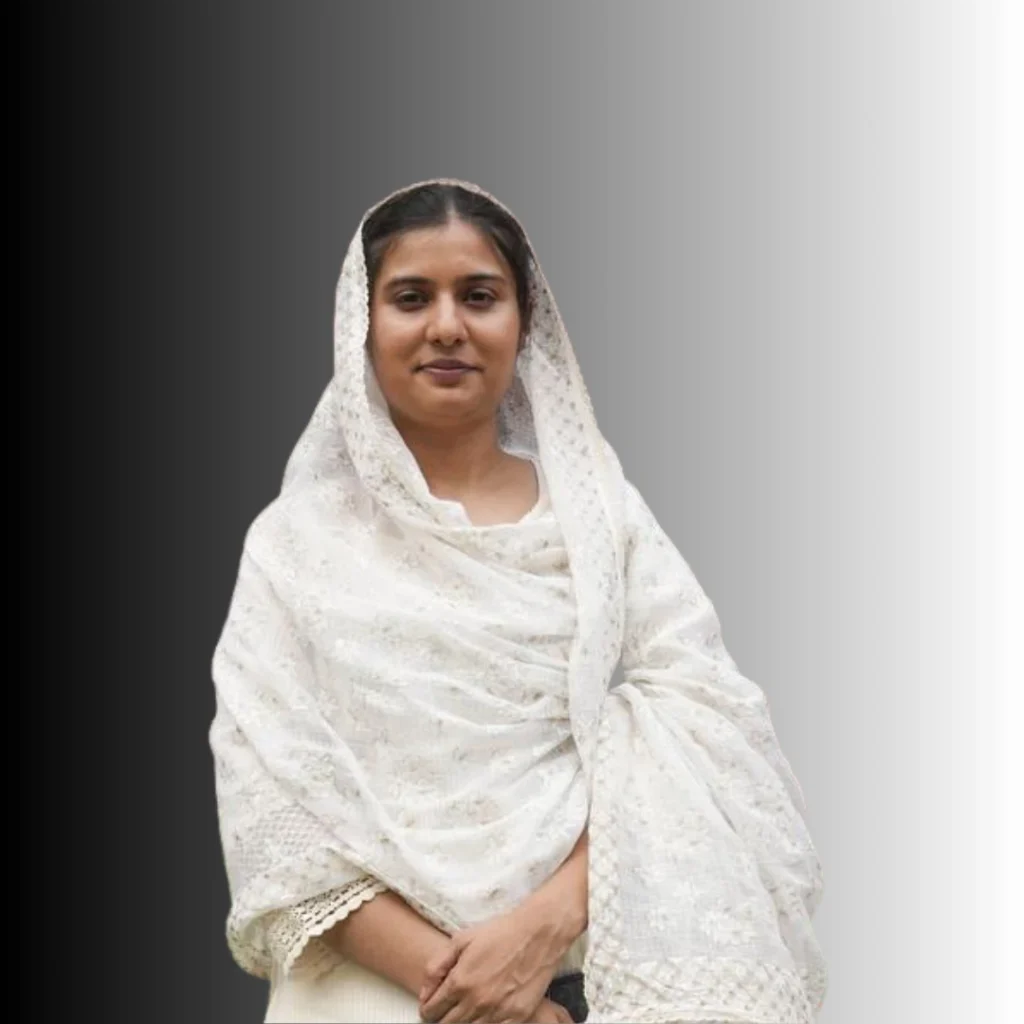
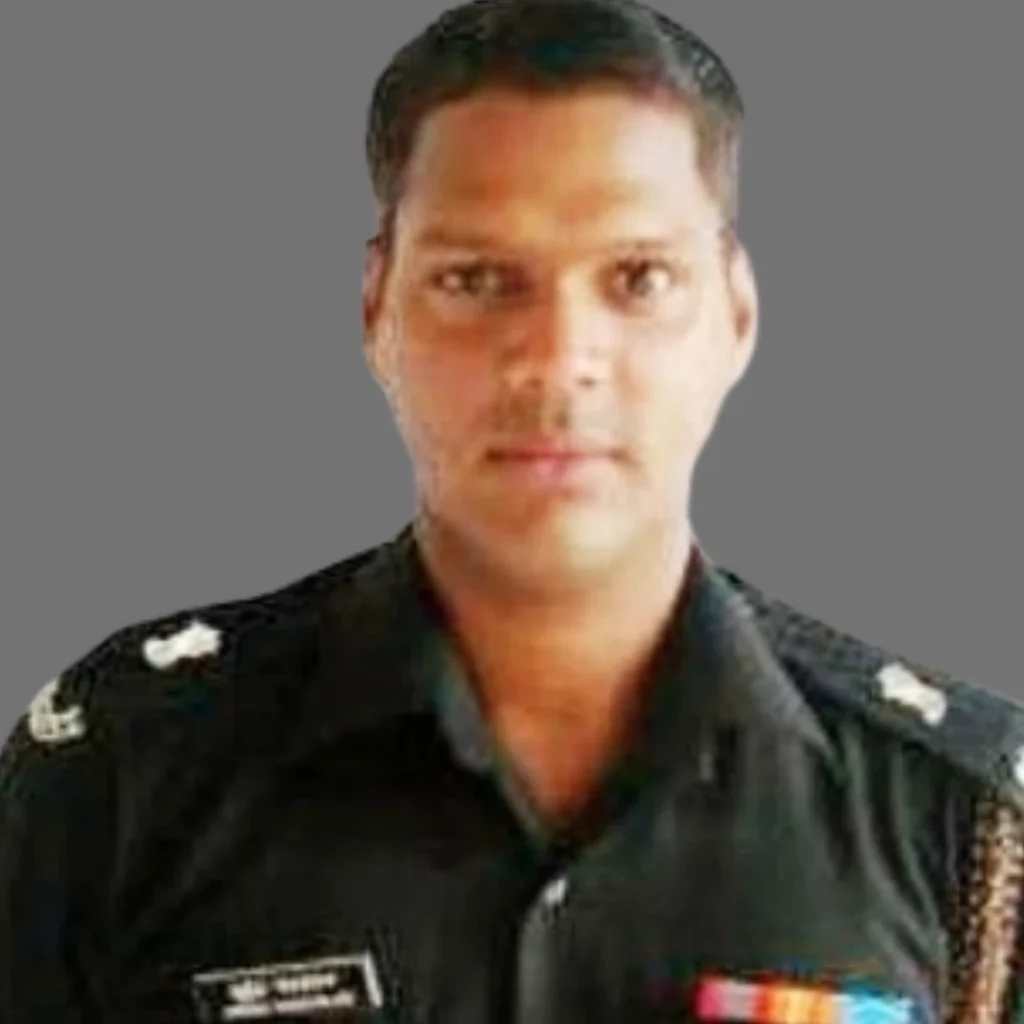
Major Mukund Varadarajan remains one of the most respected names associated with courage, leadership and sacrifice in the modern history of the Indian Army. An officer of the Rajput Regiment who was serving with the 44th Battalion of the Rashtriya Rifles, he lost his life during a counter-terrorism operation in Jammu and Kashmir in April 2014. His conduct during that operation later earned him the Ashoka Chakra, India’s highest peacetime gallantry award.
Born in 1983 and raised largely in Tamil Nadu, Mukund’s journey was not simply the story of a soldier on the battlefield. He was also a son, brother, husband and father whose personal life existed alongside the demanding responsibilities of military service. His education, Army training, operational experience and years of service gradually shaped him into the officer remembered today.
His story received renewed national attention after the release of the Tamil film Amaran in 2024, in which Sivakarthikeyan portrayed Major Mukund and Sai Pallavi played his wife, Indhu Rebecca Varghese. The film introduced his life to millions of viewers, but the real story behind the cinematic portrayal is even more important: that of an Indian Army officer whose final mission demonstrated exceptional leadership under fire.
bisque-tapir-826558.hostingersite.com/ explores Major Mukund Varadarajan biography his early life, family, education, Army career, marriage, Kashmir posting, final operation, Ashoka Chakra, legacy and the relationship between his real life and Amaran.
Who Was Major Mukund Varadarajan?
Major Mukund Varadarajan was an Indian Army officer belonging to the Rajput Regiment and serving with 44 Rashtriya Rifles in Jammu and Kashmir. He became nationally known for his actions during a counter-terrorism operation in the Shopian region on 25 April 2014.
During the operation, Major Mukund led troops against armed militants despite intense resistance. The official gallantry record credits his leadership, courage, planning and swift action with contributing to the elimination of three high-ranking Hizbul Mujahideen militants.
He was killed during the operation. The Government of India subsequently announced the Ashoka Chakra for him posthumously in August 2014. The decoration was formally presented to his wife, Indhu Rebecca Varghese, during the Republic Day ceremony in January 2015.
Major Mukund Varadarajan Biography
| Details | Information |
|---|---|
| Full Name | Major Mukund Varadarajan |
| Popularly Known As | Major Mukund |
| Date of Birth | 12 April 1983 |
| Date of Death | 25 April 2014 |
| Age at Death | 31 Years |
| Nationality | Indian |
| Profession | Indian Army Officer |
| Service | Indian Army |
| Rank | Major |
| Parent Regiment | The Rajput Regiment |
| Battalion | 22 Rajput |
| Rashtriya Rifles Unit | 44 Rashtriya Rifles |
| Service Number | IC-72861M |
| Commissioned | 18 March 2006 |
| Wife | Indhu Rebecca Varghese |
| Daughter | Arsheya Mukund |
| Father | R. Varadarajan |
| Mother | Geetha Varadarajan |
| Sisters | Swetha and Nithya |
| Major Operational Area | Jammu and Kashmir |
| Final Operation | Counter-terrorism operation in Shopian |
| Date of Martyrdom | 25 April 2014 |
| Highest Honour | Ashoka Chakra (Posthumous) |
| Biographical Film | Amaran (2024) |
| Actor Who Portrayed Him | Sivakarthikeyan |
Major Mukund Varadarajan Age and Birth Details
Major Mukund Varadarajan was born on 12 April 1983. He died on 25 April 2014, only thirteen days after his 31st birthday. Therefore, he was 31 years old at the time of his death.
Major Mukund Varadarajan Birthplace and Hometown
Major Mukund’s identity was closely connected with Tambaram, Chennai, Tamil Nadu. He spent important years of his childhood and education there, and his family lived in the Selaiyur-Tambaram area.
After his death in Kashmir, his mortal remains were brought to Chennai. The large public response during his final journey demonstrated how deeply the local community identified him as one of its own.
Major Mukund Varadarajan Early Life & Childhood
Mukund grew up in a family environment where discipline, education and public service were valued. He was the son of R. Varadarajan and Geetha Varadarajan and had two sisters, Swetha and Nithya.
Military service was not completely unfamiliar to his family. Published accounts state that his grandfather and two uncles had served in the armed forces. Growing up around stories of military life helped make the Army a meaningful career option for him.
His childhood and youth were nevertheless similar in many ways to those of other students growing up in Chennai. Before the uniform, operational deployments and gallantry award came years of school, college, friendships and decisions about his future.
Major Mukund Varadarajan Family Background
Mukund belonged to a close-knit family that remained an important part of his life even after the demands of Army service took him away from Chennai.
| Family Member | Details |
|---|---|
| Father | R. Varadarajan |
| Mother | Geetha Varadarajan |
| Sisters | Swetha and Nithya |
| Wife | Indhu Rebecca Varghese |
| Daughter | Arsheya Mukund |
| Family Connection with Army | Grandfather and two uncles reportedly served in the armed forces |
His father worked as a bank employee before retirement. Following Mukund’s death, his parents repeatedly spoke publicly about both the grief of losing their son and their pride in his military service.
Major Mukund Varadarajan College Life & Education
Mukund completed his schooling in the Tambaram area before pursuing higher education. He studied commerce at Sri Chandrasekharendra Saraswathi Viswa Mahavidyalaya and was also associated with Madras Christian College, where he studied journalism and mass communication.
His educational background is interesting because it was not limited to subjects traditionally associated with a military career. Commerce and journalism gave him experience in very different academic environments before he ultimately committed himself to Army life.
College was also important to his personal story because his relationship with Indhu Rebecca Varghese became one of the defining relationships of his life.
Major Mukund’s Life Before Joining the Indian Army
Before entering military training, Mukund was a young graduate trying to define his professional direction. His eventual decision to pursue the armed forces represented a major shift from an ordinary civilian academic path to one requiring rigorous physical training, military discipline and willingness to serve in difficult operational environments.
Rather than treating the Army simply as employment, accounts from people who knew him indicate that military service became central to his sense of purpose.
That decision eventually took him from Chennai to the Officers Training Academy and later to military assignments far removed from home.
Why Did Mukund Varadarajan Join the Indian Army?
Major Mukund’s family history is frequently mentioned as an important influence behind his decision. With his grandfather and two uncles reportedly having served in the military, the armed forces already carried personal meaning within his family.
However, becoming an Army officer required more than family influence. Mukund chose a profession involving demanding training, separation from family and exposure to operational danger.
His later career suggests that he adapted strongly to that environment and developed into an officer trusted with leadership responsibilities in counter-insurgency operations.
Major Mukund Varadarajan Indian Army Journey
Mukund’s Army journey began with officer training at the Officers Training Academy in Chennai. After completing his training, he received his commission in the Indian Army.
He joined the Rajput Regiment, one of the historic infantry regiments of the Army, and served with 22 Rajput. His career later included professional military assignments, a United Nations deployment in Lebanon and operational service with Rashtriya Rifles in Jammu and Kashmir.
The progression from a newly commissioned lieutenant to a Major serving in a counter-terrorism environment reflects the responsibilities he accumulated over approximately eight years of commissioned service.
Officers Training Academy (OTA) Training
The Officers Training Academy in Chennai was a particularly important stage in Mukund’s transformation from civilian graduate to Army officer.
OTA training prepares officer cadets for leadership through demanding physical conditioning, drill, tactical instruction, weapons training, field exercises and military discipline. Candidates are expected not merely to achieve physical standards but also to develop the judgement and responsibility required to command soldiers.
Mukund successfully completed this environment and moved on to commissioned service.
Years later, his association with OTA would become part of his legacy, with the institution remembering him as one of its distinguished fallen alumni.
Major Mukund Varadarajan Commissioning
Major Mukund Varadarajan was commissioned into the Indian Army on 18 March 2006.
His commissioning marked the beginning of approximately eight years of active military service. He joined the Rajput Regiment and gradually progressed through increasingly responsible appointments.
His service eventually placed him in one of the most demanding security environments in India—counter-terrorism operations in Jammu and Kashmir.
Major Mukund Varadarajan Regiment – 22 Rajput Regiment
Mukund’s parent unit was 22 Rajput, part of the Rajput Regiment of the Indian Army.
The distinction between his regiment and his later Rashtriya Rifles service is important. Mukund remained an officer of the Rajput Regiment while being deputed to 44 Rashtriya Rifles, where he was serving at the time of his final operation.
Official Government records describing his Ashoka Chakra identify him as belonging to the Rajput Regiment/44th Battalion Rashtriya Rifles.
Major Mukund Varadarajan Rank and Promotions
Mukund began commissioned service as a Lieutenant and later rose through the officer ranks to Captain and Major.
Available service records indicate that he was commissioned on 18 March 2006, subsequently served as a Captain and was promoted to Major in 2012.
By the time he was deputed to 44 Rashtriya Rifles, he had acquired the rank and experience necessary to lead troops during sensitive operations.
Major Mukund Varadarajan Army Career Timeline
| Year | Major Event |
|---|---|
| 2004 | Entered the Officers Training Academy period according to published accounts |
| 2006 | Commissioned into the Indian Army |
| 2006 | Joined the Rajput Regiment/22 Rajput |
| Later Service | Served at the Infantry School, Mhow |
| Later Service | Participated in a UN mission in Lebanon |
| 2012 | Promoted to Major |
| December 2012 | Deputed to 44 Rashtriya Rifles |
| 2013 | Involved in counter-terrorism operations in Kashmir |
| 25 April 2014 | Led his final operation in Shopian |
| 2014 | Ashoka Chakra announced posthumously |
| 26 January 2015 | Ashoka Chakra formally presented to his wife |
Major Mukund Varadarajan Posting and Service
Mukund’s military career exposed him to several different environments. Published biographies mention service at the Infantry School in Mhow, Madhya Pradesh, participation in a United Nations mission in Lebanon and, eventually, deployment with Rashtriya Rifles in Jammu and Kashmir.
Each represented a different dimension of military service. Training establishments focus on professional military development, international missions demand cooperation in multinational environments, while Kashmir required operational readiness against armed militant groups.
Major Mukund’s United Nations Mission in Lebanon
Mukund was also part of a United Nations mission in Lebanon, an experience that added an international dimension to his military career.
Indian Army personnel have long contributed to UN peacekeeping operations around the world. Such assignments require soldiers and officers to work within multinational frameworks while operating in complex security environments.
For Mukund, the Lebanon deployment formed part of the professional experience he accumulated before his later counter-terrorism duties in Kashmir.
Major Mukund Varadarajan and 44 Rashtriya Rifles
A crucial chapter of Mukund’s career began when he was deputed to 44 Rashtriya Rifles.
The Rashtriya Rifles is a counter-insurgency force operating primarily in Jammu and Kashmir. Its personnel are drawn from different arms and regiments of the Indian Army and serve in demanding operational conditions.
Mukund reportedly joined 44 RR in late 2012. His time with the battalion placed him directly in an environment where intelligence gathering, area domination and counter-terrorism operations were regular responsibilities.
Major Mukund Varadarajan Kashmir Posting
Shopian in South Kashmir was an operationally sensitive area during Mukund’s posting. Security forces faced militant activity while also attempting to protect civilians and maintain security around political and public processes.
For an officer such as Mukund, the assignment required more than conventional battlefield skills. Counter-terrorism operations demand patience, accurate intelligence, quick decisions and awareness of civilian presence.
These circumstances formed the background to both his earlier operations and the mission of April 2014.
Major Mukund’s Role in Counter-Terrorism Operations
Mukund was involved in operations intended to locate and neutralize armed militants operating in his area of responsibility.
As an officer, his responsibilities included leading soldiers, interpreting operational intelligence, planning approaches to suspected hideouts and making immediate tactical decisions once contact with militants occurred.
His Ashoka Chakra citation particularly emphasizes his leadership, courage, planning and swift action, qualities that became decisive during his final mission.
Major Mukund Varadarajan Major Operations
Although the April 2014 Shopian encounter is the best-documented operation associated with Mukund, he had already accumulated operational experience before it.
Accounts of his Kashmir service describe his involvement in counter-terrorism activity during 2013 and 2014. These operations helped establish his reputation within his unit as an effective officer capable of functioning in difficult circumstances.
However, some dramatic details later repeated online originate from secondary accounts or cinematic adaptations. The most reliable description of his final actions remains the official gallantry citation and contemporary military reporting.
Major Mukund Varadarajan and the 2013 Encounter
One widely reported episode from Mukund’s service concerns a 2013 encounter involving a militant commander. Secondary biographies describe Mukund and Sepoy Vikram Singh as having participated in an operation against a militant leader following an attack on an Army convoy.
The episode is also represented dramatically in Amaran. While the broad association of Mukund with earlier counter-terrorism operations is documented, readers should distinguish between official military records, later narrative accounts and scenes reconstructed for cinema.
This distinction is important when studying the biography of a real soldier.
Major Mukund Varadarajan Wife (Indhu Rebecca Varghese)
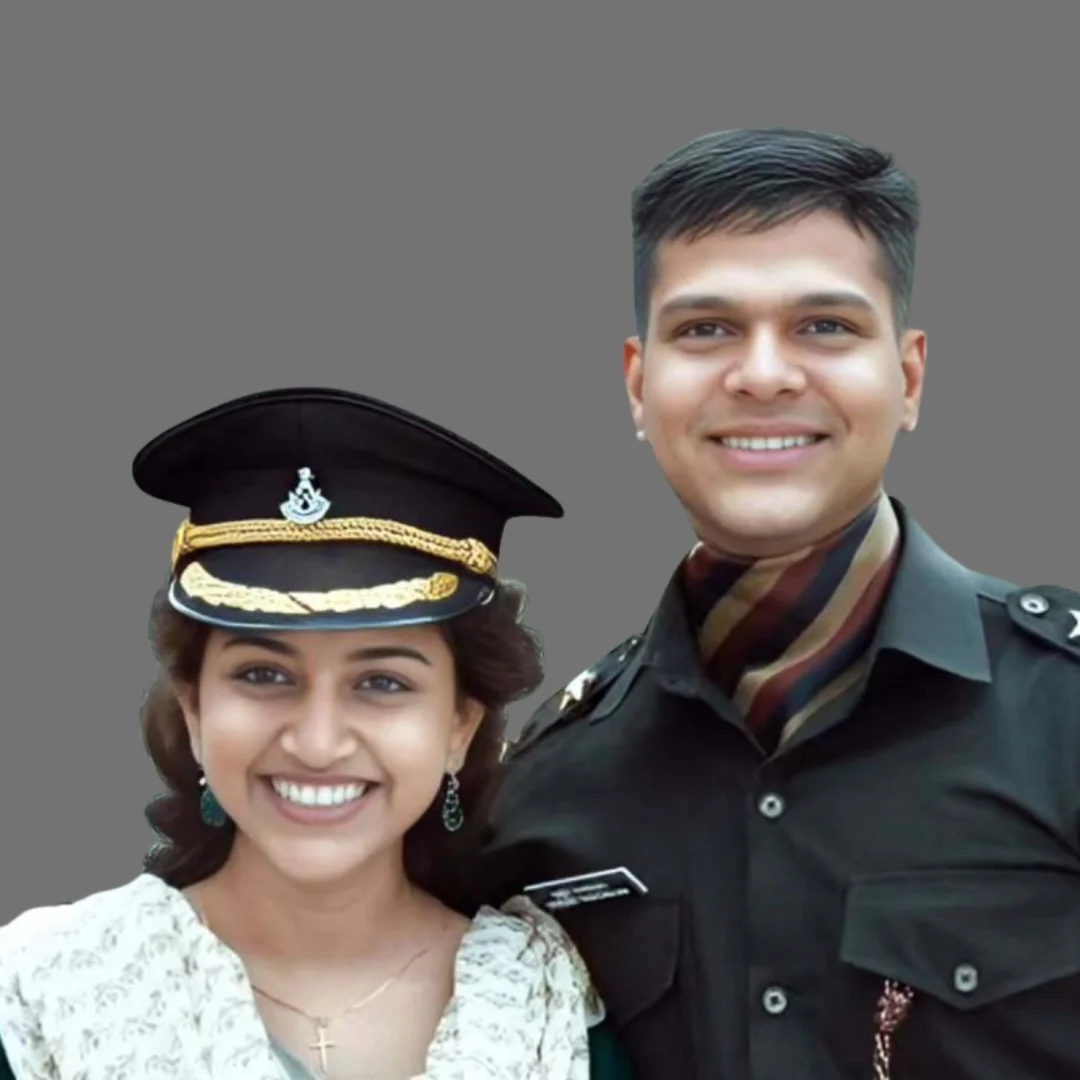
Major Mukund Varadarajan was married to Indhu Rebecca Varghese, who became one of the most publicly recognized members of his family after his death.
Their relationship began years before his final Kashmir posting. Indhu experienced the realities of being married to an Army officer: transfers, periods of separation and the uncertainty associated with operational assignments.
Following Mukund’s death, she received his Ashoka Chakra from the President of India at the Republic Day ceremony on his behalf.
Major Mukund Varadarajan and Indhu Rebecca Love Story
Mukund and Indhu knew each other before marriage and their relationship developed during their younger years. Their different family backgrounds and Mukund’s demanding military career added practical challenges, but the relationship ultimately led to marriage.
Much of the emotional dimension of their relationship later became central to Amaran. Director Rajkumar Periasamy worked closely with Indhu while developing the film, which helps explain why the movie presents significant portions of Mukund’s story through her perspective.
Their real relationship should nevertheless be distinguished from individual conversations, scenes and dramatic moments created or reconstructed for cinema.
Major Mukund Varadarajan Marriage
Mukund and Indhu married on 28 August 2009, according to biographical records.
Marriage coincided with a period when Mukund’s Army career was developing rapidly. Like many military families, they had to balance family responsibilities with postings and prolonged separation.
Indhu’s later public recollections have helped audiences understand Mukund not simply as an officer but as a husband and father away from the battlefield.
Major Mukund Varadarajan Daughter
Mukund and Indhu had one daughter, generally reported as Arsheya Mukund, born in 2011.
She was only a small child when her father died in 2014. One of the most emotional moments reported during Mukund’s final journey involved his young daughter saying goodbye before his funeral procession.
Her presence is an important reminder that the consequences of military sacrifice extend beyond the individual soldier to spouses, children, parents and other family members.
Major Mukund Varadarajan Personality and Character
Major Mukund’s official gallantry record gives the clearest description of his professional character: exemplary leadership, courage, planning and swift action.
People who knew him have additionally remembered his warmth, humour and confidence. His ability to maintain personal relationships while operating within the highly disciplined environment of the Army adds depth to his biography.
His reputation ultimately rests not on an image of fearlessness without emotion, but on disciplined action despite extreme danger.
Major Mukund Varadarajan Final Operation
The defining operation of Mukund’s military career occurred in Shopian district, Jammu and Kashmir, on 25 April 2014.
Security forces had received information regarding the presence of armed militants in the area. A search operation was initiated, and the militants opened fire when confronted.
Mukund was leading troops during the operation. The engagement developed into an intense gun battle in which both Major Mukund and Sepoy Vikram Singh were fatally wounded.
The operation resulted in the elimination of three militants.
What Happened on 25 April 2014?
On 25 April 2014, security forces launched an operation after receiving intelligence regarding militants in the Shopian area.
Contemporary reports indicate that three militants were hiding in a house. They were asked to surrender but instead opened fire, leading to a prolonged encounter.
Major Mukund led the Army team confronting them. Despite heavy resistance, the troops continued the operation. Mukund sustained fatal injuries during the fighting, while Sepoy Vikram Singh also lost his life.
The operation continued until all three militants had been neutralized.
Shopian Encounter – Complete Story
The encounter occurred during a tense period in the region, shortly after an attack connected with election activity. Security forces were searching for militants believed to be operating in the area.
Once their location was identified, troops surrounded the suspected hideout to prevent escape. The militants responded with gunfire rather than surrender.
Major Mukund took an active role in leading the assault. The official Ashoka Chakra announcement later stated that his actions displayed exceptional leadership, courage, planning and speed and culminated in the elimination of three high-ranking Hizbul Mujahideen militants.
The operation cost both Mukund and Sepoy Vikram Singh their lives, turning what began as a counter-terrorism mission into one of the most remembered episodes associated with 44 Rashtriya Rifles.
Qazipathri Operation
The official Government citation identifies village Qazipathri in Jammu and Kashmir as the location of the anti-terrorist search operation led by Mukund.
Contemporary news reports also used names such as Karewa Malino or Karewa-Manlo while describing the encounter area, which explains why different location names appear in later articles.
For biographical purposes, Qazipathri is particularly important because that is the location specified in the official gallantry account.
Major Mukund Varadarajan and Sepoy Vikram Singh
Sepoy Vikram Singh served alongside Major Mukund in 44 Rashtriya Rifles and was also killed during the Shopian operation.
Their names became closely linked because both soldiers fought in the same encounter and made the ultimate sacrifice.
Vikram Singh was subsequently awarded the Shaurya Chakra posthumously, while Mukund received the Ashoka Chakra. Remembering the operation accurately therefore means recognizing the courage and sacrifice of both men rather than viewing it solely through the story of one officer.
How Major Mukund Varadarajan Fought During His Final Operation
Major Mukund’s official citation provides the strongest basis for understanding his actions. It states that he was leading an anti-terrorist search operation when his team came under heavy fire.
Instead of allowing the intensity of the firing to halt the mission, he continued leading his men and taking decisive action against the militants.
His courage was not simply an individual act of aggression. As an officer, he was responsible for tactical leadership and the soldiers operating with him. That combination of personal bravery and command responsibility is central to why his actions received India’s highest peacetime gallantry recognition.
Major Mukund Varadarajan Death
Major Mukund Varadarajan died in action on 25 April 2014 during the Shopian counter-terrorism operation.
He had completed just over eight years as a commissioned officer.
His death immediately drew tributes from the Army, government representatives and people in Tamil Nadu. The scale of public response increased further when the details of his final operation and subsequent gallantry recognition became known.
How Did Major Mukund Varadarajan Die?
Major Mukund died from injuries sustained while fighting armed militants during the Shopian encounter.
Some later narratives provide highly specific descriptions of the exact sequence in which he was hit. Such accounts vary, so they should not automatically be treated as equivalent to the official citation.
What is firmly documented is that Mukund was leading the operation, engaged militants under heavy fire, contributed to the successful elimination of the terrorist group and sustained fatal injuries during the mission.
Major Mukund Varadarajan Age at the Time of Death
Major Mukund was 31 years old when he died. Born on 12 April 1983 and killed on 25 April 2014, he had celebrated his 31st birthday only days earlier. His young age, marriage and three-year-old daughter made the personal dimension of his sacrifice especially poignant for the public.
Major Mukund Varadarajan Last Rites and Funeral
After the operation, the Army held a wreath-laying ceremony in Srinagar for Major Mukund and Sepoy Vikram Singh. Mukund’s mortal remains were then brought to Chennai. His funeral took place with full military honours at Besant Nagar on 28 April 2014.
Family members, Army personnel, friends, former college associates and members of the public joined his final journey. Contemporary reports described large numbers of people carrying the Indian flag and paying tribute as the cortege moved from his family home toward the crematorium.
Major Mukund Varadarajan Ashoka Chakra
Major Mukund Varadarajan was awarded the Ashoka Chakra posthumously.
The award was announced as part of the Independence Day gallantry awards in August 2014. It was subsequently presented during the Republic Day ceremony on 26 January 2015.
His wife, Indhu Rebecca Varghese, received the decoration on his behalf from then-President Pranab Mukherjee. The Ashoka Chakra represents the highest level of peacetime gallantry recognition in India.
Why Was Major Mukund Varadarajan Awarded the Ashoka Chakra?
The Government of India recognized Mukund for the exceptional courage and leadership he displayed while commanding the anti-terrorist operation at Qazipathri. The official announcement highlighted four particularly important qualities: leadership, courage, planning and swift action.
His team was under heavy fire, yet the operation continued and three high-ranking militants were eliminated. Mukund lost his life during the engagement. The award therefore recognized both the bravery of his personal actions and his leadership of the operation under extreme danger.
Major Mukund Varadarajan Ashoka Chakra Citation and Bravery
According to the Ministry of Defence’s official gallantry announcement, Major Mukund was leading an anti-terrorist search operation at Qazipathri when his troops encountered heavy fire from Hizbul Mujahideen militants.
Despite the dangerous circumstances, his leadership and tactical response contributed to the elimination of all three militants.
Rather than viewing the Ashoka Chakra as simply a medal awarded after death, it should be understood as formal national recognition of his conduct during a specific operation where he placed mission and responsibility above personal safety.
Major Mukund Varadarajan Awards and Honours
| Award/Honour | Details |
|---|---|
| Ashoka Chakra | Awarded posthumously |
| Award Announced | Independence Day 2014 |
| Formally Presented | Republic Day, 26 January 2015 |
| Presented To | Indhu Rebecca Varghese on his behalf |
| Reason | Exceptional bravery and leadership in counter-terrorism operation |
Major Mukund Varadarajan Memorials and Tributes
After his death, tributes to Mukund came from the Indian Army, government officials, educational institutions, local communities and ordinary citizens. His association with Chennai and Madras Christian College also resulted in emotional remembrance among former classmates and alumni.
Over time, books, military commemorations, interviews and finally cinema expanded awareness of his life beyond those who had followed the original 2014 reports.
Major Mukund Varadarajan Statue at OTA Chennai
Major Mukund’s connection with the Officers Training Academy has remained an important element of his military legacy.
A bust/statue commemorating him at OTA Chennai represents the connection between his own officer training and future generations of cadets.
For young officers undergoing training, memorials to fallen alumni carry a particularly strong message: military leadership is ultimately measured not only through rank but through responsibility, courage and conduct under pressure.
How the Indian Army Remembers Major Mukund
The Indian Army remembers Mukund as an officer who demonstrated exemplary courage while leading from the front.
His name is preserved through his Ashoka Chakra citation, regimental memory, military commemorations and the wider institutional tradition of honouring personnel killed in action. The official account of his final operation ensures that his story remains part of the documented gallantry history of the Indian Armed Forces.
Major Mukund Varadarajan Legacy
Mukund’s legacy exists on several levels.
For the Indian Army, he represents leadership and courage during a dangerous counter-terrorism mission. For his family, he remains a son, husband and father whose absence cannot be reduced to a public story of heroism.
For younger generations, his life demonstrates the demanding reality behind military service—the long periods of training, separation from loved ones and responsibility for others that precede the moments of bravery visible to the public.
His story has survived because it combines professional duty with an intensely human personal journey.
Major Mukund Varadarajan and Amaran Movie
The 2024 Tamil film Amaran, directed by Rajkumar Periasamy, brought Major Mukund’s story to a much larger audience.
The film was inspired by his life and drew material from India’s Most Fearless: True Stories of Modern Military Heroes by Shiv Aroor and Rahul Singh, along with extensive interaction with Mukund’s family and people connected with his Army career.
Sivakarthikeyan played Major Mukund, while Sai Pallavi portrayed Indhu Rebecca Varghese. The film combines documented events with cinematic storytelling, making it important for viewers to distinguish the historical record from dramatized scenes.
Is Amaran Based on Major Mukund Varadarajan’s True Story?
Yes. Amaran is based on the life of Major Mukund Varadarajan. Its central characters, his marriage to Indhu, his Army career, Kashmir service and final operation are rooted in real events.
However, Amaran is a feature film rather than a documentary. Conversations, timelines, emotional scenes and individual operational details may therefore be condensed, reconstructed or dramatized for storytelling.
The real Major Mukund should consequently be studied through official records and reliable biographical material in addition to the film.
Sivakarthikeyan as Major Mukund Varadarajan
Tamil actor Sivakarthikeyan portrayed Major Mukund in Amaran.
The role required him to represent different stages of Mukund’s life—from a young man and romantic partner to a trained Army officer involved in counter-terrorism operations.
Director Rajkumar Periasamy has said that Indhu wanted an actor with strong Tamil roots to portray Mukund. Sivakarthikeyan was eventually chosen, and the performance became one of the most widely discussed aspects of the film.
Sai Pallavi as Indhu Rebecca Varghese
Sai Pallavi portrayed Indhu Rebecca Varghese.
Her character is particularly important because Amaran places considerable emphasis on Indhu’s perspective. Instead of presenting only military operations, the film explores the emotional impact of an Army career on marriage and family life.
This approach helped audiences understand that a soldier’s service affects an entire family, particularly during long operational separations and after the loss of a loved one.
Amaran Movie vs Major Mukund Varadarajan’s Real Life
| Aspect | Real Life | Amaran |
|---|---|---|
| Major Mukund | Real Indian Army officer | Played by Sivakarthikeyan |
| Indhu Rebecca | Mukund’s real wife | Played by Sai Pallavi |
| 44 Rashtriya Rifles | Real unit | Important part of film |
| Kashmir Operations | Based on actual service | Recreated cinematically |
| Final Encounter | Real operation in April 2014 | Dramatized for screen |
| Ashoka Chakra | Real posthumous honour | Incorporated into his story |
| Personal Conversations | Not completely publicly documented | Reconstructed/dramatized |
| Overall Story | Real biography | Biographical drama based on his life |
Amaran captures the broad arc of Mukund’s life but should not be treated as a scene-by-scene historical record. Cinema often combines events or creates dialogue to communicate emotions that cannot otherwise be documented.
Interesting Facts About Major Mukund Varadarajan
- Led from the Front: During the Shopian encounter, Major Mukund personally led his team against heavily armed militants, demonstrating exceptional leadership and courage until his final breath.
- Ashoka Chakra Recipient: Major Mukund Varadarajan was posthumously awarded the Ashoka Chakra, India’s highest peacetime gallantry award, for his extraordinary bravery.
- Served with 44 Rashtriya Rifles: Although he belonged to the 22 Rajput Regiment, he was serving with 44 Rashtriya Rifles during his final counter-terrorism mission.
- United Nations Peacekeeper: Before his Kashmir deployment, he represented India in a United Nations peacekeeping mission in Lebanon.
- Martyr at 31: Major Mukund made the ultimate sacrifice on 25 April 2014, just 13 days after celebrating his 31st birthday.
- Inspired the Film Amaran: His remarkable life and military service inspired the 2024 Tamil biographical film Amaran, starring Sivakarthikeyan.
- OTA Chennai Alumnus: He completed his officer training at the Officers Training Academy (OTA), Chennai, one of India’s premier military training institutions.
Major Mukund Varadarajan Life Timeline
| Date/Year | Event |
|---|---|
| 12 April 1983 | Born |
| Early Years | Grew up largely in the Tambaram-Chennai area |
| College Years | Studied commerce and journalism |
| 2004 | Associated with beginning of OTA training period |
| 18 March 2006 | Commissioned into Indian Army |
| 2006 onward | Served with Rajput Regiment |
| Later Years | Served at Infantry School and on UN mission in Lebanon |
| 28 August 2009 | Married Indhu Rebecca Varghese |
| 2011 | Daughter Arsheya born |
| 2012 | Promoted to Major |
| December 2012 | Deputed to 44 Rashtriya Rifles |
| 2013–2014 | Counter-terrorism service in Kashmir |
| 25 April 2014 | Killed in action during Shopian operation |
| 28 April 2014 | Cremated with full military honours in Chennai |
| 15 August 2014 | Ashoka Chakra announced |
| 26 January 2015 | Ashoka Chakra presented posthumously |
| 31 October 2024 | Amaran released theatrically |
Lessons and Inspiration from Major Mukund Varadarajan’s Life
Major Mukund’s story offers a powerful lesson about leadership through responsibility. During his final operation, he was not simply fighting as an individual soldier; he was commanding men in an extremely dangerous situation. Leadership required him to make decisions while accepting personal risk.
His life also highlights the importance of preparation. The courage displayed during an encounter is supported by years of education, military training, professional experience and discipline.
Another important lesson concerns family sacrifice. Military service is performed by the individual in uniform, but postings, uncertainty and loss affect spouses, children and parents as well. Indhu and their daughter therefore remain an inseparable part of Mukund’s larger story.
Most importantly, Mukund’s legacy demonstrates why bravery should not be understood as the absence of danger or emotion. Courage becomes meaningful when a person understands the risks yet continues to fulfil a responsibility toward others.
Conclusion
Major Mukund Varadarajan’s biography is the story of a young man from an ordinary family background who chose an extraordinary profession and ultimately became one of India’s most remembered modern gallantry awardees.
From his student years and training at OTA Chennai to his service with the Rajput Regiment, United Nations assignment, marriage to Indhu Rebecca Varghese and operational posting with 44 Rashtriya Rifles, each stage contributed to the officer he became.
On 25 April 2014, his career reached its final and most difficult test during a counter-terrorism operation in Shopian, Jammu and Kashmir. Major Mukund and Sepoy Vikram Singh lost their lives, while the operation resulted in the elimination of three militants. Mukund’s courage and leadership earned him the Ashoka Chakra posthumously.
Years later, Amaran transformed his story into a widely watched cinematic narrative, but his real legacy goes beyond a film. It survives in the official record of his gallantry, in the Indian Army institutions that remember him, in his family and in the generations who continue to learn about the responsibilities carried by those who serve in uniform.
Major Mukund Varadarajan was 31 when his life ended, but his actions ensured that his name became part of India’s enduring military history.
FAQs
Who was Major Mukund Varadarajan?
Major Mukund Varadarajan was an Indian Army officer of the Rajput Regiment who was serving with 44 Rashtriya Rifles in Jammu and Kashmir. He was killed during a counter-terrorism operation on 25 April 2014 and was awarded the Ashoka Chakra posthumously.
When was Major Mukund Varadarajan born?
Major Mukund Varadarajan was born on 12 April 1983.
How old was Major Mukund when he died?
He was 31 years old at the time of his death on 25 April 2014.
Who were Major Mukund Varadarajan’s parents?
His parents are R. Varadarajan and Geetha Varadarajan.
Who was Major Mukund Varadarajan’s wife?
Major Mukund was married to Indhu Rebecca Varghese.
Did Major Mukund Varadarajan have children?
Yes. Major Mukund and Indhu had one daughter, Arsheya Mukund.
Which regiment did Major Mukund belong to?
His parent regiment was the Rajput Regiment, and he served with 22 Rajput.
Which Rashtriya Rifles unit did Major Mukund serve with?
He served with the 44th Battalion of the Rashtriya Rifles (44 RR).
When did Major Mukund join the Indian Army?
He was commissioned into the Indian Army on 18 March 2006.
Where did Major Mukund receive Army training?
He trained at the Officers Training Academy (OTA), Chennai.
Did Major Mukund serve outside India?
Yes. Published military biographies record that he participated in a United Nations mission in Lebanon.
When did Major Mukund Varadarajan die?
He died in action on 25 April 2014.
Where did Major Mukund Varadarajan die?
He was killed during a counter-terrorism operation in the Shopian district of Jammu and Kashmir.
Who was Sepoy Vikram Singh?
Sepoy Vikram Singh was a soldier of 44 Rashtriya Rifles who fought alongside Major Mukund during the Shopian operation and also lost his life. He was awarded the Shaurya Chakra posthumously.
Which award did Major Mukund Varadarajan receive?
He was posthumously awarded the Ashoka Chakra, India’s highest peacetime gallantry award.
Why did Major Mukund receive the Ashoka Chakra?
He received it for exceptional courage, leadership, planning and swift action while leading a counter-terrorism operation in which three militants were eliminated.
Who received Major Mukund’s Ashoka Chakra?
His wife, Indhu Rebecca Varghese, received the award on his behalf from President Pranab Mukherjee.
Is Amaran based on Major Mukund’s real life?
Yes. The 2024 Tamil film Amaran is a biographical drama based on Major Mukund Varadarajan’s life and military service.
Who played Major Mukund in Amaran?
Sivakarthikeyan portrayed Major Mukund Varadarajan.
Who played Major Mukund’s wife in Amaran?
Sai Pallavi portrayed Indhu Rebecca Varghese.
Is everything shown in Amaran completely true?
The film is based on real people and major events from Mukund’s life, but it is a cinematic biographical drama rather than a documentary. Some conversations, scenes and sequences were reconstructed or dramatized for storytelling.
What is Major Mukund Varadarajan remembered for?
He is remembered for his courage, leadership, dedication to the Indian Army and sacrifice during the 2014 Shopian counter-terrorism operation. His posthumous Ashoka Chakra remains the highest official recognition of his gallantry.
Also, Read About: Major Gaurav Chaudhary Wife || Major Gaurav Chaudhary || Major Shaitan Singh || Major Rishabh Singh Sambyal Wife || Major Rishabh Singh Sambyal || Major Sandeep Unnikrishnan Wife