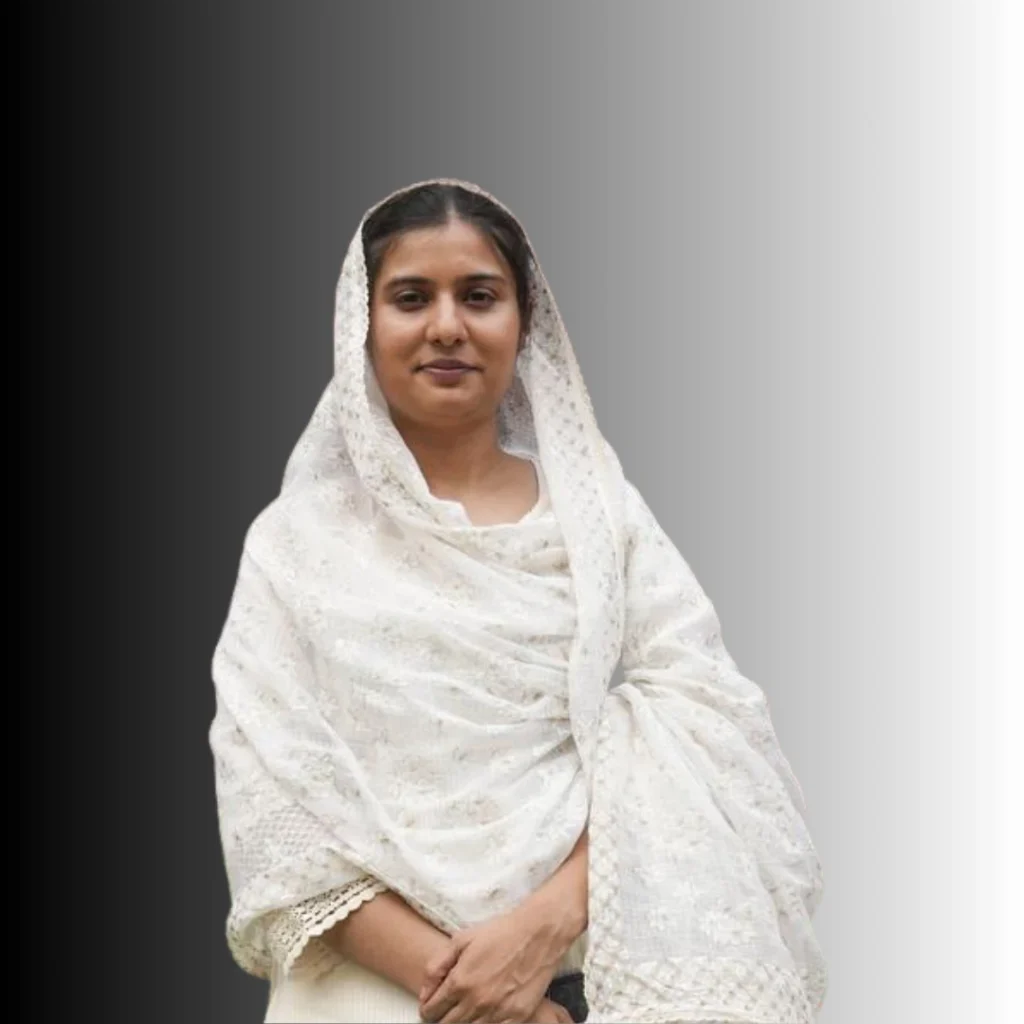
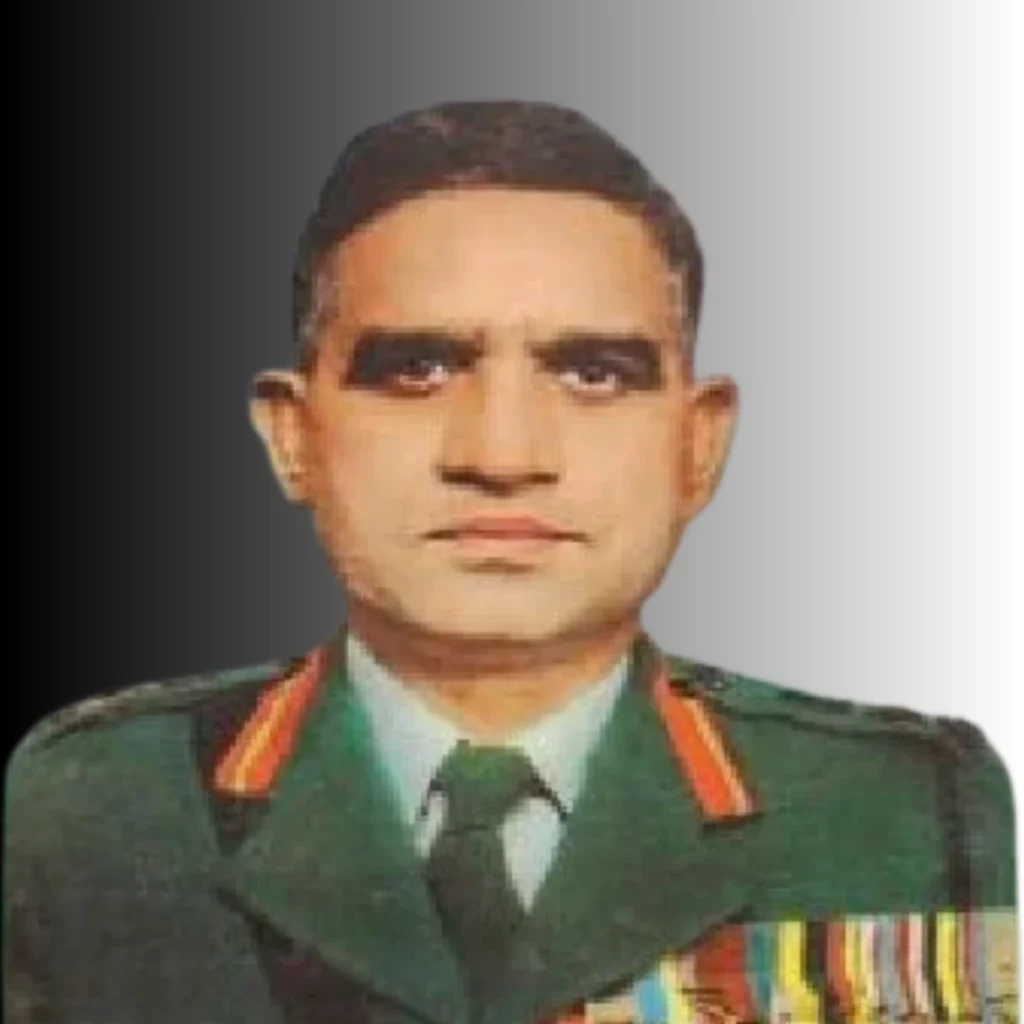
Brigadier Hoshiar Singh Rathi (1916–1962) was a distinguished Indian Army officer remembered for his leadership, courage and sacrifice during the 1962 India–China War. Born in Sankhol village near Bahadurgarh in present-day Haryana, he rose from a humble rural background to become a senior military commander entrusted with the defence of the strategically important Sela Pass in the North-East Frontier Agency (NEFA), now part of Arunachal Pradesh.
His military career reflected years of discipline, professional training and service in challenging conditions. As commander of the 62nd Infantry Brigade, he faced a difficult situation during the Chinese offensive in November 1962. His final battle became part of the larger and painful history of the war, when Indian troops fought under severe operational pressure in the mountainous region.
Brigadier Hoshiar Singh also came from a family that valued perseverance and public service. He lost his father at a young age and was brought up by his mother and elder brother. He married Pheem Kaur in 1935, and the couple had five children. Several of his sons later became associated with military service, extending the family’s connection with the armed forces.
This article covers Brigadier Hoshiar Singh Rathi’s biography, age, birthplace, religion, family background, education, military career, role in the 1962 war, awards, death and memorials. He should not be confused with Colonel Hoshiar Singh Dahiya, the Param Vir Chakra recipient who fought in the 1971 India–Pakistan War.
Who Was Brigadier Hoshiar Singh?
Brigadier Hoshiar Singh Rathi was an Indian Army officer who commanded the 62nd Infantry Brigade during the 1962 India–China War. His brigade was responsible for defending the Sela Pass area, an important mountain position on the approaches towards the Indian frontier in the eastern Himalayas.
He was born on 16 December 1916 in Sankhol village, near Bahadurgarh. His early life was shaped by family hardship, rural surroundings and a determination to build a career through discipline and hard work. He joined the army as a young man and subsequently progressed through military service, training and promotions.
His name is particularly associated with the defence of Sela and the fighting around the Bomdila region in November 1962. He was killed in action during the conflict. Although the military situation eventually forced Indian forces to withdraw from several positions, his service remains a part of the story of the soldiers and commanders who faced the Chinese advance in extremely difficult circumstances.
Brigadier Hoshiar Singh Biography Overview
| Biography Detail | Information |
| Full Name | Brigadier Hoshiar Singh Rathi |
| Commonly Known As | Brigadier Hoshiar Singh |
| Date of Birth | 16 December 1916 |
| Birthplace | Sankhol village, near Bahadurgarh |
| Present-Day District | Jhajjar, Haryana |
| Nationality | Indian |
| Profession | Indian Army officer |
| Known For | Commanding the 62nd Infantry Brigade during the 1962 India–China War |
| Important Military Posting | Sela Pass region, NEFA |
| Father | Shri Shivlal |
| Mother | Smt. Nanhi Devi |
| Elder Brother | Shri Amar Singh |
| Wife | Ms. Pheem Kaur |
| Marriage Year | 1935 |
| Children | Five |
| Military Honours Reported | OBE, Croix de Guerre, IOM and other service distinctions; records vary in their presentation |
| Year of Death | 1962 |
| Place Associated With His Final Battle | Phudung, near Phitang Bridge, southwest of Bomdila |
Brigadier Hoshiar Singh Age, Birth Details and Death
Brigadier Hoshiar Singh was born on 16 December 1916. He was approximately 45 years old when he died in 1962, depending on the exact date of his death. His life spanned a period of major changes in the Indian subcontinent, including British rule, the Second World War, India’s independence and the early decades of the independent Indian Army.
His military service took him beyond the surroundings of his native village and into demanding operational and leadership responsibilities. By the time of the 1962 India–China War, he had developed into a senior officer with responsibility for an important mountain brigade.
He was killed in action in November 1962 during the fighting connected with the Sela–Bomdila campaign. Accounts differ on the precise date of his death, with some placing it on 23 November and others giving a later date. The most cautious description is that he died in action during the November 1962 campaign.
His death was a major loss for his family and for the troops under his command. His sacrifice is remembered in connection with the difficult military circumstances faced by Indian forces in the eastern Himalayan region during the war.
Brigadier Hoshiar Singh Birthplace, Hometown and Early Background
Brigadier Hoshiar Singh was born in Sankhol village near Bahadurgarh, an area that is now part of Jhajjar district in Haryana. At the time of his birth, the region was within the Rohtak district of undivided Punjab. His village background gave him a close connection to rural life in northern India during the early twentieth century.
His childhood was not free from hardship. His father, Shri Shivlal, died when Hoshiar Singh was young. Following this loss, his mother, Smt. Nanhi Devi, and his elder brother, Shri Amar Singh, played important roles in bringing him up.
His story is often remembered as an example of how a young person from a modest background could build a career through determination and discipline. His early circumstances did not prevent him from pursuing a military life, and he eventually rose to a position of considerable responsibility in the Indian Army.
Religion and Family Background of Brigadier Hoshiar Singh
Brigadier Hoshiar Singh came from a Hindu Jat family in the Sankhol Bahadurgarh area of present-day Haryana. His upbringing was rooted in a rural community where family relationships, hard work and social responsibility were important parts of everyday life.
His family experienced a significant loss when his father died during his childhood. His mother, Nanhi Devi, and elder brother, Amar Singh, helped raise him. This family support formed an important part of his early background before he entered military service.
Religion and Caste
Biographical accounts generally identify Brigadier Hoshiar Singh as belonging to a Hindu Jat family. These details describe his family background, but his historical significance rests primarily on his military service, leadership and sacrifice during the 1962 war.
It is also important not to confuse his family history with that of Major Hoshiar Singh Dahiya, another Indian Army officer from Haryana who received the Param Vir Chakra for his actions during the 1971 war. They were two different officers from different generations.
Brigadier Hoshiar Singh’s Early Life and Childhood
Hoshiar Singh spent his early years in Sankhol village. The death of his father at a young age meant that his mother and elder brother took on important responsibilities in his upbringing. Despite these circumstances, he continued his education and eventually pursued a career in the armed forces.
He attended the village primary school before continuing his studies at a government school in Bahadurgarh. His daily routine reportedly involved walking from his village to school. He passed his matriculation examination in 1932, an important achievement that helped him move towards a professional career.
He was also known for his interest in physical activity and reportedly played kabaddi. The combination of education, physical fitness and a willingness to work hard provided a useful foundation for the demands of military life.
His childhood cannot be separated from the wider social conditions of the time. Opportunities for young people from rural communities were more limited than they are today, and a military career offered a path to professional development and responsibility.
Brigadier Hoshiar Singh Education and Military Training
Brigadier Hoshiar Singh received his early education in local government schools. After completing his primary education in Sankhol, he attended a government school in Bahadurgarh and passed matriculation in 1932.
His formal education was followed by military training. After entering army service, he gained experience through his duties and was later selected for officer training. He attended the Indian Military Academy in Dehradun, which played an important role in his development as a commissioned officer.
Military training required more than physical strength. It involved discipline, knowledge of military organisation, leadership, tactical judgement and the ability to make decisions under pressure. These skills became increasingly important as Hoshiar Singh progressed through the ranks.
His career illustrates the path from early military service to officer responsibilities during a period when the Indian Army was undergoing significant institutional and historical changes.
Joining the Indian Army
Hoshiar Singh joined the British Indian Army in October 1934, when he was approximately 17 years old. His early service began in the Rajputana Rifles, a regiment with a long military history.
Joining the army gave him an opportunity to develop professionally and gain experience in a structured organisation. His early duties introduced him to military discipline, unit life and the responsibilities expected of a soldier. Over time, he progressed through the ranks and became eligible for further training.
He was promoted to Jamadar in December 1940, according to biographical accounts. His progress reflected years of service and experience. In 1941, he was selected for commissioned officer training, marking an important turning point in his career.
The transition from enlisted service to officer training was significant. It placed him on a path towards command responsibilities that would eventually include leading a brigade during one of the most difficult episodes in India’s military history.
Military Career Journey
Brigadier Hoshiar Singh’s military career developed over nearly three decades of service. He began as a young recruit and gradually gained the experience and training needed for senior leadership. His professional journey included service during the Second World War and later responsibilities in the Indian Army after independence.
His career can be understood in three broad phases: early service and promotion, the development of his leadership abilities, and his appointment to command the 62nd Infantry Brigade before the 1962 war.
Early Military Service and Promotions
Hoshiar Singh joined the Rajputana Rifles in 1934. During his early years, he learned the practical demands of army life and developed the discipline required for military service. His promotion to Jamadar in December 1940 represented progress in his career.
He was subsequently selected for officer training and attended the Indian Military Academy. This step expanded his responsibilities from those associated with enlisted service towards the leadership and planning duties expected of a commissioned officer.
As he advanced, he gained experience that would later become important in operational command. His career progression reflected a combination of service experience, military education and increasing responsibility.
Military Operations Before the 1962 War
During the Second World War, Hoshiar Singh served with the 4th Battalion of the Rajputana Rifles, also associated with the name “Outram’s,” in the Middle East theatre. Service during wartime exposed soldiers and officers to demanding conditions, complex operations and the importance of coordination between units.
After the war and India’s independence in 1947, the Indian Army continued to reorganise and develop its command structure. Officers with previous military experience became important in maintaining professional standards and preparing units for new responsibilities.
Hoshiar Singh continued his military career through this period. By 1962, he had reached senior command responsibilities and was entrusted with a brigade operating in the mountainous terrain of the North-East Frontier Agency.
His earlier service is an important part of his biography because it shows that his appointment during the 1962 war was the result of a longer military career rather than an isolated episode.
Brigadier Hoshiar Singh’s Role in the 1962 India–China War
The 1962 India–China War was a major conflict between India and China over disputed border areas in the Himalayas. The fighting took place in difficult terrain, where high altitude, limited road access, severe weather and logistical problems complicated military operations.
In the eastern sector, Indian forces were deployed across a large mountainous area. Sela Pass and the approaches towards Bomdila were strategically important because they formed part of the defensive system in the direction of the Indian frontier. The positions were difficult to supply and reinforce, particularly as Chinese forces advanced.
Brigadier Hoshiar Singh was closely associated with the defence of this region as commander of the 62nd Infantry Brigade. His responsibility involved leading troops in a challenging operational environment in which the situation changed rapidly.
The brigade’s mission unfolded during a broader campaign marked by serious difficulties for Indian forces. The conflict exposed weaknesses in preparation, supply, communications and command arrangements. Nevertheless, the soldiers deployed in the region continued to face the advancing Chinese forces under extremely demanding circumstances.
Hoshiar Singh’s historical significance comes from his command role at Sela and his death during the 1962 campaign. His story forms part of the wider history of Indian soldiers who served and died in the eastern Himalayan theatre.
Appointment as Commander of the 62nd Infantry Brigade
Brigadier Hoshiar Singh commanded the 62nd Infantry Brigade, which was responsible for the defence of the Sela Pass area. The brigade included troops from several infantry units, with accounts identifying elements of the Sikh, Sikh Light Infantry and Garhwal Rifles.
A brigade commander must coordinate subordinate units, assess threats, manage limited resources and communicate decisions across a wide operational area. These responsibilities become more demanding in mountainous terrain, where movement can be slow and units may be separated by ridges, valleys and narrow routes.
The 62nd Infantry Brigade operated in a strategically important area, but it faced significant challenges during the Chinese offensive. The wider military situation was deteriorating, and the pressure on Indian positions increased as the campaign progressed.
Hoshiar Singh’s appointment placed him at the centre of these developments. His role was not limited to a single defensive position; it involved responsibility for troops operating within a larger and increasingly difficult battle.
Defence of Sela Pass
Sela Pass was one of the key defensive locations in the eastern sector during the 1962 war. Situated in the high Himalayas, the area offered important terrain for controlling movement through the mountains. However, its altitude, weather and limited transport routes also created major challenges for the troops defending it.
Indian forces were expected to hold important positions while operating with difficult supply and communication arrangements. In mountainous warfare, even a well-positioned unit can face serious problems if reinforcements, ammunition, food and other supplies cannot reach it reliably.
Hoshiar Singh’s brigade was part of this defensive system. Its troops had to operate under pressure while the overall military situation changed. The fighting around Sela became part of a larger sequence of engagements that eventually affected the Indian positions towards Bomdila.
The defence of Sela is therefore best understood within the wider operational picture. It was not simply a single isolated battle; it was part of a campaign involving difficult decisions about the placement, support and withdrawal of troops.
Military Withdrawal and Final Battle
As the Chinese offensive progressed, Indian forces faced increasing pressure in the Sela–Bomdila region. The situation became especially difficult because of the mountainous terrain, the disruption of communications and the challenges of moving troops between defensive positions.
During the subsequent fighting, Hoshiar Singh and members of his party were caught in an attack near Phudung, close to Phitang Bridge southwest of Bomdila. Accounts describe an ambush by Chinese troops during the campaign.
He was killed in action along with other Indian personnel. The precise circumstances and date are presented differently in various historical accounts, but his death is consistently associated with the November 1962 fighting in the region.
His final battle came during a period of military crisis. His death was part of the heavy human cost of the conflict, which affected soldiers, their families and communities across India.
Death of Brigadier Hoshiar Singh
Brigadier Hoshiar Singh died in action in November 1962 during the India–China War. His death is associated with the fighting near Phudung and Phitang Bridge, southwest of Bomdila, during the wider Sela–Bomdila campaign.
There is a discrepancy in accounts about the exact date of his death. Some give 23 November 1962, while others record a later date in November. For a biography, it is more accurate to state the month and year while acknowledging that the precise date varies between accounts.
Accounts of the aftermath state that local Monpa people preserved his body at Phudung. Indian Army personnel later returned to the area and carried out his cremation, with his eldest son reportedly performing the last rites. These details have become part of the remembrance of his death and the respect shown to him after the fighting.
His family received condolences from senior national and military figures following his death. Jawaharlal Nehru, the then Prime Minister of India, and Pratap Singh Kairon, the then Chief Minister of Punjab, were among those reported to have visited the family. Indira Gandhi was also reported to have visited the village on the first anniversary of his death.
His death brought a promising military career to an end, but his name continued to be remembered through public memorials and the history of the 1962 war.
Military Awards and Honours
Brigadier Hoshiar Singh’s service is associated with several military distinctions. Biographical accounts list honours including the Order of the British Empire (OBE), Croix de Guerre and Indian Order of Merit (IOM), while other records present additional service distinctions differently.
Because historical records do not always list his awards in exactly the same way, it is sensible to avoid presenting every abbreviation as though its details were completely consistent across all accounts. His service honours reflect the military career he built before his death in 1962.
OBE, Croix de Guerre, IOM and Other Honours Explained
| Award or Honour | General Meaning |
|---|---|
| OBE | Order of the British Empire, an honour associated with distinguished service |
| Croix de Guerre | A French military decoration associated with bravery or service in wartime |
| IOM | Indian Order of Merit, a historic military decoration recognising gallantry |
| IDSM | Indian Distinguished Service Medal, a service distinction associated with distinguished military service |
| VSM | Vishisht Seva Medal, a later Indian military service decoration; its inclusion in some lists should be checked against the relevant record |
The abbreviations should be handled carefully because award systems changed over time and historical biographies sometimes reproduce inconsistent lists. For publication, the safest approach is to identify the honours reported in the historical record without assigning an uncertain award date or citation.
His legacy is not defined solely by the number of decorations associated with his name. His command responsibilities, years of military service and death in the 1962 war are central to understanding his place in Indian military history.
Brigadier Hoshiar Singh Family Details
Brigadier Hoshiar Singh’s family played an important role in his early life and continued to be part of his story after his death. He lost his father when he was young and was raised by his mother and elder brother. His marriage and children later became an important part of his personal history.
| Family Member or Detail | Information |
|---|---|
| Father | Shri Shivlal |
| Mother | Smt. Nanhi Devi |
| Elder Brother | Shri Amar Singh |
| Wife | Ms. Pheem Kaur |
| Marriage Year | 1935 |
| Number of Children | Five |
| Daughter | Shrimati Rajwanti Devi |
| Sons | Colonel Rajender Singh Rathee, Lieutenant Colonel Gajender Singh Rathee, Wing Commander Balraj Singh Rathee and Shri Devraj Singh |
Brigadier Hoshiar Singh Wife and Children
Brigadier Hoshiar Singh married Ms. Pheem Kaur in 1935. Their family had five children, including one daughter, Shrimati Rajwanti Devi, and four sons. His family life was shaped by the demands of a military career, which required service away from home and periods of separation.
Several of his children maintained a connection with the armed forces. His sons included Colonel Rajender Singh Rathee, Lieutenant Colonel Gajender Singh Rathee and Wing Commander Balraj Singh Rathee, while another son was named Shri Devraj Singh. The military careers of members of the family reflect a continuing connection with national service.
His wife and children experienced the personal cost of his death during the 1962 war. His sacrifice was not only a military loss but also a profound family loss. His family background remains an important part of his biography because it places his public service within the context of his personal responsibilities and relationships.
Leadership Qualities and Military Contributions
Brigadier Hoshiar Singh’s career demonstrates the importance of discipline, professional development and responsibility in military leadership. Beginning as a young recruit, he progressed through the ranks and eventually took command of a brigade. This journey required years of experience and the ability to manage increasingly complex duties.
His command during the 1962 war placed him in an especially demanding environment. Mountain operations require careful planning because weather, altitude, terrain and supply routes can affect the movement and effectiveness of troops. Commanders must also make decisions while dealing with incomplete information and rapidly changing conditions.
His military contributions can be understood through several aspects of his career:
- Long service: He spent years in the army, beginning in 1934 and developing from a young recruit into a senior officer.
- Professional growth: His selection for officer training helped him move into leadership and command responsibilities.
- Wartime experience: His service during the Second World War formed part of his broader military background.
- Brigade command: He was entrusted with the 62nd Infantry Brigade during the 1962 India–China War.
- Sacrifice: He died in action during the Sela–Bomdila campaign, leaving a lasting place in the history of the conflict.
His story should be viewed in the context of the larger military events of 1962. The outcome of the war involved many strategic and logistical factors, and no single officer’s actions alone can explain the campaign. Nevertheless, Hoshiar Singh’s service and death remain significant parts of its human history.
Brigadier Hoshiar Singh’s Role in Indian Military History
Brigadier Hoshiar Singh holds a place in the history of the Indian Army because of his senior command role during the 1962 India–China War. The conflict remains an important subject in India’s military history, particularly in discussions of mountain warfare, operational preparation, communications and logistical support.
The fighting in the eastern sector highlighted the difficulties of defending remote Himalayan positions. Troops were required to operate across challenging terrain, often with limited transport and supply options. These conditions placed extraordinary pressure on commanders and soldiers alike.
Hoshiar Singh’s association with the defence of Sela Pass and the fighting near Bomdila connects his personal story with this wider historical experience. His death also illustrates the human cost borne by military families during wartime.
Remembering officers such as Hoshiar Singh helps provide a fuller picture of the 1962 war. Military history is not only about campaigns and territorial outcomes; it also includes the lives of those who served, the decisions they faced and the families who endured their loss.
Memorials and Tributes to Brigadier Hoshiar Singh
Brigadier Hoshiar Singh’s memory has been preserved through public places and memorials associated with his name. These tributes help connect his military service with the communities that remember him, particularly in Haryana and in the regions associated with the 1962 war.
His name has been used for a metro station, roads and other public landmarks. Such memorials are reminders of his service and allow later generations to learn about his role in India’s military history.
Brigadier Hoshiar Singh Metro Station
The Brigadier Hoshiyar Singh Metro Station in Bahadurgarh, Haryana, is named in his honour. The station is part of the Delhi Metro’s Green Line and is a prominent public landmark associated with his memory.
The naming of a major transport facility helps keep his name visible in everyday public life. For residents and visitors, the station provides a reminder of a local military figure whose career reached the highest levels of responsibility during a major national conflict.
Nyukmadong War Memorial and Other Remembrance Sites
The eastern Himalayan region contains memorials associated with Indian soldiers who served during the 1962 war. The Nyukmadong War Memorial and the Tawang War Memorial commemorate the sacrifices made in the region during the conflict.
These memorials should be understood as places of remembrance for the wider military campaign rather than as sites dedicated exclusively to Brigadier Hoshiar Singh. His name is associated with the Sela–Bomdila fighting, while the memorials honour the service and sacrifice of Indian personnel more broadly.
Other reported tributes to Hoshiar Singh include a statue in Mahavir Park in Bahadurgarh and roads or public institutions named in his honour. Together, these sites help preserve the memory of his service for future generations.
Lesser-Known Facts About Brigadier Hoshiar Singh
- Brigadier Hoshiar Singh was born on 16 December 1916 in Sankhol village near Bahadurgarh, in present-day Haryana.
- Brigadier Hoshiar lost his father at a young age and was brought up by his mother, Nanhi Devi, and elder brother, Amar Singh.
- Hoshiar Singh reportedly passed his matriculation examination in 1932.
- Brigadier Hoshiar joined the army in October 1934, when he was still a teenager.
- Brigadier Hoshiar Singh served with the Rajputana Rifles during his early military career.
- Hoshiar Singh was selected for officer training and attended the Indian Military Academy in Dehradun.
- Brigadier married Pheem Kaur in 1935, and the couple had five children.
- Brigadier Hoshiar Singh commanded the 62nd Infantry Brigade during the 1962 India–China War.
- His military role was associated with the defence of Sela Pass in the eastern Himalayan region.
- Brigadier was killed in action during the November 1962 campaign near Phudung, southwest of Bomdila.
- His death date is reported differently in historical accounts, so the month and year are the most cautious details to use without further archival confirmation.
- Brigadier Hoshiar Singh is commemorated through public landmarks, including Brigadier Hoshiyar Singh Metro Station in Bahadurgarh.
Brigadier Hoshiar Singh’s Military Career Timeline
| Year or Period | Event |
|---|---|
| 16 December 1916 | Born in Sankhol village near Bahadurgarh |
| 1932 | Reportedly passed matriculation |
| October 1934 | Joined the army and began service with the Rajputana Rifles |
| December 1940 | Promoted to Jamadar, according to biographical accounts |
| 1941 | Selected for commissioned officer training |
| Second World War | Served with the 4th Battalion of the Rajputana Rifles in the Middle East theatre |
| Post-war period | Continued his military career and progressed into senior responsibilities |
| 1962 | Served as commander of the 62nd Infantry Brigade during the India–China War |
| November 1962 | Killed in action during the Sela–Bomdila campaign |
| 2018 | Bahadurgarh’s City Park Metro Station was renamed in his honour |
Legacy and Inspiration for Future Generations
Brigadier Hoshiar Singh’s life offers an example of how dedication and perseverance can shape a military career. From a childhood marked by the loss of his father to service as a senior army commander, his journey involved years of professional development and responsibility.
His story is also a reminder that military service affects entire families. His mother and elder brother supported him during his early years, while his wife and children carried the burden of his loss after his death in the 1962 war. The later military service of members of his family adds another dimension to his legacy.
For students of military history, his career provides a way to understand the difficulties faced by Indian forces in the eastern Himalayas in 1962. It highlights the importance of preparation, communication, logistics, terrain awareness and leadership under pressure.
His legacy rests on his years of service, his responsibility as a brigade commander and his sacrifice during the 1962 India–China War. Remembering his life helps ensure that the people behind historical events are not reduced to names in a battle account.
Conclusion
Brigadier Hoshiar Singh Rathi (1916–1962) was an Indian Army officer whose life and military career became closely connected with the defence of Sela Pass during the 1962 India–China War. Born in Sankhol village in present-day Haryana, he overcame early family hardship, joined the army as a young man and progressed through military service to command the 62nd Infantry Brigade.
His story includes his education, service with the Rajputana Rifles, officer training, family life and final battle near Bomdila. He was killed in action in November 1962, leaving behind his wife, Pheem Kaur, and their five children. His name continues to be remembered through public tributes and the wider history of the soldiers who served in the conflict.
The most important way to understand Brigadier Hoshiar Singh is to recognise both the professional journey that led him to senior command and the sacrifice that ended his life during a difficult chapter in India’s military history.
FAQs About Brigadier Hoshiar Singh
Who was Brigadier Hoshiar Singh?
Brigadier Hoshiar Singh Rathi was an Indian Army officer who commanded the 62nd Infantry Brigade during the 1962 India–China War and was associated with the defence of Sela Pass.
When was Brigadier Hoshiar Singh born?
He was born on 16 December 1916 in Sankhol village near Bahadurgarh, in present-day Haryana.
Who were Brigadier Hoshiar Singh’s parents?
His father was Shri Shivlal, and his mother was Smt. Nanhi Devi. After his father died when Hoshiar Singh was young, he was raised by his mother and elder brother, Shri Amar Singh.
Who was Brigadier Hoshiar Singh’s wife?
His wife was Ms. Pheem Kaur, whom he married in 1935.
How many children did Brigadier Hoshiar Singh have?
He had five children, including a daughter, Shrimati Rajwanti Devi, and four sons.
Which brigade did Brigadier Hoshiar Singh command?
He commanded the 62nd Infantry Brigade, which was responsible for the defence of the Sela Pass area during the 1962 India–China War.
How did Brigadier Hoshiar Singh die?
He was killed in action during the November 1962 India–China War, in the fighting associated with Phudung near Phitang Bridge, southwest of Bomdila. Accounts differ about the precise date.
What was Brigadier Hoshiar Singh known for?
He is remembered for his military service, his command role in the defence of Sela Pass and his death during the 1962 war.
Is Brigadier Hoshiar Singh the same person as Param Vir Chakra awardee Hoshiar Singh Dahiya?
No. They were different Indian Army officers. Brigadier Hoshiar Singh Rathi served during the 1962 India–China War and died that year. Hoshiar Singh Dahiya received the Param Vir Chakra for his actions during the 1971 India–Pakistan War.
Is there a metro station named after Brigadier Hoshiar Singh?
Yes. Brigadier Hoshiyar Singh Metro Station in Bahadurgarh, Haryana, is named in his honour and is part of the Delhi Metro Green Line.
Also, Read About: Captain Pawan Kumar || Anil Deshmukh || Jahangir Khan TMC || Raghav Chadha || Suvendu Adhikari || G. Marimuthu || V. D. Satheesan || Uma Shankar Singh || Ponguleti || Munirathna || Samrat Choudhary || Nana Patole || C. Joseph Vijay