Author: admin

  • Major Rohit Suri (Kirti Chakra): Biography, Army Career, Uri Surgical Strike, Current Rank & More

    Major Rohit Suri (Kirti Chakra): Biography, Army Career, Uri Surgical Strike, Current Rank & More

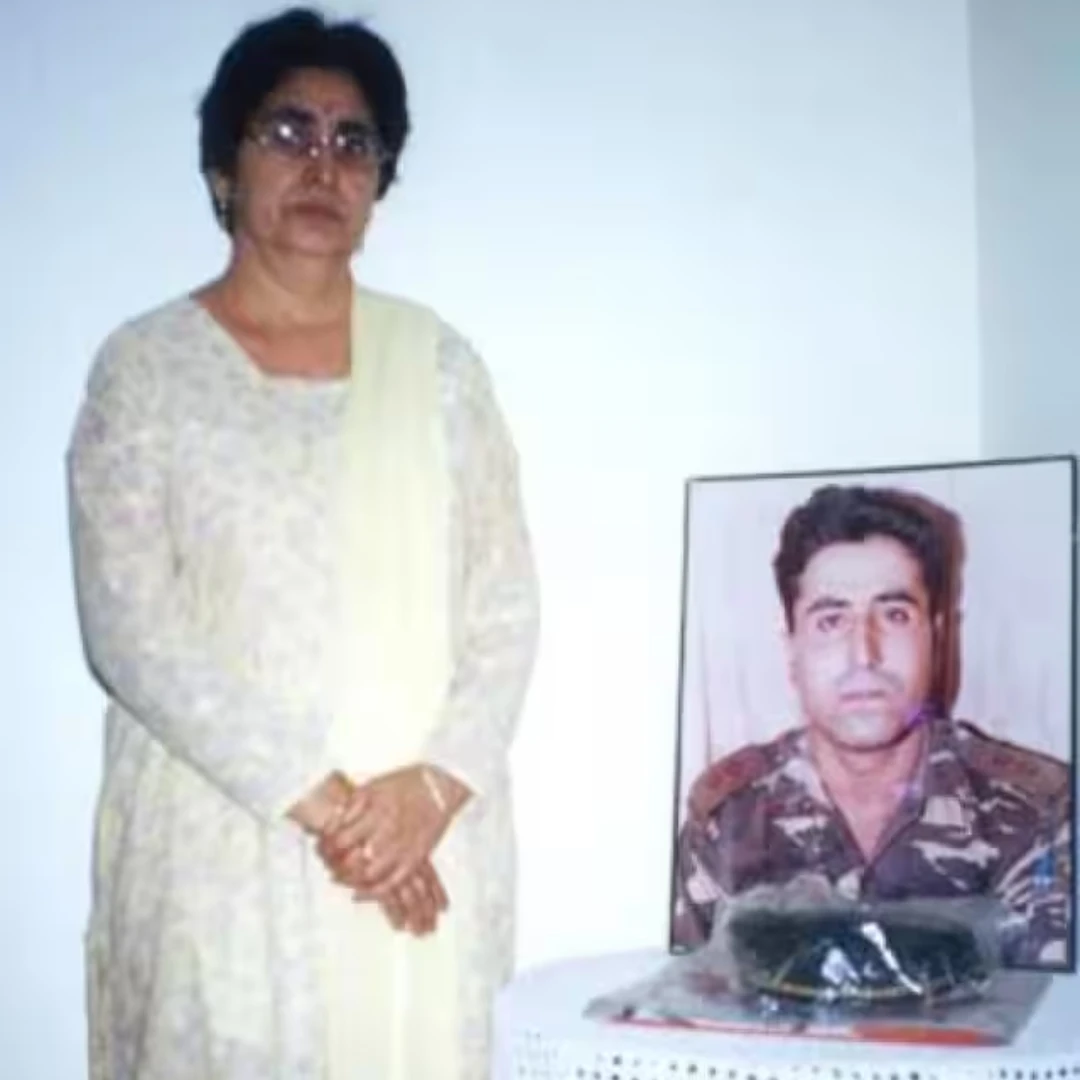
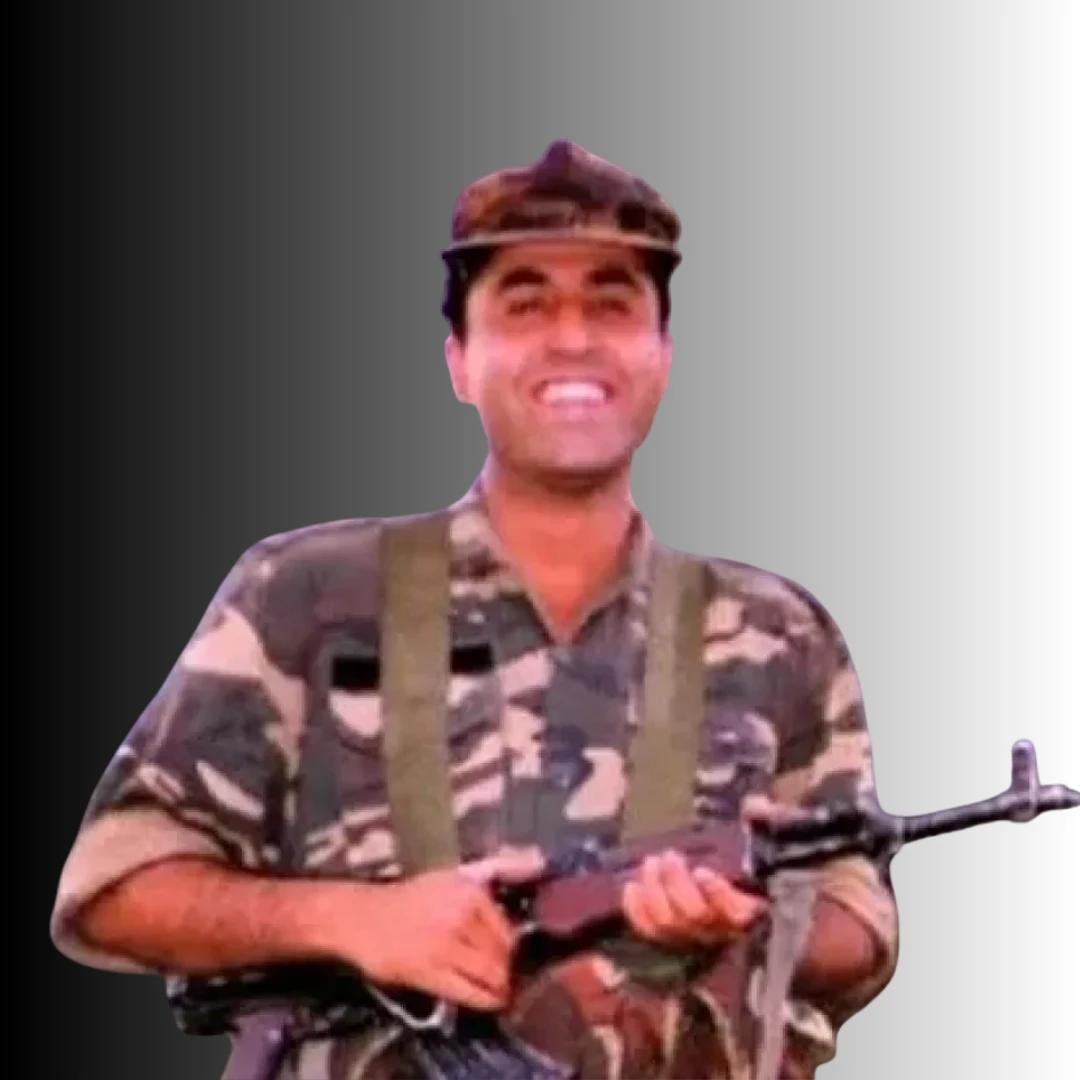
    Major Rohit Suri is one of the most respected officers of the Indian Army’s elite Special Forces. He gained national recognition for his leadership during the 2016 Uri Surgical Strike, one of India’s most significant cross-border military operations. His courage, tactical expertise, and exceptional service earned him the Kirti Chakra, India’s second-highest peacetime gallantry award. Despite his achievements, Major Rohit Suri has maintained a low public profile. As a Special Forces officer, much of his personal life remains confidential due to security reasons. However, his military accomplishments have made him an inspiration for aspiring soldiers and citizens across India.

    This article provides a detailed look at Major Rohit Suri’s biography, military career, role in the Uri Surgical Strike, awards, leadership qualities, current rank, and many more.

    Who is Major Rohit Suri?

    Major Rohit Suri is an Indian Army officer who served in the elite 4 PARA (Special Forces). He is widely known for leading one of the assault teams during the 2016 Uri Surgical Strike, conducted in response to the terrorist attack on the Indian Army camp in Uri, Jammu and Kashmir. His bravery and leadership during the operation earned him the Kirti Chakra, one of India’s highest gallantry awards. Throughout his career, he has been associated with high-risk counter-terrorism and special operations, making him one of the distinguished officers of the Indian Army.

    Major Rohit Suri Biography Overview

    ParticularDetails
    Full NameRohit Suri
    Popular NameMajor Rohit Suri
    ProfessionIndian Army Officer
    Current RankColonel (as per recent public reports)
    Previous RankMajor
    Unit4 PARA (Special Forces)
    Commissioned2004
    Famous ForLeadership during the 2016 Uri Surgical Strike
    Gallantry AwardKirti Chakra
    NationalityIndian
    ServiceIndian Army
    Years of Service2004 – Present
    ReligionNot Publicly Available
    Marital StatusNot Publicly Available
    BirthplaceNot Publicly Available

    Major Rohit Suri Early Life

    Major Rohit Suri has always kept his personal life private. Unlike many public figures, he has never shared details about his childhood, family, or upbringing. There is no officially available information regarding his birthplace, parents, siblings, or early education. This level of privacy is common among Special Forces officers, whose personal details are often kept confidential for security purposes. Although little is known about his early years, his successful military career reflects years of discipline, determination, and commitment to serving the nation.

    Major Rohit Suri Education and Military Training

    Very little information is available about Major Rohit Suri’s educational background. However, it is known that he was commissioned into the Indian Army in 2004 after completing the required officer training. Following his commissioning, he qualified for 4 PARA (Special Forces), one of the toughest and most prestigious units in the Indian Army.

    As a Special Forces officer, he completed rigorous military training that included:

    • Advanced Commando Training
    • Counter-Terrorism Operations
    • High-Altitude Warfare
    • Jungle Warfare
    • Survival and Escape Techniques
    • Night Combat Operations
    • Close Quarter Battle (CQB)
    • Long-Range Patrolling
    • Airborne Operations
    • Special Reconnaissance Missions

    The selection process for PARA (SF) is considered one of the most demanding in the Indian Army, requiring exceptional physical endurance, mental toughness, and operational skills.

    Major Rohit Suri Age & Birth Details

    The exact date of birth and age of Major Rohit Suri have not been publicly disclosed. Since he is a serving Special Forces officer, the Indian Army does not release many personal details related to its personnel for security and operational reasons. As a result, there is no verified public information confirming his exact age or birth date.

    Major Rohit Suri Height and Physical Appearance

    Major Rohit Suri’s exact height and body measurements have not been officially revealed. However, serving in the elite Special Forces requires maintaining excellent physical fitness, endurance, and combat readiness.

    FeatureDetails
    HeightNot Publicly Available
    WeightNot Publicly Available
    Hair ColorBlack
    Eye ColorDark Brown
    Fitness LevelElite Military Standard
    ProfessionIndian Army Special Forces Officer

    Like all PARA (Special Forces) officers, Major Rohit Suri has undergone years of intensive physical conditioning and specialized combat training, enabling him to perform effectively in some of the most challenging operational environments.

    What Was the Real Story of Major Rohit Suri?

    Major Rohit Suri became a nationally recognized military officer because of his courageous role in the 2016 Uri Surgical Strike. While many details of the mission remain classified, official information confirms that he led one of the Special Forces assault teams during the operation. The Surgical Strike was carried out after terrorists attacked an Indian Army brigade headquarters in Uri, Jammu and Kashmir, on 18 September 2016, resulting in the loss of 19 Indian soldiers. In response, the Indian Army planned a carefully coordinated cross-border operation to destroy terrorist launch pads across the Line of Control (LoC). As an officer of 4 PARA (Special Forces), Major Rohit Suri was entrusted with leading one of the assault teams. Operating under challenging terrain, darkness, and hostile conditions, his team successfully completed its assigned objectives and safely returned after the mission.

    His exceptional leadership, tactical planning, and courage under fire played an important role in the success of the operation. For his outstanding gallantry, he was awarded the Kirti Chakra, India’s second-highest peacetime gallantry award. Even today, many operational details remain confidential due to national security, making Major Rohit Suri’s contribution one of the most respected examples of professionalism in the Indian Army.

    Major Rohit Suri Family Background

    Major Rohit Suri has chosen to keep his family life away from the public eye. The Indian Army also does not disclose personal information about serving Special Forces officers unless officially required. As a result, there are no verified public records regarding his extended family, hometown, or family background. His recognition comes entirely from his military service and dedication to the nation rather than from public appearances or media coverage.

    Major Rohit Suri Father

    There is no publicly verified information available about Major Rohit Suri’s father. Neither the Indian Army nor Major Rohit Suri has shared details regarding his father’s name, profession, or background. Any information circulating online without official confirmation should be treated as unverified.

    Major Rohit Suri Mother

    Information about Major Rohit Suri’s mother has not been made public. His family has maintained complete privacy, and no verified sources provide details about her identity or profession.

    Major Rohit Suri Sister

    There is currently no confirmed public information regarding whether Major Rohit Suri has a sister. Since he has never discussed his family in public, it is not possible to verify such personal details.

    Major Rohit Suri Indian Army Career

    Major Rohit Suri was commissioned into the Indian Army in 2004 and began his military career as a young officer dedicated to serving the nation. After completing officer training, he volunteered for one of the toughest military units in India the Parachute Regiment (Special Forces). Successfully clearing the demanding probation process, he became part of 4 PARA (Special Forces). Throughout his career, he has participated in various counter-terrorism missions, high-risk operations, and strategic assignments in difficult operational environments. Serving in the Special Forces requires continuous training, mental resilience, and exceptional decision-making under pressure. Major Rohit Suri has demonstrated these qualities consistently throughout his service. His professionalism and battlefield experience eventually made him one of the officers selected for the historic Uri Surgical Strike.

    Joining 4 PARA (Special Forces)

    Joining 4 PARA (Special Forces) is considered one of the greatest achievements for any Indian Army officer. The selection process is extremely demanding and is known for its high dropout rate. Candidates undergo weeks of rigorous physical training, mental endurance tests, survival exercises, navigation tasks, and combat assessments before earning the coveted Special Forces badge. Major Rohit Suri successfully completed this challenging probation and became a member of one of India’s most decorated Special Forces battalions.

    As part of 4 PARA (SF), he received specialized training in:

    • Counter-terrorism operations
    • Mountain warfare
    • Jungle warfare
    • Airborne operations
    • Close Quarter Battle (CQB)
    • Hostage rescue
    • Intelligence gathering
    • Long-range reconnaissance
    • High-risk infiltration missions
    • Advanced weapon handling

    This elite training prepared him for some of the most sensitive military operations undertaken by the Indian Army.

    Major Rohit Suri and the 2016 Uri Surgical Strike

    The 2016 Uri Surgical Strike remains one of the most significant military operations in India’s recent history. Following the terrorist attack on the Army camp in Uri, the Indian Army planned a precise cross-border operation against terrorist launch pads located across the Line of Control. Major Rohit Suri was among the Special Forces officers entrusted with leading one of the assault teams during this mission.

    The operation involved:

    • Careful intelligence gathering
    • Night-time infiltration
    • Silent movement across difficult terrain
    • Simultaneous strikes on multiple targets
    • Safe extraction after mission completion

    The operation was completed successfully, demonstrating the planning, discipline, and professionalism of the Indian Army’s Special Forces. Major Rohit Suri’s leadership during this mission became one of the defining moments of his military career.

    Why Major Rohit Suri Received the Kirti Chakra

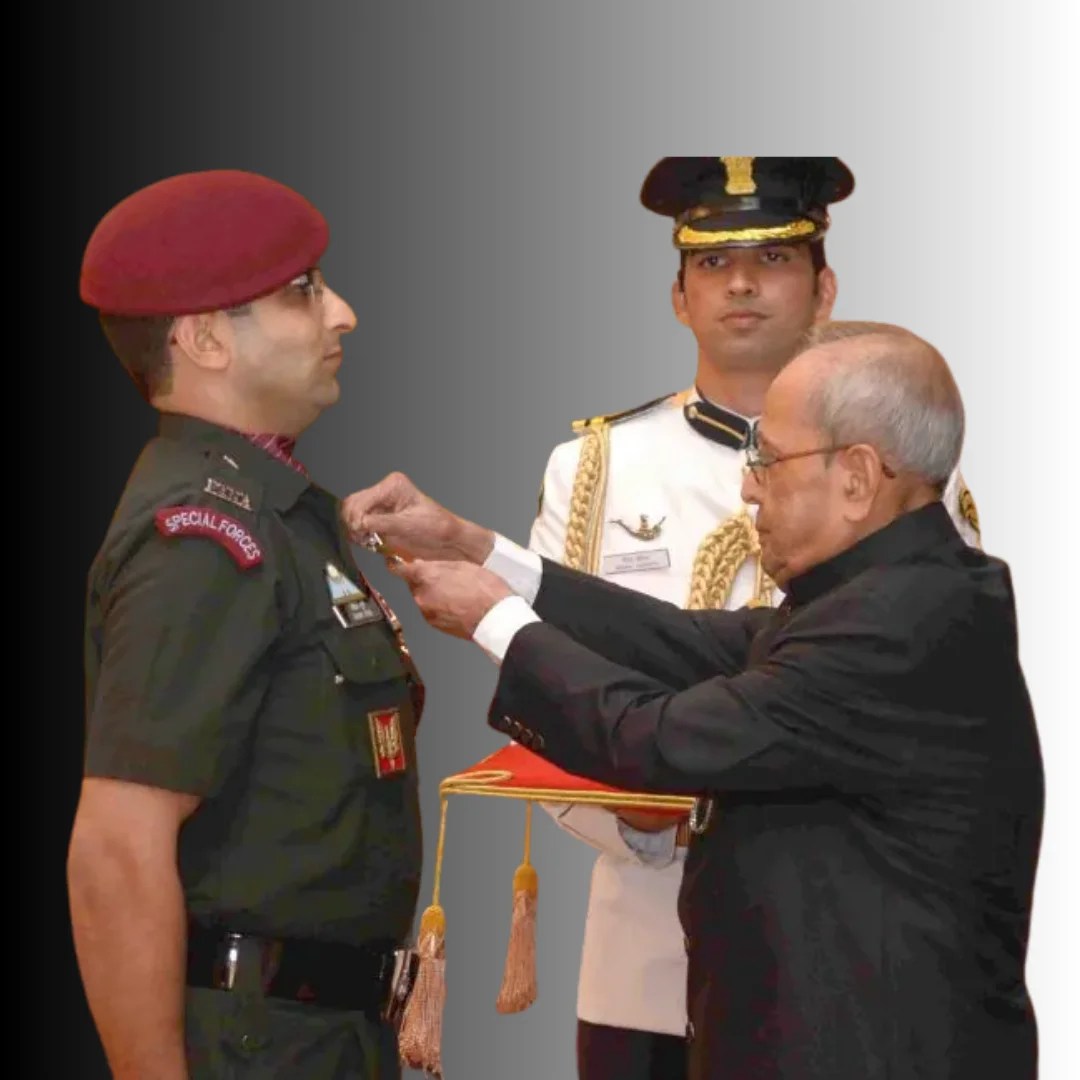
    Major Rohit Suri received the Kirti Chakra in recognition of his exceptional bravery, leadership, and devotion to duty during the Uri Surgical Strike. The award is presented to military personnel who display extraordinary courage in the face of danger during peacetime operations.

    His gallantry reflected:

    • Outstanding battlefield leadership
    • Exceptional courage under hostile conditions
    • Successful completion of a high-risk mission
    • Tactical excellence during Special Forces operations
    • Commitment to protecting national security

    Receiving the Kirti Chakra places Major Rohit Suri among a distinguished group of Indian soldiers who have demonstrated extraordinary courage in service to the nation.

    Major Rohit Suri Awards and Honours

    Major Rohit Suri has earned immense respect within the Indian Army for his bravery, professionalism, and leadership. While many of his operational achievements remain confidential, his role in the 2016 Uri Surgical Strike brought him national recognition. His most notable honour is the Kirti Chakra, awarded for displaying exceptional courage and leadership during a high-risk military operation. The award reflects his dedication to duty and his commitment to protecting the nation under extremely challenging circumstances.

    AwardDetails
    Kirti ChakraAwarded for exceptional bravery during the 2016 Uri Surgical Strike
    Military RecognitionHonoured for distinguished service in Special Forces operations
    Elite Special Forces QualificationSuccessfully completed the demanding 4 PARA (SF) selection and training

    Leadership Style and Military Achievements

    Major Rohit Suri is recognized as a disciplined and mission-focused Special Forces officer. Throughout his military career, he has demonstrated qualities that are essential for leading elite combat units in complex operational environments. His leadership style is based on careful planning, teamwork, quick decision-making, and leading from the front. These qualities are especially important in Special Forces missions, where every decision can have a significant impact on the success of an operation.

    Some of the key characteristics of his leadership include:

    • Calm decision-making under pressure
    • Excellent tactical planning
    • Strong teamwork and coordination
    • Leading soldiers by example
    • High level of physical and mental endurance
    • Commitment to mission success
    • Professionalism and discipline

    His successful participation in high-risk operations has established him as one of the respected officers of the Indian Army’s Special Forces.

    Major Rohit Suri Current Rank

    Major Rohit Suri was widely known by the rank of Major during the 2016 Uri Surgical Strike. According to recent public reports, he has since been promoted and now holds the rank of Colonel in the Indian Army. This promotion reflects his years of dedicated military service, operational experience, and leadership within the Special Forces. Like many serving officers, details regarding his assignments and responsibilities are not fully disclosed for security reasons.

    Rank Progression

    RankStatus
    LieutenantEarlier Career
    CaptainPromotion During Service
    MajorRank During Uri Surgical Strike
    ColonelCurrent Publicly Reported Rank

    Major Rohit Suri Current Rank and Present Posting

    As per publicly available information, Major Rohit Suri currently serves as a Colonel in the Indian Army. However, his current posting, operational responsibilities, and unit location have not been officially disclosed. The Indian Army generally keeps such information confidential, especially for officers associated with Special Forces units. This practice helps maintain operational security and protects personnel involved in sensitive military assignments.

    Major Rohit Suri Wife and Personal Life

    Major Rohit Suri has maintained complete privacy regarding his personal life. There is no officially confirmed public information about his marital status or wife. He has never shared details about his family through interviews or social media, and the Indian Army has also not released such information. As a result, any claims regarding his marriage or personal relationships should be considered unverified unless confirmed by official sources.

    Major Rohit Suri Brother-in-Law

    There is no verified public information available regarding Major Rohit Suri’s brother-in-law. Since his family details have not been disclosed publicly, it is not possible to confirm information about extended family members. Respecting the privacy of serving military personnel is important, and only officially available information should be considered reliable.

    Is Major Rohit Suri Alive or Not?

    Yes, based on publicly available information, Major Rohit Suri is alive and continues to be associated with the Indian Army. There have been no official reports indicating his death or any incident suggesting otherwise. As a serving or recently serving Special Forces officer, he remains a respected figure whose military contributions continue to inspire many aspiring defence personnel.

    Major Rohit Suri Net Worth & Sources of Income

    There is no officially verified information regarding Major Rohit Suri’s net worth. Unlike celebrities or business personalities, Indian Army officers do not publicly disclose their financial details. Therefore, any figures mentioned on unofficial websites should not be treated as accurate.

    Sources of Income

    SourceDetails
    Indian Army SalaryPrimary source of income during military service
    Government AllowancesIncludes eligible service-related allowances
    Military BenefitsAs per Indian Army rules and government policies
    Gallantry RecognitionNational honour, not a commercial income source

    Major Rohit Suri is known for his service to the nation rather than personal wealth, and his public recognition comes from his military achievements instead of financial success.

    Lesser-Known Facts About Major Rohit Suri

    • Major Rohit Suri was commissioned into the Indian Army in 2004.
    • Rohit Suri successfully qualified for the elite 4 PARA (Special Forces), one of the toughest units in the Indian Army.
    • Major Rohit played an important leadership role during the 2016 Uri Surgical Strike.
    • Rohit was awarded the Kirti Chakra, India’s second-highest peacetime gallantry award, for his exceptional bravery.
    • Most of his operational missions remain classified for national security reasons.
    • Rohit Suri has maintained a very private personal life and rarely appears in the media.
    • His achievements continue to inspire many young Indians preparing for a career in the armed forces.
    • Major Rohit Suri is known for his professionalism, discipline, and leadership in high-risk military operations.
    • According to recent public reports, he currently holds the rank of Colonel.
    • His contribution to India’s Special Forces has earned him lasting respect within the defence community.

    FAQs

    Who is Major Rohit Suri?

    Major Rohit Suri is an Indian Army Special Forces officer best known for his leadership during the 2016 Uri Surgical Strike. He served with 4 PARA (Special Forces) and was awarded the Kirti Chakra for his exceptional bravery.

    What is Major Rohit Suri famous for?

    He is widely known for leading one of the assault teams during the 2016 Uri Surgical Strike conducted across the Line of Control following the Uri terrorist attack.

    Which unit did Major Rohit Suri serve in?

    He served in 4 PARA (Special Forces), one of the Indian Army’s elite Special Forces battalions.

    Why did Major Rohit Suri receive the Kirti Chakra?

    He received the Kirti Chakra for displaying outstanding courage, leadership, and devotion to duty during the 2016 Uri Surgical Strike.

    What is Major Rohit Suri’s current rank?

    According to recent publicly available reports, he currently holds the rank of Colonel in the Indian Army.

    Is Major Rohit Suri still alive?

    Yes. Based on publicly available information, Major Rohit Suri is alive, and there have been no official reports suggesting otherwise.

    Who is Major Rohit Suri’s wife?

    There is no officially confirmed public information regarding Major Rohit Suri’s wife or marital status. He has kept his personal life private.

    What is Major Rohit Suri’s age?

    His exact age and date of birth have not been publicly disclosed.

    What is Major Rohit Suri’s net worth?

    There is no verified public information regarding his net worth. His primary source of income is his service as an officer in the Indian Army.

    Which gallantry award has Major Rohit Suri received?

    Major Rohit Suri has been honoured with the Kirti Chakra, India’s second-highest peacetime gallantry award.

    Conclusion

    Major Rohit Suri represents the courage, discipline, and professionalism that define the Indian Army’s Special Forces. His leadership during the 2016 Uri Surgical Strike and his receipt of the Kirti Chakra reflect his exceptional dedication to national service and operational excellence. Although much of his personal life and military assignments remain confidential, his publicly known achievements continue to inspire countless young Indians who aspire to serve the country. His career demonstrates that true leadership is built on commitment, sacrifice, and unwavering determination rather than public recognition. As a respected Special Forces officer, Major Rohit Suri’s legacy is not only measured by the awards he has received but also by his contribution to safeguarding the nation. His story stands as a powerful reminder of the bravery and dedication displayed by the men and women of the Indian Armed Forces every day.

    Also, Read About:
  • Captain Vikram Batra (PVC): Biography, Kargil War Hero, Story, Family, Wife, Regiment, Age & Param Vir Chakra

    Captain Vikram Batra (PVC): Biography, Kargil War Hero, Story, Family, Wife, Regiment, Age & Param Vir Chakra

    Captain Vikram Batra is remembered as one of India’s bravest soldiers and a true national hero. His extraordinary courage during the 1999 Kargil War made him a symbol of patriotism, sacrifice, and fearless leadership. Known by his famous call sign “Sher Shah”, Captain Batra led several successful military operations in the most difficult conditions and inspired his fellow soldiers with his determination and confidence. His iconic words, “Yeh Dil Maange More!”, became a powerful slogan that reflected his fearless attitude and unwavering commitment to serving the nation. At just 24 years of age, he made the ultimate sacrifice while protecting his comrades and defending India’s borders. For his exceptional bravery, he was posthumously awarded the Param Vir Chakra, India’s highest wartime gallantry award.

    Even decades after the Kargil War, Captain Vikram Batra continues to inspire millions of Indians through his life story, military achievements, books, documentaries, and the blockbuster film Shershaah. His journey is a shining example of courage, leadership, and selfless service to the nation.

    Who is Captain Vikram Batra?

    Captain Vikram Batra was an officer in the Indian Army’s 13 Jammu and Kashmir Rifles (13 JAK Rif). He became one of the most celebrated heroes of the Kargil War after successfully leading dangerous operations to capture strategic enemy positions in the Dras sector of Jammu and Kashmir. During the war, Captain Batra played a key role in recapturing Point 5140 and later fought bravely during the battle for Point 4875, where he laid down his life while rescuing a fellow officer and leading his troops from the front. His courage earned him the admiration of both his soldiers and commanding officers. Even the enemy reportedly referred to him by the call sign “Sher Shah”, recognizing his fearless fighting spirit. Today, Captain Vikram Batra is remembered as one of India’s greatest military heroes, and his life continues to motivate young Indians to serve the country with dedication and honor.

    Captain Vikram Batra Biography Overview

    DetailsInformation
    Full NameCaptain Vikram Batra
    NicknameLuv
    Famous AsKargil War Hero
    Call SignSher Shah
    RankCaptain
    Regiment13 Jammu and Kashmir Rifles (13 JAK Rif)
    Service NumberIC-57556
    Date of Birth9 September 1974
    Age at Martyrdom24 Years
    BirthplacePalampur, Himachal Pradesh, India
    NationalityIndian
    ProfessionIndian Army Officer
    ReligionHinduism
    FatherGirdhari Lal Batra
    MotherKamal Kanta Batra
    Twin BrotherVishal Batra
    SistersSeema and Nutan
    Marital StatusUnmarried
    GirlfriendDimple Cheema
    Famous Quote“Yeh Dil Maange More!”
    Major WarKargil War (1999)
    Highest Gallantry AwardParam Vir Chakra (Posthumous)
    Date of Martyrdom7 July 1999
    Place of MartyrdomPoint 4875, Kargil, Jammu & Kashmir

    Captain Vikram Batra Early Life & Family Details

    Captain Vikram Batra was born on 9 September 1974 in the beautiful hill town of Palampur, Himachal Pradesh. He grew up in a middle-class family that valued education, discipline, honesty, and patriotism. From a young age, Vikram displayed qualities of leadership, courage, and confidence that later defined his military career. His father, Girdhari Lal Batra, worked as a government school principal, while his mother, Kamal Kanta Batra, was a school teacher. Both parents played an important role in shaping his disciplined personality and encouraging him to pursue excellence in every field. Vikram loved outdoor activities, sports, and adventure. Whether it was table tennis, karate, or trekking through the mountains, he always enjoyed challenges. His teachers and friends often described him as energetic, cheerful, and willing to help others.

    Growing up in the scenic surroundings of Himachal Pradesh also nurtured his love for nature and strengthened his physical fitness. These experiences later proved valuable during his military training and combat operations in the mountains of Kargil. The Batra family has always spoken proudly of Vikram’s dedication to the nation. Even after his martyrdom, they continue to inspire young Indians by sharing his story of courage and sacrifice.

    Captain Vikram Batra Brother

    Captain Vikram Batra had an identical twin brother named Vishal Batra. The two brothers shared an exceptionally close bond from childhood and were often mistaken for one another because of their striking resemblance. Although they looked alike, their career paths were different. While Vikram chose to join the Indian Army and dedicate his life to serving the nation, Vishal pursued a career in the corporate sector. Vishal has frequently shared memories of his brother in interviews and public events. He recalls Vikram as fearless, optimistic, and someone who always put others before himself. According to him, Vikram believed that every challenge could be overcome with determination and courage. Following the release of the film Shershaah, Vishal Batra actively participated in events that celebrated his brother’s legacy. He continues to preserve Captain Vikram Batra’s memory and inspires young people by sharing stories about his extraordinary life.

    Captain Vikram Batra Age, Birth Date & Birthplace

    Captain Vikram Batra was born on 9 September 1974 in Palampur, a picturesque town in Himachal Pradesh known for its lush tea gardens and breathtaking views of the Dhauladhar mountain range. At the time of his supreme sacrifice during the Kargil War on 7 July 1999, he was only 24 years old. Despite his young age, he displayed remarkable leadership, tactical brilliance, and exceptional courage on the battlefield.

    InformationDetails
    Date of Birth9 September 1974
    BirthplacePalampur, Himachal Pradesh
    Age at Martyrdom24 Years
    Zodiac SignVirgo
    NationalityIndian

    Captain Vikram Batra Education & College Life

    Captain Vikram Batra completed his early education at D.A.V. Public School, Palampur, before continuing his studies at Central School (Kendriya Vidyalaya), Palampur. He was known as a bright student who actively participated in academics, sports, debates, and extracurricular activities. After finishing school, he enrolled at Government College, Palampur, where he pursued a bachelor’s degree in science. During college, he represented his institution in various sports competitions and developed strong leadership qualities. Later, Vikram joined Panjab University, Chandigarh, to pursue a master’s degree in English. While studying there, he became deeply involved with the National Cadet Corps (NCC), which played a crucial role in shaping his military ambitions.

    His performance in NCC training was outstanding. He participated in several camps and was selected for the prestigious Republic Day Parade. These experiences strengthened his desire to wear the Indian Army uniform. Although he had attractive career opportunities outside the military, Vikram believed that serving the nation was his true calling. His decision to join the Indian Army reflected his lifelong commitment to patriotism and selfless service.

    Captain Vikram Batra Height, Weight & Physical Appearance

    Captain Vikram Batra’s confident personality, athletic build, and commanding presence made him stand out among his peers. His physical fitness, discipline, and energetic nature were key factors behind his success as a military officer.

    Physical AttributeDetails
    Height5 feet 8 inches
    WeightAround 70 kg
    Eye ColourBlack
    Hair ColourBlack
    Body TypeAthletic
    PersonalityBrave, Confident, Energetic
    HobbiesTrekking, Table Tennis, Karate, Reading, Adventure Activities

    Captain Vikram Batra maintained excellent physical fitness throughout his life. His endurance, stamina, and fearless attitude enabled him to lead dangerous missions in the high-altitude terrain of the Kargil battlefield, where harsh weather and steep mountains tested every soldier’s strength.

    Captain Vikram Batra Story

    Captain Vikram Batra’s story is one of extraordinary courage, patriotism, and sacrifice. Born in the peaceful town of Palampur, Himachal Pradesh, he grew up with dreams of achieving something meaningful for his country. From an early age, he displayed confidence, leadership, and a fearless attitude that impressed everyone around him. As a student, Vikram excelled in academics, sports, and the National Cadet Corps (NCC). Although he received an attractive opportunity to work in the Merchant Navy, he chose to reject it because he believed that serving India as an Army officer was a greater honor than any high-paying civilian job. After joining the Indian Army, he was commissioned into the 13 Jammu and Kashmir Rifles (13 JAK Rif). During the 1999 Kargil War, Captain Batra became one of the leading officers responsible for recapturing strategic mountain peaks occupied by enemy forces. His fearless leadership during the capture of Point 5140 and his supreme sacrifice while fighting at Point 4875 transformed him into a national hero. His famous victory message, “Yeh Dil Maange More!”, became a symbol of courage and determination across the country. Today, Captain Vikram Batra’s story continues to inspire millions of Indians, reminding them that true heroes live for their nation and are always willing to sacrifice everything to protect it.

    Captain Vikram Batra Career Journey

    Captain Vikram Batra’s journey to becoming one of India’s greatest war heroes was built on dedication, discipline, and an unwavering desire to serve the nation. Every stage of his life prepared him for the responsibilities he would later shoulder on the battlefield.

    Career Timeline

    YearCareer Milestone
    1974Born in Palampur, Himachal Pradesh
    Early 1990sActive participation in NCC during college
    1995Rejected Merchant Navy job offer
    1996Cleared Combined Defence Services (CDS) Examination
    1996Joined Indian Military Academy (IMA), Dehradun
    December 1997Commissioned into 13 Jammu & Kashmir Rifles
    1998Posted to Sopore, Jammu & Kashmir
    1999Participated in the Kargil War
    June 1999Captured Point 5140
    July 1999Led the assault on Point 4875
    7 July 1999Martyred during combat
    15 August 1999Awarded Param Vir Chakra (Posthumous)

    Captain Batra’s career lasted only a few years, but his achievements during that short period secured his place among India’s most respected military heroes.

    Captain Vikram Batra NCC Journey

    Captain Vikram Batra’s journey toward becoming a soldier truly began during his college days when he joined the National Cadet Corps (NCC) at Panjab University. The NCC gave him practical exposure to military discipline, leadership, teamwork, and physical endurance. His outstanding performance quickly earned him recognition among his instructors and fellow cadets. One of the highlights of his NCC career was being selected for the prestigious Republic Day Parade Camp, an honor awarded only to outstanding cadets from across India.

    The rigorous NCC training strengthened his confidence and confirmed his ambition to become an officer in the Indian Army. It also taught him valuable skills in leadership, decision-making, and responsibility—qualities that later became evident during the Kargil War. Many of his instructors believed that Vikram possessed the natural qualities required of a military leader. His dedication and discipline during this period laid the foundation for his future success as an Army officer.

    Merchant Navy Offer (Rejected)

    Before joining the Indian Army, Captain Vikram Batra received an excellent career opportunity in the Merchant Navy. The job promised an attractive salary and the chance to travel internationally, making it a highly desirable career option for many young graduates. However, Vikram had a different dream. Instead of choosing financial security and a comfortable lifestyle, he decided to dedicate his life to serving India. He rejected the Merchant Navy offer because he believed that wearing the Army uniform was a greater honor.

    According to his family, Vikram once expressed his determination by saying:

    “Money is not everything. I want to do something for my country.”

    This decision proved to be one of the defining moments of his life. His choice reflected his selflessness, patriotism, and unwavering commitment to national service. Today, his decision is remembered as an inspiring example of choosing purpose over personal gain.

    Captain Vikram Batra Indian Army Career

    Captain Vikram Batra officially began his military career after successfully clearing the Combined Defence Services (CDS) Examination. He joined the prestigious Indian Military Academy (IMA), Dehradun, where he underwent rigorous military training. During training, he impressed both instructors and fellow cadets with his leadership qualities, physical fitness, and determination. On 6 December 1997, he was commissioned as a Lieutenant in the Indian Army and was allotted to the 13 Jammu and Kashmir Rifles (13 JAK Rif). His first operational posting was in Sopore, Jammu and Kashmir, where he gained valuable experience in counter-insurgency operations. The challenging environment helped him develop tactical skills and strengthened his confidence as a young officer.

    Within a short time, Captain Batra earned the respect of his seniors and the trust of the soldiers under his command because he always led from the front and never asked his men to do something he was unwilling to do himself. These qualities later played a crucial role during the Kargil War.

    13 Jammu & Kashmir Rifles (13 JAK Rif)

    Captain Vikram Batra belonged to the 13th Battalion of the Jammu and Kashmir Rifles (13 JAK Rif), one of the Indian Army’s most distinguished infantry battalions. The battalion played a decisive role during the Kargil War by participating in several high-risk operations aimed at recapturing mountain peaks occupied by enemy forces.

    About 13 JAK Rif

    DetailsInformation
    RegimentJammu and Kashmir Rifles
    Battalion13 Jammu & Kashmir Rifles
    BranchInfantry
    Commissioned6 December 1997
    First Major WarKargil War (1999)
    Famous OperationsPoint 5140, Point 4875
    Commanding Officer (Kargil War)Lieutenant Colonel Y. K. Joshi

    Under the leadership of Lieutenant Colonel Y. K. Joshi, 13 JAK Rif became one of the most successful battalions during Operation Vijay. Captain Vikram Batra emerged as one of its most courageous officers, inspiring every soldier through his fearless leadership and determination.

    Captain Vikram Batra Training at the Indian Military Academy (IMA)

    The Indian Military Academy in Dehradun transformed Vikram Batra from an ambitious young man into a disciplined Army officer. Life at the academy was physically demanding and mentally challenging. Cadets underwent extensive training in:

    • Mountain warfare
    • Weapon handling
    • Tactical planning
    • Leadership development
    • Physical endurance
    • Survival skills
    • Team coordination

    Captain Batra consistently performed well during training and developed the confidence needed to lead soldiers in difficult combat situations. His instructors admired his positive attitude and willingness to take responsibility. The academy’s motto, “Veerta Aur Vivek” (Valour and Wisdom), perfectly reflected the qualities that Captain Batra demonstrated throughout his military career.

    Captain Vikram Batra Initial Military Posting

    After receiving his commission, Lieutenant Vikram Batra was posted to Sopore in Jammu and Kashmir, an area affected by militancy and frequent security operations. The posting exposed him to real battlefield conditions much earlier than many young officers experience. He participated in counter-insurgency operations and quickly earned the confidence of both his commanding officers and fellow soldiers.

    During this period, he learned:

    • High-altitude operations
    • Combat leadership
    • Quick decision-making under pressure
    • Team coordination
    • Operational planning

    These early experiences prepared him for the much greater challenges that awaited him during the Kargil War in 1999. By the time Operation Vijay began, Captain Vikram Batra had already developed into a courageous and capable officer who inspired confidence in every member of his unit.

    Kargil War 1999

    The Kargil War of 1999 was one of the most significant military conflicts in India’s modern history. It began after Pakistani soldiers and armed infiltrators secretly occupied strategic mountain peaks on the Indian side of the Line of Control (LoC) in the Kargil, Dras, Batalik, and Mushkoh sectors of Jammu and Kashmir. To reclaim these occupied positions, the Indian Army launched Operation Vijay, while the Indian Air Force supported the mission through Operation Safed Sagar. The battles were fought at extremely high altitudes, often above 16,000 feet, where freezing temperatures, thin air, and steep rocky terrain made every operation incredibly challenging. Captain Vikram Batra and his battalion, 13 Jammu and Kashmir Rifles (13 JAK Rif), were deployed in the Dras sector. Their mission was to capture enemy-held peaks that overlooked National Highway 1A, an important supply route connecting Srinagar with Leh.

    Despite intense enemy firing and dangerous weather conditions, Captain Batra volunteered to lead several high-risk assaults. His courage and tactical leadership became a turning point in some of the most important battles of the Kargil War. The victories achieved by Captain Batra and his fellow soldiers helped India regain control of key strategic positions and contributed significantly to the success of Operation Vijay.

    Point 5140 Operation

    The battle for Point 5140 is considered one of Captain Vikram Batra’s greatest military achievements. Point 5140 was a heavily fortified enemy position located at a very high altitude. It overlooked the Srinagar–Leh Highway, making it strategically important. As long as the enemy controlled this peak, Indian troop movement remained under constant threat. Captain Vikram Batra volunteered to lead the assault despite knowing the dangers involved. Under the cover of darkness, he and his soldiers climbed steep cliffs while carrying heavy weapons and equipment. The terrain was extremely difficult, and enemy forces continuously fired machine guns and mortars. Instead of following the expected route, Captain Batra chose an unconventional path that surprised the enemy. As his team closed in, they launched a fierce attack and engaged in close-quarter combat.

    During the operation, Captain Batra personally led from the front, motivating his soldiers and neutralizing enemy bunkers one after another. His leadership inspired the entire assault team to continue advancing despite heavy resistance. After several hours of intense fighting, Indian forces successfully captured Point 5140. The victory became one of the earliest major successes of Operation Vijay.

    Following the successful mission, Captain Batra sent the now-famous radio message:

    “Yeh Dil Maange More!”

    Originally a popular advertising slogan, these words instantly became a symbol of courage, confidence, and the fighting spirit of the Indian Army.

    Point 4875 Battle

    After the success at Point 5140, Captain Vikram Batra was assigned another extremely dangerous mission the capture of Point 4875. This peak was one of the strongest enemy positions in the Kargil region. The steep cliffs, narrow ridges, and continuous enemy firing made the assault exceptionally difficult. The battle demanded extraordinary courage from every soldier involved. Captain Batra once again volunteered to lead the attack. As Indian troops advanced, they encountered fierce resistance from enemy bunkers located on higher ground. The difficult terrain forced soldiers to climb almost vertically while carrying weapons and ammunition.

    During the battle, one of the officers in the assault team was seriously injured. Captain Batra immediately moved forward to rescue him despite heavy enemy fire. According to fellow soldiers, he reportedly told a junior officer:

    “You have a family and children. Let me go first.”

    Ignoring the risk to his own life, Captain Batra charged toward the enemy position, rescued the injured officer, and continued leading the assault. While fighting courageously at close range, he was hit by enemy fire. Despite being critically wounded, he continued motivating his soldiers until he made the supreme sacrifice on 7 July 1999. Inspired by his leadership, Indian troops completed the mission and successfully captured Point 4875. Today, Point 4875 is popularly known as “Batra Top” in his honor.

    DetailsInformation
    LocationPoint 4875, Kargil
    DateJuly 1999
    Unit13 Jammu & Kashmir Rifles
    MissionCapture enemy-held strategic peak
    Captain Batra’s RoleAssault Commander
    ResultIndian Victory
    LegacyPeak later named “Batra Top”

    Captain Vikram Batra Story of “Yeh Dil Maange More!”

    Among all the moments associated with Captain Vikram Batra, none is more iconic than his famous words:

    “Yeh Dil Maange More!”

    After the successful capture of Point 5140, Captain Batra communicated the mission’s success over the radio using this phrase. At that time, it was already a well-known advertising slogan in India. However, when Captain Batra used it after achieving victory on the battlefield, the words took on an entirely new meaning. Instead of simply celebrating one success, the message reflected his determination to continue fighting until every occupied Indian position had been recaptured. The phrase quickly spread across newspapers, television channels, and military circles. It became one of the defining symbols of the Kargil War and remains closely associated with Captain Vikram Batra even today.

    For many Indians, these four words represent:

    • Fearlessness
    • Confidence
    • Patriotism
    • Determination
    • Never-give-up attitude

    Even years after the war, “Yeh Dil Maange More!” continues to inspire soldiers, students, and young people across the country.

    Call Sign “Sher Shah”

    During the Kargil War, Captain Vikram Batra was assigned the military call sign “Sher Shah.” The name perfectly suited his fearless personality and aggressive leadership style. Throughout the conflict, he consistently led assaults from the front instead of commanding from safer positions. His bold tactics and repeated victories earned him great respect among his fellow soldiers. According to several accounts from the Kargil conflict, even enemy forces recognized his courage and referred to him by the call sign “Sher Shah.” The title symbolized strength, bravery, and determination qualities Captain Batra displayed throughout every mission. Today, whenever people hear the name “Sher Shah,” they immediately remember Captain Vikram Batra and his heroic actions during the Kargil War.

    Captain Vikram Batra Wife & Personal Life

    One of the most frequently searched questions is whether Captain Vikram Batra had a wife. The answer is No. Captain Vikram Batra was never married. At the time of the Kargil War, he was only 24 years old and was fully committed to his military responsibilities. Although marriage had been discussed within the family, his untimely martyrdom on 7 July 1999 meant that those plans could never become a reality. Even today, people continue searching for information about his wife due to the popularity of his life story and the film Shershaah. However, historically, Captain Vikram Batra remained unmarried throughout his life.

    Captain Vikram Batra Girlfriend

    Captain Vikram Batra Girlfriend
    Captain Vikram Batra Girlfriend

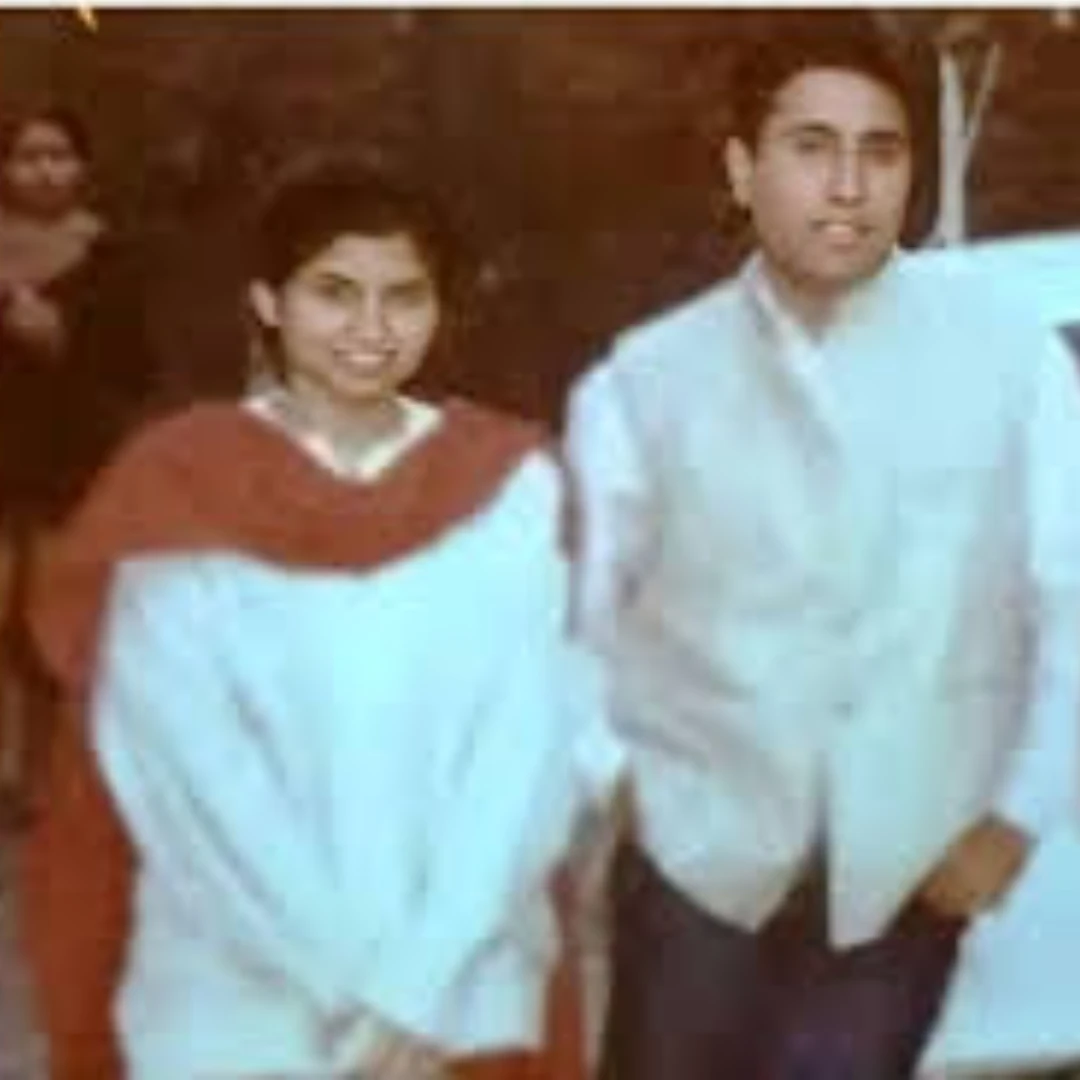
    Captain Vikram Batra shared a deep and meaningful relationship with Dimple Cheema, whom he met during his college years in Chandigarh. Their relationship was built on mutual respect, trust, and a shared dream of building a future together. Before leaving for military duty, Vikram had promised Dimple that he would return. During the Kargil War, the two remained emotionally connected despite the difficult circumstances. Sadly, Captain Batra was martyred before they could marry. After his sacrifice, Dimple Cheema chose not to marry and has remained devoted to his memory. Her unwavering commitment has become an emotional part of Captain Batra’s inspiring life story. The film Shershaah introduced this chapter of his life to a wider audience, highlighting the personal sacrifices made not only by soldiers but also by their loved ones.

    Which Indian Army Regiment Did Captain Vikram Batra Belong To?

    Captain Vikram Batra belonged to the Jammu and Kashmir Rifles, one of the oldest and most decorated infantry regiments of the Indian Army. He was commissioned into the 13th Battalion of the Jammu and Kashmir Rifles (13 JAK Rif) on 6 December 1997 after completing his training at the Indian Military Academy, Dehradun.

    During the Kargil War, 13 JAK Rif played a crucial role in recapturing strategic peaks occupied by enemy forces. Under the leadership of Lieutenant Colonel Y. K. Joshi and brave officers like Captain Vikram Batra, the battalion successfully completed several difficult missions.

    Captain Batra’s courage, leadership, and willingness to lead from the front made him one of the most respected officers of the regiment. His contributions remain an enduring source of pride for the Jammu and Kashmir Rifles and the entire Indian Army.

    Captain Vikram Batra Martyrdom (7 July 1999)

    On 7 July 1999, Captain Vikram Batra made the ultimate sacrifice while leading his troops during the fierce battle for Point 4875 in the Kargil sector. The mission was one of the most difficult operations of the war, as enemy forces occupied well-fortified positions on steep mountain ridges. During the assault, an Indian officer was seriously injured under heavy enemy fire. Without hesitation, Captain Batra moved forward to rescue him. Ignoring the danger to his own life, he advanced toward the enemy, ensuring the injured officer could be brought to safety.

    As he continued leading the attack, Captain Batra came under intense enemy fire and was fatally wounded. Even in his final moments, he inspired his soldiers to continue fighting and complete the mission. His courage motivated the troops to capture Point 4875 successfully, making the operation one of the most significant victories of the Kargil War. Captain Vikram Batra was only 24 years old when he laid down his life for the nation. His sacrifice remains one of the finest examples of bravery, leadership, and devotion to duty in the history of the Indian Army.

    Captain Vikram Batra Book

    Captain Vikram Batra’s inspiring life has been documented in several books that highlight his courage, military leadership, and contribution during the Kargil War. These books provide readers with a deeper understanding of his personality and the challenges faced by Indian soldiers during the conflict.

    BookAuthorDescription
    The Sher Shah of KargilDeepak SuranaA biography covering Captain Batra’s life, military career, and heroism.
    Kargil: Turning the TideLt Gen Mohinder PuriDiscusses the Kargil War and the role of brave officers, including Captain Batra.
    India’s Most FearlessShiv Aroor & Rahul SinghFeatures Captain Vikram Batra’s remarkable story among India’s bravest soldiers.
    The Kargil StoryDeepak SuranaDescribes the battles, military operations, and stories of Kargil heroes.

    These books continue to inspire readers by showcasing Captain Batra’s unwavering commitment to the nation and the extraordinary courage displayed during the Kargil War.

    Captain Vikram Batra Param Vir Chakra Award

    Captain Vikram Batra was posthumously awarded the Param Vir Chakra (PVC), India’s highest wartime gallantry award, for displaying exceptional bravery during the Kargil War. The award recognized his outstanding leadership during the capture of Point 5140 and his supreme sacrifice while leading the assault on Point 4875. Captain Batra repeatedly placed the mission above his own safety. He led every attack from the front, motivated his soldiers under intense enemy fire, and displayed remarkable courage throughout the conflict. On 15 August 1999, the President of India conferred the Param Vir Chakra upon Captain Vikram Batra posthumously. The award was received by his parents on behalf of their son. Today, Captain Batra’s Param Vir Chakra remains a symbol of the highest standards of courage, selflessness, and dedication in military service.

    AwardInformation
    Award NameParam Vir Chakra
    Awarded ToCaptain Vikram Batra
    Award TypeHighest Wartime Gallantry Award
    Awarded ForExceptional Courage during Kargil War
    Year Awarded1999
    StatusPosthumous

    Captain Vikram Batra Legacy & Memorials

    Captain Vikram Batra’s legacy extends far beyond the battlefield. His life and sacrifice continue to inspire generations of Indians, especially young people aspiring to join the armed forces. Several memorials, educational institutions, roads, and public places have been named in his honor. His courage is regularly remembered during Kargil Vijay Diwas celebrations and military commemorations across India. One of the most significant tributes is the naming of Point 4875 as “Batra Top.” The peak stands as a permanent reminder of his fearless leadership and supreme sacrifice. His hometown of Palampur also honors him through memorials and annual tribute programs, ensuring that future generations remember his remarkable contribution to the nation. The Indian Army frequently highlights Captain Batra’s leadership as an example for young officers undergoing military training.

    Captain Vikram Batra Movies, Books & TV Shows

    Captain Vikram Batra’s inspiring journey has been portrayed through films, documentaries, books, and television programs, allowing millions of people to learn about his extraordinary courage.

    TitleTypeYearDetails
    ShershaahFilm2021Biographical film based on Captain Vikram Batra’s life and the Kargil War.
    India’s Most FearlessBook2017Includes the detailed story of Captain Batra’s bravery.
    The Sher Shah of KargilBook2022Biography dedicated to his life and military achievements.
    Various Kargil War DocumentariesDocumentaryVariousFeature Captain Batra’s contribution during Operation Vijay.

    Among these, Shershaah introduced Captain Vikram Batra’s story to a new generation and became one of the most widely watched military biographical films in India.

    Lesser Known Facts About Captain Vikram Batra

    • Captain Vikram Batra had an identical twin brother named Vishal Batra.
    • His childhood nickname was “Luv,” while his twin brother was called “Kush.”
    • He represented his college in national-level table tennis competitions.
    • Before joining the Army, he was selected for a Merchant Navy job but rejected the offer.
    • He actively participated in the National Cadet Corps (NCC) and attended the Republic Day Parade Camp.
    • His military call sign during the Kargil War was “Sher Shah.”
    • Point 4875 was later named “Batra Top” in his honor.
    • His famous message “Yeh Dil Maange More!” became the slogan of victory during the Kargil War.
    • Captain Vikram Batra always believed in leading his soldiers from the front instead of commanding from behind.
    • His life continues to inspire thousands of candidates preparing for the Indian Armed Forces.

    Inspirational Quotes by Captain Vikram Batra

    Captain Vikram Batra’s words continue to motivate millions of Indians.

    “Yeh Dil Maange More!”

    “Either I will come back after raising the Indian flag in victory, or I will come back wrapped in it, but I will come back for sure.”

    “Live by chance, love by choice, kill by profession.”

    These quotes reflect his courage, patriotism, and commitment to serving the nation.

    Captain Vikram Batra Timeline

    YearEvent
    1974Born in Palampur, Himachal Pradesh
    1990sActive participation in NCC
    1995Rejected Merchant Navy job offer
    1996Joined Indian Military Academy
    1997Commissioned into 13 Jammu & Kashmir Rifles
    1998Posted to Sopore, Jammu & Kashmir
    May 1999Deployed for Operation Vijay
    June 1999Successfully captured Point 5140
    July 1999Led the assault on Point 4875
    7 July 1999Martyred during the Kargil War
    15 August 1999Awarded Param Vir Chakra (Posthumous)
    2021Shershaah released, bringing his story to a new generation

    FAQs

    Who was Captain Vikram Batra?

    Captain Vikram Batra was an Indian Army officer of the 13 Jammu and Kashmir Rifles who became one of the greatest heroes of the 1999 Kargil War. He was posthumously awarded the Param Vir Chakra for his exceptional bravery.

    What was Captain Vikram Batra’s famous dialogue?

    His most famous words were:
    “Yeh Dil Maange More!”
    The phrase became a symbol of courage and victory after the successful capture of Point 5140.

    Which regiment did Captain Vikram Batra belong to?

    He belonged to the 13th Battalion, Jammu and Kashmir Rifles (13 JAK Rif).

    Was Captain Vikram Batra married?

    No. Captain Vikram Batra was not married. He was in a relationship with Dimple Cheema, but they could not marry because of his martyrdom during the Kargil War.

    Why was Captain Vikram Batra called Sher Shah?

    His military call sign was “Sher Shah,” representing his fearless leadership and courageous fighting spirit during the Kargil War.

    Which award did Captain Vikram Batra receive?

    He received the Param Vir Chakra, India’s highest wartime gallantry award, posthumously in 1999.

    Where was Captain Vikram Batra martyred?

    He was martyred on 7 July 1999 during the battle for Point 4875 in the Kargil sector of Jammu and Kashmir.

    What was Captain Vikram Batra’s age at the time of martyrdom?

    Captain Vikram Batra was 24 years old when he made the supreme sacrifice for the nation.

    Conclusion

    Captain Vikram Batra’s life is a timeless example of courage, patriotism, and selfless service. From his early days in Palampur to becoming one of the most celebrated heroes of the Kargil War, every chapter of his journey reflects determination, discipline, and an unwavering love for India. His victories at Point 5140 and Point 4875, his legendary words “Yeh Dil Maange More!”, and his fearless leadership continue to inspire millions of people across the country. Although his life was tragically cut short at the age of 24, his legacy remains immortal through the Param Vir Chakra, Batra Top, books, films like Shershaah, and the countless hearts he continues to inspire. Captain Vikram Batra proved that true greatness is measured not by how long one lives, but by the courage, honor, and sacrifice one leaves behind. His story will forever remind every Indian that the spirit of patriotism and bravery never fades.

    Also, Read About:

  • Dimple Vikram Batra (Dimple Cheema): Biography, Age, Love Story with Captain Vikram Batra, Career, Family & Life After Kargil

    Dimple Vikram Batra (Dimple Cheema): Biography, Age, Love Story with Captain Vikram Batra, Career, Family & Life After Kargil

    The name Captain Vikram Batra holds a special place in the history of India for his unmatched courage during the 1999 Kargil War. Honored with the Param Vir Chakra, India’s highest wartime gallantry award, he became a symbol of bravery, patriotism, and selfless sacrifice. Along with his inspiring legacy, another name that continues to attract public interest is Dimple Cheema, popularly searched online as “Dimple Vikram Batra.”

    Although Dimple Cheema has always stayed away from public attention, her story has become an important part of Captain Vikram Batra’s legacy. Their relationship is remembered as one of the most touching real-life love stories in modern Indian history. Their bond was built on trust, respect, and commitment, making it an inspiration for millions of people across the country. After Captain Vikram Batra was martyred during the Kargil War, Dimple chose to live a quiet and private life instead of seeking media attention. Even decades later, she remains a respected personality because of her strength, dignity, and unwavering respect for the memory of the brave soldier she loved.

    Following the release of the Bollywood film Shershaah in 2021, public curiosity about Dimple Cheema increased significantly. Many people began searching for information using the keyword “Dimple Vikram Batra.” This article provides a detailed biography using only publicly available and verified information while respecting her personal privacy.

    Who Is Dimple Vikram Batra?

    Dimple Vikram Batra is the popular name by which many people know Dimple Cheema, the woman who shared a deep relationship with Captain Vikram Batra, one of India’s most celebrated Army officers. Dimple and Vikram met while studying in Chandigarh during their college years. Their friendship gradually turned into a strong and meaningful relationship. Both families reportedly accepted their relationship, and they planned to get married after Captain Vikram Batra returned from military service. Unfortunately, he laid down his life during the Kargil War before their wedding could take place.

    Many websites incorrectly mention that they were officially engaged. However, publicly available information indicates that while marriage had been planned, there is no confirmed record of an official engagement ceremony before Captain Batra left for the war. Throughout the years, Dimple Cheema has maintained a private lifestyle. She rarely appears in public, does not actively use verified social media accounts, and has never attempted to gain fame through her association with Captain Vikram Batra. Her quiet resilience and lifelong respect for his memory have earned admiration across India. Today, Dimple Cheema is remembered not as a celebrity but as a woman whose life became closely connected with the legacy of one of India’s greatest war heroes.

    Dimple Vikram Batra (Dimple Cheema) Biography Overview

    FieldDetails
    Full NameDimple Cheema
    Popularly Known AsDimple Vikram Batra
    ProfessionTeacher (Reported)
    Famous ForRelationship with Captain Vikram Batra, Param Vir Chakra awardee
    Date of BirthNot Publicly Disclosed
    AgeNot Officially Confirmed (Estimated to be in her late 40s as of 2026)
    BirthplacePunjab, India (Reported)
    HometownChandigarh/Punjab Region
    NationalityIndian
    ReligionSikhism
    EthnicityPunjabi
    SchoolNot Publicly Disclosed
    CollegeStudied in Chandigarh (Reported)
    Educational QualificationGraduate (Reported)
    Marital StatusUnmarried
    Relationship StatusWas in a relationship with Captain Vikram Batra
    Official EngagementNo publicly confirmed record
    ChildrenNone
    Current ResidenceChandigarh, India (Reported)
    Known ForHer lifelong connection with Captain Vikram Batra’s legacy
    Public Social MediaNo verified public accounts

    Dimple Vikram Batra Early Life and Background

    Unlike many public personalities, Dimple Cheema has always preferred to live away from the spotlight. Because she is a private individual, only limited verified information about her early life is available in the public domain. She has never shared details about her childhood, family background, or personal journey through interviews or social media. Dimple is believed to belong to a Punjabi Sikh family and spent most of her early years in northern India. She was raised with strong family values, simplicity, and discipline qualities that would later define her public image.

    Even after becoming widely known because of her relationship with Captain Vikram Batra, she chose to maintain the same private lifestyle. Unlike many people connected with well-known personalities, she never sought media attention or public recognition. Her quiet nature and respect for personal privacy have remained unchanged over the years.

    Education of Dimple Vikram Batra

    There is very little officially confirmed information about Dimple Cheema’s educational background. However, it is widely known that she pursued her higher education in Chandigarh, where she met Captain Vikram Batra during their college years. Their friendship began while they were students and gradually developed into a meaningful relationship. College became the place where both shared dreams about their future, careers, and family life. Although the names of her school and college have never been officially disclosed, multiple public reports suggest that she completed her graduation before beginning her professional career. Because Dimple has never publicly discussed her education, many personal academic details remain private.

    Dimple Vikram Batra Career and Profession

    Dimple Cheema has never worked in the entertainment industry, politics, or any public-facing profession. Instead, she chose a simple and respectable career in education. According to publicly available reports, she has worked as a teacher and dedicated herself to educating students. Teaching reflects the calm and disciplined personality she has displayed throughout her life. Unlike many individuals who become famous through association with public figures, Dimple never used her relationship with Captain Vikram Batra to build a public career or gain popularity. She remained committed to living a normal life with dignity and self-respect. Even today, she continues to be known more for her character than for public appearances.

    Dimple Cheema Love Story with Captain Vikram Batra

    The love story of Dimple Cheema and Captain Vikram Batra is regarded as one of the most inspiring real-life romances in India’s modern history. The two first met while studying in Chandigarh. What started as a friendship gradually grew into a deep emotional bond. As they spent more time together, they developed mutual respect, trust, and affection. Their relationship was built on understanding rather than public attention. Captain Vikram Batra was known for his cheerful personality, honesty, and unwavering dedication to serving the nation. Dimple admired his courage and determination, while Vikram deeply respected her simplicity, kindness, and support. As their relationship became stronger, both families reportedly accepted their decision to marry. They dreamed of building a future together after Vikram completed his military responsibilities.

    Whenever Captain Batra returned home during leave, he made time to meet Dimple despite his busy schedule. Their conversations often revolved around family, future plans, and the life they hoped to share after marriage. However, destiny had different plans. In 1999, Captain Vikram Batra was deployed to the Kargil War, where he led several successful military operations with extraordinary courage. Before leaving for duty, both hoped that he would return safely so they could begin a new chapter of life together.

    Marriage Plans and Relationship

    One of the most common misconceptions on the internet is that Dimple Cheema and Captain Vikram Batra were officially engaged. In reality, publicly available information indicates that while both families had accepted their relationship and marriage had been planned, there is no officially confirmed record of an engagement ceremony before Captain Batra left for the Kargil War. Their relationship was serious, and both looked forward to getting married after his return from military duty. Unfortunately, the war changed everything.

    On 7 July 1999, Captain Vikram Batra was martyred while leading his troops during the Battle of Point 4875. He sacrificed his life while rescuing a fellow officer and fighting bravely against enemy forces. His supreme sacrifice brought immense pride to the nation but also left Dimple with a lifetime of memories that would forever shape her life. Although their wedding never took place, their relationship continues to be remembered as a symbol of unconditional love, commitment, and sacrifice.

    A Love Story That Became an Inspiration

    Over the years, the story of Dimple Cheema and Captain Vikram Batra has inspired millions of Indians. Their relationship represents much more than romance—it reflects faith, loyalty, and emotional strength during one of the most difficult moments in Indian military history. The release of the film Shershaah introduced their story to a new generation. While the film brought widespread attention to their relationship, Dimple herself continued to maintain her privacy and never attempted to become a public personality. Her decision to stay away from the limelight has only strengthened the respect people have for her. Rather than speaking publicly about her personal life, she allowed Captain Vikram Batra’s legacy to remain at the center of national remembrance. Today, their story is remembered not only as a love story but also as a powerful reminder of the sacrifices made by soldiers and the families who stand behind them.

    Dimple Cheema Husband (Captain Vikram Batra) Life After the Kargil War

    The martyrdom of Captain Vikram Batra on 7 July 1999 changed Dimple Cheema’s life forever. While the nation mourned the loss of one of its bravest soldiers, Dimple faced a deeply personal loss that she chose to bear with remarkable strength and dignity. Instead of seeking public sympathy or media attention, she quietly stepped away from the spotlight. Over the years, she has rarely appeared in interviews or public events, choosing to preserve her personal memories in private. This decision has earned her immense respect from people across the country. Although her life became closely associated with one of India’s greatest war heroes, Dimple never tried to build a public identity around that relationship. She continued living a simple life, proving that true love and respect do not require public recognition.

    Why Dimple Cheema Never Married

    One of the most frequently asked questions about Dimple Cheema is why she never married after Captain Vikram Batra’s martyrdom. According to publicly available information and statements shared by people close to Captain Vikram Batra’s family, Dimple chose to remain unmarried after losing the man she had planned to spend her life with. She has never publicly explained her decision in interviews, making it clear that it is a deeply personal matter. Over the years, she has consistently maintained her privacy and never used her personal life for media attention. Her decision has often been viewed as a reflection of her lifelong emotional bond with Captain Vikram Batra. While many admire her choice, it is important to respect it as a private and personal decision rather than a subject of speculation.

    Vikram Batra Wife (Dimple Cheema) Current Profession

    Despite widespread public interest in her life, Dimple Cheema has continued to maintain a low profile. Public reports indicate that she has worked as a teacher, dedicating her career to education rather than public life. Teaching allowed her to lead a peaceful and meaningful life away from constant media attention. She has never entered politics, the entertainment industry, or social media influencing. Instead, she has remained committed to her profession and personal values. Because she values her privacy, very little information about her present workplace or professional activities has been made public.

    Dimple Cheema Current Residence

    Dimple Cheema is believed to be living in Chandigarh, India, where she has spent much of her adult life. She has intentionally kept her personal address and day-to-day life private. This privacy has helped her maintain a normal lifestyle despite continued public interest. No verified reports provide additional details about her residence, and her personal privacy continues to be respected by the media and the public.

    Vikram Batra Wife Family Details

    Dimple Cheema has never publicly disclosed detailed information about her family members. The identities of her parents, siblings, and other relatives have remained private throughout the years. Unlike many public personalities, she has always protected her family from unnecessary media attention. This decision reflects her long-standing commitment to maintaining a peaceful personal life away from public curiosity.

    Dimple Vikram Batra Net Worth and Sources of Income

    Since Dimple Cheema is a private individual and not a celebrity or public personality, there is no officially verified information regarding her net worth. Several websites publish estimated figures, but none of these claims are supported by authentic or official records. Her known source of income has primarily been her reported career as a teacher. Beyond this, no verified information is available regarding business interests, investments, or other financial assets. For this reason, any specific net worth figure should be treated as speculation rather than confirmed information.

    Unknown Facts About Dimple Cheema

    • Her real name is Dimple Cheema, while “Dimple Vikram Batra” is simply a popular search term used by the public.
    • Dimple Cheema has maintained an extremely private lifestyle for more than two decades.
    • Dimple Vikram Batra is not active on any verified public social media platform.
    • Dimple has never written a book or memoir about her relationship with Captain Vikram Batra.
    • Despite receiving nationwide recognition, she has avoided television interviews and media publicity.
    • Vikram Batra reportedly continued her teaching profession instead of choosing a public career.
    • Her story inspired millions after being portrayed in the 2021 Bollywood film Shershaah.
    • Dimple Cheema has always shown deep respect for Captain Vikram Batra’s legacy without seeking personal recognition.

    Controversy

    Unlike many personalities connected with famous public figures, Dimple Cheema has never been involved in any personal or public controversy. However, one common misconception frequently seen on the internet is that she was Captain Vikram Batra’s legal wife or officially engaged to him. Publicly available information indicates that while both families had accepted their relationship and marriage was planned, there is no confirmed record of an official engagement ceremony before Captain Batra left for the Kargil War. Apart from this misunderstanding, Dimple Cheema has maintained a dignified public image throughout her life. Her decision to stay away from unnecessary publicity has helped her remain one of the most respected private individuals associated with India’s military history.

    Legacy and Public Recognition

    Although Dimple Cheema has never sought fame, her story has become an important part of Captain Vikram Batra’s legacy. The release of Shershaah introduced her story to a new generation, allowing millions of people to understand the emotional sacrifices made not only by soldiers but also by the loved ones they leave behind. Today, Dimple is remembered as a symbol of quiet strength, loyalty, and grace. Her life reflects the emotional side of military service, reminding people that behind every brave soldier stands a family whose sacrifices often remain unseen. Her unwavering commitment to preserving Captain Vikram Batra’s memory continues to inspire people across India and serves as a lasting example of love, resilience, and dignity.

    Dimple Cheema Timeline

    YearEvent
    Late 1970sDimple Cheema was born in Punjab, India (exact date not publicly disclosed).
    Early 1990sPursued higher education in Chandigarh.
    College YearsMet Vikram Batra while studying in Chandigarh. Their friendship gradually developed into a serious relationship.
    Mid-1990sBoth families reportedly accepted their relationship, and they planned to marry after Vikram completed his military duties.
    1997Vikram Batra was commissioned as a Lieutenant in the Indian Army after completing his military training.
    1999 (May–July)Captain Vikram Batra actively participated in the Kargil War and successfully led several important military operations.
    7 July 1999Captain Vikram Batra was martyred during the Battle of Point 4875 while rescuing a fellow officer and fighting enemy forces.
    1999–PresentDimple Cheema chose to remain unmarried and continued living a private life away from the media.
    2021The release of the Bollywood film Shershaah brought renewed public attention to the love story of Dimple Cheema and Captain Vikram Batra.
    2026Dimple Cheema continues to maintain a private life and remains one of the most respected figures associated with Captain Vikram Batra’s legacy.

    FAQs

    Who is Dimple Vikram Batra?

    Dimple Vikram Batra is the popular name used for Dimple Cheema, who was in a long-term relationship with Param Vir Chakra awardee Captain Vikram Batra. Although they planned to marry, Captain Batra was martyred during the Kargil War before their wedding could take place.

    What is Dimple Cheema’s real name?

    Her real name is Dimple Cheema. The name “Dimple Vikram Batra” is commonly used by people searching for information about her connection with Captain Vikram Batra.

    Is Dimple Cheema married?

    No. Dimple Cheema has never married.

    Were Dimple Cheema and Captain Vikram Batra officially engaged?

    There is no publicly verified record confirming that they had an official engagement ceremony. However, both families had reportedly accepted their relationship, and they planned to marry after Captain Vikram Batra returned from military service.

    Why did Dimple Cheema never marry?

    According to publicly available information, Dimple Cheema chose to remain unmarried after Captain Vikram Batra’s martyrdom. She has never publicly explained her decision, making it a deeply personal matter.

    What is Dimple Cheema’s profession?

    Public reports suggest that Dimple Cheema has worked as a teacher. She has always preferred a private professional life away from media attention.

    Where does Dimple Cheema live now?

    She is believed to reside in Chandigarh, India. However, she has never publicly disclosed details about her personal residence.

    Does Dimple Cheema have children?

    No. There is no public information indicating that Dimple Cheema has children.

    Is Dimple Cheema active on social media?

    No verified public social media accounts belonging to Dimple Cheema are known.

    Did the movie Shershaah portray Dimple Cheema’s story?

    Yes. The 2021 Bollywood film Shershaah portrayed the love story between Captain Vikram Batra and Dimple Cheema, introducing their relationship to a new generation of viewers.

    Conclusion

    Dimple Cheema’s story is one of quiet courage, unwavering loyalty, and lifelong dignity. While Captain Vikram Batra became a national hero for his extraordinary bravery during the Kargil War, Dimple chose a path away from public attention, preserving her memories with grace and resilience. Despite widespread public curiosity, she has consistently maintained her privacy and never sought recognition through media appearances or publicity. Her decision to lead a simple life reflects the strength of her character and the deep respect she continues to hold for Captain Vikram Batra’s legacy. Although many details of her personal life remain undisclosed, Dimple Cheema continues to be admired across India as a symbol of love, commitment, and emotional strength. Her story reminds us that behind every brave soldier is a family whose sacrifices often remain unseen, making her journey an enduring part of India’s military history.

    Also, Read About:

  • Col Santosh Babu MVC Biography: Age, Family, Wife, Children, Army Career, Galwan Martyrdom & Maha Vir Chakra

    Col Santosh Babu MVC Biography: Age, Family, Wife, Children, Army Career, Galwan Martyrdom & Maha Vir Chakra

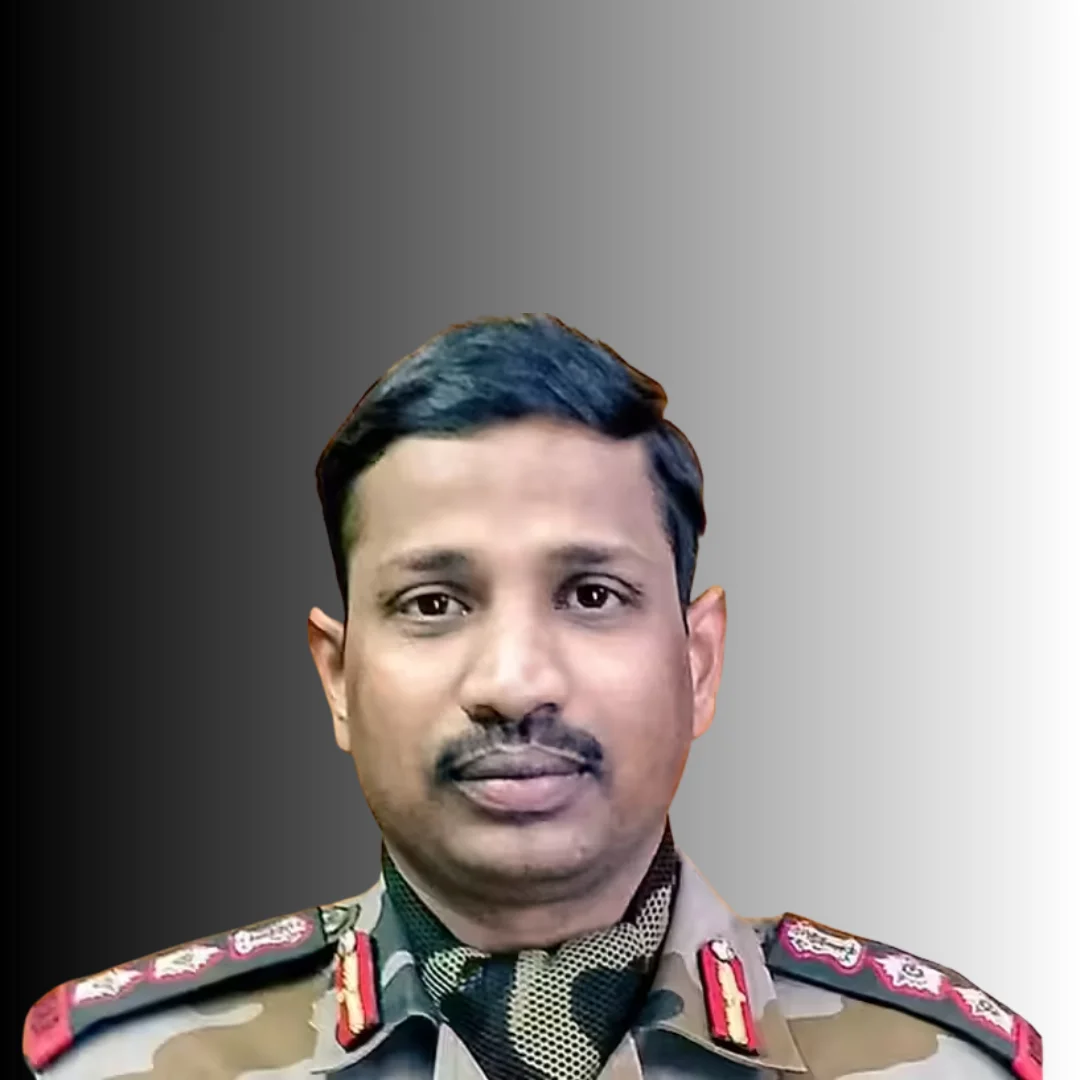
    Colonel Bikkumalla Santosh Babu MVC was a brave Indian Army officer whose name became closely associated with courage, leadership and sacrifice after the Galwan Valley clash of June 2020. He served as the Commanding Officer of the 16th Battalion, The Bihar Regiment, and was leading his troops during the violent confrontation between Indian and Chinese forces in eastern Ladakh. Colonel Santosh Babu was killed in action on the night of 15 June 2020 while leading his soldiers. For his exceptional courage, leadership and devotion to duty, he was awarded the Maha Vir Chakra posthumously, India’s second-highest wartime gallantry award. His journey from Suryapet in Telangana to becoming a Colonel in the Indian Army is remembered as an inspiring story of discipline, determination and service to the nation.

    Who Was Colonel Santosh Babu?

    Colonel Santosh Babu was an Indian Army officer who commanded the 16 Bihar Regiment during the 2020 India-China border crisis. He had more than 15 years of military experience and had served in different operational and professional assignments before taking command of his battalion. His career included service in Jammu and Kashmir, a United Nations peacekeeping assignment in the Democratic Republic of the Congo and an instructional role at the National Defence Academy. He became particularly well known after the Galwan Valley clash, where he led his troops from the front despite the extremely dangerous circumstances.

    Santosh Babu Biography Overview

    Biography DetailsInformation
    Full NameColonel Bikkumalla Santosh Babu
    Commonly Known AsColonel Santosh Babu
    Date of Birth13 February 1983
    BirthplaceSuryapet, Telangana
    NationalityIndian
    ProfessionIndian Army Officer
    RankColonel
    Regiment16 Bihar Regiment
    NDA105th Course
    Army Commission10 December 2004
    WifeSantoshi
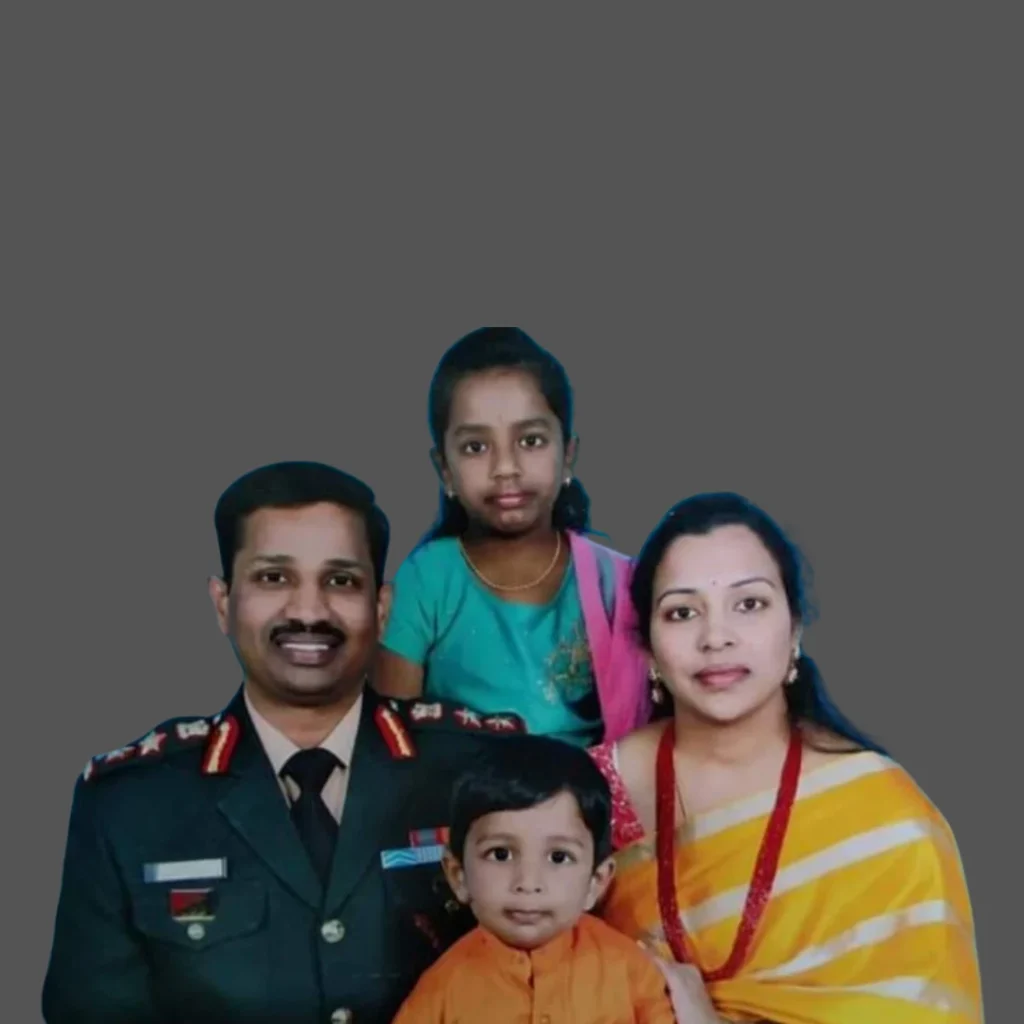
    ChildrenAbhigna and Anirudh
    Major Service AreasJammu & Kashmir, Congo, Ladakh
    Command16 Bihar Regiment
    Date of Martyrdom15 June 2020
    Place of MartyrdomGalwan Valley, Eastern Ladakh
    Age at Death37 years
    Gallantry AwardMaha Vir Chakra, Posthumous

    Santosh Babu Age and Birth Details

    Colonel Santosh Babu was born on 13 February 1983 in Suryapet, Telangana. He was 37 years old when he was killed during the Galwan Valley clash in June 2020. His birthplace, Suryapet, later became an important centre for tributes to the Army officer. People from the town gathered to pay their final respects when his mortal remains were brought back to Telangana. His life story is particularly remembered in Telangana because he rose from a local family background to one of the most respected military positions in the country.

    Colonel Santosh Babu Caste

    There is no need to assign an unverified caste identity to Colonel Santosh Babu. Reliable public military and government records focus on his service, military career, leadership and gallantry, rather than his caste. Therefore, his caste should not be stated as a confirmed biographical fact unless supported by an authoritative source. His legacy is primarily connected with his contribution to the Indian Army and his sacrifice at Galwan.

    Santosh Babu Full Name and Nickname

    His full name is Colonel Bikkumalla Santosh Babu.

    He is commonly referred to as:

    • Colonel Santosh Babu
    • Col. Santosh Babu
    • B. Santosh Babu
    • Colonel Bikkumalla Santosh Babu
    • Col Santosh Babu MVC

    A separate official childhood nickname is not widely documented in reliable public records, so unofficial names should not be presented as confirmed facts.

    Santosh Babu Family and Parents

    Colonel Santosh Babu was the son of Bikkumalla Upender and Bikkumalla Manjula. His father was associated with the banking sector and later retired, while his mother remained closely involved with the family. The family was based in Suryapet, Telangana. His parents were devastated by his death but publicly expressed pride in their son’s service and sacrifice. Contemporary reports described the family as proud that he had given his life serving the country. The loss was especially significant because Santosh Babu was the only son of his parents.

    Colonel Santosh Babu Childhood & Early Life

    Santosh Babu grew up in Suryapet and developed an interest in a disciplined career at an early age. He studied at Sri Saraswathi Shishumandir School in Luxettipet during his early school years before moving to Sainik School Korukonda. His education at Sainik School became an important step toward his military career. The environment at the school introduced him to discipline, physical training, leadership and the values associated with military service. His academic journey eventually took him to the National Defence Academy and later the Indian Military Academy.

    Colonel Bikkumalla Santosh Babu Height & Physical Stats

    Physical DetailInformation
    HeightNot officially verified
    WeightNot reliably documented
    Eye ColourNot officially documented
    Hair ColourNot officially documented
    Age at Martyrdom37 years
    Physical FitnessTrained Indian Army Officer

    Col Santosh Babu MVC Schooling – Sainik School Korukonda

    Sainik School Korukonda played an important role in Santosh Babu’s development. He studied at the school in Andhra Pradesh and completed his schooling there before moving toward professional military training. Sainik School provided him with an environment focused on academics, discipline, leadership and preparation for defence services. His association with the institution continued even after he joined the Army. The school later remembered him as one of its distinguished alumni. His journey from Sainik School Korukonda to NDA and eventually to the rank of Colonel demonstrates how strongly his early education shaped his career.

    B. Santosh Babu NDA and Indian Military Academy

    After completing his schooling, Santosh Babu joined the National Defence Academy. He was part of the 105th NDA Course. After completing his NDA training, he proceeded to the Indian Military Academy in Dehradun for further military training. His military education prepared him for the responsibilities of an Indian Army officer. He was eventually commissioned into the Indian Army on 10 December 2004. This marked the beginning of a military career that would later take him to several challenging operational environments.

    Santosh Babu Matter in Telugu

    Colonel Bikkumalla Santosh Babu was a brave Indian Army officer from Suryapet, Telangana. He served as the Commanding Officer of the 16 Bihar Regiment and became widely known for his leadership during the Galwan Valley clash in June 2020. Born on 13 February 1983, Santosh Babu completed his education at Sainik School Korukonda before joining the National Defence Academy. He later trained at the Indian Military Academy and was commissioned into the Indian Army in 2004. During his military career, he served in different operational areas and also participated in a United Nations peacekeeping mission in the Democratic Republic of the Congo. In December 2019, he took command of the 16 Bihar Regiment. A few months later, he was deployed in eastern Ladakh during a period of serious tension along the India-China border.

    On the night of 15 June 2020, Santosh Babu led his soldiers during the Galwan Valley confrontation. Despite sustaining serious injuries, he continued to lead and control his troops. He was killed during the confrontation at the age of 37. For his exceptional courage and leadership, he was awarded the Maha Vir Chakra posthumously. His journey from Suryapet to becoming a Colonel in the Indian Army continues to inspire young people across Telangana and India.

    Col. Santosh Babu Indian Army Mein Joining

    Colonel Santosh Babu was commissioned into the Indian Army on 10 December 2004. He joined the 16 Bihar Regiment, beginning a military career that would eventually take him through several demanding assignments. During his service, he gained experience in operational areas and developed the leadership skills required to command troops. His career was not limited to frontline deployment. He also served as an instructor and took part in an international peacekeeping mission. These experiences helped prepare him for the responsibilities he later carried as a battalion commander.

    Santosh Babu Military Career & Postings

    Santosh Babu served in several challenging assignments during his military career. His service included operational experience in Jammu and Kashmir and a deployment with the United Nations peacekeeping mission in the Democratic Republic of the Congo. He also served as an instructor at the National Defence Academy.

    His career therefore included a combination of:

    • Field operations
    • Counter-insurgency experience
    • International peacekeeping
    • Military instruction
    • Command responsibilities

    By the end of his career, he had developed extensive professional experience and had risen to the rank of Colonel.

    Colonel Bikkumalla Santosh Babu 16 Bihar Regiment

    The 16 Bihar Regiment was the regiment with which Colonel Santosh Babu’s military career was closely associated. He was commissioned into the regiment in 2004 and later became its Commanding Officer. He took command of the battalion in December 2019, just months before the Galwan Valley clash. As Commanding Officer, he was responsible for leading his soldiers and making operational decisions in one of the most strategically sensitive areas along the India-China border. His leadership during the Galwan confrontation became the defining chapter of both his career and the regiment’s modern history.

    UN Peacekeeping Mission in Congo

    One of the important but less widely discussed parts of Santosh Babu’s career was his service in the Democratic Republic of the Congo as part of a United Nations peacekeeping mission. UN peacekeeping assignments expose military personnel to complex environments involving security operations, humanitarian concerns and cooperation with forces from different countries. Santosh Babu gained valuable international operational experience during this assignment. His Congo deployment was another important stage in the development of the leadership qualities that later became evident during his command in eastern Ladakh.

    Awards & Gallantry

    The most prestigious award associated with Colonel Santosh Babu is the Maha Vir Chakra. The award was given to him posthumously for exceptional bravery during the Galwan Valley clash. The official citation recognised his leadership and courage during the confrontation. Despite sustaining serious injuries, he continued directing his troops and remained at the forefront of the operation. His actions demonstrated exceptional courage under extreme circumstances.

    B. Santosh Babu Colonel Rank

    Santosh Babu had reached the rank of Colonel by the time he took command of the 16 Bihar Regiment. Achieving the rank required years of military service, professional training and leadership experience. As a Colonel and Commanding Officer, he carried responsibility for the battalion and the soldiers serving under him. His leadership during the Galwan clash later became the central reason for his posthumous Maha Vir Chakra.

    Galwan Valley Role

    The Galwan Valley confrontation took place in eastern Ladakh during a period of heightened India-China border tensions. Colonel Santosh Babu was leading the 16 Bihar Regiment during the operation. According to the gallantry citation, he personally planned and organised the operation and briefed his troops before moving into the area. The situation subsequently escalated into a close-quarters confrontation. The official account records that the opposing soldiers used sharp weapons and heavy stone pelting. Despite being seriously injured, Colonel Babu continued exercising command and control. His decision to remain at the front and continue leading his soldiers became a major part of his gallantry citation.

    How Did Colonel Santosh Babu Die?

    Colonel Santosh Babu was killed during the Galwan Valley clash on the night of 15 June 2020. The confrontation involved Indian and Chinese troops in eastern Ladakh and developed into close physical combat. According to the official gallantry citation, Colonel Babu suffered serious injuries but continued leading his troops. He eventually succumbed to his injuries during the confrontation. His death at the age of 37 made him one of the most prominent Indian military figures associated with the Galwan Valley clash.

    Col Santosh Babu MVC 15 June 2020 Martyrdom

    15 June 2020 became the defining date of Colonel Santosh Babu’s legacy. The Galwan Valley clash resulted in the deaths of Indian soldiers, including the commanding officer of the 16 Bihar Regiment. Colonel Babu’s sacrifice received national attention because he was leading his troops when the confrontation occurred. The Indian Army and the Government of India later formally recognised his courage through the Maha Vir Chakra. His name was also remembered by his educational institutions and military fraternity.

    Santosh Babu Wife and Children

    Santosh Babu Wife and Children
    Santosh Babu Wife and Children

    Colonel Santosh Babu was married to Santoshi.

    The couple had two children:

    • Daughter – Abhigna
    • Son – Anirudh

    Contemporary reports stated that his wife and children were living in Delhi at the time of his death. His family travelled to Telangana after his mortal remains were brought back. The loss was particularly difficult for his wife and young children, who had to face the sudden death of a husband and father.

    Santosh Babu Wife & Family After His Death

    Following Colonel Santosh Babu’s martyrdom, his wife Santoshi became closely associated with his public legacy. Reports stated that the Telangana government provided support to the family and later appointed her as a Deputy Collector in the state’s revenue department. His children have also remained an important part of public remembrance of his sacrifice. The story of his family highlights the personal cost behind a soldier’s service and sacrifice.

    Maha Vir Chakra

    The Maha Vir Chakra (MVC) is India’s second-highest wartime gallantry award. Colonel Bikkumalla Santosh Babu was awarded the Maha Vir Chakra posthumously. The official government record lists him as: IC-64405M Colonel Bikkumalla Santosh Babu, 16th Battalion, The Bihar Regiment (Posthumous). The award recognised his exceptional courage and leadership during the Galwan Valley clash. His family later received the honour on his behalf. The Maha Vir Chakra became the highest formal recognition of the courage he displayed during his final operation.

    Colonel Santosh Babu Regiment

    Colonel Santosh Babu belonged to the 16 Bihar Regiment of the Indian Army. The regiment was an important part of his entire military journey. He joined the regiment after receiving his commission and eventually rose to become its Commanding Officer. His final posting with the regiment placed him in eastern Ladakh during the 2020 border crisis. The regiment’s role in the Galwan confrontation and the sacrifice of its soldiers remain important parts of its military history.

    Col Santosh Babu MVC Last Rites

    After his death, Colonel Santosh Babu’s mortal remains were brought back to Telangana. They were received with military honours before being taken to his native Suryapet. His final rites were conducted with full military honours. Large numbers of people gathered to pay their respects to the fallen officer. For the people of Suryapet, the funeral was not only a military ceremony but also a deeply emotional moment for the family and community.

    Memorials and Tributes

    Colonel Santosh Babu has been remembered through several tributes. The National Defence Academy honoured him by including his name in its Hut of Remembrance, recognising his sacrifice as an alumnus. His school, Sainik School Korukonda, has also remembered him as a distinguished former student. In Telangana, public commemorations have continued to honour his contribution and sacrifice. His name is now strongly associated with courage, military leadership and the Galwan Valley clash.

    Santosh Babu Story

    The story of Colonel Santosh Babu began far away from the high-altitude battlefield of Ladakh. He grew up in Suryapet, Telangana, and received his early education before entering Sainik School Korukonda. His next steps took him to the National Defence Academy and Indian Military Academy. After joining the Indian Army in 2004, he served in different operational environments and gained experience through field assignments, peacekeeping and military instruction. In December 2019, he took command of the 16 Bihar Regiment. Only a few months later, he found himself leading troops during a serious confrontation in Galwan Valley. On the night of 15 June 2020, his leadership was tested under extraordinary circumstances. He remained with his soldiers even after being seriously injured and continued to exercise command. His final act of leadership became the defining chapter of his life.

    Santosh Babu Movie

    Colonel Santosh Babu’s story and the Galwan Valley clash have attracted considerable attention from the Indian film industry. Salman Khan’s war drama was initially announced under the title Battle of Galwan. The project drew public interest because it was connected to the real events of the 2020 Galwan Valley clash. However, the film should not automatically be treated as a documentary account of Colonel Santosh Babu’s life. A cinematic story based on real events can contain fictionalised characters, scenes and narrative elements. In March 2026, the film was officially renamed Maatrubhumi: May War Rest in Peace. The title change generated renewed public discussion about the movie and its connection with the Galwan events.

    Santosh Babu Movie Controversy

    Most of the controversy associated with Colonel Santosh Babu in popular culture has been connected to the proposed film based on the Galwan Valley events. The original title Battle of Galwan led many people to associate the movie directly with the real-life battle and Colonel Santosh Babu. The project was later renamed Maatrubhumi: May War Rest in Peace. Because the film is a cinematic interpretation of events, readers should distinguish between the documented military record of Colonel Santosh Babu and the fictional elements that may appear in the movie. The real Colonel Santosh Babu’s life should be understood through military records, government announcements and credible historical reporting rather than through a film alone.

    Interesting Facts About Santosh Babu

    • Colonel Santosh Babu was born in Suryapet, Telangana.
    • Santosh Babu studied at Sainik School Korukonda.
    • Col Santosh Babu MVC was part of the 105th NDA Course.
    • Col Santosh Babu was commissioned into the Indian Army in 2004.
    • B. Santosh Babu belonged to the 16 Bihar Regiment.
    • Santosh Babu served in the Democratic Republic of the Congo as part of a UN peacekeeping mission.
    • Col Santosh Babu MVC also served as an instructor at the National Defence Academy.
    • Santosh Babu became Commanding Officer of the 16 Bihar Regiment in December 2019.
    • B. Santosh Babu was only 37 years old when he died.
    • Col Santosh Babu was awarded the Maha Vir Chakra posthumously.
    • Santosh Babu was married to Santoshi.
    • He had two children, Abhigna and Anirudh.
    • His name was included in the NDA Hut of Remembrance.
    • His final military assignment was in eastern Ladakh.
    • His sacrifice became one of the most remembered stories from the 2020 Galwan Valley clash.

    Why Is Colonel Santosh Babu Remembered?

    Colonel Santosh Babu is remembered not only because he died in the Galwan Valley clash but because of the way he performed his duty. As a Commanding Officer, he had responsibility for the soldiers under his command. During the confrontation, he remained at the forefront and continued leading despite serious injuries. His conduct demonstrated the qualities expected from a military leader: courage, responsibility, discipline and commitment to his troops. His posthumous Maha Vir Chakra formally recognised these qualities.

    Santosh Babu Legacy

    Colonel Santosh Babu’s legacy can be understood through several aspects of his life.

    Military Legacy

    He is remembered within the Indian Army for his leadership and courage as the Commanding Officer of 16 Bihar Regiment.

    Educational Legacy

    His journey from Sainik School Korukonda to NDA and eventually to the rank of Colonel has made his story inspirational for students interested in joining the armed forces.

    Family Legacy

    His wife and two children remain an important part of his personal story and public remembrance.

    Telangana Legacy

    Suryapet and the wider Telangana community continue to remember him as a son of the state who sacrificed his life while serving the country.

    National Legacy

    His name has become closely associated with the Galwan Valley clash and the sacrifices made by Indian soldiers during the 2020 border crisis.

    Controversy Around Colonel Santosh Babu

    There is no major established personal controversy surrounding Colonel Santosh Babu’s military career. Most controversy connected with his name has emerged around media coverage and the cinematic portrayal of the Galwan Valley events. Another issue is the circulation of unverified information about his personal life, including claims about caste, height, nicknames and other private details. A reliable biography should distinguish between documented facts and claims that cannot be independently verified. His military service and gallantry award remain well documented through official records.

    FAQs

    Who was Colonel Santosh Babu?

    Colonel Bikkumalla Santosh Babu was an Indian Army officer and Commanding Officer of the 16 Bihar Regiment who was killed during the Galwan Valley clash in June 2020.

    When was Santosh Babu born?

    He was born on 13 February 1983 in Suryapet, Telangana.

    How old was Santosh Babu when he died?

    He was 37 years old when he was killed in the Galwan Valley clash.

    When did Santosh Babu join the Indian Army?

    He was commissioned into the Indian Army on 10 December 2004.

    Which regiment did Santosh Babu belong to?

    He belonged to the 16 Bihar Regiment, officially listed as the 16th Battalion, The Bihar Regiment.

    What was Santosh Babu’s rank?

    He was a Colonel and was serving as the Commanding Officer of 16 Bihar Regiment when he died.

    Where did Colonel Santosh Babu die?

    He died during the Galwan Valley clash in eastern Ladakh.

    How did Colonel Santosh Babu die?

    He was killed during the close-quarters confrontation between Indian and Chinese troops on the night of 15 June 2020. According to his official gallantry citation, he continued leading his troops despite sustaining serious injuries.

    Which award did Santosh Babu receive?

    He received the Maha Vir Chakra posthumously for his exceptional courage and leadership during the Galwan Valley clash.

    Who was Santosh Babu’s wife?

    His wife was Santoshi.

    How many children did Santosh Babu have?

    He had two children, a daughter named Abhigna and a son named Anirudh.

    Where did Santosh Babu study?

    He studied at Sainik School Korukonda, followed by the National Defence Academy and Indian Military Academy.

    Was Santosh Babu an NDA alumnus?

    Yes. He was part of the 105th NDA Course and later also served as an instructor at the National Defence Academy.

    Did Santosh Babu serve in Congo?

    Yes. He served in the Democratic Republic of the Congo as part of a United Nations peacekeeping mission.

    What is Santosh Babu’s caste?

    His caste is not reliably established in authoritative public military records, so it should not be presented as confirmed information.

    Is Battle of Galwan a Santosh Babu biopic?

    The Salman Khan project is based on the broader Galwan Valley events. It should not be treated as a factual documentary of Colonel Santosh Babu’s entire life.

    What is the new name of Battle of Galwan?

    The film was renamed Maatrubhumi: May War Rest in Peace in March 2026.

    Conclusion

    Colonel Bikkumalla Santosh Babu MVC remains one of the most respected Indian Army officers associated with the Galwan Valley clash. His journey began in Suryapet, Telangana, continued through Sainik School Korukonda, the National Defence Academy and the Indian Military Academy, and eventually led him to command the 16 Bihar Regiment. His military career included field service, international peacekeeping and instructional responsibilities. By December 2019, he had taken command of the 16 Bihar Regiment and was serving in eastern Ladakh during a period of intense border tension. On the night of 15 June 2020, he led his soldiers during the Galwan Valley confrontation. Despite suffering serious injuries, he continued to lead his men until his final moments. His sacrifice was recognised with the Maha Vir Chakra posthumously, India’s second-highest wartime gallantry award. Beyond military honours, Santosh Babu is remembered as a son, husband, father, officer and leader. His story continues to inspire young Indians and remains an enduring example of courage, leadership, duty and sacrifice.

    Also, Read About:

  • Captain Vijyant Thapar Biography: Early Life, Age, Army Career, Kargil War, Vir Chakra, Last Letter, Legacy & More

    Captain Vijyant Thapar Biography: Early Life, Age, Army Career, Kargil War, Vir Chakra, Last Letter, Legacy & More

    Captain Vijyant Thapar was one of the brave young officers of the Indian Army whose name became closely associated with courage and sacrifice during the Kargil War of 1999. Born into a military family, he developed a strong desire to join the Army at a very young age. His childhood dream eventually became a reality when he was commissioned as an Army officer. Although his military career lasted only a few months, Vijyant experienced some of the most challenging combat conditions during the Kargil conflict. As an officer of 2 Rajputana Rifles, he first served in Kashmir and later took part in the operations to recapture strategic heights in the Drass sector.

    He played an important role in the battles around Tololing and later led his platoon during the difficult assault on Knoll. He continued leading his men despite intense enemy fire and serious injuries. He was eventually killed during the operation at the age of just 22. For his exceptional courage, determination and leadership, Captain Vijyant Thapar was awarded the Vir Chakra posthumously. However, his story is not remembered only because of his battlefield bravery. He was also known for his kindness, disciplined lifestyle and compassion toward people affected by violence. One of the most touching parts of his life was his relationship with a young Kashmiri girl named Ruksana. His concern for her continued until his final moments and became an important part of his legacy.

    Who Was Captain Vijyant Thapar?

    Captain Vijyant Thapar was an Indian Army officer who served with the 2 Rajputana Rifles during the Kargil War. He was born on 26 December 1976 in Naya Nangal, Punjab, and grew up in a family where military service was deeply respected. His father, Colonel V. N. Thapar, was an Army officer, and Vijyant was influenced by his father’s life from an early age. He wanted to follow the same path and dreamed of becoming an Army officer. After completing his education, he entered the Indian Military Academy in Dehradun. His training prepared him for the physical and mental challenges of military life. He was commissioned into the Indian Army in December 1998 and joined 2 Rajputana Rifles. His first posting took him to Gwalior, but the battalion soon moved to Kashmir for counter-insurgency operations. In 1999, the unit was deployed to the Kargil-Drass sector as part of Operation Vijay.

    Captain Vijyant Thapar Biography Overview

    Biography DetailInformation
    Full NameCaptain Vijyant Thapar
    NicknameRobin
    Date of Birth26 December 1976
    BirthplaceNaya Nangal, Punjab
    Age at Death22 Years
    FatherColonel V. N. Thapar
    MotherTripta Thapar
    BrotherVijender Thapar
    ProfessionIndian Army Officer
    RankCaptain
    Regiment2 Rajputana Rifles
    CommissionedDecember 1998
    Major ConflictKargil War, 1999
    OperationOperation Vijay
    Key BattlesTololing and Knoll
    Gallantry AwardVir Chakra, Posthumous
    Marital StatusUnmarried
    ChildrenNone
    Date of Martyrdom29 June 1999
    Age at Martyrdom22 Years

    Captain Vijyant Thapar Age, Date of Birth & Birthplace

    Captain Vijyant Thapar was born on 26 December 1976 in Naya Nangal, Punjab. He spent his childhood in a military environment because his father was associated with the Indian Army. He was only 22 years old when he was killed during the Kargil War. At such a young age, he had already taken on responsibilities that demanded exceptional maturity and courage. His life demonstrates how quickly a young officer could be exposed to the realities of combat during the Kargil conflict. Within months of receiving his commission, Vijyant was leading soldiers in one of India’s most difficult mountain operations.

    Vijyant Thapar Early Life and Childhood

    Vijyant grew up watching his father live the disciplined life of an Army officer. The military environment around him had a powerful influence on his personality and ambitions. From childhood, he was fascinated by the Army uniform. Family memories describe how he would wear his father’s peaked cap, carry his cane and march around as if he were already an officer. These were not merely childhood games for Vijyant. As he grew older, his interest in the Army became a genuine ambition. He wanted to earn the uniform and serve the country. His early years helped shape the discipline, confidence and determination that later became visible during his military career.

    Family Background of Captain Vijyant Thapar

    Captain Vijyant Thapar came from a family with a strong connection to military service. His father, Colonel V. N. Thapar, was an experienced Army officer and one of the strongest influences on his son’s life. Vijyant grew up understanding that military service involved much more than wearing a uniform. It required discipline, sacrifice, courage and responsibility. His mother was Tripta Thapar, while his brother was Vijender Thapar. After Vijyant’s martyrdom, his family played an important role in preserving his memory. His father especially dedicated considerable effort to sharing his son’s story and explaining the values that shaped his short but remarkable life.

    Vijyant Thapar Height, Weight and Physical Appearance

    Exact official records regarding Captain Vijyant Thapar’s height and weight are not widely available. Some profiles mention approximate physical measurements, but they should not be treated as definitive. What is clear is that Vijyant took his physical fitness seriously. He maintained a disciplined routine, paid attention to his diet and regularly exercised. As an infantry officer, physical strength and endurance were essential. The difficult terrain of Kashmir and Kargil demanded soldiers who could remain active for long periods under extreme conditions. His commitment to fitness was therefore not simply a personal habit. It was an important part of preparing himself for military responsibilities.

    His Dream of Joining the Indian Army

    Vijyant wanted to join the Indian Army from an early age. His father became his role model, and military service gradually became the central ambition of his life. He understood that becoming an officer required hard work and discipline. Instead of giving up when the process became demanding, he continued working toward his goal. His selection for military training marked an important step toward fulfilling the dream he had carried since childhood. The transformation from a boy wearing his father’s Army cap to a real commissioned officer is one of the most memorable aspects of his life story.

    Captain Vijyant Thapar Education and Training at IMA Dehradun

    Vijyant eventually entered the Indian Military Academy in Dehradun, where he underwent rigorous military training. The academy prepared him for the responsibilities of commanding soldiers. Training involved physical conditioning, military skills, discipline, leadership development and the ability to remain calm under pressure. Vijyant performed well during his training and successfully completed the requirements to become an Army officer. His time at IMA was particularly important because it converted his childhood dream into a professional military career.

    Captain Vijyant Thapar Military Career and Commissioning

    Captain Vijyant Thapar was commissioned into the Indian Army in December 1998. His commissioned career was extremely short. Within a few months, he moved from the training environment into active operational service. He joined 2 Rajputana Rifles and initially served at Gwalior. The battalion later moved to Kashmir, where he gained experience in counter-insurgency operations. This early operational exposure helped him understand the realities of military service before he was sent to the Kargil battlefield.

    Joining 2 Rajputana Rifles

    The 2 Rajputana Rifles became the unit with which Captain Vijyant Thapar’s name would forever be associated. After joining the battalion, Vijyant quickly became part of its operational environment. The unit’s move to Kashmir provided him with an opportunity to work closely with experienced soldiers and officers. He learned how to operate in difficult terrain and how to deal with unpredictable threats. The bonds he developed with his men during this period became especially important when he later led them during the Kargil operations.

    Captain Vijyant Thapar Life as a Young Army Officer

    Vijyant was known for being active, disciplined and comfortable around his troops. He enjoyed outdoor activities and sports and often spent time observing or participating in activities within the battalion. He was described as kind-hearted, considerate and economical in his personal habits. He did not separate himself from the everyday life of his soldiers. His approachable personality helped him develop trust and familiarity within the unit. This relationship became particularly valuable during the Kargil War when his men had to follow him into extremely dangerous situations.

    Vijyant Thapar’s Personality and Lifestyle

    Captain Vijyant Thapar had a disciplined and principled personality. He took physical fitness seriously and worked hard to maintain himself in good condition. He also developed an interest in religion early in life and wanted to live according to strong personal values. At the same time, he had a compassionate personality. He was sensitive to the suffering of people around him and did not hesitate to help those who were struggling. His relationship with Ruksana remains the clearest example of his softer side.

    Posting in Kashmir and Anti-Insurgency Operations

    Before the Kargil War, Vijyant served with his battalion in Kashmir during counter-insurgency operations. The posting exposed him to the dangers of active military operations. Unlike routine training, these duties required soldiers to remain prepared for sudden encounters and unpredictable threats. Vijyant reportedly experienced intense encounters during this period and once described to his mother how he survived a situation in which numerous rounds had been fired at him. Kashmir also became the place where he developed his special relationship with Ruksana.

    Vijyant Thapar and the Story of Ruksana

    The story of Ruksana provides a deeply human side to Captain Vijyant Thapar’s biography. Ruksana was a young Kashmiri girl who suffered a terrible personal tragedy when her father, Mohammad Akbar, was killed by militants in front of her. The experience affected her so deeply that she reportedly stopped speaking. Vijyant came to know about the child through her relatives. Instead of simply expressing sympathy, he began making an effort to connect with her. He and his orderly, Sepoy Jagmal Singh Shekhawat, would visit her whenever they had the opportunity. They brought sweets and toffees and gradually earned her trust. Over time, the relationship became meaningful to both of them. Vijyant wanted to help the child overcome her trauma and hoped that she would be able to continue her education. He also contributed money to help her family. The most remarkable part of the story is that Ruksana remained in his thoughts even when he was preparing for his final battle.

    Kargil War and Operation Vijay

    The Kargil War of 1999 began after Indian forces discovered that Pakistani soldiers and infiltrators had occupied strategic heights along the Line of Control. The Indian Army launched Operation Vijay to recapture the occupied positions. The Drass-Kargil region was extremely difficult for military operations. Indian troops had to climb steep and exposed mountain slopes while facing artillery, machine-gun fire and enemy positions located at higher elevations. 2 Rajputana Rifles was given important operational responsibilities in the region. For Captain Vijyant Thapar, this was the moment when his training, courage and leadership were put to their greatest test.

    Battle of Tololing

    Tololing was one of the most important objectives during the early stages of the Kargil War. On 11 June 1999, 2 Rajputana Rifles was given the task of capturing the Tololing feature. The position was heavily defended and difficult to approach. Indian soldiers had to move carefully through challenging mountain terrain while facing enemy fire. During the night of 12 June, Captain Vijyant Thapar led his platoon toward an enemy position known as the Barbad Bunker. Capturing this position helped the Indian troops continue their advance. Tololing was eventually captured on 13 June 1999 and became one of the significant early victories for the Indian Army during Operation Vijay.

    Battle of Knoll, Three Pimples and Lone Hill

    After the success at Tololing, 2 Rajputana Rifles was assigned another difficult operation involving Three Pimples, Knoll and Lone Hill. The attack began on the night of 28 June 1999. The terrain was extremely challenging. The ridge was narrow, sharp and exposed, leaving the attacking soldiers with limited protection. Heavy artillery fire and enemy machine-gun positions made the advance even more dangerous. Vijyant’s platoon moved forward despite the difficult conditions. Several soldiers were killed or wounded during the operation, but the attack continued. The young officer remained focused on the objective and his responsibility toward his men.

    Vijyant Thapar’s Leadership During the Knoll Assault

    The assault on Knoll became the most important chapter of Vijyant’s military career. Enemy machine-gun positions were preventing the Indian troops from advancing. Vijyant recognised that these positions had to be dealt with if the attack was to succeed. The situation became even more difficult after his company commander, Major P. Acharya, was killed. Vijyant did not allow the loss to stop the operation. He continued moving forward with his men. During the battle, he helped organise the evacuation of wounded soldiers and rallied troops who had been affected by the intense fighting. He then personally led the attack against the enemy position. Even after suffering serious injuries, he continued advancing and encouraged his men to follow him. His actions demonstrated the type of leadership expected from an officer taking responsibility, remaining with his soldiers and leading from the front.

    Martyrdom of Captain Vijyant Thapar

    Captain Vijyant Thapar was killed during the assault on Knoll on 29 June 1999. He was advancing against enemy positions when he was struck by enemy fire. He was only 22 years old. His death came just a few months after he had been commissioned into the Army, making the sacrifice particularly poignant. His men continued the attack after his death and eventually captured the objective. Vijyant’s final moments became a lasting example of courage and leadership during the Kargil War.

    Vir Chakra Award and Citation

    Captain Vijyant Thapar was awarded the Vir Chakra posthumously for his bravery during the Knoll operation. His gallantry was recognised because he continued leading his troops despite intense enemy fire and serious injuries. He helped organise the evacuation of casualties, rallied his platoon and personally led the assault against the enemy machine-gun position. His determination encouraged his soldiers to continue the attack even under extremely difficult circumstances. The award therefore recognised his leadership and courage as well as his supreme sacrifice.

    Captain Vijyant Thapar Last Letter to His Family

    Captain Vijyant Thapar’s final letter is one of the most emotional parts of his biography. He wrote the letter shortly before leaving for his final operation. The letter showed that he understood the dangers of the mission but remained calm and focused. His thoughts were not limited to his own safety. He remembered his family, his comrades, charitable causes and Ruksana. He specifically asked his parents to continue helping Ruksana and to support charitable work. The letter offers a rare glimpse into the personality of the young officer at a moment when he knew that he might not return.

    Vijyant Thapar’s Concern for Ruksana

    Ruksana remained in Vijyant’s thoughts until the end of his life. He knew that the young girl had already experienced tremendous suffering and wanted her education and future to remain secure. In his final letter, he asked his parents to continue sending financial assistance to Ruksana. After his death, his father honoured this request and continued helping her. This became one of the most meaningful examples of Vijyant’s compassion and showed that his sense of duty extended beyond military responsibilities.

    Captain Vijyant Thapar Family After His Martyrdom

    Vijyant’s death was a devastating loss for his family. His father, Colonel V. N. Thapar, understood the risks of military service because of his own Army career, but losing a son at the age of 22 was still an immense personal tragedy. His parents and brother continued remembering him and preserving his story. His father later shared Vijyant’s life experiences with others and continued fulfilling his son’s request to help Ruksana. Through the family’s efforts, Vijyant’s memory remained alive long after the Kargil War ended.

    Tribute by His Father Colonel V. N. Thapar

    Colonel V. N. Thapar’s tribute to his son reflects both immense pride and deep personal grief. He remembered Vijyant as a young officer who faced extraordinary challenges with courage and dedication. For his father, Vijyant’s actions represented the highest ideals of military service. At the same time, the loss was deeply personal. The pride associated with a son’s sacrifice could never completely remove the pain of losing him at such a young age. His father’s continued efforts to share Vijyant’s story helped introduce later generations to the values that shaped the young officer.

    Captain Vijyant Thapar Love Story

    There is considerable curiosity about Captain Vijyant Thapar’s romantic life, but reliable public information about his personal relationship is limited. His final letter contains a personal reference that has led to interest in his love life. However, there is not enough verified information to create a detailed romantic story without entering the territory of speculation. It is therefore more appropriate to focus on the relationships that are clearly documented. Vijyant shared a deep bond with his parents and brother, developed strong relationships with his fellow soldiers and formed a special emotional connection with Ruksana. These relationships provide a more complete understanding of his personality than unverified romantic claims.

    Captain Vijyant Thapar Wife & Kids

    Captain Vijyant Thapar was unmarried at the time of his death. He did not have a wife or children. He was only 22 years old when he was killed during the Kargil War and had been an Army officer for only a few months. His immediate family included his parents and brother. Therefore, information circulating online about a wife or children should not be considered reliable unless supported by credible evidence.

    Captain Vijyant Thapar’s Legacy

    Captain Vijyant Thapar’s legacy is based on both his military courage and his personal character. On the battlefield, he demonstrated exceptional leadership by remaining at the front with his men even when the situation became extremely dangerous. His actions during the Knoll assault showed that he was willing to accept the same risks that he expected his soldiers to face. Away from the battlefield, his relationship with Ruksana revealed his compassionate nature. He cared about the future of a child who had suffered because of violence and wanted his family to continue helping her even after his death. This combination of courage and compassion has made Vijyant’s story particularly memorable.

    Vijyant Thapar Book

    The most well-known book about his life is Vijyant at Kargil: The Biography of a War Hero, written by his father Colonel V. N. Thapar and Neha Dwivedi. The book explores his childhood, family background, education, military training, service in Kashmir and experiences during the Kargil War. It also presents a more personal portrait of Vijyant and describes the qualities that shaped him before he became a Kargil hero. The book is valuable because it presents Vijyant not only as a soldier but also as a son, brother, friend and compassionate human being. A Hindi edition titled Kargil Mein Vijyant: Ek Yoddha Ki Jeevani is also available for readers interested in his story in Hindi.

    Vijyant Thapar Movie

    There is no widely established major feature film exclusively dedicated to the complete life of Captain Vijyant Thapar. His story has been discussed through documentaries, interviews and programmes related to the Kargil War. It is important to distinguish between films about the broader Kargil conflict and a dedicated biographical movie about Vijyant. For readers who want detailed information about his individual life, the book Vijyant at Kargil provides a much more comprehensive account.

    Last Letter of Captain Vijyant Thapar

    Captain Vijyant Thapar’s last letter remains one of the most powerful parts of his legacy. Written shortly before his final operation, it reflects a young officer who understood the danger surrounding him but remained composed. He thought about his parents and family, his fellow soldiers, charitable causes and Ruksana. His request that his parents continue supporting Ruksana became particularly meaningful after his death because his family fulfilled that responsibility. The letter is remembered because it reveals the person behind the uniform and shows how much thought Vijyant gave to others even during the final moments of his life.

    Captain Vijyant Thapar Death Reason

    Captain Vijyant Thapar died due to enemy fire during the assault on Knoll in the Kargil War. His platoon was attacking heavily defended enemy positions in the Drass sector as part of Operation Vijay. The troops faced intense machine-gun and artillery fire while moving across difficult mountain terrain. Vijyant continued leading his men despite suffering serious injuries and ultimately succumbed to his battlefield injuries. He was only 22 years old. His courage during this operation resulted in his being awarded the Vir Chakra posthumously.

    Lesser-Known Facts About Captain Vijyant Thapar

    • Captain Vijyant Thapar was fondly known as Robin by his family.
    • Vijyant Thapar developed an interest in the Indian Army when he was still a child.
    • As a child, he would wear his father’s peaked cap, carry his cane and imitate an Army officer.
    • Vijyant belonged to a family with a strong military background.
    • His commissioned Army career lasted only a few months before the Kargil War.
    • Vijyant Thapar maintained a disciplined lifestyle and took physical fitness seriously.
    • Captain Vijyant Thapar enjoyed outdoor activities and sports during his time with the battalion.
    • Captain Vijyant was known for being kind-hearted, considerate and simple in his personal habits.
    • During his Kashmir posting, he developed a special bond with Ruksana.
    • Vijyant Thapar and Sepoy Jagmal Singh visited Ruksana and brought her sweets and toffees.
    • Vijyant wanted Ruksana to receive an education and contributed toward helping her family.
    • Thapar remembered Ruksana in the letter he wrote before his final operation.
    • Vijyant Thapar asked his parents to continue supporting Ruksana after his death.
    • Captain Vijyant Thapar continued leading his men during the Knoll assault despite being seriously injured.
    • Captain Vijyant was awarded the Vir Chakra posthumously for his courage and leadership.
    • Vijyant Thapar was only 22 years old when he made the supreme sacrifice.
    • His father later continued helping Ruksana in accordance with Vijyant’s final wish.
    • His life was documented in the biography Vijyant at Kargil: The Biography of a War Hero.

    Why Captain Vijyant Thapar’s Story Still Matters

    The story of Captain Vijyant Thapar remains relevant because it represents more than military sacrifice. His actions during the Knoll assault demonstrate the importance of leadership in extreme circumstances. He remained with his men, accepted the same risks and continued the mission despite being seriously wounded. His relationship with Ruksana demonstrates another form of courage—the courage to care. He saw the suffering of a child and tried to make her life better. Even when preparing for his final battle, he remembered her future and asked his family to continue helping her. His life therefore brings together courage, discipline, leadership, compassion and responsibility.

    Conclusion

    Captain Vijyant Thapar’s life was brief, but his contribution and legacy remain significant. Born into a military family, he developed a passion for the Indian Army from childhood and worked hard to achieve his dream of becoming an officer. After completing his training at the Indian Military Academy, he was commissioned in December 1998 and joined 2 Rajputana Rifles. His early service in Kashmir gave him valuable operational experience before his battalion moved to the Kargil sector. During the battles of Tololing and Knoll, Vijyant demonstrated remarkable courage and leadership. His final operation at Knoll became the defining moment of his career. He continued leading his men despite intense enemy fire and serious injuries.

    He was killed at the age of 22 and was awarded the Vir Chakra posthumously for his exceptional bravery. Yet his legacy is not limited to his military achievements. His concern for Ruksana, his affection for his family and the thoughts expressed in his final letter reveal a compassionate young man behind the uniform. Captain Vijyant Thapar’s story continues to remind us that true heroism involves not only courage in the face of danger but also compassion, responsibility and the willingness to put others before oneself.

    Also, Read About:

  • Heerabai Manekshaw Biography: Early Life, Family, Children, Parsi Heritage & Sam Manekshaw Connection

    Heerabai Manekshaw Biography: Early Life, Family, Children, Parsi Heritage & Sam Manekshaw Connection

    Heerabai Manekshaw is best known as the mother of Field Marshal Sam Manekshaw, one of India’s most respected military leaders. While Sam Manekshaw became a legendary figure in the Indian Army, his mother Heerabai lived a comparatively private life and remained away from the public spotlight. Very little detailed information about Heerabai’s personal life is available in the public domain. However, historical accounts of Sam Manekshaw’s childhood provide important information about her family, husband, children, Parsi heritage and connection with the Manekshaw family’s early life in Amritsar. Heerabai was married to Hormusji Manekshaw, a doctor, and the couple had six children. Their family had roots in Gujarat and eventually settled in Amritsar, Punjab. It was there that Sam Manekshaw was born in 1914. Although Heerabai did not have a public career of her own, her place in the Manekshaw family makes her an important part of the story behind India’s first Field Marshal.

    Who Was Heerabai Manekshaw?

    Heerabai Manekshaw was the wife of Hormusji Manekshaw and the mother of six children, including Sam Manekshaw. Her name appears in accounts describing the early family life of the future Field Marshal. Unlike her famous son, Heerabai did not become a public personality. Consequently, most information available about her comes from biographies and historical accounts related to Sam Manekshaw and the Manekshaw family. Some records also refer to Sam’s mother as Hilla or Hilla Mehta, which means that variations of her name can be found in historical material. Because detailed personal records are limited, information about her exact birth date, education, career and death should be treated carefully. Her importance is primarily connected with her family and the environment in which Sam and his siblings grew up.

    Heerabai Manekshaw Biography Overview

    Biography DetailInformation
    NameHeerabai Manekshaw
    Alternate NameHilla / Hilla Mehta in some accounts
    CommunityParsi
    HusbandHormusji Manekshaw
    Husband’s ProfessionDoctor
    Family RootsValsad, Gujarat
    Family SettlementAmritsar, Punjab
    ChildrenSix
    Famous SonSam Manekshaw
    Sam Manekshaw’s Birth3 April 1914
    Sam’s BirthplaceAmritsar
    Known ForMother of Field Marshal Sam Manekshaw
    Independent CareerNot reliably documented
    Exact Birth DateNot reliably documented
    Exact Death DateNot reliably documented

    Heerabai Manekshaw Age & Birth Details

    Heerabai Manekshaw’s exact date of birth is not reliably documented in the major publicly available historical sources. Therefore, an exact age should not be presented as confirmed information. Most biographies focus on her son Sam Manekshaw rather than providing detailed records of Heerabai’s own life. What is well established is that she was married to Hormusji Manekshaw and was the mother of six children. Sam Manekshaw was born on 3 April 1914 in Amritsar. His birth and childhood became important milestones in the history of the Manekshaw family because he later became one of India’s most distinguished military officers.

    Heerabai Manekshaw Early Life & Family Background

    Heerabai’s family background was connected with the Parsi community and the Manekshaw family’s roots in Gujarat. The family had an association with Valsad, a city in present-day Gujarat with a long-established Parsi population. Her husband, Hormusji Manekshaw, was a doctor. His profession played an important role in the family’s movement and settlement. The family had plans connected with Lahore, but circumstances during Heerabai’s pregnancy eventually changed their journey. The family stopped in Amritsar and eventually decided to remain there. This decision became historically significant because Sam Manekshaw was born in the city and spent his early years there. Hormusji later established his medical practice in Amritsar, providing the family with a stable professional and educational environment.

    Heerabai Manekshaw and Her Parsi Heritage

    Heerabai’s Parsi heritage is an important part of the Manekshaw family story. The Parsis are followers of Zoroastrianism whose ancestors migrated from Persia to India many centuries ago. Over generations, Parsi communities became particularly established in Gujarat and Maharashtra. The Manekshaw family’s Gujarat connection reflects this wider Parsi history. When the family moved to Punjab, it retained its Parsi identity while becoming part of the social and cultural environment of Amritsar. Sam Manekshaw grew up in this setting before eventually joining the military. His Parsi background remained an important part of his identity throughout his life and is frequently mentioned in accounts of his family history.

    Heerabai Manekshaw Children & Sam Manekshaw Connection

    Heerabai and Hormusji Manekshaw had six children. Sam Manekshaw was their fifth child and third son. The children followed different professional paths. Their father’s medical profession influenced the family’s environment, and medicine became an important part of the family’s professional tradition. Sam’s younger brother Jami Manekshaw also became a doctor and later served in the Indian Air Force. He eventually reached the rank of Air Vice Marshal, making him another distinguished member of the Manekshaw family. Sam chose a different career path. He eventually joined the military and developed a remarkable career that took him from the British Indian Army to the highest levels of independent India’s armed forces.

    Heerabai Manekshaw Life in Amritsar

    Amritsar holds an important place in Heerabai’s family story. The Manekshaw family had been travelling toward Lahore, but they eventually remained in Amritsar because of circumstances surrounding Heerabai’s pregnancy and childbirth. Hormusji established his medical practice in the city, and the family developed its home and professional life there. Sam Manekshaw was born in Amritsar on 3 April 1914. He spent his early years surrounded by his parents and siblings before moving on to formal education and eventually military training. Although there are not many detailed accounts of Heerabai’s everyday life in Amritsar, the city clearly became an important part of the family’s history.

    Field Marshal Sam Manekshaw Mother Connection With India’s First Field Marshal

    Heerabai’s most important historical connection is through her son Sam Manekshaw. Sam began his military career during the period of British rule and became part of the first group of cadets at the Indian Military Academy. His career later included service during the Second World War and several major conflicts involving India. He eventually became Chief of the Army Staff and played a major leadership role during the 1971 India-Pakistan War. Under his leadership, the Indian Army conducted a successful military campaign that contributed to the creation of Bangladesh. His strategic approach, confidence and leadership style made him one of the most recognizable military figures in India. In 1973, Sam Manekshaw became the first Indian Army officer to receive the rank of Field Marshal. This achievement permanently connected the Manekshaw family with India’s military history and also made Heerabai widely remembered as the mother of the country’s first Field Marshal.

    Heerabai Manekshaw’s Husband Hormusji Manekshaw

    Hormusji Manekshaw was a doctor and an important figure in the early history of the Manekshaw family. His medical profession influenced the family’s lifestyle and future. After the family settled in Amritsar, he established his medical practice and pharmacy. His career also created a professional environment for his children. Medicine later became part of the career path of his son Jami, who became a doctor before serving in the Indian Air Force. Hormusji’s professional background also helps explain why the family moved between different parts of India. His plans and career eventually brought the family to Amritsar, where Sam Manekshaw was born.

    Her Role as Sam Manekshaw’s Mother

    There are limited reliable first-hand accounts describing Heerabai’s parenting style or specific conversations between her and Sam. Therefore, popular stories about their personal relationship should not be presented as established facts unless supported by reliable evidence. What is known is that Heerabai was the mother of six children and was part of the household in which Sam spent his formative years. Sam grew up in a Parsi family where education and professional careers were important. His father was a doctor, and several members of the family later pursued professional careers. Sam initially considered medicine but eventually chose the military. His decision changed the direction of his life and ultimately led him to become India’s first Field Marshal. Heerabai’s role is therefore best understood through her position within the family that provided the early environment for Sam’s development.

    Manekshaw Family Legacy

    The Manekshaw family’s legacy extends beyond Sam Manekshaw. Hormusji was a doctor, while members of the next generation entered medicine, engineering, education and military service. Sam became the most famous member of the family because of his long and distinguished military career. His younger brother Jami also achieved a notable position in the Indian Air Force. The family story reflects the journey of a Parsi family that moved from Gujarat to Punjab and established itself in a new social environment. Heerabai was an important part of this family structure. Although she remained away from public life, her connection with six children and the wider Manekshaw household places her within an important family chapter of modern Indian history.

    Heerabai Manekshaw’s Importance in Sam Manekshaw’s Story

    The biographies of famous leaders generally focus on their achievements, while the people around them during childhood receive much less attention. Heerabai is one such figure. Before Sam Manekshaw became a military commander, he was a young boy growing up in an Amritsar household with his parents and siblings. His family background included Parsi heritage, a medical father, six siblings and a professional environment that valued education and career development. These circumstances formed an important part of his early life. It would be inappropriate to attribute Sam’s later achievements directly to specific lessons from Heerabai without reliable evidence. However, she was unquestionably part of the family environment in which his formative years were spent.

    Heerabai Manekshaw and the Gujarat Connection

    The Manekshaw family’s connection with Gujarat is an important part of its history. Valsad was associated with the family’s earlier roots before the move toward Punjab. This connection also reflects the wider history of Parsi communities in India. Parsi families established themselves in Gujarat over many generations and later spread to other cities because of professional and economic opportunities. The Manekshaw family’s move to Punjab eventually brought them to Amritsar, where Sam was born. Thus, Sam’s early identity was shaped by a combination of Gujarati Parsi heritage and the Punjabi environment in which he grew up.

    Lesser-Known Facts About Heerabai Manekshaw

    • Heerabai Manekshaw’s name appears in different forms in historical accounts, including Hilla or Hilla Mehta.
    • Heerabai belonged to the Parsi community and had a family connection with Gujarat.
    • The Manekshaw family’s roots were associated with Valsad before the family moved toward Punjab.
    • Her husband, Hormusji Manekshaw, was a doctor.
    • Heerabai and Hormusji had six children.
    • Sam Manekshaw was the fifth child and third son in the family.
    • The family eventually settled in Amritsar, where Sam was born.
    • Her younger son Jami Manekshaw also had a distinguished career in military medicine and the Indian Air Force.
    • Heerabai remained largely outside public life, unlike her famous son.
    • Her exact date of birth is not reliably documented in major public historical records.
    • Her exact date of death is also not consistently documented in reliable public sources.
    • Her son Sam Manekshaw became India’s first Field Marshal, giving the Manekshaw family a permanent place in Indian military history.

    FAQs

    Who was Heerabai Manekshaw?

    Heerabai Manekshaw was the wife of Hormusji Manekshaw and the mother of six children, including Field Marshal Sam Manekshaw.

    Was Heerabai Manekshaw Sam Manekshaw’s mother?

    Yes. Heerabai is identified as Sam Manekshaw’s mother in historical accounts of his family and childhood.

    Who was Heerabai Manekshaw’s husband?

    Her husband was Hormusji Manekshaw, a doctor who established his professional life in Amritsar.

    How many children did Heerabai Manekshaw have?

    Heerabai and Hormusji Manekshaw had six children. Sam Manekshaw was their fifth child.

    Where did the Manekshaw family come from?

    The family’s roots were associated with Valsad in Gujarat. The family later moved toward Punjab and eventually settled in Amritsar.

    What was Heerabai Manekshaw’s community?

    Heerabai was part of the Parsi community, and the Manekshaw family had strong Parsi roots.

    Where was Sam Manekshaw born?

    Sam Manekshaw was born in Amritsar on 3 April 1914.

    Was Heerabai Manekshaw a public figure?

    No. Heerabai largely remained away from public attention. Most available information about her comes from historical accounts of the Manekshaw family.

    When was Heerabai Manekshaw born?

    Her exact date of birth has not been reliably established in widely available historical records.

    When did Heerabai Manekshaw die?

    A consistently documented date of death is not widely available in reliable public sources, so an exact date should not be stated without stronger evidence.

    Who was Sam Manekshaw?

    Sam Manekshaw was a senior Indian Army officer who served as Chief of the Army Staff and played a major role during the 1971 India-Pakistan War. He later became India’s first Field Marshal.

    What was Sam Manekshaw’s nickname?

    Sam Manekshaw was popularly known as Sam Bahadur, a nickname that became strongly associated with his military career and personality.

    Conclusion

    Heerabai Manekshaw may not have enjoyed the public recognition received by her son, but she remains an important part of the Manekshaw family’s history. As the wife of Hormusji Manekshaw and mother of six children, she belonged to a Parsi family whose roots were connected with Gujarat and whose later life became closely associated with Amritsar. The family’s decision to remain in Amritsar became particularly significant because Sam Manekshaw was born there in 1914. From this beginning, he went on to build one of the most remarkable military careers in Indian history. Sam Manekshaw eventually became Chief of the Army Staff and played a crucial role during the 1971 war. In 1973, he became the first Indian Army officer to attain the rank of Field Marshal. Heerabai’s own biography remains less documented because she lived away from public life. For that reason, the most accurate account of her life should focus on the verified family history rather than unsupported personal anecdotes. Her legacy is ultimately connected with the Manekshaw family and especially with Sam Manekshaw, whose name continues to hold a prominent place in India’s military history.

    Also, Read About:

  • Captain Anshuman Singh Biography: Age, Family, Education, Army Career, Siachen, Wife, Kirti Chakra, Legacy & More

    Captain Anshuman Singh Biography: Age, Family, Education, Army Career, Siachen, Wife, Kirti Chakra, Legacy & More

    Captain Anshuman Singh was a brave Indian Army medical officer whose life became an inspiring example of courage, duty and sacrifice. He served in the Army Medical Corps and was posted to the challenging Siachen region, where military personnel work under extremely harsh weather and high-altitude conditions. Despite being a medical officer, he displayed extraordinary courage during an emergency that ultimately cost him his life.

    Captain Anshuman Singh was commissioned into the Indian Army Medical Corps in March 2020. Before joining the Army, he studied at Rashtriya Military School, Chail, and later pursued medical education at the Armed Forces Medical College (AFMC), Pune. His journey combined military discipline with medical training and eventually took him to one of the world’s most difficult military environments.

    On July 19, 2023, a major fire broke out at the Chandan area in Siachen. Captain Anshuman immediately responded to the emergency and helped rescue several personnel trapped in a smoke-filled shelter. He later attempted to retrieve medicines and essential medical equipment from a burning medical shelter but became trapped when the fire spread rapidly. His extraordinary bravery was later recognized with the Kirti Chakra, awarded posthumously.

    Who Was Captain Anshuman Singh?

    Captain Anshuman Singh was an Indian Army Medical Corps officer and Army medical officer who served with 26 Punjab during his Siachen deployment. His primary responsibility was to provide medical assistance to soldiers serving in an extremely demanding operational environment. His work required medical expertise, discipline and the ability to respond quickly to emergencies.

    His final act of bravery made him widely known across India. When a fire broke out at the Chandan area, he did not remain in a safe location. Instead, he moved towards the danger and helped rescue soldiers who were trapped inside a smoke-filled shelter. He later went back towards the burning medical shelter to recover essential supplies, putting his own life at tremendous risk.

    Captain Anshuman’s story is remembered because his actions reflected both sides of his profession. He was a doctor committed to saving lives and an Army officer committed to protecting his fellow personnel. His sacrifice eventually earned him one of India’s highest peacetime gallantry honours.

    Captain Anshuman Singh Biography Overview

    CategoryDetails
    Full NameCaptain Anshuman Singh
    Birth Year1997
    BirthplaceBardiha Dalpat, Deoria, Uttar Pradesh
    ProfessionIndian Army Medical Officer
    Army BranchArmy Medical Corps
    RankCaptain
    Service NumberMS-20323K
    SchoolRashtriya Military School, Chail
    Medical CollegeArmed Forces Medical College, Pune
    CommissionedMarch 19, 2020
    Unit26 Punjab
    PostingChandan Complex, Siachen
    OperationOperation Meghdoot
    WifeSmriti Singh
    Date of MartyrdomJuly 19, 2023
    Age at Martyrdom26 Years
    AwardKirti Chakra, Posthumous

    Captain Anshuman Singh Age and Birth Details

    Captain Anshuman Singh was born in 1997 in Bardiha Dalpat village of Deoria district in Uttar Pradesh. He grew up in a family that had a connection with the Indian Army, as his father, Subedar Ravi Pratap Singh, was an Army veteran. This background gave him an early understanding of discipline, responsibility and military life.

    He was the youngest among three siblings and spent his early years in Uttar Pradesh before moving towards a military-oriented education. His schooling at Rashtriya Military School, Chail, played an important role in shaping his interest in the armed forces.

    Captain Anshuman was only 26 years old when he lost his life in the Siachen fire. Although his life was short, he had already completed his medical education, joined the Army Medical Corps and served in a challenging operational environment.

    Captain Anshuman Singh Family Background & Parents

    Captain Anshuman Singh was born to Subedar Ravi Pratap Singh and Manju Singh. His father had served in the Indian Army, giving the family a close connection with military service. Anshuman was the youngest of three children and had an elder brother and an elder sister.

    His father’s military background influenced the environment in which Anshuman grew up. Discipline, dedication and respect for the armed forces were familiar values in his family. His decision to attend a military school and later become an Army medical officer reflected his own interest in serving the country.

    After Captain Anshuman’s martyrdom, his parents became an important part of his public legacy. His mother, Manju Singh, later received the Kirti Chakra awarded to her son along with his wife, Smriti Singh. The award ceremony became a deeply emotional moment for the family and the nation.

    Captain Anshuman Singh Cast

    There is no reliable official information confirming Captain Anshuman Singh’s caste. His surname, Singh, cannot be used to determine caste because the surname is commonly used by people belonging to different communities and regions.

    Therefore, any claim about his caste should be treated carefully unless it is supported by an authentic family or government record. A factual biography should focus on his education, family background, Army career, bravery and contribution rather than publishing an unverified caste identity.

    Captain Anshuman Singh Education & Rashtriya Military School

    Captain Anshuman Singh studied at Rashtriya Military School, Chail, in Himachal Pradesh. These schools are known for providing students with a disciplined environment and preparing them for careers that can include service in the armed forces. His time at the institution became an important part of his early development.

    During his school years, Anshuman developed an interest in military service while also concentrating on his academic education. Rather than pursuing a traditional civilian medical career, he eventually chose a path that would allow him to become both a doctor and an Army officer.

    His education at Rashtriya Military School laid the foundation for the next stage of his journey. After completing his schooling, he moved towards medical education and eventually entered the Armed Forces Medical College in Pune.

    Captain Anshuman Singh at AFMC Pune

    Captain Anshuman Singh pursued his medical education at the Armed Forces Medical College (AFMC), Pune. AFMC is one of India’s prominent institutions for military medical education and trains doctors who can later serve in the armed forces.

    At AFMC, Anshuman prepared himself for a career that combined medicine with military responsibilities. As an Army doctor, he would not only be responsible for treating patients but could also be required to work alongside soldiers in field and operational environments.

    His medical training became particularly important when he was later posted to Siachen. In such a difficult environment, doctors have to remain prepared for emergencies involving injuries, illnesses and conditions associated with extreme altitude and weather.

    Captain Anshuman Singh Army Career

    Captain Anshuman Singh began his commissioned military career after joining the Army Medical Corps. He was commissioned as an officer on March 19, 2020, and subsequently served as a medical officer in the Indian Army.

    His career took him into an environment where medical officers had to work closely with soldiers deployed in operational areas. His association with 26 Punjab and later deployment to Siachen placed him in a demanding location where medical readiness was extremely important.

    Although his military career lasted only a few years, Captain Anshuman’s final assignment became the defining chapter of his service. The courage he displayed during the Siachen fire eventually brought him national recognition and a posthumous gallantry award.

    When Did Captain Anshuman Singh Join the Indian Army?

    Captain Anshuman Singh was commissioned into the Army Medical Corps on March 19, 2020. This marked the official beginning of his career as a commissioned officer in the Indian Army. After receiving his commission, he began working as a medical officer and took on responsibilities related to the health and medical welfare of military personnel. His career eventually took him to a forward location in Siachen. His time in the Army was relatively short, but his contribution during the final emergency demonstrated the level of responsibility and courage he had developed as a military officer.

    Captain Anshuman Singh as an Army Medical Officer

    As an Army Medical Officer, Captain Anshuman Singh was responsible for providing medical care to soldiers. This role becomes particularly demanding in remote military locations where access to large hospitals and advanced medical facilities can be limited. In Siachen, his medical responsibilities were connected with soldiers serving in an environment affected by extreme cold, high altitude and difficult terrain. Maintaining medical supplies and being ready for emergencies were therefore important parts of his duties. During the fire, his actions showed how seriously he took his responsibility. He first helped soldiers escape from danger and later tried to retrieve medicines and essential medical equipment from the burning medical shelter.

    Captain Anshuman Singh Unit & Posting

    Captain Anshuman Singh served as a medical officer associated with 26 Punjab and was posted at the Chandan Complex in the Siachen region. His deployment was connected with Operation Meghdoot, India’s military presence in the Siachen area. Serving at such a location requires personnel to operate under difficult environmental conditions. Medical officers are especially important because soldiers stationed at extreme altitudes can face serious health emergencies and require immediate medical attention. Captain Anshuman’s posting ultimately became the location of his final act of bravery. During the fire, he responded immediately, helped trapped personnel and later attempted to recover essential medical supplies.

    Captain Anshuman Singh Siachen Posting

    Captain Anshuman Singh’s Siachen posting was one of the most challenging stages of his military career. Siachen is known for extreme altitude, freezing temperatures, strong winds and difficult terrain, making daily life demanding even for highly trained personnel. As a medical officer, Anshuman had an important responsibility towards the soldiers serving at the post. He had to remain prepared for medical emergencies and ensure that necessary medicines and equipment were available. The tragic fire of July 19, 2023, changed the course of his life. His response to the emergency demonstrated that his sense of responsibility went beyond his regular medical duties and extended to protecting the lives of his fellow soldiers.

    Captain Anshuman Singh and Operation Meghdoot

    Captain Anshuman Singh was serving at the Chandan Complex under Operation Meghdoot. Operation Meghdoot is India’s military operation associated with maintaining its presence in the Siachen Glacier region. The operation involves personnel working in one of the world’s highest military environments. Soldiers and officers posted there have to deal with extreme weather, challenging terrain and the logistical difficulties associated with high-altitude deployment. Captain Anshuman was serving there in his capacity as a medical officer. His final act of service occurred during a major fire at the Chandan area, where he showed exceptional courage while attempting to protect and assist other personnel.

    What Happened to Captain Anshuman Singh in Siachen?

    On July 19, 2023, a major fire broke out at the Chandan area in Siachen. Captain Anshuman Singh heard the emergency call and immediately came out of his Fibre Glass Hut to assess the situation. He found that an adjacent Fibre Glass Hut had filled with smoke and that personnel were trapped inside. Instead of waiting for the situation to become safer, he moved towards the affected shelter and helped four to five people escape from the dangerous area. After helping them reach safety, he noticed that the Medical Investigation Shelter had also caught fire. The shelter contained medicines and important medical equipment, so he went towards it to retrieve the supplies. Strong winds caused the flames to spread rapidly, eventually trapping him inside the shelter.

    Captain Anshuman Singh’s Last Mission

    Captain Anshuman Singh’s final mission began as an emergency response to a fire rather than a planned military operation. When he realized that personnel were trapped in a smoke-filled shelter, he immediately focused on getting them out of danger. He successfully helped several personnel escape and directed them towards safety. However, the emergency was not over because the Medical Investigation Shelter had also become engulfed in flames. Captain Anshuman decided to enter the burning shelter to retrieve essential medicines and medical equipment. The fire intensified rapidly because of strong winds, leaving him unable to escape. His final actions reflected both his medical responsibility and his commitment to his fellow soldiers.

    Captain Anshuman Singh’s Bravery and Sacrifice

    Captain Anshuman Singh demonstrated extraordinary courage during the Siachen fire. He knowingly entered an extremely dangerous situation to rescue fellow personnel and later risked his life again while trying to recover medical supplies. His bravery was especially significant because he was serving as a medical officer. His professional duty was to save and treat lives, and even during the emergency, his actions remained focused on protecting and helping others. His sacrifice was eventually recognized with the Kirti Chakra, awarded posthumously. The honour reflected the exceptional courage and determination he displayed while responding to the life-threatening fire.

    How Captain Anshuman Singh Saved the Lives of His Fellow Soldiers

    When the fire broke out, several personnel were trapped inside an affected Fibre Glass Hut. The shelter was filled with smoke, creating a serious threat to everyone inside. Captain Anshuman moved towards the shelter and helped four to five personnel escape. He directed them towards a safer location so that they could move away from the flames and smoke. His decision to enter the dangerous area gave those personnel an opportunity to survive. Instead of prioritizing his own safety, he focused on getting his fellow soldiers out of immediate danger.

    Captain Anshuman Singh Death

    Captain Anshuman Singh died on July 19, 2023, during the fire at the Chandan area in Siachen. He was only 26 years old at the time of his death. After helping several personnel escape, he returned towards the Medical Investigation Shelter to retrieve essential medicines and medical equipment. The strong winds caused the fire to spread rapidly, and the shelter eventually became engulfed in flames. Rescue efforts were made, but Captain Anshuman could not be brought out alive. His death became a deeply painful loss for his family, fellow soldiers and everyone who had known him during his education and military career.

    Captain Anshuman Singh Martyrdom

    Captain Anshuman Singh’s martyrdom is remembered because he placed the safety of other personnel before his own. His first response was to rescue people trapped inside the smoke-filled shelter, and he later attempted to recover important medical supplies from the burning shelter. His sacrifice also highlights the risks faced by medical officers serving with the armed forces. Although their primary responsibility is medical care, they can be exposed to the same dangers faced by soldiers during emergencies in operational areas. Captain Anshuman’s story therefore represents courage on multiple levels. He served as a doctor, lived as an Army officer and ultimately gave his life while attempting to save others.

    Why Was Captain Anshuman Singh Awarded the Kirti Chakra?

    Captain Anshuman Singh was awarded the Kirti Chakra posthumously for his exceptional courage during the Siachen fire. His actions included rescuing four to five personnel and attempting to retrieve essential medicines and medical equipment from a burning shelter. The Kirti Chakra is India’s second-highest peacetime gallantry award. It is given for exceptional acts of courage and sacrifice performed away from direct battlefield combat. In July 2024, Captain Anshuman’s wife Smriti Singh and mother Manju Singh received the Kirti Chakra on his behalf. The award ceremony at Rashtrapati Bhavan became an important moment in remembering his service and sacrifice.

    Captain Anshuman Singh’s Wife Smriti Singh

    Captain Anshuman Singh was married to Smriti Singh, whom he had known for several years before their marriage. The couple married in February 2023, only a few months before his tragic death in Siachen. After his martyrdom, Smriti became one of the most recognizable members of Captain Anshuman’s family. Her appearance at the Kirti Chakra ceremony alongside his mother reflected the personal loss behind the military honour. Smriti has also spoken publicly about Anshuman and their relationship, giving people a glimpse into his life away from the Army. Her memories have helped present him not only as a decorated officer but also as a son, husband and young man with dreams for the future.

    Captain Anshuman Singh and Smriti Singh Love Story

    Captain Anshuman Singh and Smriti Singh had known each other for several years before they got married. Their relationship began during their college years and gradually developed into a long-term partnership. According to Smriti’s public recollections, their relationship continued for years before they finally married in February 2023. Their story became widely known because of the short period they spent together as a married couple before Anshuman’s deployment and subsequent martyrdom. The personal side of their relationship made Captain Anshuman’s story even more emotional for the public. Behind his military identity was a young husband who had plans for his future with Smriti but lost his life only months after their marriage.

    Captain Anshuman Singh Family After His Martyrdom

    Captain Anshuman Singh’s martyrdom left a deep impact on his parents, wife and siblings. His family had to cope with the loss of a young son and husband while also dealing with the public attention that followed his gallantry award. His mother Manju Singh and wife Smriti Singh later represented the family during the presentation of his Kirti Chakra. Their presence at the ceremony served as a reminder of the personal sacrifice behind every military honour. The family has also been involved in discussions concerning posthumous benefits and provisions for the families of fallen soldiers. These matters are separate from Captain Anshuman’s gallantry award, which was given specifically in recognition of his courage during the Siachen fire.

    Captain Anshuman Singh’s Legacy

    Captain Anshuman Singh’s legacy is built around courage, duty, compassion and sacrifice. His journey from Rashtriya Military School to AFMC Pune and then the Army Medical Corps demonstrates how a medical professional can dedicate his skills to military service. His actions in Siachen remain the strongest part of his legacy. He did not hesitate to enter danger when other personnel needed help, even though he understood the risks involved. For young people, his story provides an example of combining professional education with national service. For the Indian Army and medical community, his sacrifice remains a reminder of the responsibilities accepted by officers who serve in difficult operational environments.

    Captain Anshuman Singh Movie

    At present, there is no confirmed major feature film or officially announced biopic specifically based on Captain Anshuman Singh’s life. His story has been widely covered in news reports, interviews, tribute videos and other media content, but these should not be confused with an officially released movie. Because Captain Anshuman’s story has received widespread public attention, there may be interest in making a film or documentary about his life in the future. However, any information about a proposed movie should be confirmed through an official announcement before mentioning its title, cast, director or release date. For readers searching for a Captain Anshuman Singh movie, the most accurate information is therefore that no major officially confirmed biopic is currently available.

    Captain Anshuman Singh Lesser-Known Facts

    • Captain Anshuman Singh was born in 1997 in Deoria, Uttar Pradesh.
    • His father, Subedar Ravi Pratap Singh, was an Army veteran.
    • Captain Anshuman Singh was the youngest among three siblings.
    • Anshuman Singh studied at Rashtriya Military School, Chail.
    • Captain Anshuman completed his medical education at AFMC Pune.
    • Anshuman was commissioned into the Army Medical Corps on March 19, 2020.
    • His service number was MS-20323K.
    • Anshuman Singh served as a medical officer with 26 Punjab.
    • Captain Anshuman was posted at the Chandan Complex in Siachen.
    • His deployment was associated with Operation Meghdoot.
    • Captain Anshuman Singh rescued four to five personnel during the fire.
    • He died while attempting to retrieve medical supplies.
    • Captain Anshuman was only 26 years old at the time of his martyrdom.
    • Anshuman Singh received the Kirti Chakra posthumously.
    • His wife Smriti Singh and mother Manju Singh received the award on his behalf.

    FAQs

    Who was Captain Anshuman Singh?

    Captain Anshuman Singh was an Indian Army Medical Corps officer who served as a medical officer with 26 Punjab. He was martyred during a fire incident in Siachen on July 19, 2023, after helping rescue several personnel.

    What was Captain Anshuman Singh’s age?

    Captain Anshuman Singh was 26 years old when he died during the Siachen fire.

    When was Captain Anshuman Singh born?

    He was born in 1997 in Bardiha Dalpat village of Deoria district, Uttar Pradesh.

    Where did Captain Anshuman Singh study?

    He studied at Rashtriya Military School, Chail, and later pursued medical education at the Armed Forces Medical College, Pune.

    When did Captain Anshuman Singh join the Indian Army?

    He was commissioned into the Army Medical Corps on March 19, 2020.

    What was Captain Anshuman Singh’s profession?

    He was an Army medical officer and doctor serving in the Indian Army Medical Corps.

    Which unit did Captain Anshuman Singh serve with?

    He served as a medical officer associated with 26 Punjab during his Siachen deployment.

    Where was Captain Anshuman Singh posted?

    He was posted at the Chandan Complex in the Siachen region under Operation Meghdoot.

    How did Captain Anshuman Singh die?

    He died during a major fire at the Chandan area in Siachen on July 19, 2023. After helping rescue several personnel, he attempted to retrieve medicines and medical equipment from a burning shelter but became trapped when the fire spread rapidly.

    Conclusion

    Captain Anshuman Singh’s life was short, but his journey reflected dedication, discipline and an extraordinary commitment to service. From Rashtriya Military School, Chail, to AFMC Pune and eventually the Army Medical Corps, he followed a path that combined medical knowledge with his desire to serve the nation. His final moments in Siachen became the defining chapter of his life. When a fire threatened his fellow personnel, he moved towards the danger and helped rescue several people. He then attempted to retrieve essential medicines and medical equipment, ultimately losing his own life when the rapidly spreading fire trapped him. The Kirti Chakra awarded to Captain Anshuman Singh after his death recognizes the courage he demonstrated during that emergency. However, his legacy goes beyond a medal. He is remembered as a young doctor, Army officer, son and husband whose final actions reflected the highest ideals of courage, duty and selfless service.

    Also, Read About:

  • Lieutenant Ram Prakash Roperia Biography: Life, Army Career, Operation Blue Star and Ashoka Chakra

    Lieutenant Ram Prakash Roperia Biography: Life, Army Career, Operation Blue Star and Ashoka Chakra

    Lieutenant Ram Prakash Roperia was a brave officer of the Indian Army whose name became associated with exceptional courage during Operation Blue Star in June 1984. Serving with the 26th Battalion of the Madras Regiment, he demonstrated remarkable leadership while commanding his men during one of the most difficult military operations of his short career. Despite coming under intense fire, he repeatedly led his soldiers toward a heavily defended position and continued his mission even after suffering serious injuries.

    Roperia’s military career lasted only a few years, but his actions during his final operation established a lasting legacy. He was serving as the officiating Officer Commanding of ‘C’ Company, 26 Madras, when his unit was tasked with securing a strongly fortified building within the Golden Temple complex in Amritsar. His determination to lead from the front and his refusal to abandon the mission despite repeated setbacks ultimately earned him India’s highest peacetime gallantry award, the Ashoka Chakra, posthumously.

    Who Was Lieutenant Ram Prakash Roperia?

    Lieutenant Ram Prakash Roperia was an Indian Army officer belonging to the Madras Regiment. He was associated with 26 Madras and had developed a reputation for discipline, courage and leadership. Born in the Hisar region of Haryana, he studied at Sainik School Kunjpura before pursuing higher education in agriculture. His educational journey was followed by military training and his commissioning into the Indian Army in December 1981.

    Roperia’s most significant contribution came during Operation Blue Star in June 1984. At the time, he was serving as the officiating Officer Commanding of ‘C’ Company. His company was given the challenging task of securing the first floor of a heavily defended building, and Roperia personally led repeated attempts to reach the position. His actions during the operation eventually resulted in his receiving the Ashoka Chakra after his death.

    Lieutenant Ram Prakash Roperia Biography Overview

    CategoryDetails
    Full NameLieutenant Ram Prakash Roperia
    RankLieutenant
    Service NumberIC-39994
    RegimentThe Madras Regiment
    Battalion26 Madras
    BirthplacePali village, Hisar region, Haryana
    Birth DateCommonly reported as 10 June 1959
    SchoolSainik School Kunjpura
    Higher EducationB.Sc. (Hons.) Agriculture
    Commissioned19 December 1981
    Company‘C’ Company, 26 Madras
    Major OperationOperation Blue Star
    Place of OperationAmritsar, Punjab
    Year of Martyrdom1984
    Gallantry AwardAshoka Chakra
    Award StatusPosthumous

    Lieutenant Ram Prakash Roperia Early Life and Childhood

    Lieutenant Ram Prakash Roperia spent his early years in Haryana and grew up in an environment that valued education, discipline and hard work. His early schooling began at a village school before he moved to Sainik School Kunjpura. The institution played an important role in shaping many young students who later pursued careers in the armed forces, and Roperia was among its notable alumni.

    His school years helped develop qualities that later became important in his Army career. He was interested in studies as well as physical activities and sports. The disciplined environment of Sainik School Kunjpura provided him with early exposure to military-style training, leadership and physical fitness.

    Lieutenant Ram Prakash Roperia Birth and Hometown

    Ram Prakash Roperia is commonly reported to have been born on 10 June 1959 in Pali village in the Hisar region of Haryana. Some institutional records have listed his birth date as 9 June 1959, creating a small discrepancy between available sources. For this reason, his birth date should preferably be presented with this qualification rather than treating one date as completely undisputed.

    His association with Haryana remained an important part of his identity. Pali village is remembered in connection with his life and military service, particularly because he later became one of the region’s notable recipients of the Ashoka Chakra.

    Lieutenant Ram Prakash Roperia Family Background

    Ram Prakash Roperia was the son of Shri Bhal Singh. Public records about his family are relatively limited because he lived and served before the widespread availability of digital biographies and social media. Most reliable accounts focus on his education, military career, bravery during Operation Blue Star and posthumous gallantry award rather than providing extensive details about his private family life.

    His family later became connected with his national recognition when the Ashoka Chakra was awarded to him posthumously. His father is reported to have received the honour on his behalf, representing the family at the time of the award ceremony.

    Lieutenant Ram Prakash Roperia Education

    Roperia began his education in his local area before joining Sainik School Kunjpura. The school provided him with an academically disciplined environment and introduced him to physical training and military-oriented activities. His time at the institution became an important foundation for his later decision to pursue a career connected with national service.

    After completing his schooling, he continued his education in agriculture and obtained a B.Sc. (Hons.) in Agriculture. His academic background is noteworthy because he had the opportunity to pursue a civilian professional career but ultimately chose the Indian Army.

    Lieutenant Ram Prakash Roperia Interest in Agriculture and Studies

    Before entering military service, Ram Prakash Roperia studied agriculture at university level. Agriculture was an important field of education, particularly for students from rural backgrounds, and his academic choice reflected a practical professional direction. However, his subsequent decision to enter the Army took his career in a completely different direction.

    His education nevertheless remained part of his broader personality. He combined academic preparation with the discipline and physical development he had received at Sainik School Kunjpura. These qualities later became valuable during his military service.

    Why Did Ram Prakash Roperia Join the Indian Army?

    There is no widely available authenticated interview in which Roperia personally explained the exact reason for choosing the Army. However, his education at Sainik School Kunjpura appears to have played an important role in exposing him to military life and developing an interest in service.

    The disciplined environment of the school, combined with physical training, leadership activities and exposure to military traditions, created a natural foundation for an armed forces career. After completing his higher education, Roperia chose to pursue military service and eventually received his commission in the Indian Army.

    Lieutenant Ram Prakash Roperia Military Career

    Ram Prakash Roperia’s military career began in the early 1980s after he completed the required military training. He was commissioned into the Indian Army on 19 December 1981 and became part of the 26th Battalion of the Madras Regiment. As a young officer, he began building experience in infantry service before eventually taking on significant responsibility during Operation Blue Star.

    His Army career was relatively short, but his progression demonstrated the confidence placed in him by his superiors. By the time of Operation Blue Star, he was serving as the officiating Officer Commanding of ‘C’ Company, 26 Madras. This position placed him directly in charge of men during a highly dangerous operation.

    Commissioning into the Indian Army

    Lieutenant Ram Prakash Roperia was commissioned into the Indian Army on 19 December 1981. He joined the 26th Battalion of the Madras Regiment and began his professional career as an infantry officer.

    His commissioning marked the beginning of a military career that would unfortunately last only a few years. Despite the short duration of his service, he eventually found himself leading soldiers during one of the most challenging operations undertaken by the Army during that period.

    The Madras Regiment

    The Madras Regiment is one of the oldest and most distinguished infantry regiments of the Indian Army. It has a long history of military service and has participated in numerous campaigns and operations.

    Roperia served with this regiment through the 26 Madras battalion. His final actions during Operation Blue Star became an important part of the battalion’s military history and contributed to his lasting reputation as a courageous young officer.

    Lieutenant Ram Prakash Roperia 26 Madras Battalion

    The 26th Battalion of the Madras Regiment, commonly known as 26 Madras, was among the Army units involved in Operation Blue Star in June 1984. The battalion was given difficult responsibilities inside the Golden Temple complex, where heavily fortified positions created significant tactical challenges.

    Roperia was associated with ‘C’ Company and was serving as its officiating Officer Commanding during the crucial phase of the operation. His company was assigned the task of securing the first floor of a strongly defended building, an objective that required soldiers to advance under intense fire.

    Lieutenant Ram Prakash Roperia Rank and Responsibilities

    Roperia held the rank of Lieutenant and was serving as the officiating Officer Commanding of ‘C’ Company during Operation Blue Star. For a young officer, this represented a considerable level of responsibility because he was required to lead soldiers during an extremely dangerous operation.

    His responsibilities included directing his men toward the assigned objective and helping maintain coordination during the assault. Instead of remaining behind his troops, Roperia personally participated in the most dangerous movements, demonstrating the leadership style that later became central to his Ashoka Chakra citation.

    Lieutenant Ram Prakash Roperia Operation Blue Star

    Operation Blue Star was an Indian Army operation conducted in June 1984 at the Golden Temple complex in Amritsar. The operation was launched against heavily armed militants who had established fortified positions within the complex.

    The operation presented unusual challenges for the Army because the troops had to fight through strongly defended positions in a highly sensitive religious complex. Soldiers faced automatic weapons, fortified locations and difficult movement conditions. Lieutenant Roperia’s final action occurred during the night of 5/6 June 1984.

    Lieutenant Ram Prakash Roperia’s Role in Operation Blue Star

    During the operation, ‘C’ Company of 26 Madras was assigned the task of securing the first floor of a heavily defended building. The approaches to the first floor were exposed to automatic and machine-gun fire, making the assault extremely dangerous.

    Roperia personally took responsibility for leading his men toward the objective. After several attempts were stopped by heavy fire, he did not abandon the mission. Instead, he called for volunteers and led another attempt himself, demonstrating extraordinary personal courage.

    The Mission at the Golden Temple Complex

    The primary objective of Roperia’s company was to secure the first floor of the designated building. The position was protected by hostile fire, and the approaches were difficult to cross safely.

    The first three attempts to reach the first floor were unsuccessful because of intense machine-gun fire. Roperia then called for volunteers and personally led a fourth attempt with Naib Subedar K. G. Koshy. Their determination eventually allowed them to reach the first floor.

    His Courage and Leadership Under Fire

    Roperia’s actions during the assault demonstrated a willingness to share the risks faced by his soldiers. Instead of directing the operation from a protected position, he repeatedly placed himself at the front of the assault.

    After three unsuccessful attempts, he personally led the fourth attempt. His example encouraged his men to continue advancing, and the group eventually reached the first floor and began clearing the fortified position.

    His leadership became particularly important after the first floor was secured. He continued to direct his men and attempted to establish contact with another company positioned on the ground floor.

    The Final Assault

    After the first floor was secured, Roperia and his men needed to establish contact with ‘D’ Company on the ground floor. To accomplish this, he moved toward the staircase and personally led his men.

    When he opened the staircase door, he came under fire. According to the official gallantry citation, he responded by throwing two hand grenades and entering the staircase. A wounded militant subsequently fired at him, causing serious injuries to his shoulder and neck.

    Despite being wounded, Roperia returned fire and killed the person who had shot him. He then continued down the staircase and successfully established contact with ‘D’ Company.

    Injuries During the Operation

    During the staircase assault, Roperia suffered serious bullet injuries to his shoulder and neck. The injuries caused significant blood loss, but he continued to perform his responsibilities rather than immediately withdrawing from the operation.

    His ability to continue despite serious wounds became one of the most important elements of the official account of his bravery. He eventually reached the ground floor and established contact before his condition deteriorated.

    Last Moments and Martyrdom

    After reaching the ground floor, Roperia collapsed because of severe exhaustion and blood loss. He was evacuated to hospital for medical treatment, but his injuries were too serious and he eventually died.

    His martyrdom occurred in June 1984 during the operation in Amritsar. He was only around 24 years old, bringing a premature end to the career of an officer who had already demonstrated exceptional leadership despite his young age.

    Lieutenant Ram Prakash Roperia Cause of Death

    Lieutenant Ram Prakash Roperia died from the serious injuries he sustained during Operation Blue Star. The official citation records wounds to his shoulder and neck and notes that he later collapsed because of excessive blood loss and exhaustion.

    Although he was evacuated to hospital, medical treatment could not save his life. His death was a direct consequence of the injuries sustained while leading his men during the assault.

    Ashoka Chakra Award

    Lieutenant Ram Prakash Roperia was awarded the Ashoka Chakra posthumously for his exceptional bravery during Operation Blue Star. The Ashoka Chakra is India’s highest peacetime gallantry award and is presented for conspicuous bravery or supreme courage in situations outside conventional warfare.

    His award recognized not just one act but a series of courageous decisions made during the operation. His repeated attempts to reach the objective, personal leadership under machine-gun fire and determination to continue fighting after being wounded were central to the recognition.

    Why Was He Awarded the Ashoka Chakra?

    Roperia was awarded the Ashoka Chakra because he displayed exceptional courage and leadership while facing extremely heavy enemy fire. After three attempts to reach the first floor had failed, he personally led another attempt with volunteers.

    Once the position was reached, he continued leading his men in clearing the area. Later, while trying to establish contact with another company, he entered a staircase under fire, used grenades and continued fighting even after being seriously wounded. His determination to complete the mission despite his injuries demonstrated extraordinary devotion to duty.

    Gallantry Citation and Acts of Bravery

    The official gallantry citation records that Roperia was serving as the officiating Officer Commanding of ‘C’ Company during the operation. It describes how three attempts to reach the first floor failed under heavy machine-gun fire before Roperia personally led the fourth attempt.

    The citation further records that he reached the first floor with Naib Subedar K. G. Koshy and helped clear the position. He later led his men toward the staircase to establish contact with ‘D’ Company. After coming under fire, he used two hand grenades, suffered serious injuries and still returned fire before completing his immediate mission.

    His conduct was ultimately recognized as an outstanding example of personal valour, leadership and devotion to duty.

    Lieutenant Ram Prakash Roperia Wife & Children

    Reliable public records do not provide sufficiently verified information about Lieutenant Ram Prakash Roperia’s wife or children. Most available biographies focus on his parents, education, military career, Operation Blue Star and Ashoka Chakra citation.

    Because his life predates the extensive digital documentation available today, many aspects of his private life were never widely published. Therefore, unverified names or claims regarding his wife and children should not be presented as established facts.

    Legacy of Lieutenant Ram Prakash Roperia

    Lieutenant Ram Prakash Roperia left behind a military legacy that is much larger than the length of his service. His actions during Operation Blue Star demonstrated the importance of personal courage and leadership, particularly when an officer is required to lead soldiers through extreme danger.

    His story is often remembered as an example of leading from the front. He did not ask his men to undertake a risk that he was unwilling to face himself. Instead, he repeatedly joined the assault and continued his responsibilities even after suffering serious injuries.

    Memorials and Recognition

    Roperia continues to be remembered through military records, gallantry award histories and the institutions connected with his education. Sainik School Kunjpura, where he studied, recognizes him among its distinguished alumni who received national gallantry awards.

    His Ashoka Chakra remains the most prominent official recognition of his service. His name also appears in historical accounts and records relating to Operation Blue Star and the soldiers who lost their lives during the operation.

    Lieutenant Ram Prakash Roperia’s Military Legacy

    The military legacy of Lieutenant Roperia can be understood through three qualities: courage, leadership and devotion to duty. His courage was demonstrated by repeatedly advancing toward a heavily defended position, while his leadership was visible in his decision to personally lead his men after earlier attempts had failed.

    His devotion to duty was perhaps most evident after he was wounded. Instead of immediately seeking evacuation, he continued the mission and established contact with another company. His conduct remains an example of the responsibilities and sacrifices associated with military leadership.

    Interesting Facts About Lieutenant Ram Prakash Roperia

    • Lieutenant Ram Prakash Roperia served with the 26th Battalion of the Madras Regiment.
    • Ram Prakash Roperia was an alumnus of Sainik School Kunjpura.
    • Before joining the Army, he studied agriculture and earned a B.Sc. (Hons.) in Agriculture.
    • Ram Prakash was commissioned into the Indian Army on 19 December 1981.
    • Roperia was serving as the officiating Officer Commanding of ‘C’ Company during Operation Blue Star.
    • His company made three unsuccessful attempts to reach the first floor before he personally led a fourth attempt.
    • Lieutenant Ram Prakash Roperia continued fighting after suffering serious injuries to his shoulder and neck.
    • Ram Prakash Roperia used two hand grenades during the staircase assault.
    • Lieutenant Ram established contact with ‘D’ Company despite his serious condition.
    • Lieutenant Ram Prakash Roperia was awarded the Ashoka Chakra posthumously for his extraordinary bravery.
    • His Army service lasted only a few years, but his actions made his name part of India’s military gallantry history.
    • Sainik School Kunjpura continues to recognize him among its distinguished gallantry award-winning alumni.

    FAQs

    Who was Lieutenant Ram Prakash Roperia?

    Lieutenant Ram Prakash Roperia was an Indian Army officer of 26 Madras, The Madras Regiment. He was awarded the Ashoka Chakra posthumously for exceptional bravery during Operation Blue Star in 1984.

    When was Lieutenant Ram Prakash Roperia born?

    He is commonly reported to have been born on 10 June 1959 in Pali village in the Hisar region of Haryana. However, some institutional records list 9 June 1959.

    Which regiment did Lieutenant Ram Prakash Roperia serve in?

    He served with The Madras Regiment and was part of its 26th Battalion, commonly known as 26 Madras.

    When was Lieutenant Ram Prakash Roperia commissioned?

    He was commissioned into the Indian Army on 19 December 1981.

    What was Lieutenant Roperia’s role in Operation Blue Star?

    He was serving as the officiating Officer Commanding of ‘C’ Company, 26 Madras. His company was tasked with securing the first floor of a strongly defended building.

    How did Lieutenant Ram Prakash Roperia die?

    He suffered serious injuries to his shoulder and neck during the assault and later collapsed because of severe blood loss and exhaustion. He was evacuated to hospital but died from his injuries.

    Why did Lieutenant Ram Prakash Roperia receive the Ashoka Chakra?

    He received the Ashoka Chakra posthumously for exceptional courage, leadership and devotion to duty during Operation Blue Star.

    What did Lieutenant Roperia study?

    He studied agriculture and completed a B.Sc. (Hons.) in Agriculture.

    Which school did Lieutenant Roperia attend?

    He attended Sainik School Kunjpura in Haryana.

    Was Lieutenant Ram Prakash Roperia married?

    Reliable publicly available sources do not provide verified information about his wife or marital status.

    Did Lieutenant Ram Prakash Roperia have children?

    No reliable public source has been identified that confirms the names or details of his children.

    What was Lieutenant Roperia’s service number?

    His Army service number was IC-39994.

    What is Lieutenant Ram Prakash Roperia remembered for?

    He is primarily remembered for his exceptional bravery and leadership during Operation Blue Star, where he repeatedly led his men toward a heavily defended position despite intense fire and continued his mission after being seriously wounded.

    Conclusion

    Lieutenant Ram Prakash Roperia’s story is a powerful chapter in the military history of India. From his early education at Sainik School Kunjpura and his studies in agriculture to his commissioning into the Madras Regiment, his journey reflected discipline, ambition and a commitment to public service.His defining moment came during Operation Blue Star in June 1984. As the officiating Officer Commanding of ‘C’ Company, 26 Madras, he faced a heavily defended position where three earlier attempts had failed. Instead of stepping back, he personally led another attempt with volunteers and eventually reached the first floor.

    His courage continued even after he was seriously wounded. He fought back, continued moving through the building and established contact with another company before eventually collapsing from blood loss and exhaustion. He was evacuated to hospital but could not survive his injuries.The posthumous award of the Ashoka Chakra recognized the exceptional courage and leadership he displayed during those final moments. Although his Army career was short, his actions ensured that his name would remain associated with courage, sacrifice and leadership.

    Lieutenant Ram Prakash Roperia’s legacy is therefore not measured by the number of years he served, but by the extraordinary example he set during his final mission. His life remains a reminder of the risks undertaken by soldiers and officers in the service of the nation and of the profound responsibility carried by those who lead others in moments of extreme danger.

    Also, Read About:

  • Kyoko Jaishankar: Biography, Age, Family, Career, Marriage Net Worth & More

    Kyoko Jaishankar: Biography, Age, Family, Career, Marriage Net Worth & More

    Kyoko Jaishankar is a Japanese-origin personality who is best known as the wife of Dr. S. Jaishankar, India’s External Affairs Minister. Although her husband has spent several decades in Indian diplomacy and politics, Kyoko has maintained a comparatively private life and rarely appears in the mainstream media.

    Her story is interesting because it connects two different cultures. She was born in Japan and later became part of an Indian diplomatic family after marrying S. Jaishankar. Her association with Japan is also connected to an important period of her husband’s diplomatic career.

    Kyoko has generally stayed away from political debates, interviews and public controversies. As a result, information about her personal life is more limited than information available about her husband. Still, her marriage, Japanese heritage, family life and occasional public appearances have generated considerable public interest.

    Who Is Kyoko Jaishankar?

    Kyoko Jaishankar, also known as Kyoko Somekawa Jaishankar, is a Japanese-origin personality and the wife of S. Jaishankar. Her husband is a former Indian Foreign Secretary and a senior diplomat who later entered politics and became India’s External Affairs Minister.

    Kyoko met S. Jaishankar when he was serving as an Indian diplomat in Japan. Their relationship eventually developed into marriage, bringing together Japanese and Indian cultural backgrounds.

    Unlike many spouses of senior politicians, Kyoko has not created a highly visible public profile. She has largely remained focused on her family and has appeared publicly only on selected social, diplomatic and cultural occasions.

    Kyoko Jaishankar Wiki and Bio

    ParticularDetails
    Full NameKyoko Somekawa Jaishankar
    Popular NameKyoko Jaishankar
    Date of BirthJanuary 9, 1962
    Age64 years as of 2026
    BirthplaceTokyo, Japan
    NationalityJapanese
    HeritageJapanese
    HusbandS. Jaishankar
    ChildrenArjun Jaishankar
    FamilyPart of the wider Jaishankar family
    Known ForWife of S. Jaishankar
    ProfessionNot extensively documented publicly
    ResidenceIndia
    Public ProfileLow-key and private

    Kyoko Jaishankar Age & Birth Details

    Kyoko Jaishankar was born on January 9, 1962, in Tokyo, Japan. Based on her reported date of birth, she is 64 years old in 2026.

    An interesting detail about Kyoko and S. Jaishankar is that they reportedly share the same birthday, January 9. This has occasionally attracted attention when their personal lives are discussed.

    Despite her age and association with a prominent political family, Kyoko has kept most details about her private life away from the public domain.

    Kyoko Jaishankar Birthplace and Early Life

    Kyoko Jaishankar was born in Tokyo, Japan, and has Japanese roots. Her early life was connected with Japanese culture and society before she later became associated with India through her marriage.

    Very little reliable information is available about her childhood, parents, siblings or early family environment. Kyoko has never developed the kind of public biography in which every stage of childhood and education is documented.

    Her Japanese upbringing is nevertheless an important part of her identity. It later became especially relevant because she met S. Jaishankar while he was serving as an Indian diplomat in Japan.

    Kyoko Jaishankar Height, Weight and Physical Appearance

    Kyoko Jaishankar’s exact height and weight have not been officially established through reliable public information. Various figures may appear online, but they should not be treated as confirmed unless supported by a trustworthy source.

    She is generally seen in formal and elegant clothing during public appearances. Her style reflects a combination of simplicity and cultural sophistication.

    Physical FeatureDetails
    HeightNot officially confirmed
    WeightNot officially confirmed
    Hair ColourDark
    Eye ColourNot reliably documented
    Body MeasurementsNot publicly available
    AppearanceElegant and graceful
    Public StyleFormal and traditional

    Because Kyoko maintains a private life, detailed information about her physical appearance is not widely available.

    Kyoko Jaishankar Family Background

    Kyoko Jaishankar Family Background
    Kyoko Jaishankar Family Background

    Kyoko comes from a Japanese background, but detailed information about her parents and immediate family has not been widely disclosed. Her family background became more publicly interesting after her marriage to S. Jaishankar because she became part of a family closely connected with Indian diplomacy and public service.

    S. Jaishankar himself comes from a distinguished Indian intellectual and diplomatic background. His father, K. Subrahmanyam, was a respected strategic affairs expert and journalist. Through her marriage, Kyoko became part of the wider Jaishankar family while also maintaining her Japanese cultural identity.

    Kyoko Jaishankar Education

    Kyoko Jaishankar’s educational background has not been extensively documented in reliable public sources. There is no widely established record that clearly confirms the names of her schools, colleges or universities.

    This is one of the areas where online biography websites sometimes provide different claims. Since these details are not consistently supported, it is safer to avoid presenting a particular educational qualification as an established fact.

    Her husband, in contrast, has a well-documented academic background and studied political science at Jawaharlal Nehru University before joining the Indian Foreign Service.

    Kyoko Jaishankar Nationality and Japanese Heritage

    Kyoko Jaishankar is of Japanese nationality and heritage. Her Japanese background is one of the most distinctive parts of her public identity.

    Her connection with Japan is especially significant because S. Jaishankar spent an important part of his diplomatic career there. He served at the Indian Embassy in Tokyo during the late 1990s, a period during which he met Kyoko.

    After her marriage, Kyoko became closely connected with Indian society while retaining her Japanese roots. Her life therefore represents a personal connection between two countries that share strong diplomatic and economic relations.

    Kyoko Jaishankar Career and Professional Life

    Kyoko Jaishankar does not have a widely documented independent professional career. She is primarily known publicly because of her marriage to S. Jaishankar and her connection with India’s diplomatic community.

    There is limited reliable information about any separate business, government position or corporate career held by her. She has also not pursued a public-facing political career alongside her husband.

    Her life has instead remained largely private. As the wife of a career diplomat, she was naturally exposed to international environments, diplomatic gatherings and social events associated with overseas postings.

    How Did Kyoko Jaishankar Meet S. Jaishankar?

    Kyoko Jaishankar met S. Jaishankar in Japan, during one of the most important periods of his diplomatic career. S. Jaishankar was posted to Tokyo and served as the Deputy Chief of Mission at the Indian Embassy in Japan from 1996 to 2000. During this period, he met Kyoko Somekawa.

    Their relationship developed privately, and the couple eventually decided to marry. Unlike celebrity relationships, their courtship was not extensively covered by the media, so only limited details about their early relationship are publicly available. Their meeting in Japan later became an important part of both their personal story and the public interest surrounding Kyoko.

    Kyoko Jaishankar and S. Jaishankar Marriage

    Kyoko Jaishankar became S. Jaishankar’s second wife. Their marriage brought together an Indian diplomat and a woman of Japanese origin. At the time of their relationship, Jaishankar was already building a distinguished diplomatic career. He later served as India’s ambassador to several important countries and eventually became Foreign Secretary.

    The couple continued their family life through Jaishankar’s various international postings and later through his transition from diplomacy into Indian politics. When S. Jaishankar became External Affairs Minister in 2019, his public profile increased significantly. Despite this increased attention, Kyoko continued to maintain a relatively private lifestyle.

    Kyoko Jaishankar’s Life as a Diplomat’s Wife

    Being married to a career diplomat meant that Kyoko’s life was connected with international travel, diplomatic communities and different cultures. S. Jaishankar served in several countries during his career, including Japan, the United States and China. His postings required frequent movement and interaction with government officials, diplomats and international communities.

    Diplomatic families often participate in formal receptions, cultural programmes and social gatherings. Kyoko’s occasional appearances have been viewed in this context. However, she did not seek an independent public role. Her presence has generally remained connected with family and diplomatic social life rather than political campaigning.

    Kyoko Jaishankar Children and Family

    Kyoko and S. Jaishankar have a son named Arjun Jaishankar. S. Jaishankar also has two children, Dhruva Jaishankar and Medha Jaishankar, from his first marriage. This means that S. Jaishankar has three children in total. Kyoko became part of a blended family after her marriage to him.

    Family MemberRelationship
    S. JaishankarHusband
    Arjun JaishankarSon with Kyoko
    Dhruva JaishankarSon from first marriage
    Medha JaishankarDaughter from first marriage
    Shobha JaishankarFirst wife of S. Jaishankar

    Kyoko has generally avoided discussing her children’s private lives in detail. This has helped the family maintain a relatively low profile despite S. Jaishankar’s prominent political position.

    S. Jaishankar’s First Marriage and Kyoko Jaishankar

    Before marrying Kyoko, S. Jaishankar was married to Shobha Jaishankar. His first marriage was an important part of his early personal life and family history. S. Jaishankar and Shobha had two children, Dhruva and Medha. Shobha later passed away after battling cancer.

    Following her death, S. Jaishankar married Kyoko. Their marriage marked the beginning of a new chapter in his personal life while his diplomatic career continued to progress. Kyoko subsequently became the mother of Arjun, making the Jaishankar family a blended family with children from both marriages.

    Kyoko Jaishankar’s Life Away From the Media

    One of the most notable aspects of Kyoko Jaishankar’s life is her decision to remain away from constant media attention. Although her husband is frequently featured in newspapers, television programmes and political discussions, Kyoko rarely gives interviews or comments on public affairs.

    She has not attempted to build a celebrity image around her husband’s political position. Instead, she has maintained a quieter presence and appears publicly only on selected occasions. This privacy also explains why many details about her personal interests, education and professional life remain difficult to verify.

    Kyoko Jaishankar Net Worth

    Kyoko Jaishankar’s exact individual net worth is not publicly established. Some websites publish estimated figures for her wealth, but online estimates can vary considerably and often do not explain the financial information behind those numbers.

    S. Jaishankar has made financial disclosures as a public representative, and such documents can provide information about declared family assets at specific points in time. However, these disclosures should not automatically be interpreted as Kyoko’s current personal net worth.

    Therefore, it is more accurate to state that Kyoko Jaishankar’s individual net worth has not been officially disclosed.

    Her family’s financial position is associated with S. Jaishankar’s long career in diplomacy and public service, but that alone cannot be used to calculate a precise personal net-worth figure for Kyoko.

    Kyoko Jaishankar’s Lifestyle and Public Appearances

    Kyoko generally maintains a private and sophisticated lifestyle. Her public appearances are relatively limited compared with those of other spouses of prominent political figures. When she appears alongside S. Jaishankar, she is usually dressed in formal or traditional clothing. Her appearance often reflects a balance between her Japanese heritage and her long association with Indian society.

    She has been seen at selected diplomatic, cultural and social occasions. However, she does not regularly participate in political events or public campaigns. Her low-key approach has helped her remain largely outside the daily media cycle despite her husband’s prominent position.

    Kyoko Jaishankar Hobbies and Favourite Things

    Kyoko Jaishankar has not publicly shared a detailed list of her hobbies, favourite foods, books, films or brands. Because she maintains a private lifestyle, many such details available online are difficult to verify.

    Her Japanese cultural background and long association with India suggest that she has experienced both cultures closely. Her life as the spouse of a diplomat has also exposed her to international travel and different social environments.

    Family life appears to be an important part of her private identity, although she rarely discusses personal matters publicly.

    Interesting Facts About Kyoko Jaishankar

    • Kyoko Jaishankar’s birth name is generally reported as Kyoko Somekawa.
    • Kyoko Jaishankar was born in Japan and has Japanese heritage.
    • Her reported date of birth is January 9, 1962.
    • Kyoko and S. Jaishankar reportedly share the same birthday.
    • Jaishankar met S. Jaishankar while he was serving in Japan.
    • Kyoko Jaishankar is S. Jaishankar’s second wife.
    • Kyoko and S. Jaishankar have a son named Arjun.
    • S. Jaishankar has two other children from his first marriage.
    • Kyoko generally stays away from political debates and media interviews.
    • Her independent professional career is not extensively documented.
    • Her life represents a personal connection between Japanese and Indian cultures.
    • Jaishankar has remained relatively private despite her husband’s high-profile political career.

    Why Is Kyoko Jaishankar Famous?

    Kyoko Jaishankar is primarily famous because she is the wife of S. Jaishankar, one of India’s most prominent diplomats and politicians. Her Japanese heritage is another major reason for public interest. The fact that she met Jaishankar during his diplomatic assignment in Japan adds another interesting dimension to her story.

    S. Jaishankar spent decades in Indian diplomacy before becoming Foreign Secretary and later entering politics. His appointment as India’s External Affairs Minister brought even greater public attention to his family. Kyoko, however, has chosen a different path. Rather than becoming a political celebrity, she has maintained a quiet presence and generally stayed away from the media.

    FAQs

    Who is Kyoko Jaishankar?

    Kyoko Jaishankar is a Japanese-origin personality best known as the wife of S. Jaishankar, India’s External Affairs Minister.

    What is Kyoko Jaishankar’s full name?

    Her name is generally reported as Kyoko Somekawa Jaishankar.

    When was Kyoko Jaishankar born?

    She is reported to have been born on January 9, 1962.

    How old is Kyoko Jaishankar in 2026?

    Kyoko Jaishankar is 64 years old in 2026, based on her reported date of birth.

    Where was Kyoko Jaishankar born?

    She was born in Tokyo, Japan.

    What is Kyoko Jaishankar’s nationality?

    Kyoko is of Japanese nationality and heritage.

    Who is Kyoko Jaishankar’s husband?

    Her husband is Dr. S. Jaishankar, India’s External Affairs Minister and a former Indian Foreign Service officer.

    How did Kyoko Jaishankar meet S. Jaishankar?

    They met in Japan while S. Jaishankar was serving as an Indian diplomat in Tokyo.

    Is Kyoko Jaishankar S. Jaishankar’s first wife?

    No. Kyoko is S. Jaishankar’s second wife. His first wife was Shobha Jaishankar.

    How many children does S. Jaishankar have?

    S. Jaishankar has three children: Dhruva, Medha and Arjun.

    Conclusion

    Kyoko Jaishankar is a Japanese-origin personality whose life became closely connected with India through her marriage to S. Jaishankar. Her Japanese heritage, relationship with a senior Indian diplomat and private approach to public life have made her an interesting subject for readers researching the personal side of India’s diplomatic community.

    Born in Tokyo, Kyoko met S. Jaishankar during his diplomatic assignment in Japan. Their relationship eventually developed into marriage, and they later became parents to their son, Arjun. S. Jaishankar’s family also includes his two children from his first marriage.

    While S. Jaishankar has spent decades in public service and is now one of India’s most recognizable political figures, Kyoko has remained largely outside the spotlight. She has generally avoided interviews, political debates and unnecessary media attention.

    Her story is therefore different from that of a conventional celebrity or political personality. Kyoko is best understood as a private individual whose life has been shaped by Japanese heritage, family, international exposure and her relationship with one of India’s leading diplomats.

    Read More:

    Lieutenant Ram Prakash Roperia Biography: Life, Army Career, Operation Blue Star and Ashoka Chakra

    Captain Anshuman Singh Biography: Age, Family, Education, Army Career, Siachen, Wife, Kirti Chakra, Legacy & More

    Heerabai Manekshaw Biography: Early Life, Family, Children, Parsi Heritage & Sam Manekshaw Connection

  • Charulatha Remesh Biography: Age, Family, Education, Career, Sanju Samson Wife, Love Story, Marriage, Net Worth & More

    Charulatha Remesh Biography: Age, Family, Education, Career, Sanju Samson Wife, Love Story, Marriage, Net Worth & More

    Charulatha Remesh is an Indian entrepreneur who is widely known as the wife of Indian cricketer Sanju Samson. Although her name became more familiar to cricket fans after her marriage to the Kerala-born cricketer, Charulatha has her own educational and professional background. She has generally maintained a private life and does not frequently appear in the media despite being married to a well-known sports personality.

    Charulatha was raised in Thiruvananthapuram, Kerala, and completed her early education in the city. She later studied Chemistry at Mar Ivanios College and pursued higher studies in Human Resources. Interestingly, Mar Ivanios College also played an important role in her personal life because that is where she and Sanju Samson reportedly studied together and became acquainted.

    Her relationship with Sanju Samson began during their college years, long before he became one of India’s recognized international cricketers. Their relationship reportedly started with a Facebook friend request and gradually developed into a serious relationship. After being together for several years, the couple married in a private ceremony in Kovalam on December 22, 2018.

    Who Is Charulatha Remesh?

    Charulatha Remesh is an entrepreneur from Thiruvananthapuram, Kerala, who is best known publicly as Sanju Samson’s wife. Unlike many celebrity spouses, she has generally preferred to stay away from unnecessary media attention and has maintained a relatively private personal life.

    Her identity is not limited to her marriage. Charulatha has a strong academic background, having studied Chemistry at the undergraduate level and Human Resources at the postgraduate level. Recent reports describe her professionally as an entrepreneur, although detailed information about her private business activities is not widely available.

    Charulatha also became part of Sanju Samson’s journey at a very early stage. She knew him when he was still developing his cricket career, which makes their relationship different from many celebrity relationships that begin after a person becomes famous.

    Charulatha Remesh Biography Overview

    ParticularDetails
    Full NameCharulatha Remesh
    ProfessionEntrepreneur
    Birth DateOctober 19
    Birth Year1995, as reported by several recent sources
    BirthplaceThiruvananthapuram, Kerala, India
    HometownThiruvananthapuram, Kerala
    NationalityIndian
    SchoolArya Central School
    GraduationB.Sc. in Chemistry
    CollegeMar Ivanios College
    Higher StudiesHuman Resources
    Higher Education InstituteLoyola College of Social Sciences
    FatherB. Remesh Kumar
    MotherRajasree Remesh
    HusbandSanju Samson
    Marriage DateDecember 22, 2018
    Marriage PlaceKovalam, Kerala
    Known ForWife of Sanju Samson and entrepreneur

    Charulatha Remesh Age, Birthday and Birth Details

    Charulatha Remesh celebrates her birthday on October 19. Recent biographical reports identify her birth year as 1995 and her birthplace as Thiruvananthapuram, Kerala. If the 1995 birth year is used, she is 30 years old in 2026.

    However, Charulatha has kept most of her personal information away from the public spotlight. Because of this, some details about her age and birth information have appeared differently across online biographies. The most consistently reported details are her October 19 birthday and her Kerala connection.

    Sanju Samson was born on November 11, 1994. Based on the commonly reported 1995 birth year for Charulatha, she is approximately one year younger than her husband.

    Sanju Samson Wife Age Difference

    Sanju Samson Wife Age Difference
    Sanju Samson Wife Age Difference

    Sanju Samson was born on November 11, 1994, while Charulatha Remesh is widely reported to have been born on October 19, 1995. Based on these dates, there is roughly a one-year age difference between the couple, with Charulatha being younger.

    The age gap is relatively small, and the two were already acquainted during their college years. Their relationship developed gradually while both were pursuing their respective goals, with Sanju concentrating on cricket and Charulatha focusing on her education.

    Charulatha Remesh Height, Weight & Physical Appearance

    Charulatha Remesh is known for her simple and elegant appearance. She has occasionally appeared in photographs with Sanju Samson at family occasions, cricket-related events and other important moments.

    Various online profiles have published estimates of her height and other physical measurements, but these figures have not been officially confirmed by Charulatha. For that reason, it is more appropriate to describe her appearance generally rather than present unverified measurements as exact facts.

    Physical FeatureDetails
    HeightReported around 5 feet 1 inch
    Hair ColourBlack
    Eye ColourDark/Black
    AppearanceSimple and elegant
    NationalityIndian

    Charulatha Remesh Early Life

    Charulatha Remesh spent her early life in Thiruvananthapuram, Kerala. She grew up in an educated family environment and completed her schooling in the same city. Her childhood remained largely away from public attention, and there was little media interest in her life before her relationship with Sanju Samson became known.

    She attended Arya Central School before moving to higher education. Her academic journey later took her to Mar Ivanios College, where she studied Chemistry. Her early years therefore focused strongly on education rather than public appearances or entertainment-related activities.

    Charulatha’s early life also coincided with Sanju Samson’s developing cricket career. While Sanju was working toward becoming a professional cricketer, Charulatha was building her own academic foundation. Their paths eventually crossed at college and led to a relationship that continued for several years.

    Charulatha Remesh Family Background

    Charulatha comes from a family based in Thiruvananthapuram. Public reports describe her family as educated and professionally established. Her father has been identified as B. Remesh Kumar, while her mother is reported to be Rajasree Remesh.

    Her family has largely stayed away from the public spotlight. Even after Charulatha married one of India’s popular cricketers, her relatives have generally maintained a private life. This is one reason why detailed information about her wider family is limited in reliable public sources.

    Charulatha’s family background also received attention because her marriage to Sanju brought together two different religious backgrounds. Sanju is Christian, while Charulatha is Hindu, and their marriage was solemnized under the Special Marriage Act.

    Charulatha Remesh Parents

    Charulatha Remesh Father

    Charulatha’s father is reported to be B. Remesh Kumar, who has been associated with Mathrubhumi as a chief news editor. His professional background in journalism means that Charulatha grew up in a family connected with education, media and professional life.

    Although her father’s profession has been reported by several sources, Charulatha herself has not made her family background a major part of her public identity. She has generally preferred to let her own education and professional interests remain separate from her husband’s celebrity status.

    Charulatha Remesh Mother

    Her mother is reported as Rajasree Remesh, who has been associated with LIC India. Like other members of Charulatha’s family, she has maintained a low public profile.

    The limited public information about her parents reflects Charulatha’s overall approach to privacy. She rarely discusses personal family matters publicly, so most available information comes from biographical reports rather than extensive interviews.

    Charulatha Remesh Sister

    Some biographical profiles identify Charulatha’s sister as Megha Raiphi. However, detailed and independently verified information about her sister’s education, profession and personal life is limited.

    Since Charulatha’s family members are not public figures in the same way as Sanju Samson, information about them should be presented carefully. There is no need to fill gaps with speculation when reliable public information is unavailable.

    Charulatha Remesh Education

    Education has played an important role in Charulatha Remesh’s life. She completed her schooling in Thiruvananthapuram before joining Mar Ivanios College for higher education. Her undergraduate studies were focused on Chemistry, giving her a science-based academic background.

    After completing her graduation, she continued her education in Human Resources. Reports identify Loyola College of Social Sciences as the institution where she pursued her postgraduate studies in Human Resources. This combination of science and management-oriented education provides an interesting foundation for her later professional life.

    Her academic qualifications also show that her career interests developed independently of her husband’s cricket career. Even though she later became known publicly as Sanju Samson’s wife, she had already completed substantial higher education and developed her own professional direction.

    Charulatha Remesh College Life

    Charulatha’s college life is particularly important because it was during this period that she met Sanju Samson. Both studied at Mar Ivanios College in Thiruvananthapuram, although they were pursuing different academic interests.

    Reports state that Sanju studied BA English while Charulatha studied B.Sc. Chemistry. Their college connection eventually became the starting point of their relationship. At that time, Sanju was working hard to establish himself in cricket, while Charulatha was focused on her education.

    According to reports, their relationship began with a Facebook friend request from Sanju. They started communicating and gradually became close. What began as an ordinary college friendship eventually developed into a serious relationship that lasted for several years before marriage.

    Charulatha Remesh Career Journey

    Charulatha Remesh is professionally described as an entrepreneur. Her career has received much less media coverage than Sanju Samson’s cricket career, partly because she has chosen to keep her professional activities private.

    Her postgraduate education in Human Resources provides her with a management-oriented academic background. However, the exact nature of her private business ventures, company ownership, revenue and investments has not been comprehensively disclosed through reliable public sources.

    For this reason, online claims about specific companies or large financial figures should be treated carefully unless they are supported by official or highly reliable information. Recent reports consistently identify her as an entrepreneur but provide limited details about the businesses she operates.

    What Does Charulatha Remesh Do?

    Charulatha Remesh works as an entrepreneur and has built a professional identity outside her husband’s cricket career. She is not known primarily as an actor, television personality or full-time social-media influencer.

    Her professional life has remained relatively private, which makes it difficult to provide a detailed list of her businesses or exact sources of personal income. Recent reports describe her as someone who manages her own professional activities while maintaining a low-profile lifestyle.

    Her public identity is therefore a combination of entrepreneurship, education, family life and her long-standing association with Sanju Samson. She has not attempted to make her husband’s fame the only focus of her own career.

    Charulatha Remesh as an Entrepreneur

    Charulatha’s entrepreneurial career is one of the lesser-known aspects of her biography. While many details about her business activities remain private, her professional identity as an entrepreneur has been repeatedly mentioned in recent reports.

    Her academic background in Chemistry and Human Resources gives her a combination of scientific and organizational knowledge. The Human Resources qualification is particularly relevant to business because it involves areas such as people management, organizational development and workplace administration.

    Charulatha has also largely avoided the traditional celebrity-influencer route. She does not appear to rely heavily on public endorsements or constant promotional appearances, which is consistent with her preference for maintaining a private life.

    Charulatha Remesh Husband & Marriage Life

    Charulatha Remesh Husband & Marriage Life
    Charulatha Remesh Husband & Marriage Life

    Charulatha Remesh and Sanju Samson

    Charulatha Remesh and Sanju Samson have been together since their college days. Their relationship began at a time when Sanju was still developing his cricket career and had not yet reached the level of national fame he enjoys today.

    Their long relationship is one of the most notable aspects of Charulatha’s public biography. She knew Sanju before his IPL success and international cricket career, and their relationship continued as his professional responsibilities grew.

    The couple married in 2018 after being together for several years. Their wedding was deliberately kept intimate, with close relatives and friends attending the ceremony.

    Charulatha Remesh and Sanju Samson Love Story

    Charulatha and Sanju’s love story began during their college years in Thiruvananthapuram. Both were studying at Mar Ivanios College, and their friendship gradually became stronger over time.

    According to reports, Sanju sent Charulatha a friend request on Facebook. They began chatting regularly, and their conversations eventually turned into a close friendship and then a romantic relationship. The couple managed to keep their relationship private for several years.

    Their relationship continued while Sanju’s cricket career progressed. He moved from being a promising Kerala cricketer to an IPL player and eventually an India international, while Charulatha continued her education and professional journey.

    How Did Charulatha Remesh Meet Sanju Samson?

    Charulatha Remesh met Sanju Samson at Mar Ivanios College in Thiruvananthapuram. They were college mates, with Sanju pursuing BA English and Charulatha studying B.Sc. Chemistry according to a 2018 Times of India report.

    Their first major interaction reportedly happened through Facebook, when Sanju sent Charulatha a friend request. After she accepted it, the two began talking and gradually developed a close bond.

    The relationship eventually became serious, but the couple did not publicly reveal it for several years. Sanju announced his relationship and upcoming marriage publicly in 2018, surprising even some people who knew him personally.

    Charulatha Remesh Marriage

    Charulatha Remesh married Sanju Samson on December 22, 2018, in Kovalam, Kerala. The wedding was a simple and private ceremony attended by close relatives and friends.

    The couple’s marriage was solemnized under the Special Marriage Act. Reports at the time noted that Sanju is Christian while Charulatha is Hindu, and both families gave their blessings to the marriage.

    Their decision to have a small wedding reflected their preference for keeping their personal life away from excessive publicity. The ceremony reportedly included only around 30 people from both families and close friends.

    Charulatha Remesh Wedding Details

    Wedding DetailInformation
    BrideCharulatha Remesh
    GroomSanju Samson
    Wedding DateDecember 22, 2018
    Wedding LocationKovalam, Kerala
    Wedding TypePrivate and intimate ceremony
    GuestsClose relatives and friends
    Marriage LawSpecial Marriage Act
    Relationship Before MarriageAround five years, according to reports
    ReceptionHeld later at Girideepam Convention Centre

    The wedding took place at a resort in Kovalam on December 22, 2018. Contemporary reports described it as a simple ceremony attended by a small group of family members and close friends. A reception was held later for friends and members of the cricket community.

    Charulatha Remesh and Sanju Samson Married Life

    After marriage, Charulatha and Sanju have continued to maintain a relatively private family life. Their relationship occasionally becomes visible through photographs and social-media posts, particularly around important cricket moments and personal celebrations.

    Charulatha has been associated with Sanju during different phases of his cricket career, including periods of success and professional challenges. Their relationship began before his fame, so she has been part of his journey from his early cricketing years.

    The couple’s approach to married life is noticeably different from many celebrity relationships. They do not regularly put every aspect of their personal life into the public domain, allowing them to maintain a degree of privacy despite Sanju’s high-profile career.

    Does Charulatha Remesh Have Children?

    There is no reliable public confirmation of children belonging to Charulatha Remesh and Sanju Samson in the information currently available. The couple has generally kept their family matters private, so publicly documented information about their plans or personal decisions regarding children is limited.

    Because this is a private part of their life, unverified claims about children or future family plans should be avoided. The safest description is that there has been no widely confirmed public announcement establishing that the couple has children.

    Charulatha Remesh Net Worth

    Charulatha Remesh’s exact net worth is not publicly verified. Several websites may publish estimated figures, but there is no reliable financial disclosure that establishes a definite amount.

    Her professional identity as an entrepreneur means that she may have income from business activities, but the size of those businesses and her personal assets are not publicly documented in sufficient detail.

    Therefore, it would be misleading to give a precise net-worth figure simply because it appears on a biography website. Sanju Samson’s cricket earnings should also not be added to Charulatha’s personal wealth because the two have separate professional and financial identities.

    Charulatha Remesh Income Sources

    Charulatha’s publicly reported professional income is primarily connected with her entrepreneurial activities. Her Human Resources education also provides a professional foundation for management and business-related work.

    She may have other personal investments or financial interests, but these have not been publicly documented in enough detail to establish them as confirmed income sources. For this reason, estimates of her annual earnings should be treated cautiously.

    Her husband’s cricket income is separate from her own earnings. Sanju Samson’s professional cricket contracts, IPL salary and endorsements belong to his career and should not automatically be counted as Charulatha’s income.

    Charulatha Remesh Lifestyle

    Charulatha Remesh is known for maintaining a comparatively private and understated lifestyle. Despite being married to a popular international cricketer, she has not turned her personal life into a constant media presence.

    She occasionally appears with Sanju in photographs and social-media posts, especially during important celebrations or cricket-related moments. However, she generally avoids excessive publicity and keeps many details of her daily life private.

    Her lifestyle reflects a balance between family, professional interests and supporting her husband. This relatively low-profile approach has become one of the most recognizable features of her public personality.

    Charulatha Remesh Social Media

    Charulatha Remesh has a presence on social media, particularly Instagram, where she occasionally shares photographs and personal moments. Her posts have included pictures with Sanju Samson and glimpses of important occasions in their life.

    Her social media activity is different from that of a full time influencer. She generally uses these platforms to share selected personal moments rather than constantly promote commercial products.

    Her online presence has also attracted attention from cricket fans because of her support for Sanju during important moments in his career. Recent media coverage has highlighted her posts celebrating his achievements and milestones.

    Charulatha Remesh Hobbies and Interests

    Public information about Charulatha’s hobbies is limited because she does not frequently discuss her personal routine in interviews. Some biographical profiles associate her interests with activities such as travelling, reading and listening to music.

    She has also been seen spending time with Sanju and travelling during different phases of his cricket career. However, a complete and officially confirmed list of her hobbies is not available.

    Her private approach means that fans generally learn about her interests through occasional social-media posts rather than regular interviews or public appearances.

    Interesting Facts About Charulatha Remesh

    • Charulatha Remesh is from Thiruvananthapuram, Kerala.
    • Charulatha studied at Arya Central School before pursuing higher education.
    • Remesh completed her B.Sc. in Chemistry from Mar Ivanios College.
    • Charulatha Remesh later pursued postgraduate studies in Human Resources.
    • Sanju Samson and Charulatha were college mates at Mar Ivanios College.
    • Their relationship reportedly began after Sanju sent Charulatha a Facebook friend request.
    • The couple remained together for several years before getting married.
    • Charulatha and Sanju married on December 22, 2018.
    • Their wedding took place in Kovalam, Kerala.
    • The wedding was attended by a small group of family members and close friends.
    • Their marriage was solemnized under the Special Marriage Act.
    • Charulatha is professionally described as an entrepreneur.
    • Sanju Samson Wife has generally maintained a private life despite being married to a famous cricketer.
    • Her father is reported as B. Remesh Kumar, associated with Mathrubhumi.
    • Her mother is reported as Rajasree Remesh, associated with LIC India.
    • Charulatha knew Sanju before he became an established international cricket star.
    • Her academic background combines Chemistry and Human Resources.
    • Charulatha has occasionally used social media to share supportive messages and photographs involving Sanju.

    Charulatha Remesh and Sanju Samson Relationship Timeline

    Year/PeriodRelationship Milestone
    College YearsCharulatha and Sanju met at Mar Ivanios College
    College PeriodSanju reportedly sent Charulatha a Facebook friend request
    Following PeriodTheir friendship developed into a romantic relationship
    Around Five YearsThe couple remained together before marriage
    September 2018Sanju publicly announced his relationship and marriage plans
    December 22, 2018Charulatha and Sanju married in Kovalam
    After MarriageThe couple continued their private married life
    Recent YearsCharulatha has continued supporting Sanju during his cricket journey

    The relationship timeline demonstrates that Charulatha was part of Sanju Samson’s life well before his biggest cricketing achievements. Their relationship developed during college and continued through the different stages of his professional career.

    FAQs

    Who is Charulatha Remesh?

    Charulatha Remesh is an Indian entrepreneur who is widely known as the wife of Indian cricketer Sanju Samson. She has an academic background in Chemistry and Human Resources and generally maintains a private lifestyle.

    Who is Sanju Samson’s wife?

    Sanju Samson’s wife is Charulatha Remesh. The couple were college mates and married in Kovalam, Kerala, on December 22, 2018.

    When did Charulatha Remesh and Sanju Samson get married?

    Charulatha Remesh and Sanju Samson got married on December 22, 2018, in an intimate ceremony in Kovalam, Kerala.

    Where did Charulatha Remesh study?

    Charulatha completed her schooling in Thiruvananthapuram and studied B.Sc. Chemistry at Mar Ivanios College. She later pursued postgraduate studies in Human Resources at Loyola College of Social Sciences.

    What did Charulatha Remesh study?

    She studied Chemistry at the undergraduate level and later pursued Human Resources for higher studies.

    What is Charulatha Remesh’s profession?

    Charulatha Remesh is described in recent reports as an entrepreneur. Details about her specific business ventures remain private.

    How did Sanju Samson meet Charulatha Remesh?

    They reportedly met while studying at Mar Ivanios College in Thiruvananthapuram. Their relationship reportedly began after Sanju sent Charulatha a Facebook friend request.

    How long did Charulatha and Sanju date before marriage?

    Reports commonly state that the couple were together for around five years before getting married in 2018.

    What is Charulatha Remesh’s father’s name?

    Her father is reported to be B. Remesh Kumar, who has been associated with Mathrubhumi as a chief news editor.

    What is Charulatha Remesh’s mother’s name?

    Her mother is reported as Rajasree Remesh, who has been associated with LIC India.

    Does Charulatha Remesh have a sister?

    Some biographical profiles identify her sister as Megha Raiphi, although detailed publicly verified information about her sister is limited.

    What is Charulatha Remesh’s age?

    Recent reports commonly list her birth date as October 19, 1995. Based on that reported date, she is 30 years old in 2026.

    What is the age difference between Sanju Samson and Charulatha Remesh?

    Based on their commonly reported birth years, Charulatha is approximately one year younger than Sanju Samson.

    What is Charulatha Remesh’s net worth?

    Her exact personal net worth is not publicly verified. Online estimates should therefore be treated as unofficial rather than confirmed financial information.

    Does Charulatha Remesh have children?

    There is no reliable public confirmation establishing that Charulatha Remesh and Sanju Samson have children. The couple generally keeps their family matters private.

    Is Charulatha Remesh an entrepreneur?

    Yes. Recent reports describe Charulatha as an entrepreneur, although details about her specific business activities are limited.

    Where did Charulatha Remesh and Sanju Samson get married?

    They got married at a private ceremony in Kovalam, Kerala, on December 22, 2018.

    Why is Charulatha Remesh famous?

    She is primarily known as the wife of Indian cricketer Sanju Samson. She has also attracted attention for her own educational background, entrepreneurial career and long-standing relationship with Sanju.

    Conclusion

    Charulatha Remesh has built a public identity that goes beyond being the wife of a famous cricketer. She comes from Thiruvananthapuram, completed her education in Kerala and developed an academic background that includes Chemistry and Human Resources. Her professional identity is associated with entrepreneurship, although she has kept the details of her business activities private.

    Her relationship with Sanju Samson is one of the most interesting parts of her life story. The two met as college students at Mar Ivanios College when Sanju was still developing his cricket career. Their friendship reportedly began through Facebook and eventually grew into a relationship that lasted for several years.

    The couple married on December 22, 2018, in a simple ceremony in Kovalam attended by close family members and friends. Their marriage was solemnized under the Special Marriage Act, and both families gave their blessings to the union.

    Even after becoming associated with one of India’s popular cricketers, Charulatha has continued to maintain a relatively private lifestyle. She occasionally shares personal moments and supports Sanju’s cricket journey, but she has not allowed celebrity attention to become the entire focus of her identity.

    Overall, Charulatha Remesh’s biography reflects a combination of education, entrepreneurship, family values and a long-standing relationship that began before Sanju Samson became a major cricketing name. Her preference for privacy also makes it important to distinguish verified information from the many unconfirmed claims found online.

    Also, Read About: