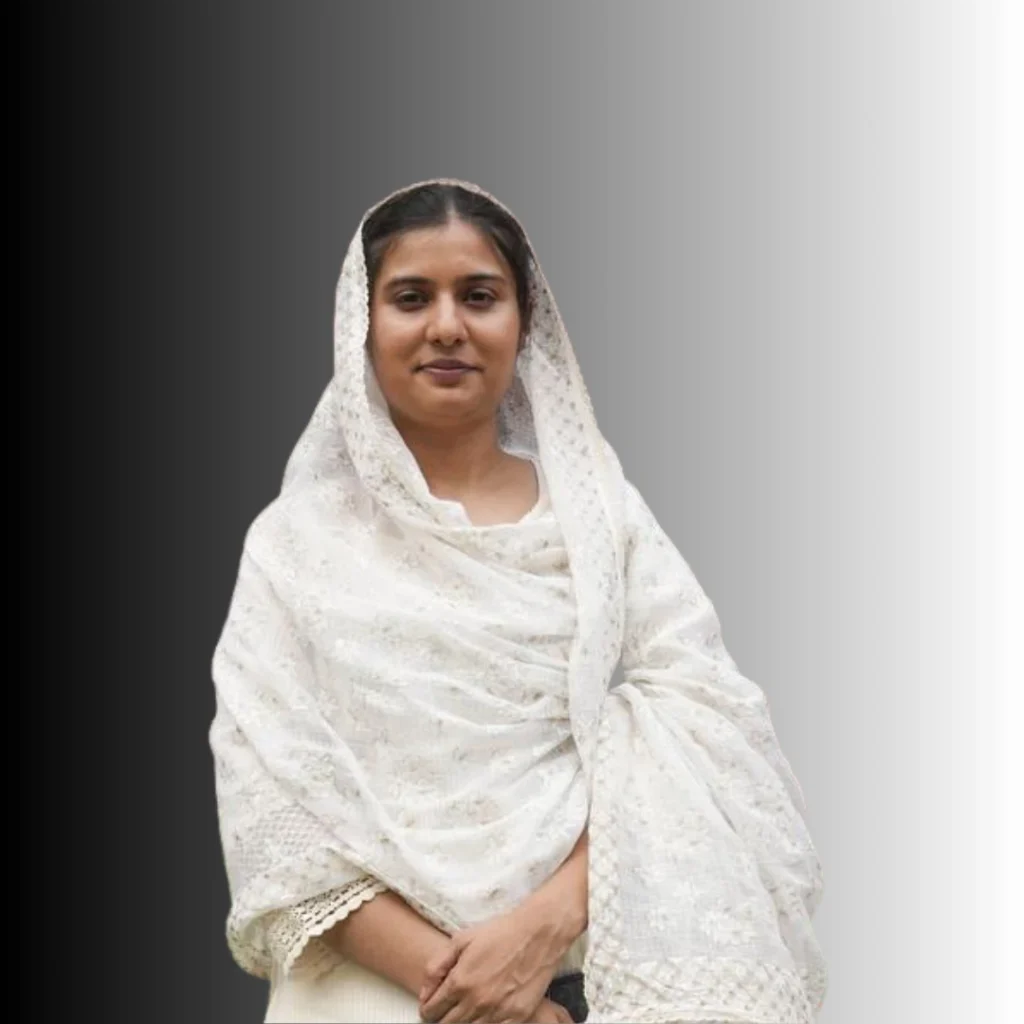
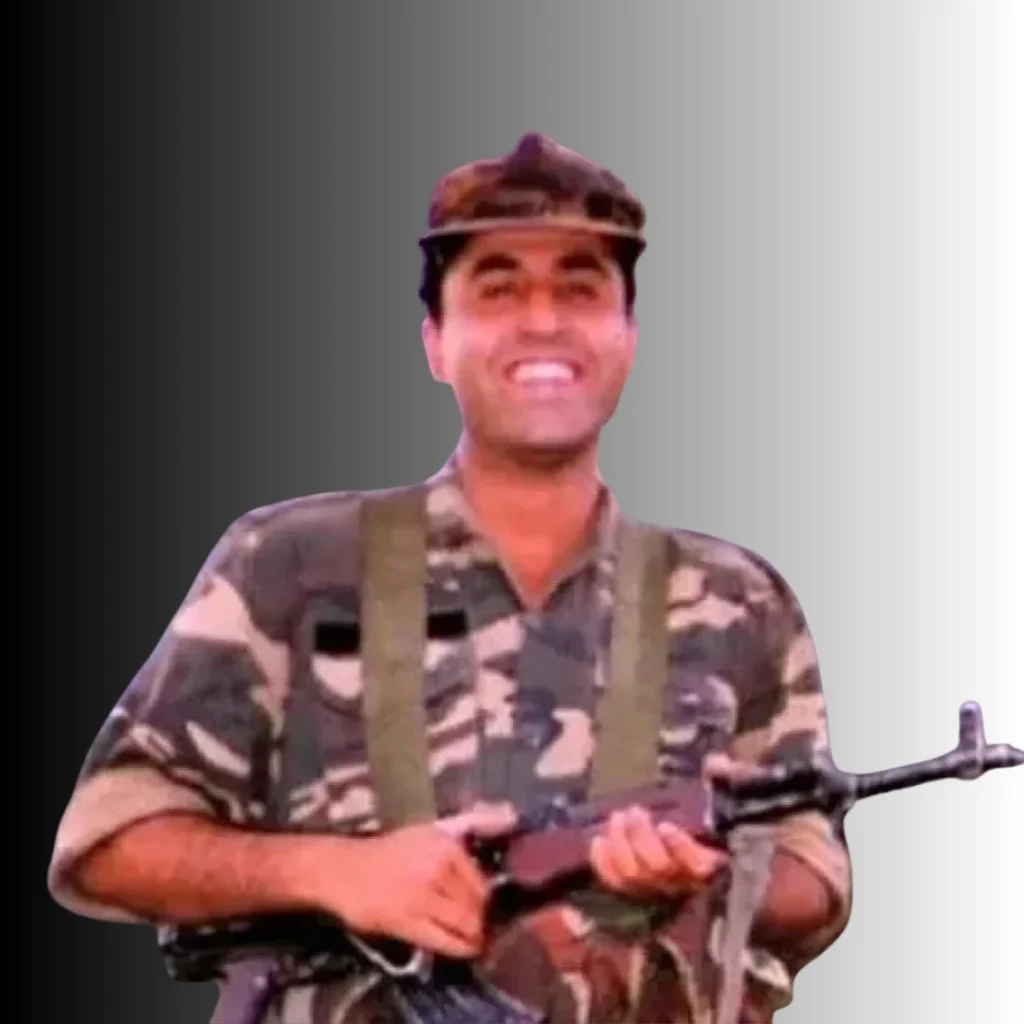
Captain Vikram Batra is remembered as one of India’s bravest soldiers and a true national hero. His extraordinary courage during the 1999 Kargil War made him a symbol of patriotism, sacrifice, and fearless leadership. Known by his famous call sign “Sher Shah”, Captain Batra led several successful military operations in the most difficult conditions and inspired his fellow soldiers with his determination and confidence. His iconic words, “Yeh Dil Maange More!”, became a powerful slogan that reflected his fearless attitude and unwavering commitment to serving the nation. At just 24 years of age, he made the ultimate sacrifice while protecting his comrades and defending India’s borders. For his exceptional bravery, he was posthumously awarded the Param Vir Chakra, India’s highest wartime gallantry award.
Even decades after the Kargil War, Captain Vikram Batra continues to inspire millions of Indians through his life story, military achievements, books, documentaries, and the blockbuster film Shershaah. His journey is a shining example of courage, leadership, and selfless service to the nation.
Who is Captain Vikram Batra?
Captain Vikram Batra was an officer in the Indian Army’s 13 Jammu and Kashmir Rifles (13 JAK Rif). He became one of the most celebrated heroes of the Kargil War after successfully leading dangerous operations to capture strategic enemy positions in the Dras sector of Jammu and Kashmir. During the war, Captain Batra played a key role in recapturing Point 5140 and later fought bravely during the battle for Point 4875, where he laid down his life while rescuing a fellow officer and leading his troops from the front. His courage earned him the admiration of both his soldiers and commanding officers. Even the enemy reportedly referred to him by the call sign “Sher Shah”, recognizing his fearless fighting spirit. Today, Captain Vikram Batra is remembered as one of India’s greatest military heroes, and his life continues to motivate young Indians to serve the country with dedication and honor.
Captain Vikram Batra Biography Overview
| Details | Information |
|---|---|
| Full Name | Captain Vikram Batra |
| Nickname | Luv |
| Famous As | Kargil War Hero |
| Call Sign | Sher Shah |
| Rank | Captain |
| Regiment | 13 Jammu and Kashmir Rifles (13 JAK Rif) |
| Service Number | IC-57556 |
| Date of Birth | 9 September 1974 |
| Age at Martyrdom | 24 Years |
| Birthplace | Palampur, Himachal Pradesh, India |
| Nationality | Indian |
| Profession | Indian Army Officer |
| Religion | Hinduism |
| Father | Girdhari Lal Batra |
| Mother | Kamal Kanta Batra |
| Twin Brother | Vishal Batra |
| Sisters | Seema and Nutan |
| Marital Status | Unmarried |
| Girlfriend | Dimple Cheema |
| Famous Quote | “Yeh Dil Maange More!” |
| Major War | Kargil War (1999) |
| Highest Gallantry Award | Param Vir Chakra (Posthumous) |
| Date of Martyrdom | 7 July 1999 |
| Place of Martyrdom | Point 4875, Kargil, Jammu & Kashmir |
Captain Vikram Batra Early Life & Family Details
Captain Vikram Batra was born on 9 September 1974 in the beautiful hill town of Palampur, Himachal Pradesh. He grew up in a middle-class family that valued education, discipline, honesty, and patriotism. From a young age, Vikram displayed qualities of leadership, courage, and confidence that later defined his military career. His father, Girdhari Lal Batra, worked as a government school principal, while his mother, Kamal Kanta Batra, was a school teacher. Both parents played an important role in shaping his disciplined personality and encouraging him to pursue excellence in every field. Vikram loved outdoor activities, sports, and adventure. Whether it was table tennis, karate, or trekking through the mountains, he always enjoyed challenges. His teachers and friends often described him as energetic, cheerful, and willing to help others.
Growing up in the scenic surroundings of Himachal Pradesh also nurtured his love for nature and strengthened his physical fitness. These experiences later proved valuable during his military training and combat operations in the mountains of Kargil. The Batra family has always spoken proudly of Vikram’s dedication to the nation. Even after his martyrdom, they continue to inspire young Indians by sharing his story of courage and sacrifice.
Captain Vikram Batra Brother
Captain Vikram Batra had an identical twin brother named Vishal Batra. The two brothers shared an exceptionally close bond from childhood and were often mistaken for one another because of their striking resemblance. Although they looked alike, their career paths were different. While Vikram chose to join the Indian Army and dedicate his life to serving the nation, Vishal pursued a career in the corporate sector. Vishal has frequently shared memories of his brother in interviews and public events. He recalls Vikram as fearless, optimistic, and someone who always put others before himself. According to him, Vikram believed that every challenge could be overcome with determination and courage. Following the release of the film Shershaah, Vishal Batra actively participated in events that celebrated his brother’s legacy. He continues to preserve Captain Vikram Batra’s memory and inspires young people by sharing stories about his extraordinary life.
Captain Vikram Batra Age, Birth Date & Birthplace
Captain Vikram Batra was born on 9 September 1974 in Palampur, a picturesque town in Himachal Pradesh known for its lush tea gardens and breathtaking views of the Dhauladhar mountain range. At the time of his supreme sacrifice during the Kargil War on 7 July 1999, he was only 24 years old. Despite his young age, he displayed remarkable leadership, tactical brilliance, and exceptional courage on the battlefield.
| Information | Details |
|---|---|
| Date of Birth | 9 September 1974 |
| Birthplace | Palampur, Himachal Pradesh |
| Age at Martyrdom | 24 Years |
| Zodiac Sign | Virgo |
| Nationality | Indian |
Captain Vikram Batra Education & College Life
Captain Vikram Batra completed his early education at D.A.V. Public School, Palampur, before continuing his studies at Central School (Kendriya Vidyalaya), Palampur. He was known as a bright student who actively participated in academics, sports, debates, and extracurricular activities. After finishing school, he enrolled at Government College, Palampur, where he pursued a bachelor’s degree in science. During college, he represented his institution in various sports competitions and developed strong leadership qualities. Later, Vikram joined Panjab University, Chandigarh, to pursue a master’s degree in English. While studying there, he became deeply involved with the National Cadet Corps (NCC), which played a crucial role in shaping his military ambitions.
His performance in NCC training was outstanding. He participated in several camps and was selected for the prestigious Republic Day Parade. These experiences strengthened his desire to wear the Indian Army uniform. Although he had attractive career opportunities outside the military, Vikram believed that serving the nation was his true calling. His decision to join the Indian Army reflected his lifelong commitment to patriotism and selfless service.
Captain Vikram Batra Height, Weight & Physical Appearance
Captain Vikram Batra’s confident personality, athletic build, and commanding presence made him stand out among his peers. His physical fitness, discipline, and energetic nature were key factors behind his success as a military officer.
| Physical Attribute | Details |
|---|---|
| Height | 5 feet 8 inches |
| Weight | Around 70 kg |
| Eye Colour | Black |
| Hair Colour | Black |
| Body Type | Athletic |
| Personality | Brave, Confident, Energetic |
| Hobbies | Trekking, Table Tennis, Karate, Reading, Adventure Activities |
Captain Vikram Batra maintained excellent physical fitness throughout his life. His endurance, stamina, and fearless attitude enabled him to lead dangerous missions in the high-altitude terrain of the Kargil battlefield, where harsh weather and steep mountains tested every soldier’s strength.
Captain Vikram Batra Story
Captain Vikram Batra’s story is one of extraordinary courage, patriotism, and sacrifice. Born in the peaceful town of Palampur, Himachal Pradesh, he grew up with dreams of achieving something meaningful for his country. From an early age, he displayed confidence, leadership, and a fearless attitude that impressed everyone around him. As a student, Vikram excelled in academics, sports, and the National Cadet Corps (NCC). Although he received an attractive opportunity to work in the Merchant Navy, he chose to reject it because he believed that serving India as an Army officer was a greater honor than any high-paying civilian job. After joining the Indian Army, he was commissioned into the 13 Jammu and Kashmir Rifles (13 JAK Rif). During the 1999 Kargil War, Captain Batra became one of the leading officers responsible for recapturing strategic mountain peaks occupied by enemy forces. His fearless leadership during the capture of Point 5140 and his supreme sacrifice while fighting at Point 4875 transformed him into a national hero. His famous victory message, “Yeh Dil Maange More!”, became a symbol of courage and determination across the country. Today, Captain Vikram Batra’s story continues to inspire millions of Indians, reminding them that true heroes live for their nation and are always willing to sacrifice everything to protect it.
Captain Vikram Batra Career Journey
Captain Vikram Batra’s journey to becoming one of India’s greatest war heroes was built on dedication, discipline, and an unwavering desire to serve the nation. Every stage of his life prepared him for the responsibilities he would later shoulder on the battlefield.
Career Timeline
| Year | Career Milestone |
|---|---|
| 1974 | Born in Palampur, Himachal Pradesh |
| Early 1990s | Active participation in NCC during college |
| 1995 | Rejected Merchant Navy job offer |
| 1996 | Cleared Combined Defence Services (CDS) Examination |
| 1996 | Joined Indian Military Academy (IMA), Dehradun |
| December 1997 | Commissioned into 13 Jammu & Kashmir Rifles |
| 1998 | Posted to Sopore, Jammu & Kashmir |
| 1999 | Participated in the Kargil War |
| June 1999 | Captured Point 5140 |
| July 1999 | Led the assault on Point 4875 |
| 7 July 1999 | Martyred during combat |
| 15 August 1999 | Awarded Param Vir Chakra (Posthumous) |
Captain Batra’s career lasted only a few years, but his achievements during that short period secured his place among India’s most respected military heroes.
Captain Vikram Batra NCC Journey
Captain Vikram Batra’s journey toward becoming a soldier truly began during his college days when he joined the National Cadet Corps (NCC) at Panjab University. The NCC gave him practical exposure to military discipline, leadership, teamwork, and physical endurance. His outstanding performance quickly earned him recognition among his instructors and fellow cadets. One of the highlights of his NCC career was being selected for the prestigious Republic Day Parade Camp, an honor awarded only to outstanding cadets from across India.
The rigorous NCC training strengthened his confidence and confirmed his ambition to become an officer in the Indian Army. It also taught him valuable skills in leadership, decision-making, and responsibility—qualities that later became evident during the Kargil War. Many of his instructors believed that Vikram possessed the natural qualities required of a military leader. His dedication and discipline during this period laid the foundation for his future success as an Army officer.
Merchant Navy Offer (Rejected)
Before joining the Indian Army, Captain Vikram Batra received an excellent career opportunity in the Merchant Navy. The job promised an attractive salary and the chance to travel internationally, making it a highly desirable career option for many young graduates. However, Vikram had a different dream. Instead of choosing financial security and a comfortable lifestyle, he decided to dedicate his life to serving India. He rejected the Merchant Navy offer because he believed that wearing the Army uniform was a greater honor.
According to his family, Vikram once expressed his determination by saying:
“Money is not everything. I want to do something for my country.”
This decision proved to be one of the defining moments of his life. His choice reflected his selflessness, patriotism, and unwavering commitment to national service. Today, his decision is remembered as an inspiring example of choosing purpose over personal gain.
Captain Vikram Batra Indian Army Career
Captain Vikram Batra officially began his military career after successfully clearing the Combined Defence Services (CDS) Examination. He joined the prestigious Indian Military Academy (IMA), Dehradun, where he underwent rigorous military training. During training, he impressed both instructors and fellow cadets with his leadership qualities, physical fitness, and determination. On 6 December 1997, he was commissioned as a Lieutenant in the Indian Army and was allotted to the 13 Jammu and Kashmir Rifles (13 JAK Rif). His first operational posting was in Sopore, Jammu and Kashmir, where he gained valuable experience in counter-insurgency operations. The challenging environment helped him develop tactical skills and strengthened his confidence as a young officer.
Within a short time, Captain Batra earned the respect of his seniors and the trust of the soldiers under his command because he always led from the front and never asked his men to do something he was unwilling to do himself. These qualities later played a crucial role during the Kargil War.
13 Jammu & Kashmir Rifles (13 JAK Rif)
Captain Vikram Batra belonged to the 13th Battalion of the Jammu and Kashmir Rifles (13 JAK Rif), one of the Indian Army’s most distinguished infantry battalions. The battalion played a decisive role during the Kargil War by participating in several high-risk operations aimed at recapturing mountain peaks occupied by enemy forces.
About 13 JAK Rif
| Details | Information |
|---|---|
| Regiment | Jammu and Kashmir Rifles |
| Battalion | 13 Jammu & Kashmir Rifles |
| Branch | Infantry |
| Commissioned | 6 December 1997 |
| First Major War | Kargil War (1999) |
| Famous Operations | Point 5140, Point 4875 |
| Commanding Officer (Kargil War) | Lieutenant Colonel Y. K. Joshi |
Under the leadership of Lieutenant Colonel Y. K. Joshi, 13 JAK Rif became one of the most successful battalions during Operation Vijay. Captain Vikram Batra emerged as one of its most courageous officers, inspiring every soldier through his fearless leadership and determination.
Captain Vikram Batra Training at the Indian Military Academy (IMA)
The Indian Military Academy in Dehradun transformed Vikram Batra from an ambitious young man into a disciplined Army officer. Life at the academy was physically demanding and mentally challenging. Cadets underwent extensive training in:
- Mountain warfare
- Weapon handling
- Tactical planning
- Leadership development
- Physical endurance
- Survival skills
- Team coordination
Captain Batra consistently performed well during training and developed the confidence needed to lead soldiers in difficult combat situations. His instructors admired his positive attitude and willingness to take responsibility. The academy’s motto, “Veerta Aur Vivek” (Valour and Wisdom), perfectly reflected the qualities that Captain Batra demonstrated throughout his military career.
Captain Vikram Batra Initial Military Posting
After receiving his commission, Lieutenant Vikram Batra was posted to Sopore in Jammu and Kashmir, an area affected by militancy and frequent security operations. The posting exposed him to real battlefield conditions much earlier than many young officers experience. He participated in counter-insurgency operations and quickly earned the confidence of both his commanding officers and fellow soldiers.
During this period, he learned:
- High-altitude operations
- Combat leadership
- Quick decision-making under pressure
- Team coordination
- Operational planning
These early experiences prepared him for the much greater challenges that awaited him during the Kargil War in 1999. By the time Operation Vijay began, Captain Vikram Batra had already developed into a courageous and capable officer who inspired confidence in every member of his unit.
Kargil War 1999
The Kargil War of 1999 was one of the most significant military conflicts in India’s modern history. It began after Pakistani soldiers and armed infiltrators secretly occupied strategic mountain peaks on the Indian side of the Line of Control (LoC) in the Kargil, Dras, Batalik, and Mushkoh sectors of Jammu and Kashmir. To reclaim these occupied positions, the Indian Army launched Operation Vijay, while the Indian Air Force supported the mission through Operation Safed Sagar. The battles were fought at extremely high altitudes, often above 16,000 feet, where freezing temperatures, thin air, and steep rocky terrain made every operation incredibly challenging. Captain Vikram Batra and his battalion, 13 Jammu and Kashmir Rifles (13 JAK Rif), were deployed in the Dras sector. Their mission was to capture enemy-held peaks that overlooked National Highway 1A, an important supply route connecting Srinagar with Leh.
Despite intense enemy firing and dangerous weather conditions, Captain Batra volunteered to lead several high-risk assaults. His courage and tactical leadership became a turning point in some of the most important battles of the Kargil War. The victories achieved by Captain Batra and his fellow soldiers helped India regain control of key strategic positions and contributed significantly to the success of Operation Vijay.
Point 5140 Operation
The battle for Point 5140 is considered one of Captain Vikram Batra’s greatest military achievements. Point 5140 was a heavily fortified enemy position located at a very high altitude. It overlooked the Srinagar–Leh Highway, making it strategically important. As long as the enemy controlled this peak, Indian troop movement remained under constant threat. Captain Vikram Batra volunteered to lead the assault despite knowing the dangers involved. Under the cover of darkness, he and his soldiers climbed steep cliffs while carrying heavy weapons and equipment. The terrain was extremely difficult, and enemy forces continuously fired machine guns and mortars. Instead of following the expected route, Captain Batra chose an unconventional path that surprised the enemy. As his team closed in, they launched a fierce attack and engaged in close-quarter combat.
During the operation, Captain Batra personally led from the front, motivating his soldiers and neutralizing enemy bunkers one after another. His leadership inspired the entire assault team to continue advancing despite heavy resistance. After several hours of intense fighting, Indian forces successfully captured Point 5140. The victory became one of the earliest major successes of Operation Vijay.
Following the successful mission, Captain Batra sent the now-famous radio message:
“Yeh Dil Maange More!”
Originally a popular advertising slogan, these words instantly became a symbol of courage, confidence, and the fighting spirit of the Indian Army.
Point 4875 Battle
After the success at Point 5140, Captain Vikram Batra was assigned another extremely dangerous mission the capture of Point 4875. This peak was one of the strongest enemy positions in the Kargil region. The steep cliffs, narrow ridges, and continuous enemy firing made the assault exceptionally difficult. The battle demanded extraordinary courage from every soldier involved. Captain Batra once again volunteered to lead the attack. As Indian troops advanced, they encountered fierce resistance from enemy bunkers located on higher ground. The difficult terrain forced soldiers to climb almost vertically while carrying weapons and ammunition.
During the battle, one of the officers in the assault team was seriously injured. Captain Batra immediately moved forward to rescue him despite heavy enemy fire. According to fellow soldiers, he reportedly told a junior officer:
“You have a family and children. Let me go first.”
Ignoring the risk to his own life, Captain Batra charged toward the enemy position, rescued the injured officer, and continued leading the assault. While fighting courageously at close range, he was hit by enemy fire. Despite being critically wounded, he continued motivating his soldiers until he made the supreme sacrifice on 7 July 1999. Inspired by his leadership, Indian troops completed the mission and successfully captured Point 4875. Today, Point 4875 is popularly known as “Batra Top” in his honor.
| Details | Information |
|---|---|
| Location | Point 4875, Kargil |
| Date | July 1999 |
| Unit | 13 Jammu & Kashmir Rifles |
| Mission | Capture enemy-held strategic peak |
| Captain Batra’s Role | Assault Commander |
| Result | Indian Victory |
| Legacy | Peak later named “Batra Top” |
Captain Vikram Batra Story of “Yeh Dil Maange More!”
Among all the moments associated with Captain Vikram Batra, none is more iconic than his famous words:
“Yeh Dil Maange More!”
After the successful capture of Point 5140, Captain Batra communicated the mission’s success over the radio using this phrase. At that time, it was already a well-known advertising slogan in India. However, when Captain Batra used it after achieving victory on the battlefield, the words took on an entirely new meaning. Instead of simply celebrating one success, the message reflected his determination to continue fighting until every occupied Indian position had been recaptured. The phrase quickly spread across newspapers, television channels, and military circles. It became one of the defining symbols of the Kargil War and remains closely associated with Captain Vikram Batra even today.
For many Indians, these four words represent:
- Fearlessness
- Confidence
- Patriotism
- Determination
- Never-give-up attitude
Even years after the war, “Yeh Dil Maange More!” continues to inspire soldiers, students, and young people across the country.
Call Sign “Sher Shah”
During the Kargil War, Captain Vikram Batra was assigned the military call sign “Sher Shah.” The name perfectly suited his fearless personality and aggressive leadership style. Throughout the conflict, he consistently led assaults from the front instead of commanding from safer positions. His bold tactics and repeated victories earned him great respect among his fellow soldiers. According to several accounts from the Kargil conflict, even enemy forces recognized his courage and referred to him by the call sign “Sher Shah.” The title symbolized strength, bravery, and determination qualities Captain Batra displayed throughout every mission. Today, whenever people hear the name “Sher Shah,” they immediately remember Captain Vikram Batra and his heroic actions during the Kargil War.
Captain Vikram Batra Wife & Personal Life
One of the most frequently searched questions is whether Captain Vikram Batra had a wife. The answer is No. Captain Vikram Batra was never married. At the time of the Kargil War, he was only 24 years old and was fully committed to his military responsibilities. Although marriage had been discussed within the family, his untimely martyrdom on 7 July 1999 meant that those plans could never become a reality. Even today, people continue searching for information about his wife due to the popularity of his life story and the film Shershaah. However, historically, Captain Vikram Batra remained unmarried throughout his life.
Captain Vikram Batra Girlfriend
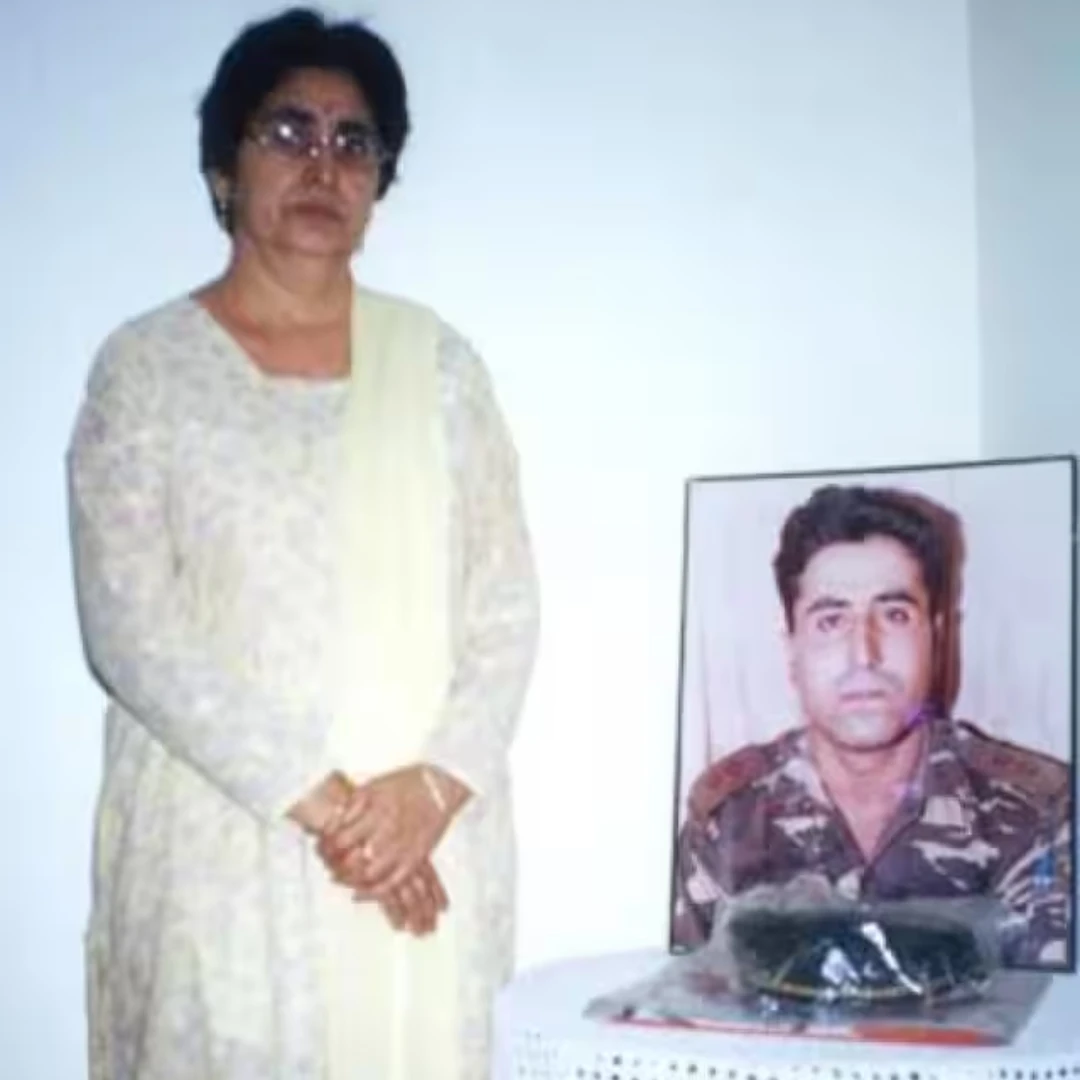
Captain Vikram Batra shared a deep and meaningful relationship with Dimple Cheema, whom he met during his college years in Chandigarh. Their relationship was built on mutual respect, trust, and a shared dream of building a future together. Before leaving for military duty, Vikram had promised Dimple that he would return. During the Kargil War, the two remained emotionally connected despite the difficult circumstances. Sadly, Captain Batra was martyred before they could marry. After his sacrifice, Dimple Cheema chose not to marry and has remained devoted to his memory. Her unwavering commitment has become an emotional part of Captain Batra’s inspiring life story. The film Shershaah introduced this chapter of his life to a wider audience, highlighting the personal sacrifices made not only by soldiers but also by their loved ones.
Which Indian Army Regiment Did Captain Vikram Batra Belong To?
Captain Vikram Batra belonged to the Jammu and Kashmir Rifles, one of the oldest and most decorated infantry regiments of the Indian Army. He was commissioned into the 13th Battalion of the Jammu and Kashmir Rifles (13 JAK Rif) on 6 December 1997 after completing his training at the Indian Military Academy, Dehradun.
During the Kargil War, 13 JAK Rif played a crucial role in recapturing strategic peaks occupied by enemy forces. Under the leadership of Lieutenant Colonel Y. K. Joshi and brave officers like Captain Vikram Batra, the battalion successfully completed several difficult missions.
Captain Batra’s courage, leadership, and willingness to lead from the front made him one of the most respected officers of the regiment. His contributions remain an enduring source of pride for the Jammu and Kashmir Rifles and the entire Indian Army.
Captain Vikram Batra Martyrdom (7 July 1999)
On 7 July 1999, Captain Vikram Batra made the ultimate sacrifice while leading his troops during the fierce battle for Point 4875 in the Kargil sector. The mission was one of the most difficult operations of the war, as enemy forces occupied well-fortified positions on steep mountain ridges. During the assault, an Indian officer was seriously injured under heavy enemy fire. Without hesitation, Captain Batra moved forward to rescue him. Ignoring the danger to his own life, he advanced toward the enemy, ensuring the injured officer could be brought to safety.
As he continued leading the attack, Captain Batra came under intense enemy fire and was fatally wounded. Even in his final moments, he inspired his soldiers to continue fighting and complete the mission. His courage motivated the troops to capture Point 4875 successfully, making the operation one of the most significant victories of the Kargil War. Captain Vikram Batra was only 24 years old when he laid down his life for the nation. His sacrifice remains one of the finest examples of bravery, leadership, and devotion to duty in the history of the Indian Army.
Captain Vikram Batra Book
Captain Vikram Batra’s inspiring life has been documented in several books that highlight his courage, military leadership, and contribution during the Kargil War. These books provide readers with a deeper understanding of his personality and the challenges faced by Indian soldiers during the conflict.
| Book | Author | Description |
|---|---|---|
| The Sher Shah of Kargil | Deepak Surana | A biography covering Captain Batra’s life, military career, and heroism. |
| Kargil: Turning the Tide | Lt Gen Mohinder Puri | Discusses the Kargil War and the role of brave officers, including Captain Batra. |
| India’s Most Fearless | Shiv Aroor & Rahul Singh | Features Captain Vikram Batra’s remarkable story among India’s bravest soldiers. |
| The Kargil Story | Deepak Surana | Describes the battles, military operations, and stories of Kargil heroes. |
These books continue to inspire readers by showcasing Captain Batra’s unwavering commitment to the nation and the extraordinary courage displayed during the Kargil War.
Captain Vikram Batra Param Vir Chakra Award
Captain Vikram Batra was posthumously awarded the Param Vir Chakra (PVC), India’s highest wartime gallantry award, for displaying exceptional bravery during the Kargil War. The award recognized his outstanding leadership during the capture of Point 5140 and his supreme sacrifice while leading the assault on Point 4875. Captain Batra repeatedly placed the mission above his own safety. He led every attack from the front, motivated his soldiers under intense enemy fire, and displayed remarkable courage throughout the conflict. On 15 August 1999, the President of India conferred the Param Vir Chakra upon Captain Vikram Batra posthumously. The award was received by his parents on behalf of their son. Today, Captain Batra’s Param Vir Chakra remains a symbol of the highest standards of courage, selflessness, and dedication in military service.
| Award | Information |
|---|---|
| Award Name | Param Vir Chakra |
| Awarded To | Captain Vikram Batra |
| Award Type | Highest Wartime Gallantry Award |
| Awarded For | Exceptional Courage during Kargil War |
| Year Awarded | 1999 |
| Status | Posthumous |
Captain Vikram Batra Legacy & Memorials
Captain Vikram Batra’s legacy extends far beyond the battlefield. His life and sacrifice continue to inspire generations of Indians, especially young people aspiring to join the armed forces. Several memorials, educational institutions, roads, and public places have been named in his honor. His courage is regularly remembered during Kargil Vijay Diwas celebrations and military commemorations across India. One of the most significant tributes is the naming of Point 4875 as “Batra Top.” The peak stands as a permanent reminder of his fearless leadership and supreme sacrifice. His hometown of Palampur also honors him through memorials and annual tribute programs, ensuring that future generations remember his remarkable contribution to the nation. The Indian Army frequently highlights Captain Batra’s leadership as an example for young officers undergoing military training.
Captain Vikram Batra Movies, Books & TV Shows
Captain Vikram Batra’s inspiring journey has been portrayed through films, documentaries, books, and television programs, allowing millions of people to learn about his extraordinary courage.
| Title | Type | Year | Details |
|---|---|---|---|
| Shershaah | Film | 2021 | Biographical film based on Captain Vikram Batra’s life and the Kargil War. |
| India’s Most Fearless | Book | 2017 | Includes the detailed story of Captain Batra’s bravery. |
| The Sher Shah of Kargil | Book | 2022 | Biography dedicated to his life and military achievements. |
| Various Kargil War Documentaries | Documentary | Various | Feature Captain Batra’s contribution during Operation Vijay. |
Among these, Shershaah introduced Captain Vikram Batra’s story to a new generation and became one of the most widely watched military biographical films in India.
Lesser Known Facts About Captain Vikram Batra
- Captain Vikram Batra had an identical twin brother named Vishal Batra.
- His childhood nickname was “Luv,” while his twin brother was called “Kush.”
- He represented his college in national-level table tennis competitions.
- Before joining the Army, he was selected for a Merchant Navy job but rejected the offer.
- He actively participated in the National Cadet Corps (NCC) and attended the Republic Day Parade Camp.
- His military call sign during the Kargil War was “Sher Shah.”
- Point 4875 was later named “Batra Top” in his honor.
- His famous message “Yeh Dil Maange More!” became the slogan of victory during the Kargil War.
- Captain Vikram Batra always believed in leading his soldiers from the front instead of commanding from behind.
- His life continues to inspire thousands of candidates preparing for the Indian Armed Forces.
Inspirational Quotes by Captain Vikram Batra
Captain Vikram Batra’s words continue to motivate millions of Indians.
“Yeh Dil Maange More!”
“Either I will come back after raising the Indian flag in victory, or I will come back wrapped in it, but I will come back for sure.”
“Live by chance, love by choice, kill by profession.”
These quotes reflect his courage, patriotism, and commitment to serving the nation.
Captain Vikram Batra Timeline
| Year | Event |
|---|---|
| 1974 | Born in Palampur, Himachal Pradesh |
| 1990s | Active participation in NCC |
| 1995 | Rejected Merchant Navy job offer |
| 1996 | Joined Indian Military Academy |
| 1997 | Commissioned into 13 Jammu & Kashmir Rifles |
| 1998 | Posted to Sopore, Jammu & Kashmir |
| May 1999 | Deployed for Operation Vijay |
| June 1999 | Successfully captured Point 5140 |
| July 1999 | Led the assault on Point 4875 |
| 7 July 1999 | Martyred during the Kargil War |
| 15 August 1999 | Awarded Param Vir Chakra (Posthumous) |
| 2021 | Shershaah released, bringing his story to a new generation |
FAQs
Who was Captain Vikram Batra?
Captain Vikram Batra was an Indian Army officer of the 13 Jammu and Kashmir Rifles who became one of the greatest heroes of the 1999 Kargil War. He was posthumously awarded the Param Vir Chakra for his exceptional bravery.
What was Captain Vikram Batra’s famous dialogue?
His most famous words were:
“Yeh Dil Maange More!”
The phrase became a symbol of courage and victory after the successful capture of Point 5140.
Which regiment did Captain Vikram Batra belong to?
He belonged to the 13th Battalion, Jammu and Kashmir Rifles (13 JAK Rif).
Was Captain Vikram Batra married?
No. Captain Vikram Batra was not married. He was in a relationship with Dimple Cheema, but they could not marry because of his martyrdom during the Kargil War.
Why was Captain Vikram Batra called Sher Shah?
His military call sign was “Sher Shah,” representing his fearless leadership and courageous fighting spirit during the Kargil War.
Which award did Captain Vikram Batra receive?
He received the Param Vir Chakra, India’s highest wartime gallantry award, posthumously in 1999.
Where was Captain Vikram Batra martyred?
He was martyred on 7 July 1999 during the battle for Point 4875 in the Kargil sector of Jammu and Kashmir.
What was Captain Vikram Batra’s age at the time of martyrdom?
Captain Vikram Batra was 24 years old when he made the supreme sacrifice for the nation.
Conclusion
Captain Vikram Batra’s life is a timeless example of courage, patriotism, and selfless service. From his early days in Palampur to becoming one of the most celebrated heroes of the Kargil War, every chapter of his journey reflects determination, discipline, and an unwavering love for India. His victories at Point 5140 and Point 4875, his legendary words “Yeh Dil Maange More!”, and his fearless leadership continue to inspire millions of people across the country. Although his life was tragically cut short at the age of 24, his legacy remains immortal through the Param Vir Chakra, Batra Top, books, films like Shershaah, and the countless hearts he continues to inspire. Captain Vikram Batra proved that true greatness is measured not by how long one lives, but by the courage, honor, and sacrifice one leaves behind. His story will forever remind every Indian that the spirit of patriotism and bravery never fades.
Also, Read About:
- Major Rohit Suri (Kirti Chakra): Biography, Army Career, Uri Surgical Strike, Current Rank & More
- Major Vikrant Kumar Jaitly Biography: Army Career, Family, Age, UAE Detention & More
- Major Vivek Jacob Biography: Age, Family, 9 Para SF Career, Wife, CLAW Global and Life Story
- Major Vihaan Singh Shergill: Real Story, Biography, Real Name, Army Career & Uri Character