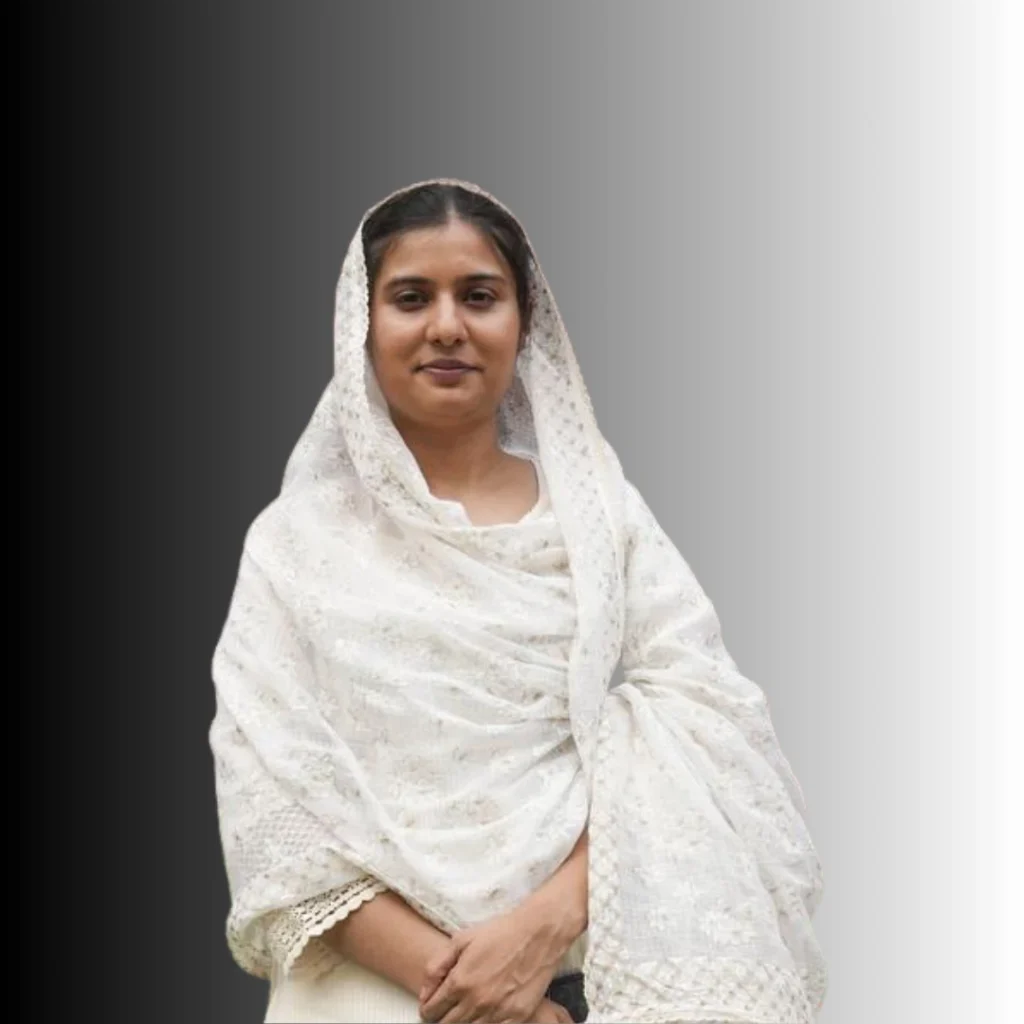
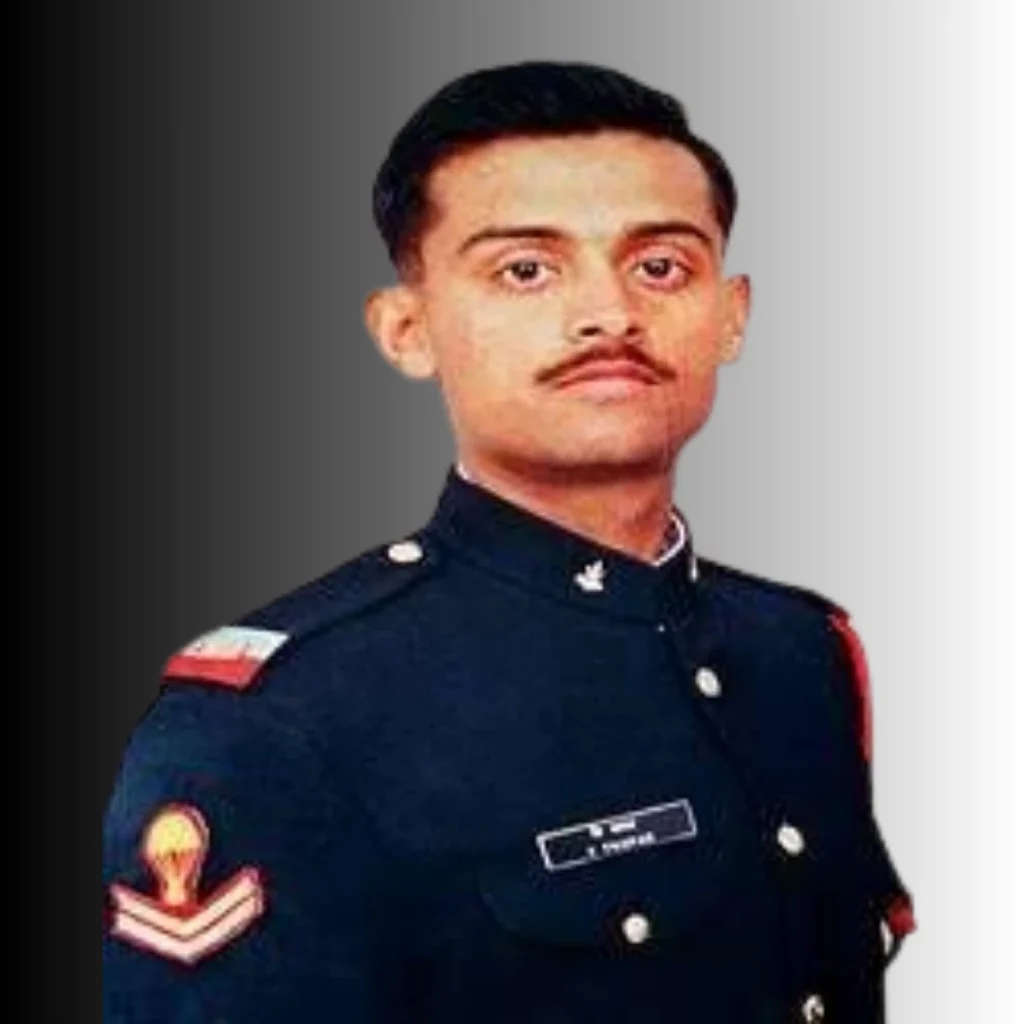
Captain Vijyant Thapar was one of the brave young officers of the Indian Army whose name became closely associated with courage and sacrifice during the Kargil War of 1999. Born into a military family, he developed a strong desire to join the Army at a very young age. His childhood dream eventually became a reality when he was commissioned as an Army officer. Although his military career lasted only a few months, Vijyant experienced some of the most challenging combat conditions during the Kargil conflict. As an officer of 2 Rajputana Rifles, he first served in Kashmir and later took part in the operations to recapture strategic heights in the Drass sector.
He played an important role in the battles around Tololing and later led his platoon during the difficult assault on Knoll. He continued leading his men despite intense enemy fire and serious injuries. He was eventually killed during the operation at the age of just 22. For his exceptional courage, determination and leadership, Captain Vijyant Thapar was awarded the Vir Chakra posthumously. However, his story is not remembered only because of his battlefield bravery. He was also known for his kindness, disciplined lifestyle and compassion toward people affected by violence. One of the most touching parts of his life was his relationship with a young Kashmiri girl named Ruksana. His concern for her continued until his final moments and became an important part of his legacy.
Who Was Captain Vijyant Thapar?
Captain Vijyant Thapar was an Indian Army officer who served with the 2 Rajputana Rifles during the Kargil War. He was born on 26 December 1976 in Naya Nangal, Punjab, and grew up in a family where military service was deeply respected. His father, Colonel V. N. Thapar, was an Army officer, and Vijyant was influenced by his father’s life from an early age. He wanted to follow the same path and dreamed of becoming an Army officer. After completing his education, he entered the Indian Military Academy in Dehradun. His training prepared him for the physical and mental challenges of military life. He was commissioned into the Indian Army in December 1998 and joined 2 Rajputana Rifles. His first posting took him to Gwalior, but the battalion soon moved to Kashmir for counter-insurgency operations. In 1999, the unit was deployed to the Kargil-Drass sector as part of Operation Vijay.
Captain Vijyant Thapar Biography Overview
| Biography Detail | Information |
|---|---|
| Full Name | Captain Vijyant Thapar |
| Nickname | Robin |
| Date of Birth | 26 December 1976 |
| Birthplace | Naya Nangal, Punjab |
| Age at Death | 22 Years |
| Father | Colonel V. N. Thapar |
| Mother | Tripta Thapar |
| Brother | Vijender Thapar |
| Profession | Indian Army Officer |
| Rank | Captain |
| Regiment | 2 Rajputana Rifles |
| Commissioned | December 1998 |
| Major Conflict | Kargil War, 1999 |
| Operation | Operation Vijay |
| Key Battles | Tololing and Knoll |
| Gallantry Award | Vir Chakra, Posthumous |
| Marital Status | Unmarried |
| Children | None |
| Date of Martyrdom | 29 June 1999 |
| Age at Martyrdom | 22 Years |
Captain Vijyant Thapar Age, Date of Birth & Birthplace
Captain Vijyant Thapar was born on 26 December 1976 in Naya Nangal, Punjab. He spent his childhood in a military environment because his father was associated with the Indian Army. He was only 22 years old when he was killed during the Kargil War. At such a young age, he had already taken on responsibilities that demanded exceptional maturity and courage. His life demonstrates how quickly a young officer could be exposed to the realities of combat during the Kargil conflict. Within months of receiving his commission, Vijyant was leading soldiers in one of India’s most difficult mountain operations.
Vijyant Thapar Early Life and Childhood
Vijyant grew up watching his father live the disciplined life of an Army officer. The military environment around him had a powerful influence on his personality and ambitions. From childhood, he was fascinated by the Army uniform. Family memories describe how he would wear his father’s peaked cap, carry his cane and march around as if he were already an officer. These were not merely childhood games for Vijyant. As he grew older, his interest in the Army became a genuine ambition. He wanted to earn the uniform and serve the country. His early years helped shape the discipline, confidence and determination that later became visible during his military career.
Family Background of Captain Vijyant Thapar
Captain Vijyant Thapar came from a family with a strong connection to military service. His father, Colonel V. N. Thapar, was an experienced Army officer and one of the strongest influences on his son’s life. Vijyant grew up understanding that military service involved much more than wearing a uniform. It required discipline, sacrifice, courage and responsibility. His mother was Tripta Thapar, while his brother was Vijender Thapar. After Vijyant’s martyrdom, his family played an important role in preserving his memory. His father especially dedicated considerable effort to sharing his son’s story and explaining the values that shaped his short but remarkable life.
Vijyant Thapar Height, Weight and Physical Appearance
Exact official records regarding Captain Vijyant Thapar’s height and weight are not widely available. Some profiles mention approximate physical measurements, but they should not be treated as definitive. What is clear is that Vijyant took his physical fitness seriously. He maintained a disciplined routine, paid attention to his diet and regularly exercised. As an infantry officer, physical strength and endurance were essential. The difficult terrain of Kashmir and Kargil demanded soldiers who could remain active for long periods under extreme conditions. His commitment to fitness was therefore not simply a personal habit. It was an important part of preparing himself for military responsibilities.
His Dream of Joining the Indian Army
Vijyant wanted to join the Indian Army from an early age. His father became his role model, and military service gradually became the central ambition of his life. He understood that becoming an officer required hard work and discipline. Instead of giving up when the process became demanding, he continued working toward his goal. His selection for military training marked an important step toward fulfilling the dream he had carried since childhood. The transformation from a boy wearing his father’s Army cap to a real commissioned officer is one of the most memorable aspects of his life story.
Captain Vijyant Thapar Education and Training at IMA Dehradun
Vijyant eventually entered the Indian Military Academy in Dehradun, where he underwent rigorous military training. The academy prepared him for the responsibilities of commanding soldiers. Training involved physical conditioning, military skills, discipline, leadership development and the ability to remain calm under pressure. Vijyant performed well during his training and successfully completed the requirements to become an Army officer. His time at IMA was particularly important because it converted his childhood dream into a professional military career.
Captain Vijyant Thapar Military Career and Commissioning
Captain Vijyant Thapar was commissioned into the Indian Army in December 1998. His commissioned career was extremely short. Within a few months, he moved from the training environment into active operational service. He joined 2 Rajputana Rifles and initially served at Gwalior. The battalion later moved to Kashmir, where he gained experience in counter-insurgency operations. This early operational exposure helped him understand the realities of military service before he was sent to the Kargil battlefield.
Joining 2 Rajputana Rifles
The 2 Rajputana Rifles became the unit with which Captain Vijyant Thapar’s name would forever be associated. After joining the battalion, Vijyant quickly became part of its operational environment. The unit’s move to Kashmir provided him with an opportunity to work closely with experienced soldiers and officers. He learned how to operate in difficult terrain and how to deal with unpredictable threats. The bonds he developed with his men during this period became especially important when he later led them during the Kargil operations.
Captain Vijyant Thapar Life as a Young Army Officer
Vijyant was known for being active, disciplined and comfortable around his troops. He enjoyed outdoor activities and sports and often spent time observing or participating in activities within the battalion. He was described as kind-hearted, considerate and economical in his personal habits. He did not separate himself from the everyday life of his soldiers. His approachable personality helped him develop trust and familiarity within the unit. This relationship became particularly valuable during the Kargil War when his men had to follow him into extremely dangerous situations.
Vijyant Thapar’s Personality and Lifestyle
Captain Vijyant Thapar had a disciplined and principled personality. He took physical fitness seriously and worked hard to maintain himself in good condition. He also developed an interest in religion early in life and wanted to live according to strong personal values. At the same time, he had a compassionate personality. He was sensitive to the suffering of people around him and did not hesitate to help those who were struggling. His relationship with Ruksana remains the clearest example of his softer side.
Posting in Kashmir and Anti-Insurgency Operations
Before the Kargil War, Vijyant served with his battalion in Kashmir during counter-insurgency operations. The posting exposed him to the dangers of active military operations. Unlike routine training, these duties required soldiers to remain prepared for sudden encounters and unpredictable threats. Vijyant reportedly experienced intense encounters during this period and once described to his mother how he survived a situation in which numerous rounds had been fired at him. Kashmir also became the place where he developed his special relationship with Ruksana.
Vijyant Thapar and the Story of Ruksana
The story of Ruksana provides a deeply human side to Captain Vijyant Thapar’s biography. Ruksana was a young Kashmiri girl who suffered a terrible personal tragedy when her father, Mohammad Akbar, was killed by militants in front of her. The experience affected her so deeply that she reportedly stopped speaking. Vijyant came to know about the child through her relatives. Instead of simply expressing sympathy, he began making an effort to connect with her. He and his orderly, Sepoy Jagmal Singh Shekhawat, would visit her whenever they had the opportunity. They brought sweets and toffees and gradually earned her trust. Over time, the relationship became meaningful to both of them. Vijyant wanted to help the child overcome her trauma and hoped that she would be able to continue her education. He also contributed money to help her family. The most remarkable part of the story is that Ruksana remained in his thoughts even when he was preparing for his final battle.
Kargil War and Operation Vijay
The Kargil War of 1999 began after Indian forces discovered that Pakistani soldiers and infiltrators had occupied strategic heights along the Line of Control. The Indian Army launched Operation Vijay to recapture the occupied positions. The Drass-Kargil region was extremely difficult for military operations. Indian troops had to climb steep and exposed mountain slopes while facing artillery, machine-gun fire and enemy positions located at higher elevations. 2 Rajputana Rifles was given important operational responsibilities in the region. For Captain Vijyant Thapar, this was the moment when his training, courage and leadership were put to their greatest test.
Battle of Tololing
Tololing was one of the most important objectives during the early stages of the Kargil War. On 11 June 1999, 2 Rajputana Rifles was given the task of capturing the Tololing feature. The position was heavily defended and difficult to approach. Indian soldiers had to move carefully through challenging mountain terrain while facing enemy fire. During the night of 12 June, Captain Vijyant Thapar led his platoon toward an enemy position known as the Barbad Bunker. Capturing this position helped the Indian troops continue their advance. Tololing was eventually captured on 13 June 1999 and became one of the significant early victories for the Indian Army during Operation Vijay.
Battle of Knoll, Three Pimples and Lone Hill
After the success at Tololing, 2 Rajputana Rifles was assigned another difficult operation involving Three Pimples, Knoll and Lone Hill. The attack began on the night of 28 June 1999. The terrain was extremely challenging. The ridge was narrow, sharp and exposed, leaving the attacking soldiers with limited protection. Heavy artillery fire and enemy machine-gun positions made the advance even more dangerous. Vijyant’s platoon moved forward despite the difficult conditions. Several soldiers were killed or wounded during the operation, but the attack continued. The young officer remained focused on the objective and his responsibility toward his men.
Vijyant Thapar’s Leadership During the Knoll Assault
The assault on Knoll became the most important chapter of Vijyant’s military career. Enemy machine-gun positions were preventing the Indian troops from advancing. Vijyant recognised that these positions had to be dealt with if the attack was to succeed. The situation became even more difficult after his company commander, Major P. Acharya, was killed. Vijyant did not allow the loss to stop the operation. He continued moving forward with his men. During the battle, he helped organise the evacuation of wounded soldiers and rallied troops who had been affected by the intense fighting. He then personally led the attack against the enemy position. Even after suffering serious injuries, he continued advancing and encouraged his men to follow him. His actions demonstrated the type of leadership expected from an officer taking responsibility, remaining with his soldiers and leading from the front.
Martyrdom of Captain Vijyant Thapar
Captain Vijyant Thapar was killed during the assault on Knoll on 29 June 1999. He was advancing against enemy positions when he was struck by enemy fire. He was only 22 years old. His death came just a few months after he had been commissioned into the Army, making the sacrifice particularly poignant. His men continued the attack after his death and eventually captured the objective. Vijyant’s final moments became a lasting example of courage and leadership during the Kargil War.
Vir Chakra Award and Citation
Captain Vijyant Thapar was awarded the Vir Chakra posthumously for his bravery during the Knoll operation. His gallantry was recognised because he continued leading his troops despite intense enemy fire and serious injuries. He helped organise the evacuation of casualties, rallied his platoon and personally led the assault against the enemy machine-gun position. His determination encouraged his soldiers to continue the attack even under extremely difficult circumstances. The award therefore recognised his leadership and courage as well as his supreme sacrifice.
Captain Vijyant Thapar Last Letter to His Family
Captain Vijyant Thapar’s final letter is one of the most emotional parts of his biography. He wrote the letter shortly before leaving for his final operation. The letter showed that he understood the dangers of the mission but remained calm and focused. His thoughts were not limited to his own safety. He remembered his family, his comrades, charitable causes and Ruksana. He specifically asked his parents to continue helping Ruksana and to support charitable work. The letter offers a rare glimpse into the personality of the young officer at a moment when he knew that he might not return.
Vijyant Thapar’s Concern for Ruksana
Ruksana remained in Vijyant’s thoughts until the end of his life. He knew that the young girl had already experienced tremendous suffering and wanted her education and future to remain secure. In his final letter, he asked his parents to continue sending financial assistance to Ruksana. After his death, his father honoured this request and continued helping her. This became one of the most meaningful examples of Vijyant’s compassion and showed that his sense of duty extended beyond military responsibilities.
Captain Vijyant Thapar Family After His Martyrdom
Vijyant’s death was a devastating loss for his family. His father, Colonel V. N. Thapar, understood the risks of military service because of his own Army career, but losing a son at the age of 22 was still an immense personal tragedy. His parents and brother continued remembering him and preserving his story. His father later shared Vijyant’s life experiences with others and continued fulfilling his son’s request to help Ruksana. Through the family’s efforts, Vijyant’s memory remained alive long after the Kargil War ended.
Tribute by His Father Colonel V. N. Thapar
Colonel V. N. Thapar’s tribute to his son reflects both immense pride and deep personal grief. He remembered Vijyant as a young officer who faced extraordinary challenges with courage and dedication. For his father, Vijyant’s actions represented the highest ideals of military service. At the same time, the loss was deeply personal. The pride associated with a son’s sacrifice could never completely remove the pain of losing him at such a young age. His father’s continued efforts to share Vijyant’s story helped introduce later generations to the values that shaped the young officer.
Captain Vijyant Thapar Love Story
There is considerable curiosity about Captain Vijyant Thapar’s romantic life, but reliable public information about his personal relationship is limited. His final letter contains a personal reference that has led to interest in his love life. However, there is not enough verified information to create a detailed romantic story without entering the territory of speculation. It is therefore more appropriate to focus on the relationships that are clearly documented. Vijyant shared a deep bond with his parents and brother, developed strong relationships with his fellow soldiers and formed a special emotional connection with Ruksana. These relationships provide a more complete understanding of his personality than unverified romantic claims.
Captain Vijyant Thapar Wife & Kids
Captain Vijyant Thapar was unmarried at the time of his death. He did not have a wife or children. He was only 22 years old when he was killed during the Kargil War and had been an Army officer for only a few months. His immediate family included his parents and brother. Therefore, information circulating online about a wife or children should not be considered reliable unless supported by credible evidence.
Captain Vijyant Thapar’s Legacy
Captain Vijyant Thapar’s legacy is based on both his military courage and his personal character. On the battlefield, he demonstrated exceptional leadership by remaining at the front with his men even when the situation became extremely dangerous. His actions during the Knoll assault showed that he was willing to accept the same risks that he expected his soldiers to face. Away from the battlefield, his relationship with Ruksana revealed his compassionate nature. He cared about the future of a child who had suffered because of violence and wanted his family to continue helping her even after his death. This combination of courage and compassion has made Vijyant’s story particularly memorable.
Vijyant Thapar Book
The most well-known book about his life is Vijyant at Kargil: The Biography of a War Hero, written by his father Colonel V. N. Thapar and Neha Dwivedi. The book explores his childhood, family background, education, military training, service in Kashmir and experiences during the Kargil War. It also presents a more personal portrait of Vijyant and describes the qualities that shaped him before he became a Kargil hero. The book is valuable because it presents Vijyant not only as a soldier but also as a son, brother, friend and compassionate human being. A Hindi edition titled Kargil Mein Vijyant: Ek Yoddha Ki Jeevani is also available for readers interested in his story in Hindi.
Vijyant Thapar Movie
There is no widely established major feature film exclusively dedicated to the complete life of Captain Vijyant Thapar. His story has been discussed through documentaries, interviews and programmes related to the Kargil War. It is important to distinguish between films about the broader Kargil conflict and a dedicated biographical movie about Vijyant. For readers who want detailed information about his individual life, the book Vijyant at Kargil provides a much more comprehensive account.
Last Letter of Captain Vijyant Thapar
Captain Vijyant Thapar’s last letter remains one of the most powerful parts of his legacy. Written shortly before his final operation, it reflects a young officer who understood the danger surrounding him but remained composed. He thought about his parents and family, his fellow soldiers, charitable causes and Ruksana. His request that his parents continue supporting Ruksana became particularly meaningful after his death because his family fulfilled that responsibility. The letter is remembered because it reveals the person behind the uniform and shows how much thought Vijyant gave to others even during the final moments of his life.
Captain Vijyant Thapar Death Reason
Captain Vijyant Thapar died due to enemy fire during the assault on Knoll in the Kargil War. His platoon was attacking heavily defended enemy positions in the Drass sector as part of Operation Vijay. The troops faced intense machine-gun and artillery fire while moving across difficult mountain terrain. Vijyant continued leading his men despite suffering serious injuries and ultimately succumbed to his battlefield injuries. He was only 22 years old. His courage during this operation resulted in his being awarded the Vir Chakra posthumously.
Lesser-Known Facts About Captain Vijyant Thapar
- Captain Vijyant Thapar was fondly known as Robin by his family.
- Vijyant Thapar developed an interest in the Indian Army when he was still a child.
- As a child, he would wear his father’s peaked cap, carry his cane and imitate an Army officer.
- Vijyant belonged to a family with a strong military background.
- His commissioned Army career lasted only a few months before the Kargil War.
- Vijyant Thapar maintained a disciplined lifestyle and took physical fitness seriously.
- Captain Vijyant Thapar enjoyed outdoor activities and sports during his time with the battalion.
- Captain Vijyant was known for being kind-hearted, considerate and simple in his personal habits.
- During his Kashmir posting, he developed a special bond with Ruksana.
- Vijyant Thapar and Sepoy Jagmal Singh visited Ruksana and brought her sweets and toffees.
- Vijyant wanted Ruksana to receive an education and contributed toward helping her family.
- Thapar remembered Ruksana in the letter he wrote before his final operation.
- Vijyant Thapar asked his parents to continue supporting Ruksana after his death.
- Captain Vijyant Thapar continued leading his men during the Knoll assault despite being seriously injured.
- Captain Vijyant was awarded the Vir Chakra posthumously for his courage and leadership.
- Vijyant Thapar was only 22 years old when he made the supreme sacrifice.
- His father later continued helping Ruksana in accordance with Vijyant’s final wish.
- His life was documented in the biography Vijyant at Kargil: The Biography of a War Hero.
Why Captain Vijyant Thapar’s Story Still Matters
The story of Captain Vijyant Thapar remains relevant because it represents more than military sacrifice. His actions during the Knoll assault demonstrate the importance of leadership in extreme circumstances. He remained with his men, accepted the same risks and continued the mission despite being seriously wounded. His relationship with Ruksana demonstrates another form of courage—the courage to care. He saw the suffering of a child and tried to make her life better. Even when preparing for his final battle, he remembered her future and asked his family to continue helping her. His life therefore brings together courage, discipline, leadership, compassion and responsibility.
Conclusion
Captain Vijyant Thapar’s life was brief, but his contribution and legacy remain significant. Born into a military family, he developed a passion for the Indian Army from childhood and worked hard to achieve his dream of becoming an officer. After completing his training at the Indian Military Academy, he was commissioned in December 1998 and joined 2 Rajputana Rifles. His early service in Kashmir gave him valuable operational experience before his battalion moved to the Kargil sector. During the battles of Tololing and Knoll, Vijyant demonstrated remarkable courage and leadership. His final operation at Knoll became the defining moment of his career. He continued leading his men despite intense enemy fire and serious injuries.
He was killed at the age of 22 and was awarded the Vir Chakra posthumously for his exceptional bravery. Yet his legacy is not limited to his military achievements. His concern for Ruksana, his affection for his family and the thoughts expressed in his final letter reveal a compassionate young man behind the uniform. Captain Vijyant Thapar’s story continues to remind us that true heroism involves not only courage in the face of danger but also compassion, responsibility and the willingness to put others before oneself.
Also, Read About:
- Col Santosh Babu MVC Biography: Age, Family, Wife, Children, Army Career, Galwan Martyrdom & Maha Vir Chakra
- Dimple Vikram Batra (Dimple Cheema): Biography, Age, Love Story with Captain Vikram Batra, Career, Family & Life After Kargil
- Captain Vikram Batra (PVC): Biography, Kargil War Hero, Story, Family, Wife, Regiment, Age & Param Vir Chakra
- Major Rohit Suri (Kirti Chakra): Biography, Army Career, Uri Surgical Strike, Current Rank & More