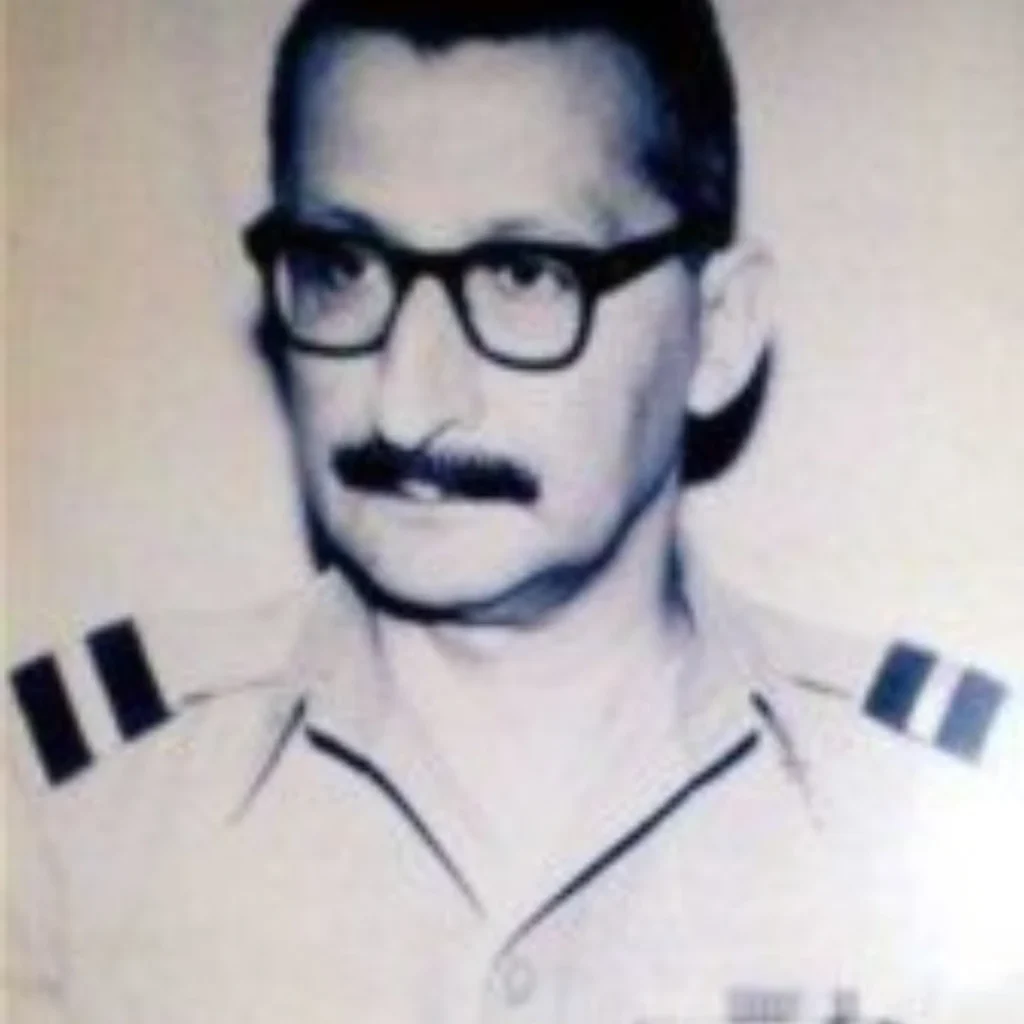
Jemi Manekshaw, formally known as Air Vice Marshal Jemi Harmusji Framji Manekshaw, was a distinguished Indian Air Force medical officer who made important contributions to military medicine and aviation medicine. He served during World War II, supported medical evacuation operations during the Kashmir conflict of 1947–1948, and helped improve the medical care available to military aircrew and injured personnel. His career combined medical expertise, operational service, research and leadership. Although he is often remembered in connection with his elder brother, Field Marshal Sam Manekshaw, Jemi established his own professional legacy through decades of service in India’s armed forces.
Who Is Jemi Manekshaw?
Jemi Manekshaw was a senior officer in the Indian Air Force who specialized in aviation medicine, the branch of medicine concerned with the health, fitness and safety of people who fly. His work involved military medical services, casualty evacuation, aviation-related research and the medical requirements of aircrew. He served in important medical appointments, including Commandant of the Institute of Aviation Medicine and Director of Medical Research in the Armed Forces Medical Services.
His professional journey extended beyond hospital-based medicine. He understood how flying conditions, altitude and oxygen availability could affect the health of military personnel. By combining medical knowledge with practical flying experience, he helped strengthen the relationship between aviation operations and medical preparedness in the Indian Air Force. His achievements earned him senior military recognition and established him as an important figure in the history of Indian military aviation medicine.
Jemi Manekshaw Biography Overview
| Biography Detail | Information |
|---|---|
| Full Name | Jemi Harmusji Framji Manekshaw |
| Common Name | Jemi Manekshaw or Jemiji |
| Profession | Military doctor and aviation medicine specialist |
| Nationality | Indian |
| Date of Birth | 28 October 1916 |
| Place of Birth | Exact birthplace not firmly established |
| Date of Death | 5 June 1998 |
| Age at Death | 81 years |
| Father | Dr. Hormusji Manekshaw |
| Mother | Hilla Manekshaw |
| Famous Sibling | Field Marshal Sam Manekshaw |
| Wife | Bhicoo Manekshaw |
| Medical Qualification | MBBS, associated with Punjab University |
| Military Service | Indian Air Force and Armed Forces Medical Services |
| Service Number | 2690 MED |
| Specialization | Aviation medicine |
| Highest Rank | Air Vice Marshal |
| Major Appointment | Commandant, Institute of Aviation Medicine |
| Other Senior Appointment | Director of Medical Research, Armed Forces Medical Services |
| First Major Award | Ati Vishisht Seva Medal (AVSM), 1971 |
| Second Major Award | Param Vishisht Seva Medal (PVSM), 1976 |
| Flying Experience | More than 700 hours, including solo flying |
| Year of Retirement | Approximately 1975–1976 |
| Known For | Advancing aviation medicine and organizing high-altitude medical evacuations |
Jemi Manekshaw Age and Birth Details
Jemi Manekshaw was born on 28 October 1916. He belonged to the Manekshaw family, which became widely known in Indian military history through the distinguished careers of its members. His elder brother, Sam Manekshaw, later became India’s first Field Marshal, while Jemi pursued a different path through medicine and the Indian Air Force. Although the two brothers served in different branches of the armed forces, both developed reputations for professional competence and dedicated service.
Jemi was 81 years old when he died on 5 June 1998. His career spanned important periods in Indian history, including the final years of British rule, the Second World War, the Partition of India and the early decades of the independent Indian republic. These events shaped the demands placed on military medical services and created opportunities for specialists who could combine clinical knowledge with operational experience. His professional achievements were particularly significant because aviation medicine was still developing as a specialized field in India.
Jemi Manekshaw Early Life and Family Background
Jemi Manekshaw grew up in a Parsi family whose values emphasized education, discipline and professional achievement. His father, Hormusji Manekshaw, was a doctor, and the family’s connection with medicine and military service influenced the environment in which the children were raised. The Manekshaw household valued learning, responsibility and the importance of building a meaningful career. These influences formed part of the background against which Jemi later chose a profession that combined medical science with military service.
His early years coincided with a period when India was under British rule and opportunities for Indians in senior military and technical positions were gradually expanding. Medicine was an established professional route for educated Indians, while military medicine offered the additional challenge of serving personnel in demanding environments. Jemi eventually entered this field and developed a specialization that required knowledge of human physiology, aircraft operations, altitude-related medical risks and the physical demands of flying.
His family background is an important part of his biography, but his achievements should not be understood only through his famous surname. Jemi developed a distinct professional identity through his work in the Indian Air Force. His later assignments involved medical administration, specialist training, operational planning and research, demonstrating how a medical officer could contribute directly to the effectiveness of military aviation.
Jemi Manekshaw’s Parents and Siblings
Jemi was the youngest child in a family of six children born to Dr. Hormusji Manekshaw and Hilla Manekshaw. His father was a medical professional, while his mother managed the family and maintained its household traditions. The family included children who pursued different professional paths, reflecting the importance placed on education and career development.
| Family Member | Relationship | Known Information |
|---|---|---|
| Dr. Hormusji Manekshaw | Father | Doctor and former military medical officer |
| Hilla Manekshaw | Mother | Known for managing the household and preserving family traditions |
| Fali Manekshaw | Elder brother | Associated with engineering |
| Jan Manekshaw | Elder brother | Associated with engineering |
| Silla Manekshaw | Elder sister | Associated with teaching |
| Sehroo Manekshaw | Elder sister | Associated with teaching |
| Sam Manekshaw | Elder brother | Senior Indian Army officer and India’s first Field Marshal |
| Jemi Manekshaw | Youngest child | Indian Air Force medical officer and aviation medicine specialist |
The family’s professional diversity is noteworthy. Some siblings pursued civilian professions, while Sam and Jemi entered military service. Sam became famous for his leadership of the Indian Army, especially during the 1971 India–Pakistan War, whereas Jemi concentrated on medical support, aviation safety and research. Their careers illustrate two different but complementary forms of service to the country.
Relationship with Field Marshal Sam Manekshaw
Jemi Manekshaw was the younger brother of Field Marshal Sam Hormusji Framji Jamshedji Manekshaw, popularly known as Sam Bahadur. Sam became one of the most celebrated military leaders in Indian history and was appointed India’s first Field Marshal. His leadership during the 1971 war played a major role in India’s military victory and the creation of Bangladesh. Because of Sam’s national recognition, Jemi is sometimes introduced primarily as his younger brother.
However, Jemi’s own career deserves separate attention. While Sam served in the Indian Army and rose to its highest ceremonial military rank, Jemi built his professional life in military medicine and the Indian Air Force. His work required specialist knowledge, administrative ability and an understanding of how medical services could support operational readiness. His achievements in aviation medicine gave him a reputation beyond his family connections.
The brothers shared a background shaped by their father’s medical profession and the family’s emphasis on discipline. Sam reportedly took pride in Jemi’s service and professional accomplishments. Their careers demonstrate that military contribution is not limited to combat command: medical specialists also play a vital role by protecting personnel, improving survival during emergencies and ensuring that aircrew remain medically fit for demanding duties.
Education and Medical Training
Jemi Manekshaw’s education provided the foundation for his later career as a military doctor. He attended Sherwood College in Nainital, the same school associated with his elder brother Sam. He subsequently studied medicine and is identified in professional aviation medicine material as an MBBS graduate associated with Punjab University. His medical qualification prepared him for the clinical responsibilities required in the armed forces.
Medical training was especially important for an officer entering aviation medicine. Unlike general medical practice, aviation medicine examines how flying affects the human body and how medical conditions can influence the safety of flight operations. Military specialists must understand the effects of altitude, reduced oxygen availability, acceleration, pressure changes, fatigue and the physical demands placed on aircrew. Jemi’s later career showed how these areas could be connected with practical military requirements.
In 1948, he was selected for advanced training in aviation medicine at the US Naval Aerospace Medical Institute. Following this course, he undertook flight training and earned the wings of a flight surgeon. This combination of medical education and flying experience helped him understand aviation-related health challenges from both the medical and operational perspectives. It became one of the defining features of his professional career.
Jemi Manekshaw’s Military Career
Jemi Manekshaw joined the Army Medical Corps in February 1943 and was transferred to the Indian Air Force in July of the same year. He was among the early medical officers assigned to the Air Force, at a time when military aviation was expanding and specialist medical support was becoming increasingly important. His service began during the Second World War, when air operations placed significant demands on medical personnel responsible for pilots, aircrew and ground staff.
His military career involved much more than treating individual patients. He served in operational medical appointments, commanded medical training facilities and worked on the planning and distribution of medical services. These responsibilities required coordination between doctors, commanders, technical personnel and operational units. As aircraft became more capable and missions involved increasingly demanding flying conditions, the Air Force needed medical officers who could address problems arising directly from aviation.
Jemi progressed through the military ranks over several decades. His appointments included senior medical responsibilities in operational formations, service in the Eastern Air Command, overseas medical advisory duties and leadership of the Institute of Aviation Medicine. In March 1973, he became Director of Medical Research in the Armed Forces Medical Services at the rank of Air Vice Marshal. His career is an example of how specialist medical knowledge could lead to senior leadership positions in the armed forces.
World War II Service and Arakan Campaign
Jemi Manekshaw began his military medical career during World War II, a period when the Indian Air Force operated in challenging conditions across the South Asian and Southeast Asian theatres. He served with No. 4 Squadron and saw active service during the Arakan campaign against Japanese forces. The Arakan region, in present-day Myanmar, was a demanding operational area where difficult terrain, weather and limited transport infrastructure complicated military activities.
Medical officers working in such conditions had to respond to injuries, illnesses and the physical pressures experienced by service personnel. Air operations could involve remote locations, long missions and limited access to established medical facilities. The availability of effective medical support was therefore an important part of maintaining operational strength and helping injured personnel receive treatment.
Jemi’s wartime experience gave him practical exposure to the relationship between flying operations and medical care. This experience would later prove relevant to his work in aviation medicine, where medical planning had to account for aircraft performance, altitude and the health of personnel during flight. His service during the Arakan campaign was an early stage in a career that increasingly focused on making military aviation safer and improving medical support for air operations.
Role in the Kashmir Operations of 1947–1948
The Kashmir operations following the Partition of India created urgent medical and logistical challenges for the armed forces. Remote forward areas, difficult terrain and limited road access made it difficult to move sick and wounded personnel to suitable medical facilities. Aircraft became an important means of transporting personnel and supplies, but evacuation by air required careful medical planning, particularly when flights involved high-altitude routes.
During the Kashmir operations, Jemi served as Senior Medical Officer of an operational group of the Indian Air Force. He helped organize the regular air transportation of sick and wounded personnel from forward areas. His work contributed to a more systematic approach to medical evacuation, reducing dependence on difficult ground routes and helping injured personnel reach treatment facilities.
One of his most significant contributions involved suggesting modifications to Dakota aircraft through the installation of portable oxygen equipment. This helped support the evacuation of casualties from altitudes above 10,000 feet, where reduced oxygen availability could create serious medical risks. The innovation demonstrated how medical officers could improve operational procedures by identifying a health problem and proposing a practical technical solution.
His work during this period was important because it connected medical planning with aircraft configuration and flight conditions. It showed that casualty evacuation was not simply a matter of transporting a patient; the aircraft environment itself could affect the patient’s condition. Jemi’s contribution helped establish the value of aviation medicine in real operational settings.
Contribution to Aviation Medicine
Aviation medicine became the central theme of Jemi Manekshaw’s professional life. It focuses on understanding how flight conditions affect the human body and how medical procedures, equipment and training can reduce the risks associated with flying. Military pilots and aircrew may experience high altitude, reduced oxygen pressure, acceleration forces, fatigue and other stresses that are less common in ordinary working environments. These factors require specialized medical assessment and preparation.
Jemi contributed to the development of this field in the Indian Air Force through specialist training, medical administration, research and institutional leadership. He worked on aeromedical problems that emerged as aircraft became faster and more advanced. The introduction of high-performance aircraft created new demands for evaluating pilot fitness, understanding the physiological effects of flight and ensuring that medical standards kept pace with technological changes.
His contribution was particularly valuable because he combined medical qualifications with practical flying experience. Understanding the aircraft environment helped him recognize why a medical issue might become more serious during flight than it would on the ground. His career helped strengthen the role of specialist medical officers in aviation safety, operational readiness and the continuing development of military aeromedical services.
Advanced Aviation Medicine Training in the United States
In 1948, Jemi Manekshaw was selected for advanced training in aviation medicine at the US Naval Aerospace Medical Institute. This opportunity came at a time when specialist knowledge of flight physiology and aviation-related health risks was becoming increasingly important for modern air forces. Training in the United States exposed him to advanced approaches to aeromedical assessment and the scientific study of human performance during flight.
After completing the advanced course, he was selected for additional flight training. He earned the wings of a flight surgeon, an achievement that reflected the combination of medical expertise and practical understanding of aviation. This qualification distinguished his professional background from that of doctors whose work was limited to conventional clinical settings.
The training helped prepare him for later assignments involving the medical needs of aircrew and the introduction of more advanced aircraft into the Indian Air Force. It also strengthened his ability to understand the physiological challenges associated with altitude, oxygen availability and flight performance. His American training became an important milestone in his development as an aviation medicine specialist.
Role as Commandant of the Institute of Aviation Medicine
One of Jemi Manekshaw’s most important professional achievements was his service as Commandant of the Institute of Aviation Medicine in Bangalore, now known as the Institute of Aerospace Medicine. The institution specializes in medical research, evaluation and training related to military aviation. Its work supports the health and performance of aircrew while helping the Air Force address medical challenges created by modern aircraft and flight operations.
Jemi held the commandant’s appointment during multiple periods, beginning in 1959 and again from 1967 to early 1973. Across these postings, he served under different ranks as his career progressed. His leadership helped develop the institution’s capabilities and supported the introduction of modern research and evaluation techniques relevant to the changing needs of military aviation.
His work involved both administration and specialist development. A successful aviation medicine institution requires trained personnel, appropriate medical facilities, scientific assessment methods and close coordination with operational units. Jemi’s leadership helped strengthen these areas and reinforced the importance of evidence-based medical decisions in aviation. His association with the institution remains one of the strongest elements of his professional legacy.
International Assignment in the United Kingdom
In 1961, Jemi Manekshaw was appointed Deputy Air Adviser (Medical) at the High Commission of India in the United Kingdom. The assignment placed him in an international advisory role at a time when the Indian Air Force was introducing high-performance aircraft and facing new aeromedical challenges. The medical requirements of faster aircraft could differ significantly from those associated with earlier generations of military aviation.
In this position, Jemi helped address aeromedical problems affecting Indian Air Force personnel. His work involved applying specialist medical knowledge to questions raised by changing aircraft technology and operational practices. International cooperation and access to technical knowledge were important in helping military medical services respond to these challenges.
The UK assignment demonstrated that his expertise was relevant beyond individual military units or medical institutions. He was trusted to represent Indian Air Force medical interests in an overseas setting and contribute to resolving specialist problems. His experience abroad also complemented his earlier advanced training in the United States, giving him a broader understanding of aviation medicine and its practical applications.
Director of Medical Research in Armed Forces Medical Services
In March 1973, Jemi Manekshaw was appointed Director of Medical Research in the office of the Director General Armed Forces Medical Services. He assumed this responsibility at the rank of Air Vice Marshal, a senior position that reflected his experience in military medicine and aviation-related research. The appointment placed him in a role where medical knowledge had to be connected with institutional planning and the wider needs of the armed forces.
Medical research is essential to military preparedness because service personnel face health risks that may differ from those found in civilian populations. Research can help improve preventive medicine, treatment methods, fitness assessments and the effectiveness of medical equipment. In aviation, it is particularly important for understanding the physiological effects of flight and developing procedures that protect aircrew during demanding operations.
Jemi’s appointment reflected confidence in his professional judgment and administrative ability. His responsibility was not limited to one hospital or one Air Force unit; it involved helping organize and improve research within the broader armed forces medical system. He served in this senior appointment during the later part of his career and retired approximately in the mid-1970s.
Jemi Manekshaw’s Rank and Professional Achievements
Jemi Manekshaw rose through the ranks of the military medical establishment, eventually becoming an Air Vice Marshal in the Indian Air Force. His promotions reflected years of specialist service, medical administration, operational responsibilities and leadership. Unlike officers whose careers were primarily based on combat command, his advancement was built on the importance of medical expertise in maintaining the effectiveness of military aviation.
His recorded promotions included Flying Officer in February 1943, Flight Lieutenant in February 1944, Squadron Leader in February 1951, Wing Commander in August 1961 and Group Captain in November 1966. He became Air Commodore in March 1973 and attained the rank of Air Vice Marshal during the same month. These appointments show the progression of a medical specialist into the senior leadership structure of the armed forces.
Among his most notable achievements were organizing medical evacuation during the Kashmir operations, completing advanced aviation medicine training in the United States, earning flight-surgeon wings, advising on aeromedical problems involving high-performance aircraft and leading the Institute of Aviation Medicine. His appointment as Director of Medical Research further demonstrated the value of his expertise. Together, these accomplishments established him as an important figure in the development of Indian military aviation medicine.
Awards and Honours
Jemi Manekshaw received two of India’s distinguished service awards in recognition of his professional contributions and leadership. These honours reflected his work in operational medical services, aviation medicine, institutional development and military medical research. They were awarded during different stages of his career as he continued to take on greater responsibilities.
| Award | Year | Significance |
|---|---|---|
| Ati Vishisht Seva Medal (AVSM) | 1971 | Recognized distinguished service of an exceptionally high order |
| Param Vishisht Seva Medal (PVSM) | 1976 | Recognized exceptional service at the senior level |
The Ati Vishisht Seva Medal recognized his distinguished contribution to military medical duties, including operational responsibilities and his work in aviation medicine. His service as Commandant of the Institute of Aviation Medicine and his role in improving aeromedical evaluation were important elements of his professional record.
The Param Vishisht Seva Medal recognized his exceptional service at a senior level. By this stage, his career included leadership of specialist medical institutions, international advisory responsibilities and oversight of medical research. These honours form an important part of his legacy and reflect the recognition he received for work that supported the armed forces beyond the battlefield.
Jemi Manekshaw’s Flying Experience
One distinctive feature of Jemi Manekshaw’s career was his practical experience as a flyer. He accumulated more than 700 hours of flying, including solo flying. This was significant for a military doctor because it allowed him to understand aviation conditions from the perspective of someone who had experienced flight rather than studying it only through medical theory.
Flying experience was particularly relevant to his work in aviation medicine. Aircraft crews operate in environments where altitude, oxygen pressure, acceleration and fatigue can affect human performance. A medical specialist who understands these conditions can better evaluate the risks faced by pilots and help develop procedures that address them. Jemi’s experience supported his broader work on flight safety and aeromedical assessment.
His flight-surgeon training also reflected the close connection between medicine and aviation in his career. By combining clinical education, specialist training and practical flying, he developed a professional background suited to the needs of a modernizing air force. His flying hours were not merely a personal accomplishment; they formed part of the experience that informed his work in military aviation medicine.
Personal Life and Relationships
Although Jemi Manekshaw held senior military appointments and received national honours, detailed information about his personal life is less widely documented than his professional record. Most biographical accounts focus on his medical career, military service and relationship with his famous elder brother. This is understandable because his work in aviation medicine was the principal reason for his recognition in military history.
He belonged to a Parsi family with strong professional traditions. His upbringing and family relationships formed part of his personal background, while his military career required discipline, frequent postings and a commitment to the demands of service. His work took him to operational locations, specialist institutions and overseas assignments, suggesting a professional life shaped by considerable responsibility.
His marriage to Bhicoo Manekshaw is documented in published family recollections. However, detailed information about their private household, daily routine, social activities and other personal matters is limited.
Wife and Children
Jemi Manekshaw was married to Bhicoo Manekshaw. She is mentioned in family recollections and is known for her interest and expertise in cooking. Her recollections also provide a glimpse into the family’s domestic traditions and the household environment in which Jemi grew up and lived.
| Family Detail | Information |
|---|---|
| Wife | Bhicoo Manekshaw |
| Marriage Details | Exact wedding date is not firmly established |
| Children | Reliable, consistent public details about his children are limited |
| Family Life | Private family details are not extensively documented |
Lifestyle and Interests
Jemi Manekshaw’s professional life was shaped by medicine, aviation and military service. His appointments demanded scientific knowledge, careful judgment and the ability to work within a disciplined organization. His career also involved travel, specialist training and administrative responsibilities, all of which required adaptability and a willingness to keep pace with changes in military technology.
The wider Manekshaw family was associated with education, music, gardening and traditional Parsi household customs. Family recollections describe a close-knit home in which food and family gatherings were important. These details offer a limited glimpse of the environment in which Jemi grew up, but they do not establish his own complete list of personal hobbies.
There is insufficient reliable information to describe his daily fitness routine, favourite foods, entertainment preferences or other individual lifestyle habits in detail. His documented legacy rests primarily on his service record, flying experience, medical leadership and contribution to aviation medicine. Keeping the distinction clear helps ensure that his biography remains informative without inventing personal details.
Jemi Manekshaw’s Net Worth and Income Sources
Jemi Manekshaw’s exact net worth is not publicly established. He was a career military medical officer whose professional income would have come primarily from his service in the armed forces. His advancement through the ranks and appointment to senior medical positions would have determined his official pay and associated service benefits.
Military compensation during his career would have included salary and, depending on eligibility and service rules, applicable allowances and retirement benefits. However, there is no reliable public financial statement that establishes the total value of his assets, savings, property or investments. Assigning him a specific net worth would therefore be speculative.
| Financial Detail | Information |
|---|---|
| Estimated Net Worth | Not publicly confirmed |
| Main Income Source | Military medical service |
| Professional Earnings | Salary based on rank and appointments |
| Possible Service Benefits | Benefits applicable under the military rules of his time |
| Property and Investments | Reliable public valuation unavailable |
| Private Business Income | No verified information establishing a separate business income |
Jemi Manekshaw Death and Legacy
Jemi Manekshaw died on 5 June 1998, at the age of 81 according to his birth and death dates. His death came before that of his elder brother Sam Manekshaw, who died in 2008. Although public attention has often focused on Sam’s role in Indian military history, Jemi left a separate legacy through his work in military medicine and aviation science.
His contribution to aviation medicine was significant because it helped establish the importance of specialist medical knowledge in an increasingly technological air force. His work on casualty evacuation during the Kashmir operations demonstrated how medical planning and aircraft equipment could work together to improve the transportation of sick and wounded personnel. His later appointments supported research, aeromedical assessment and the development of specialist institutions.
The Institute of Aviation Medicine in Bangalore remains an important part of India’s military aeromedical system. Jemi’s repeated service as its Commandant placed him among the officers who helped shape its development during a formative period. His work also illustrated why medical officers must understand the aircraft environment, not merely the clinical condition of an individual patient.
His legacy is therefore both personal and institutional. He is remembered as a pioneer of aviation medicine in India, an experienced military doctor and a senior officer who helped connect medical science with the operational needs of the Air Force. His career shows that protecting the health of military personnel is itself a major contribution to national defence.
Interesting Facts About Jemi Manekshaw
- Jemi Manekshaw was the younger brother of Sam Manekshaw: Both brothers served the country, but in different branches and professional roles.
- Jemi was born in 1916: His life spanned the colonial period, the Second World War and the early decades of independent India.
- Manekshaw joined the Army Medical Corps in 1943: His military medical career began during World War II.
- Jemi Manekshaw served with No. 4 Squadron: He saw active service during the Arakan campaign against Japanese forces.
- Jemi helped improve medical evacuation: During the Kashmir operations, he helped organize regular air transportation for sick and wounded personnel.
- Manekshaw supported the use of portable oxygen equipment: His recommendations for Dakota aircraft helped make casualty evacuation from high-altitude areas more practical.
- Jemi Manekshaw received advanced training in the United States: His aviation medicine course expanded his specialist knowledge.
- Jemi earned flight-surgeon wings: He combined medical qualifications with practical flying training.
- Manekshaw logged over 700 flying hours: His experience included solo flying.
- Jemi Manekshaw served in the United Kingdom: As Deputy Air Adviser (Medical), he helped address aeromedical problems associated with advanced aircraft.
- Jemi led the Institute of Aviation Medicine multiple times: His command appointments covered different periods and ranks.
- Manekshaw became an Air Vice Marshal: He reached a senior leadership rank through a career in military medicine.
- Jemi Manekshaw received two distinguished service awards: His honours included the AVSM in 1971 and the PVSM in 1976.
- Jemi became Director of Medical Research in 1973: This appointment placed him in a senior role within the Armed Forces Medical Services.
- His exact net worth is unknown.
Conclusion
Jemi Manekshaw was a distinguished Indian Air Force medical officer whose contribution to aviation medicine deserves greater recognition. Born on 28 October 1916, he joined the Army Medical Corps in 1943 before transferring to the Indian Air Force. His service during World War II and the Kashmir operations gave him practical experience of the medical challenges associated with military aviation and casualty evacuation.
His achievements extended to advanced training in the United States, flight-surgeon qualifications, more than 700 flying hours and repeated appointments as Commandant of the Institute of Aviation Medicine. His later role as Director of Medical Research and his receipt of the Ati Vishisht Seva Medal and Param Vishisht Seva Medal further reflected his professional standing. Although his name is often associated with Field Marshal Sam Manekshaw, Jemi established an independent legacy through his work in military medicine. His career remains an important chapter in the development of aviation medicine in India.
FAQs
Who was Jemi Manekshaw?
Jemi Manekshaw was an Indian Air Force medical officer who specialized in aviation medicine. He reached the rank of Air Vice Marshal and contributed to medical evacuation, aeromedical research and specialist medical training.
What was Jemi Manekshaw’s full name?
His full name was Jemi Harmusji Framji Manekshaw. He was also known as Jemiji Manekshaw.
When was Jemi Manekshaw born?
He was born on 28 October 1916.
When did Jemi Manekshaw die?
He died on 5 June 1998, aged 81 based on his recorded birth and death dates.
Was Jemi Manekshaw related to Sam Manekshaw?
Yes. Jemi was the younger brother of Field Marshal Sam Manekshaw, India’s first Field Marshal.
Who was Jemi Manekshaw’s wife?
His wife was Bhicoo Manekshaw.
What was Jemi Manekshaw’s profession?
He was a military doctor and aviation medicine specialist in the Indian Air Force.
What was Jemi Manekshaw’s highest rank?
He attained the rank of Air Vice Marshal, a senior rank in the Indian Air Force.
What were Jemi Manekshaw’s major achievements?
His major achievements included improving medical evacuation during the Kashmir operations, completing advanced aviation medicine training in the United States, earning flight-surgeon wings, leading the Institute of Aviation Medicine and serving as Director of Medical Research.
What awards did Jemi Manekshaw receive?
He received the Ati Vishisht Seva Medal in 1971 and the Param Vishisht Seva Medal in 1976.
How many flying hours did Jemi Manekshaw have?
He had more than 700 hours of flying experience, including solo flying.
What was Jemi Manekshaw’s net worth?
His net worth has not been reliably documented. His known professional income came primarily from his military medical career.
Why is Jemi Manekshaw important in Indian history?
He is important for his contribution to aviation medicine, his role in organizing air evacuation of sick and wounded personnel and his leadership in military medical research and training.
What is Jemi Manekshaw’s legacy?
His legacy lies in strengthening aviation medicine within the Indian Air Force and demonstrating how medical science, flying experience and operational planning can work together to improve military safety and medical care.
Also, Read About: Vivek Ram Chaudhari || Captain Manoj Kumar Pandey || Jaskirat Singh Rangi || RS Dhaliwal || Abhinandan Varthaman || Sanjay Kapoor || Mamman Khan || Dr. Indranil Khan || Brigadier Hoshiar Singh || Captain Pawan Kumar || Anil Deshmukh || Jahangir Khan TMC || Raghav Chadha || Suvendu Adhikari