Blog

  • Major Mohit Sharma Story, Biography, Wife, Death, Ashok Chakra & More

    Major Mohit Sharma Story, Biography, Wife, Death, Ashok Chakra & More

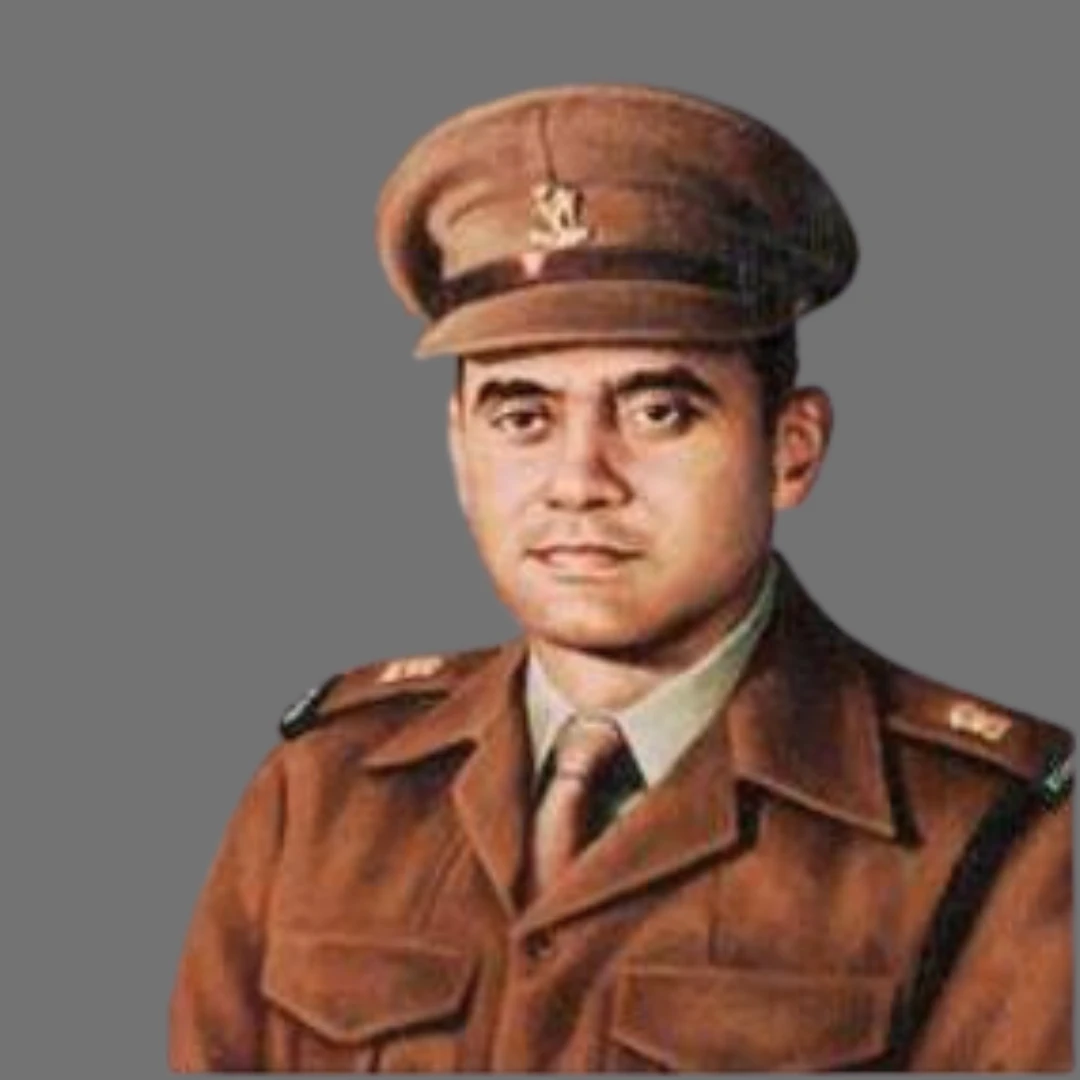
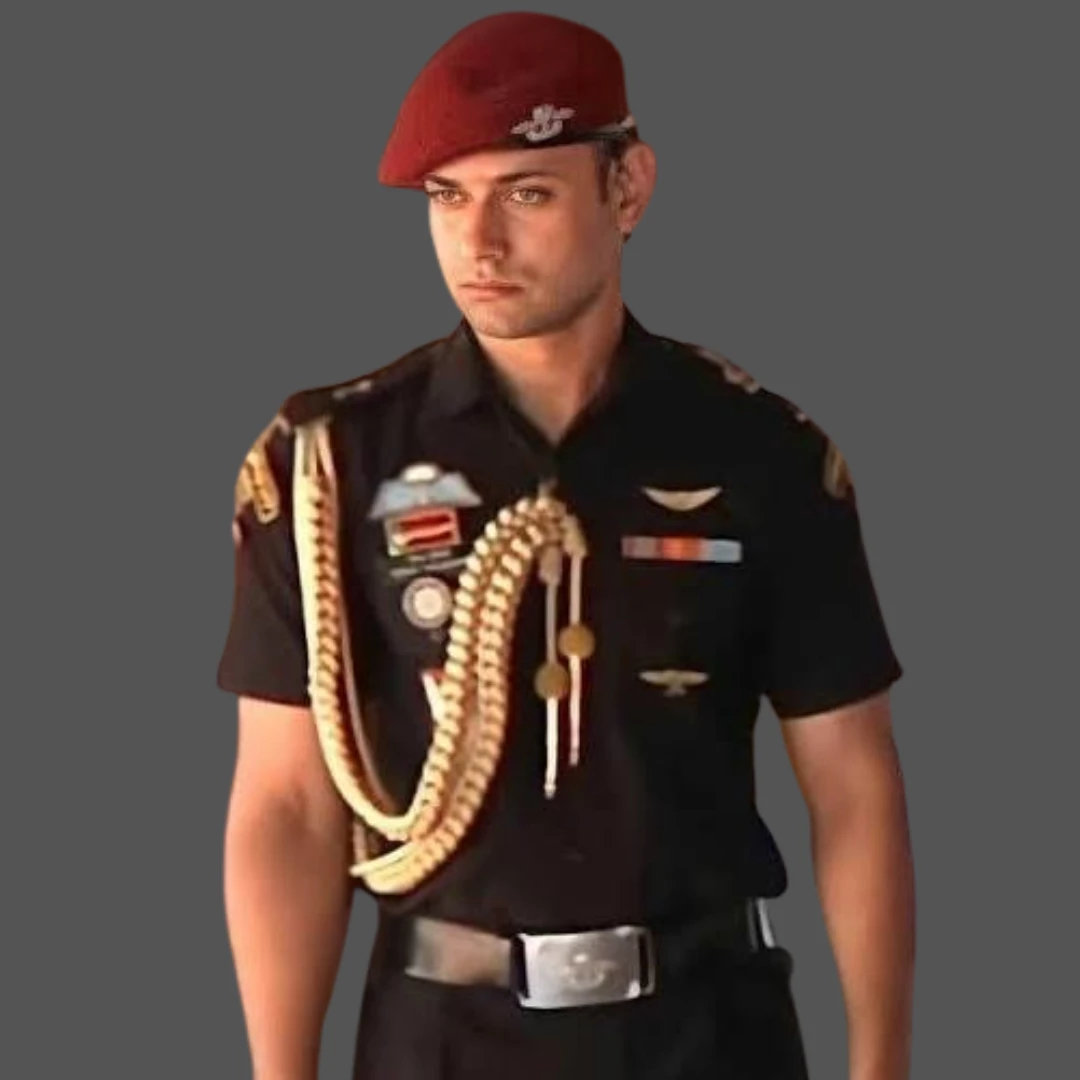
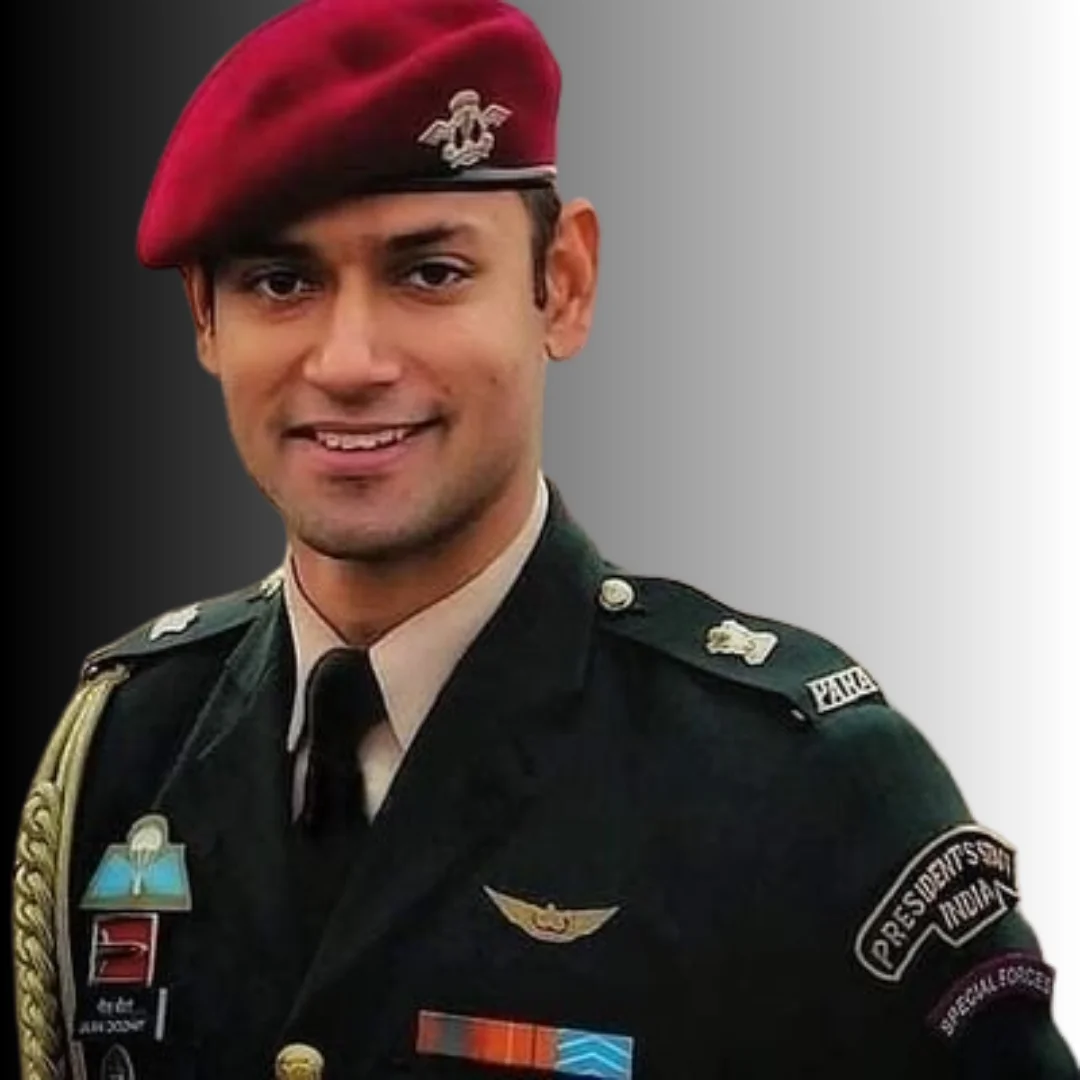
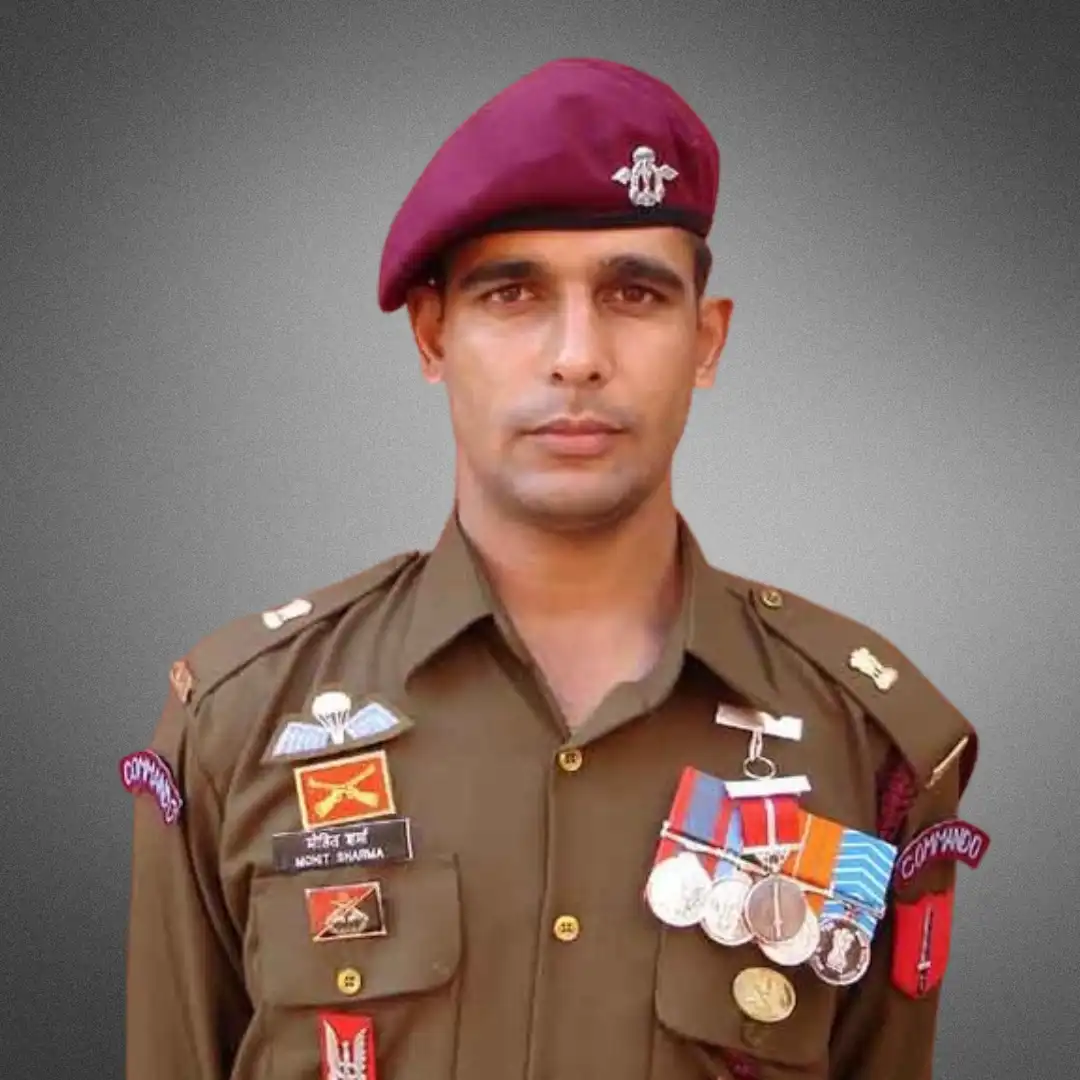
    When people talk about India’s bravest soldiers, the name Major Mohit Sharma, Ashok Chakra (Posthumous), Sena Medal is remembered with immense respect. He was not only an elite 1 PARA (Special Forces) officer but also a fearless leader who always placed the lives of his fellow soldiers above his own. His courage extended beyond the battlefield. He willingly entered the dangerous world of terrorism under a false identity, gathered crucial intelligence for the Indian Army, and later sacrificed his life while rescuing his comrades during one of the toughest counter-terrorism operations in Kashmir.

    Major Mohit Sharma’s story is much more than a tale of bravery. It is the inspiring journey of a young man who dreamed of serving the nation, trained relentlessly to become one of India’s finest Special Forces officers, and ultimately earned the country’s highest peacetime gallantry award the Ashok Chakra. His life continues to inspire defence aspirants, soldiers, and millions of Indians who believe that true patriotism is demonstrated through action.

    This biography explores every important chapter of his life, including his childhood, education, military journey, undercover missions, leadership qualities, and the supreme sacrifice that made him immortal in the history of the Indian Army.

    Major Mohit Sharma Quick Overview

    ParticularDetails
    Full NameMajor Mohit Sharma
    NicknamesChintu (Family), Mike (Army Friends)
    RankMajor
    Service NumberIC-59066N
    Birth Date13 January 1978
    BirthplaceRohtak, Haryana, India
    HometownGhaziabad, Uttar Pradesh
    NationalityIndian
    ProfessionIndian Army Officer
    Regiment5 Madras Regiment
    Special Unit1 PARA (Special Forces)
    Service Years1999–2009
    EducationNational Defence Academy (NDA), Indian Military Academy (IMA)
    AwardsAshok Chakra (Posthumous), Sena Medal, COAS Commendation Card
    WifeMajor Rishima Sharma
    Martyrdom21 March 2009
    Place of MartyrdomHafruda Forest, Kupwara, Jammu & Kashmir

    Who Was Major Mohit Sharma?

    Major Mohit Sharma was one of the most courageous officers in the history of the Indian Army. Serving with the elite 1 PARA (Special Forces), he became known for accepting missions that required exceptional courage, patience, intelligence, and leadership. Unlike conventional military operations, Special Forces missions often take place deep inside hostile territory where a single mistake can put an entire team at risk.

    He believed that true leadership meant leading from the front instead of giving orders from behind. Whether conducting covert intelligence missions or leading assault teams through dense forests, he consistently volunteered for the most dangerous responsibilities.

    Although his military career lasted less than a decade, it left an unforgettable impact. Before receiving the Ashok Chakra, he was awarded the Sena Medal for successfully carrying out an undercover mission in Jammu and Kashmir. During that operation, he disguised himself as a local Kashmiri youth, infiltrated a terrorist network, gathered vital intelligence, and helped security forces eliminate several dangerous militants.

    His final operation in the Hafruda forests of Kupwara became one of the greatest examples of courage and selfless leadership in Indian military history.

    Major Mohit Sharma Early Life

    Every great soldier begins life as an ordinary child with extraordinary dreams. Major Mohit Sharma was born into a middle-class family that valued discipline, honesty, and education. From an early age, he displayed qualities that later shaped him into an exceptional Army officer. He was energetic, fearless, curious, and always willing to take on new challenges.

    His family lovingly called him “Chintu,” while his fellow officers later knew him as “Mike.” As a student, he loved outdoor activities, sports, and adventure. Rather than choosing the easier path, he constantly looked for opportunities to challenge himself physically and mentally.

    People who knew him during his childhood often described him as cheerful, confident, and naturally gifted with leadership qualities. He could easily make friends, motivate others, and take responsibility during group activities. These qualities became his greatest strengths during his military career.

    Instead of growing up with a desire for comfort, he developed a mindset focused on discipline, hard work, and service to the nation.

    Major Mohit Sharma Date of Birth, Age & Birthplace

    Major Mohit Sharma was born on 13 January 1978 in Rohtak, Haryana. His family later settled in Ghaziabad, Uttar Pradesh, where he spent much of his childhood and completed his education.

    He attained martyrdom on 21 March 2009 during a counter-terrorism operation in the dense Hafruda Forest of Kupwara district in Jammu and Kashmir. At the time of his sacrifice, he was just 31 years old, yet his achievements had already secured him a permanent place among India’s greatest military heroes.

    Family Background of Major Mohit Sharma

    Major Mohit Sharma belonged to a supportive and close-knit family. His father, Rajendra Prasad Sharma, and mother, Sushila Sharma, always encouraged him to pursue his dreams, even when they involved choosing one of the most challenging professions in the country.

    The values he learned at home played a significant role in shaping his personality. Discipline, honesty, respect, and dedication were not merely lessons but principles that guided his everyday life.

    Although his parents understood the dangers associated with military service, they never discouraged his ambitions. Instead, they stood firmly behind his decision to serve the nation with honour and courage.

    Even after his martyrdom, his family has continued to preserve his legacy by inspiring young Indians through his remarkable story of sacrifice and patriotism.

    Major Mohit Sharma Education & School Life

    Major Mohit Sharma completed his early education at reputed schools before finishing his higher secondary education at Delhi Public School (DPS), Ghaziabad, in 1995. Before studying at DPS, he attended Manav Sthali School in Delhi and Holy Angels’ School in Sahibabad.

    Teachers remembered him as a disciplined and intelligent student who balanced academics with sports and extracurricular activities. Rather than focusing only on examination results, he believed in developing a well-rounded personality.

    After completing school, he briefly joined Shri Sant Gajanan Maharaj College of Engineering in Shegaon, Maharashtra. Although engineering offered a promising career, he soon realised that his true passion was serving the nation through the armed forces.

    Major Mohit Sharma Dream of Joining the Indian Army

    For Mohit Sharma, joining the Indian Army was never just a career choice it was his lifelong dream.

    From a young age, he admired soldiers who protected India’s borders under extremely difficult conditions. Their stories of courage, sacrifice, and patriotism inspired him to dedicate his own life to the nation.

    While many of his classmates planned conventional careers, Mohit began preparing for the National Defence Academy (NDA) examination. His determination was so strong that after receiving admission to an engineering college, he chose to leave it behind when he qualified for the NDA.

    Many people were surprised by his decision because engineering promised a secure future, while military service demanded courage and sacrifice. However, Mohit believed that true satisfaction came from serving a purpose greater than oneself.

    That single decision changed the course of his life and eventually made him one of India’s most respected military heroes.

    Training at NDA and Indian Military Academy

    Selection into the National Defence Academy (NDA) marks the beginning of an extremely demanding journey. Cadets undergo rigorous physical, academic, and military training that prepares them for leadership under the toughest conditions.

    Mohit Sharma embraced every challenge with determination and enthusiasm. During his training at the NDA, he earned a reputation as an outstanding all-round cadet. He performed exceptionally well in horse riding, boxing, swimming, and physical endurance exercises. His instructors admired his discipline, while his fellow cadets respected his willingness to help others.

    After successfully completing his NDA training, he joined the Indian Military Academy (IMA), Dehradun, where his leadership abilities became even more evident. He was appointed Battalion Cadet Adjutant (BCA), one of the most prestigious appointments awarded to outstanding cadets. During his time at the academy, he also had the honour of meeting the then President of India, Dr. K. R. Narayanan.

    His instructors believed he possessed the rare combination of physical toughness, mental strength, and leadership qualities required to become an exceptional Army officer.

    Commission into the Indian Army

    On 11 December 1999, Mohit Sharma was commissioned into the 5th Battalion of the Madras Regiment, officially beginning his career in the Indian Army.

    His first posting was in Hyderabad before he was deployed with 38 Rashtriya Rifles in Jammu and Kashmir, where the Army was actively conducting counter-insurgency operations.

    Service in Kashmir exposed him to the realities of modern warfare. Operations often involved long patrols, intelligence-based missions, and encounters with heavily armed terrorists hiding in difficult mountainous terrain.

    Even during the early years of his career, Mohit displayed exceptional courage, professionalism, and leadership. His dedication earned him the Chief of Army Staff Commendation Card, recognising his outstanding contribution during counter-insurgency operations.

    This recognition further strengthened his determination to join India’s elite Special Forces.

    Joining 1 PARA (Special Forces)

    Although he had already established himself as a capable Army officer, Mohit Sharma wanted to push his limits even further. His dream was to earn the prestigious maroon beret of the Parachute Regiment (Special Forces).

    In June 2003, after successfully completing one of the toughest Special Forces probation processes in the world, he joined 1 PARA (Special Forces).

    The probation tested every aspect of a soldier’s physical and mental endurance. Candidates faced extreme fatigue, sleep deprivation, long-distance marches, survival training, continuous field exercises, and intense psychological challenges. Only a small number of volunteers completed the course successfully.

    For Mohit Sharma, becoming part of the Special Forces was not just a professional achievement it was the fulfilment of a lifelong ambition.

    Why Major Mohit Sharma Chose Special Forces

    Many officers choose to continue serving in regular infantry units, but Mohit Sharma wanted to challenge himself every single day. He believed that the Special Forces represented the highest standards of military excellence.

    Special Forces personnel are trained for missions such as hostage rescue, deep reconnaissance, counter-terrorism operations, covert surveillance, high-altitude warfare, and strategic raids. These operations demand exceptional physical fitness, mental resilience, and the ability to make critical decisions within seconds.

    Mohit’s fearless nature perfectly matched the demands of Special Forces service. He viewed difficult missions as opportunities to prove himself and contribute more effectively to national security.

    His decision reflected the qualities that defined his personality courage, determination, discipline, and an unwavering commitment to serving the nation.

    Training of a PARA SF Officer

    After joining 1 PARA (Special Forces), Major Mohit Sharma underwent advanced military training that prepared him for some of the most dangerous operations undertaken by the Indian Army.

    His training included close-quarter combat, mountain warfare, jungle survival, advanced weapon handling, tactical intelligence gathering, night operations, combat navigation, parachute jumps, hostage rescue techniques, and small-team leadership.

    The objective of this training was to prepare soldiers for situations where they would have little or no support, operate deep inside hostile territory, and make life-saving decisions under extreme pressure.

    By successfully completing this demanding training, Mohit Sharma demonstrated exceptional physical endurance, mental strength, and tactical expertise, earning his place among India’s finest Special Forces officers.

    Major Mohit Sharma Early Military Career

    The early years of Major Mohit Sharma’s military career laid the foundation for the extraordinary achievements that followed. Serving first with the Madras Regiment and later with Rashtriya Rifles, he gained extensive operational experience in Jammu and Kashmir.

    Senior officers quickly recognised his ability to remain calm under pressure. Whether leading patrols through dense forests or planning search operations in remote villages, he consistently demonstrated confidence, maturity, and sound judgment.

    His fellow soldiers trusted him because he never asked anyone to perform a task that he was unwilling to undertake himself. This leadership style earned him immense respect within his unit and established him as an ideal officer for Special Forces operations.

    These formative years provided him with the operational knowledge, local understanding, and practical experience that would later enable him to undertake one of the Indian Army’s most remarkable undercover counter-terrorism missions.

    First Counter-Insurgency Operations

    Soon after joining active service in Jammu and Kashmir, Major Mohit Sharma gained first-hand experience in counter-insurgency warfare. Unlike conventional battles, these operations demanded patience, precise planning, and constant alertness. Terrorists often hid in dense forests, remote villages, and mountainous regions, making every mission unpredictable.

    As part of 38 Rashtriya Rifles and later 1 PARA (Special Forces), Mohit participated in numerous search-and-destroy operations. He quickly earned the confidence of his senior officers because of his ability to remain calm under pressure and make sound decisions in difficult situations.

    His leadership style was different from many others. Instead of directing operations from a safe distance, he always preferred to lead from the front. Whether it involved climbing steep mountain slopes, conducting night patrols, or entering hostile areas, he believed that an officer should share every risk faced by his soldiers.

    These early operations helped him understand the tactics used by terrorist groups operating in Kashmir. He closely studied their movement patterns, communication methods, hideouts, and survival techniques. This operational knowledge later became invaluable during one of the most daring undercover missions undertaken by the Indian Army.

    Undercover Mission – The Story of “Iftikhar Bhatt”

    Among all the operations carried out by Major Mohit Sharma, his undercover mission remains one of the most remarkable examples of courage and intelligence in Indian military history.

    During the early 2000s, security forces were trying to dismantle terrorist networks operating in Jammu and Kashmir. Many of these groups had developed strong local support systems, making it extremely difficult for the Army to identify their leaders and operational bases.

    To overcome this challenge, an extraordinary plan was prepared.

    Major Mohit Sharma volunteered to infiltrate terrorist ranks by assuming the identity of a local Kashmiri youth named “Iftikhar Bhatt.” The mission required him to leave behind his real identity completely and live among heavily armed terrorists without revealing that he was an Indian Army officer.

    This was not a mission that lasted for a few hours or days. It required immense patience, mental strength, and absolute confidence. Discovery would almost certainly have resulted in torture and death.

    Despite the risks, Major Mohit Sharma accepted the assignment without hesitation because he believed that accurate intelligence could save the lives of countless soldiers and civilians.

    How Major Mohit Sharma Gained the Trust of Terrorists

    Building trust inside a terrorist network demanded far more than courage. Every word, action, and decision had to appear genuine.

    Major Mohit Sharma carefully adopted the appearance, behaviour, language, and lifestyle expected from a local resident. He learned local customs, adapted his communication style, and blended into the environment so naturally that the terrorists never suspected his true identity.

    Rather than acting in haste, he patiently earned their confidence over time. He observed conversations, understood internal hierarchies, and identified key commanders responsible for planning attacks against Indian security forces.

    His calm personality proved to be one of his greatest strengths. Even while surrounded by dangerous militants, he remained composed and focused on his objective.

    The success of the mission depended not only on his bravery but also on his intelligence, discipline, and remarkable ability to think several steps ahead of the enemy.

    Intelligence Gathered During the Secret Mission

    While operating under his false identity, Major Mohit Sharma collected intelligence that proved invaluable to the Indian Army.

    He identified terrorist hideouts hidden deep inside forests and remote villages. He gathered information about infiltration routes used to cross the Line of Control, locations where weapons and ammunition were stored, communication methods, meeting points, and future attack plans.

    Every piece of information had to be passed to Indian security forces without exposing his identity. This required careful planning and flawless execution.

    The intelligence he provided enabled the Army to launch precise operations instead of broad search missions. As a result, security forces could strike terrorist groups with greater accuracy while reducing risks to civilians and soldiers.

    Military experts often describe intelligence as the most important weapon in counter-terrorism operations, and Major Mohit Sharma demonstrated exactly why reliable intelligence can completely change the outcome of a conflict.

    Terrorists Neutralized Because of His Intelligence

    The intelligence gathered by Major Mohit Sharma directly contributed to several successful counter-terrorism operations conducted by the Indian Army.

    Based on the information he secretly supplied, security forces identified multiple terrorist hideouts, intercepted infiltration attempts, and eliminated several highly trained militants responsible for planning attacks in Jammu and Kashmir.

    These operations significantly weakened terrorist networks in the region and prevented future attacks against both civilians and security personnel.

    Although many details of these classified operations remain confidential even today, it is widely acknowledged that his undercover mission saved numerous lives and became one of the finest intelligence successes achieved by the Indian Army during that period.

    His willingness to risk his own life for the safety of others earned him immense respect within the Special Forces community.

    Sena Medal – Why He Received It

    The extraordinary success of Major Mohit Sharma’s undercover mission did not go unnoticed.

    For displaying exceptional courage, outstanding leadership, and remarkable devotion to duty during counter-insurgency operations, he was awarded the Sena Medal.

    The award recognised not only his bravery but also his intelligence and tactical brilliance. Unlike many gallantry awards that honour direct combat, the Sena Medal acknowledged his ability to gather life-saving intelligence while operating undercover inside hostile terrorist networks.

    Receiving this honour established him as one of the most capable young officers serving in the Indian Army.

    However, those who knew him personally often said that medals were never his motivation. His greatest satisfaction came from completing every mission successfully and ensuring the safety of his fellow soldiers.

    Major Mohit Sharma Leadership Style and Personality

    Major Mohit Sharma possessed leadership qualities that inspired everyone who served alongside him.

    He believed that respect could never be demanded it had to be earned through actions. Instead of asking his soldiers to take risks alone, he always stood beside them during dangerous operations.

    His calm nature allowed him to make balanced decisions even under intense pressure. Whether planning operations or responding to unexpected situations, he remained composed and focused.

    Despite his disciplined military personality, he was known for his cheerful attitude and friendly nature. He encouraged young soldiers, motivated his teammates, and maintained high morale even during long deployments in difficult conditions.

    Senior officers admired his professionalism, while junior soldiers trusted him because they knew he genuinely cared for their safety.

    These qualities transformed him from an excellent officer into an exceptional leader.

    Major Mohit Sharma’s Final Operation

    In March 2009, intelligence agencies received information about the presence of heavily armed terrorists hiding inside the dense Hafruda Forest near Kupwara in Jammu and Kashmir.

    The forest was one of the most challenging operational areas in the region. Thick vegetation, rugged terrain, steep slopes, and limited visibility made military operations extremely dangerous.

    Major Mohit Sharma was leading a team of 1 PARA (Special Forces) commandos assigned to track and eliminate the terrorists.

    As the team advanced through the forest, they suddenly came under heavy automatic gunfire from well-concealed militants.

    The terrorists had chosen advantageous positions, allowing them to launch a surprise attack.

    Without wasting a moment, Major Mohit Sharma reorganised his team and began directing the operation despite the intense enemy fire.

    His experience and quick decision-making prevented the ambush from turning into a disaster.

    Major Mohit Sharma Story – Kupwara (Hafruda Forest) Encounter

    The encounter that followed became one of the most heroic chapters in the history of the Indian Army.

    As the exchange of fire intensified, two commandos from his team suffered serious injuries. They were lying exposed to enemy fire and unable to move to safety.

    Recognising the danger, Major Mohit Sharma made an extraordinary decision.

    Ignoring the continuous stream of bullets, he rushed towards his injured comrades to rescue them.

    While providing covering fire, he personally pulled the wounded soldiers away from the terrorists’ line of fire, ensuring that they could receive medical assistance.

    Even after rescuing them, he refused to withdraw.

    Instead, he continued leading the assault against the terrorists, encouraging his men to keep advancing despite the difficult circumstances.

    During the fierce firefight, Major Mohit Sharma engaged the terrorists at close range and succeeded in eliminating several militants.

    However, while protecting his team and continuing the assault, he sustained multiple gunshot wounds.

    Despite being critically injured, he continued fighting until the operation was brought under control.

    His courage inspired every soldier present during the encounter.

    The operation successfully prevented the terrorists from escaping and demonstrated the extraordinary professionalism of the Special Forces.

    How He Saved His Fellow Soldiers

    The defining moment of Major Mohit Sharma’s final operation came when he chose the lives of his comrades over his own safety.

    Many leaders issue commands from secure positions, but Major Mohit Sharma believed that leadership required personal sacrifice.

    When two commandos were seriously injured during the firefight, he exposed himself to direct enemy fire to rescue them.

    This decision dramatically increased the danger to his own life, yet he never hesitated.

    His courageous action gave the injured soldiers a chance to survive while allowing the remaining commandos to reorganise and continue the mission.

    Military experts often describe this moment as the perfect example of battlefield leadership, where an officer willingly accepts the greatest risk to protect his men.

    The soldiers he led never forgot this act of selfless courage.

    The Supreme Sacrifice

    During the intense battle in the Hafruda Forest on 21 March 2009, Major Mohit Sharma received multiple gunshot wounds while engaging the terrorists and protecting his team.

    Even after being critically injured, he continued directing the operation and fighting until he collapsed from his injuries.

    His determination ensured that the terrorists could not break through the Special Forces’ cordon or inflict greater casualties on the team.

    Major Mohit Sharma attained martyrdom while performing his duty with unmatched courage and devotion to the nation.

    His sacrifice reflected the highest traditions of the Indian Army, where the safety of the mission and fellow soldiers always comes before personal survival.

    Although his life ended at the age of just 31, his courage transformed him into an enduring symbol of patriotism and military excellence.

    Ashok Chakra Award

    For displaying the highest degree of courage, exceptional leadership, and supreme sacrifice during the Kupwara operation, Major Mohit Sharma was posthumously awarded the Ashok Chakra, India’s highest peacetime gallantry award.

    The honour recognised not only his actions during the final encounter but also his outstanding service throughout his military career.

    Receiving the Ashok Chakra placed Major Mohit Sharma among the nation’s greatest military heroes whose bravery continues to inspire generations of Indians.

    Today, his name is spoken alongside the finest soldiers who demonstrated extraordinary courage in defence of the country.

    Ashok Chakra Citation (Summary)

    The official Ashok Chakra citation highlights Major Mohit Sharma’s fearless leadership during the Hafruda Forest operation.

    It recognises how he led his Special Forces team against heavily armed terrorists, rescued injured commandos while under direct enemy fire, personally engaged the militants in close combat, and continued fighting despite sustaining serious injuries.

    The citation concludes that his conspicuous bravery, indomitable spirit, exceptional leadership, and supreme sacrifice were in keeping with the highest traditions of the Indian Army.

    His actions remain one of the finest examples of courage and selfless service in India’s military history.

    Major Mohit Sharma Wife (Major Rishima Sharma)
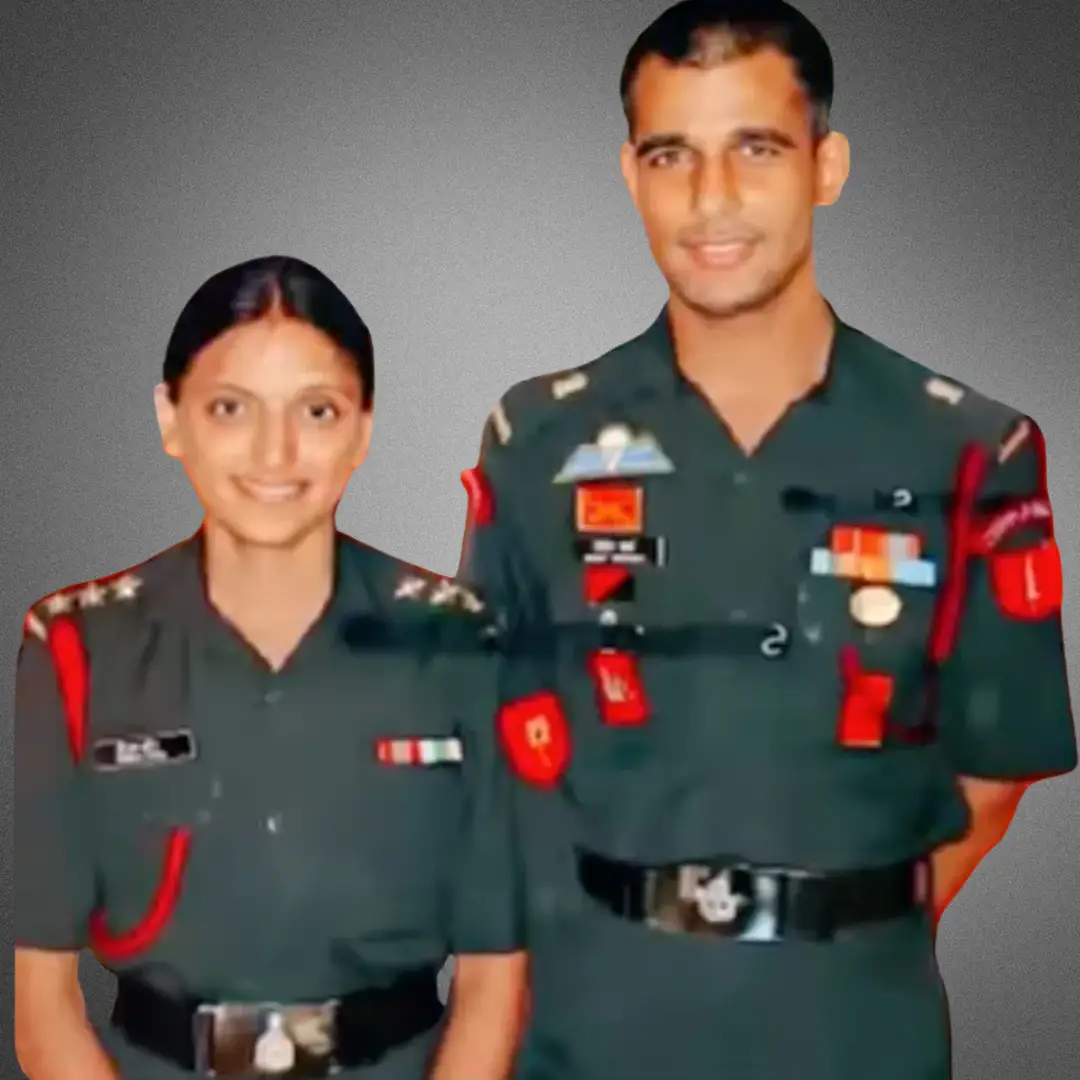
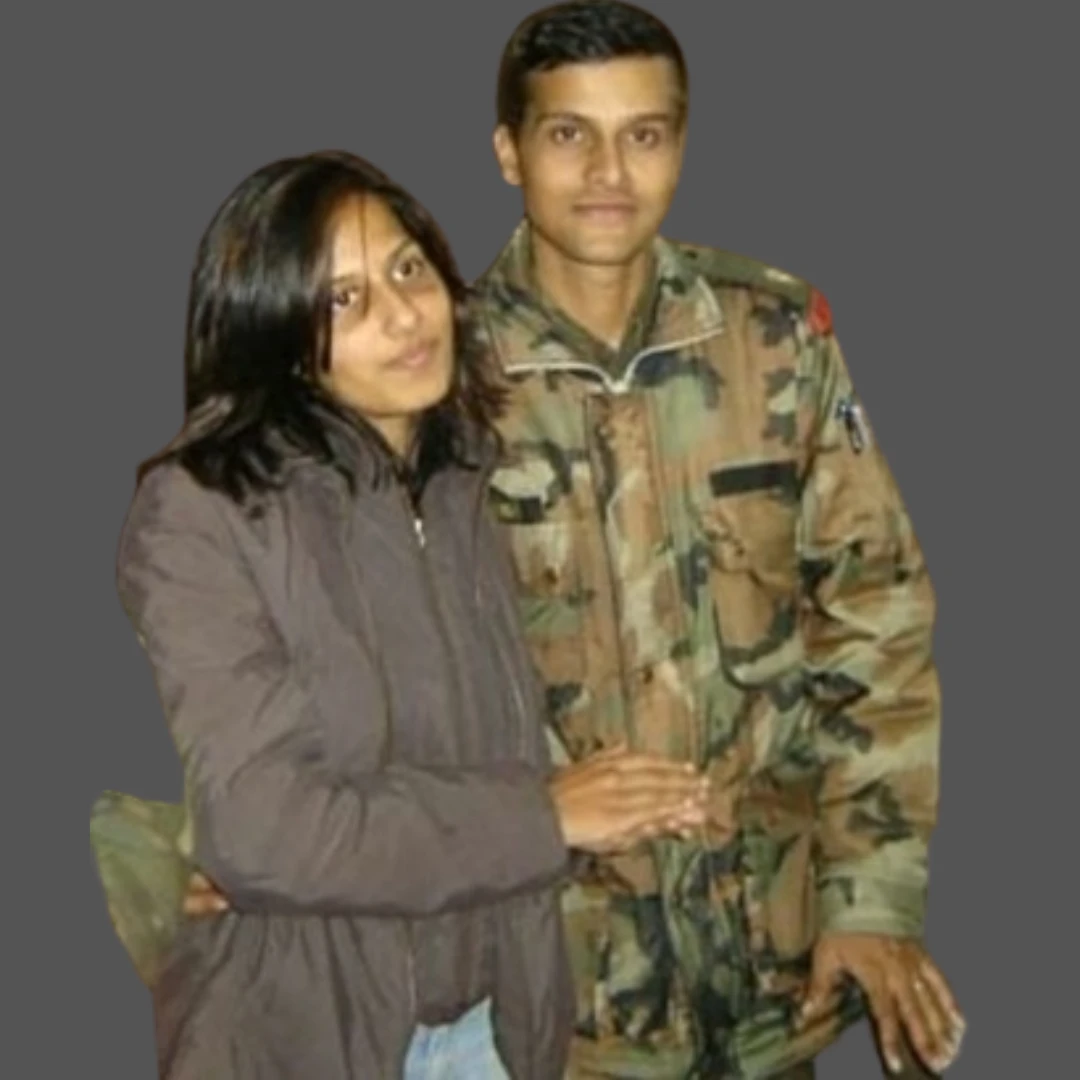
    Major Mohit Sharma Wife
    Major Mohit Sharma Wife

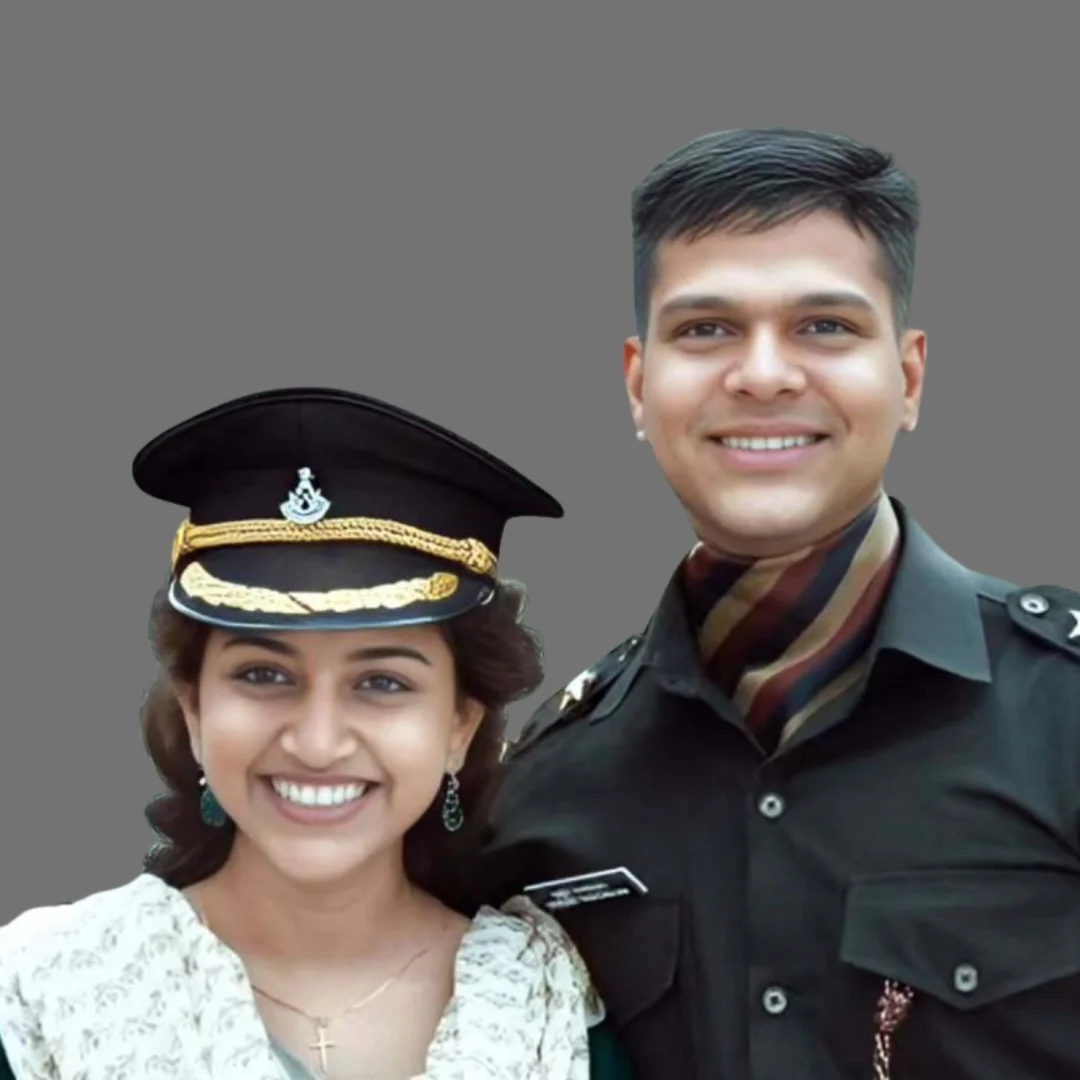
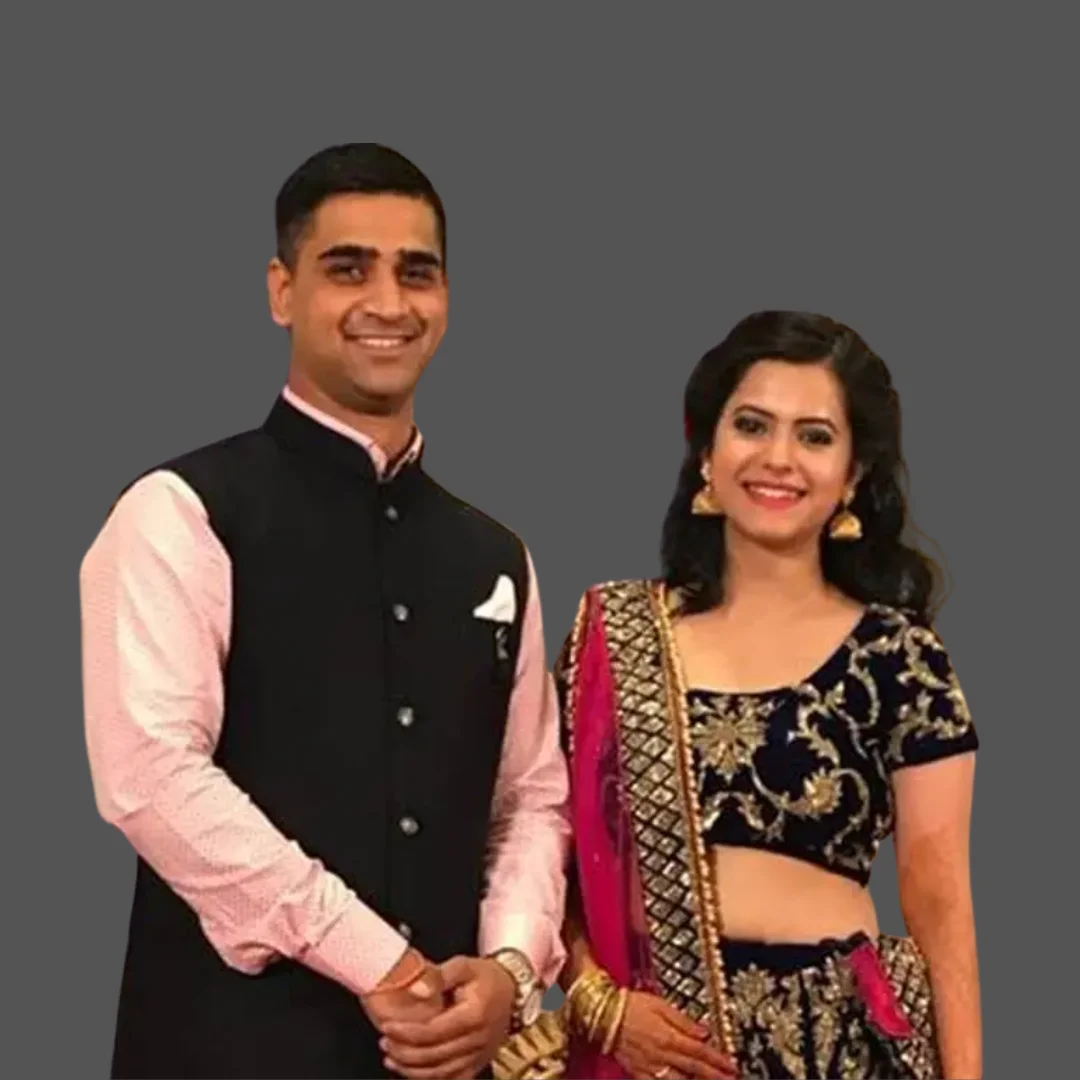
    Behind every brave soldier is a family that silently shares the challenges of military life. Major Mohit Sharma was married to Major Rishima Sharma, an officer in the Indian Army. Their relationship was built on mutual respect, dedication, and a shared commitment to serving the nation.

    Both understood the responsibilities and risks that came with wearing the Army uniform. Their demanding careers often required long periods away from home, but they remained deeply supportive of each other’s professional duties.

    Following Major Mohit Sharma’s martyrdom, Major Rishima Sharma has continued to honour his memory and has spoken on various occasions about his courage, dedication, and love for the nation. She has become a symbol of strength and resilience for many military families across India.

    Major Mohit Sharma Personal Life

    Although Major Mohit Sharma spent most of his adult life serving in difficult operational areas, he was known for his warm personality and humble nature. Friends and fellow officers remember him as someone who always carried a smile, even during the most demanding situations.

    Despite the intensity of military life, he remained closely connected with his family and valued every opportunity to spend time with them. His simplicity and down-to-earth attitude earned him the respect of everyone who knew him.

    He never sought fame or recognition. Instead, he believed that a soldier’s greatest achievement was fulfilling his duty with honesty, courage, and dedication. His life reflected discipline not only in uniform but also in his personal values and everyday behaviour.

    Major Mohit Sharma Hobbies and Interests

    Outside military operations, Major Mohit Sharma enjoyed activities that helped him stay physically and mentally fit. Sports were an important part of his life from an early age, and he believed that physical fitness was essential for a soldier.

    He enjoyed outdoor adventures, endurance training, and activities that challenged both the body and the mind. Horse riding, boxing, swimming, and long-distance running were among the disciplines he excelled in during his training years.

    Reading about military history and learning from the experiences of great military leaders also interested him. He constantly worked on improving himself, believing that every day offered an opportunity to become a better officer and a better human being.

    Major Mohit Sharma Physical Appearance

    AttributeDetails
    HeightApproximately 5 feet 10 inches (178 cm)
    WeightAround 72–75 kg (Approx.)
    Eye ColourBlack
    Hair ColourBlack
    BuildAthletic
    PersonalityCalm, Confident, Disciplined

    Major Mohit Sharma Career Timeline

    YearAchievement
    1978Born in Rohtak, Haryana
    1995Qualified for the National Defence Academy
    1995–1998Training at NDA
    1998–1999Training at the Indian Military Academy
    11 December 1999Commissioned into the 5 Madras Regiment
    2000Posted with 38 Rashtriya Rifles in Jammu & Kashmir
    2003Successfully joined 1 PARA (Special Forces)
    2004Completed a remarkable undercover mission against terrorists
    2005Awarded the Sena Medal
    2009Led the Hafruda Forest operation in Kupwara
    21 March 2009Attained martyrdom during the operation
    2009Awarded the Ashok Chakra (Posthumous)

    Awards and Honours

    AwardYearReason
    Chief of Army Staff Commendation CardEarly ServiceOutstanding operational performance
    Sena Medal2005Exceptional bravery during undercover counter-terrorism operations
    Ashok Chakra (Posthumous)2009Supreme courage and sacrifice during the Kupwara encounter

    Memorials Named After Major Mohit Sharma

    Major Mohit Sharma’s sacrifice has been honoured through various memorials, educational institutions, roads, and military establishments across India. His name continues to inspire future generations of soldiers and civilians alike.

    Several schools and public places organise annual events to remember his extraordinary courage. His story is frequently shared during military training programmes to teach leadership, discipline, and selfless service.

    His family has also played an important role in preserving his legacy by supporting initiatives that spread awareness about his life and inspire young Indians to serve the nation with integrity.

    Today, his memory lives on not only through monuments but also through the countless people who draw inspiration from his remarkable journey.

    Books and Movies Inspired by His Story

    Although no full-length feature film has yet been made exclusively on Major Mohit Sharma’s life, his story has been featured in several documentaries, television programmes, defence publications, and inspirational books highlighting India’s gallantry award winners.

    His undercover mission and final battle have often been discussed in military literature and documentaries that focus on the courage of the Indian Armed Forces.

    Many defence experts believe that his life has all the elements of an inspiring biographical film, including determination, sacrifice, leadership, patriotism, and extraordinary courage.

    Famous Quotes About Major Mohit Sharma

    Although Major Mohit Sharma was known more for his actions than his words, his life continues to inspire many meaningful thoughts.

    “A true leader always walks in front of his team.”

    “Service before self is not just a motto it was the way Major Mohit Sharma lived.”

    “Heroes are remembered not because they lived long, but because they lived with courage.”

    “The uniform gives responsibility, but character creates a soldier.”

    These quotes reflect the values that defined his military career and continue to inspire future generations.

    Major Mohit Sharma Death

    On 21 March 2009, Major Mohit Sharma laid down his life during a fierce encounter with terrorists in the dense Hafruda Forest of Kupwara district, Jammu and Kashmir.

    While leading his team during the operation, he came under heavy enemy fire. Two of his commandos suffered serious injuries and were trapped in an exposed position.

    Without considering his own safety, Major Mohit Sharma rushed forward, rescued the injured soldiers, and continued engaging the terrorists at close range.

    During the intense exchange of fire, he sustained multiple gunshot wounds. Despite his injuries, he continued leading the assault until the terrorists were effectively neutralised and the mission was secured.

    His courage ensured that the operation succeeded while saving the lives of his fellow soldiers.

    At the age of only 31, Major Mohit Sharma made the supreme sacrifice in the service of the nation. His martyrdom remains one of the finest examples of courage and leadership in the history of the Indian Army.

    Leadership Lessons from Major Mohit Sharma

    Major Mohit Sharma’s life offers valuable leadership lessons that extend far beyond the battlefield.

    He demonstrated that true leadership begins with leading by example. Rather than asking others to take risks, he accepted the greatest dangers himself.

    His ability to remain calm under pressure teaches the importance of clear thinking during difficult situations. Even in life-threatening circumstances, he focused on protecting his team and completing the mission.

    Another important lesson from his life is the value of preparation. His success during undercover operations was possible because of months of careful planning, observation, and discipline.

    Above all, he showed that selfless service is the highest form of leadership. His willingness to sacrifice everything for his comrades and his country continues to inspire military personnel, students, professionals, and young leaders across India.

    Unknown Facts About Major Mohit Sharma

    Many people know Major Mohit Sharma for receiving the Ashok Chakra, but several lesser-known facts make his story even more inspiring.

    • His childhood nickname was “Chintu.”
    • Fellow officers often called him “Mike.”
    • He left engineering college after qualifying for the National Defence Academy.
    • Major Mohit Sharma successfully completed one of the toughest Special Forces probation courses in the world.
    • Before receiving the Ashok Chakra, he had already been honoured with the Sena Medal.
    • His undercover identity during a counter-terrorism mission was “Iftikhar Bhatt.”
    • Major Mohit Sharma personally rescued injured commandos during his final operation despite heavy enemy fire.
    • His wife, Major Rishima Sharma, also served in the Indian Army.
    • His life is widely studied in military leadership discussions.
    • Major Mohit Sharma is remembered as one of the most courageous officers in the history of 1 PARA (Special Forces).

    Why Major Mohit Sharma Is Remembered Even Today

    More than a decade after his sacrifice, Major Mohit Sharma continues to inspire millions of Indians.

    His courage was not limited to a single battle. Throughout his career, he repeatedly accepted dangerous assignments that required exceptional bravery, intelligence, and determination.

    His undercover mission demonstrated remarkable patience and strategic thinking, while his final operation showcased the highest level of battlefield leadership.

    For defence aspirants, he represents the ideals of discipline, courage, and commitment. For serving soldiers, he remains a role model who always placed the mission and his comrades before himself.

    His story reminds every Indian that true heroes are those who silently protect the nation without expecting recognition or reward.

    FAQs

    Who was Major Mohit Sharma?

    Major Mohit Sharma was an officer of the Indian Army’s 1 PARA (Special Forces) and a recipient of the Ashok Chakra (Posthumous) for his exceptional bravery during a counter-terrorism operation in Jammu and Kashmir.

    Why did Major Mohit Sharma receive the Ashok Chakra?

    He received the Ashok Chakra for displaying extraordinary courage, rescuing injured commandos under heavy enemy fire, eliminating terrorists, and making the supreme sacrifice during the Hafruda Forest operation in 2009.

    What was the “Iftikhar Bhatt” mission?

    It was an undercover counter-terrorism operation in which Major Mohit Sharma infiltrated terrorist networks by assuming the identity of a local Kashmiri youth to gather valuable intelligence for the Indian Army.

    Which regiment did Major Mohit Sharma belong to?

    He was initially commissioned into the 5 Madras Regiment and later joined 1 PARA (Special Forces).

    Was Major Mohit Sharma married?

    Yes. He was married to Major Rishima Sharma, who also served in the Indian Army.

    How old was Major Mohit Sharma when he died?

    He was 31 years old at the time of his martyrdom on 21 March 2009.

    Where did Major Mohit Sharma attain martyrdom?

    He was martyred during a counter-terrorism operation in the Hafruda Forest, Kupwara district, Jammu and Kashmir.

    Which gallantry awards did Major Mohit Sharma receive?

    He was awarded the Sena Medal and later the Ashok Chakra (Posthumous), India’s highest peacetime gallantry award.

    Why is Major Mohit Sharma considered a national hero?

    He is remembered for his fearless undercover mission, outstanding leadership, extraordinary courage in combat, and supreme sacrifice while saving the lives of his fellow soldiers.

    Conclusion

    Major Mohit Sharma’s life is a timeless example of courage, patriotism, and selfless leadership. From his childhood dream of serving the nation to becoming one of India’s finest Special Forces officers, every chapter of his journey reflects determination and unwavering commitment to duty.

    His successful undercover mission demonstrated exceptional intelligence and patience, while his final battle in the Hafruda Forest showcased unmatched bravery. Even after sustaining serious injuries, he continued fighting to protect his team and ensure the success of the mission. Such acts of courage earned him the Ashok Chakra and a permanent place among India’s greatest military heroes.

    Although his life was tragically short, his legacy continues to inspire generations of Indians. Major Mohit Sharma proved that true heroes are not measured by the length of their lives but by the values they uphold and the sacrifices they make. His story will forever remain a shining symbol of honour, courage, and devotion to the nation.

    Also, Read About: Major Sandeep Unnikrishnan Biography || Major Iqbal
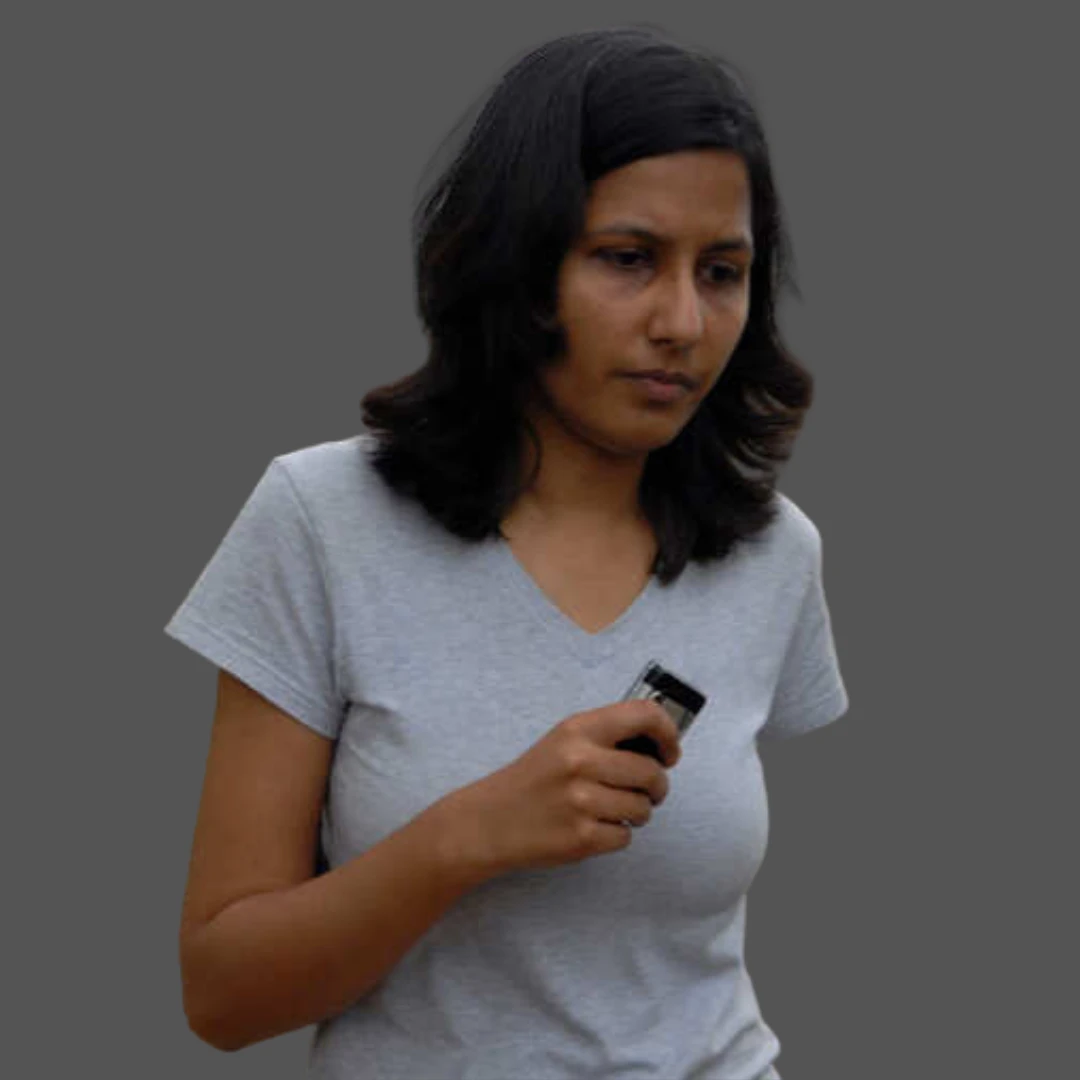
  • Major Sandeep Unnikrishnan Wife: Neha Unnikrishnan Biography

    Major Sandeep Unnikrishnan Wife: Neha Unnikrishnan Biography

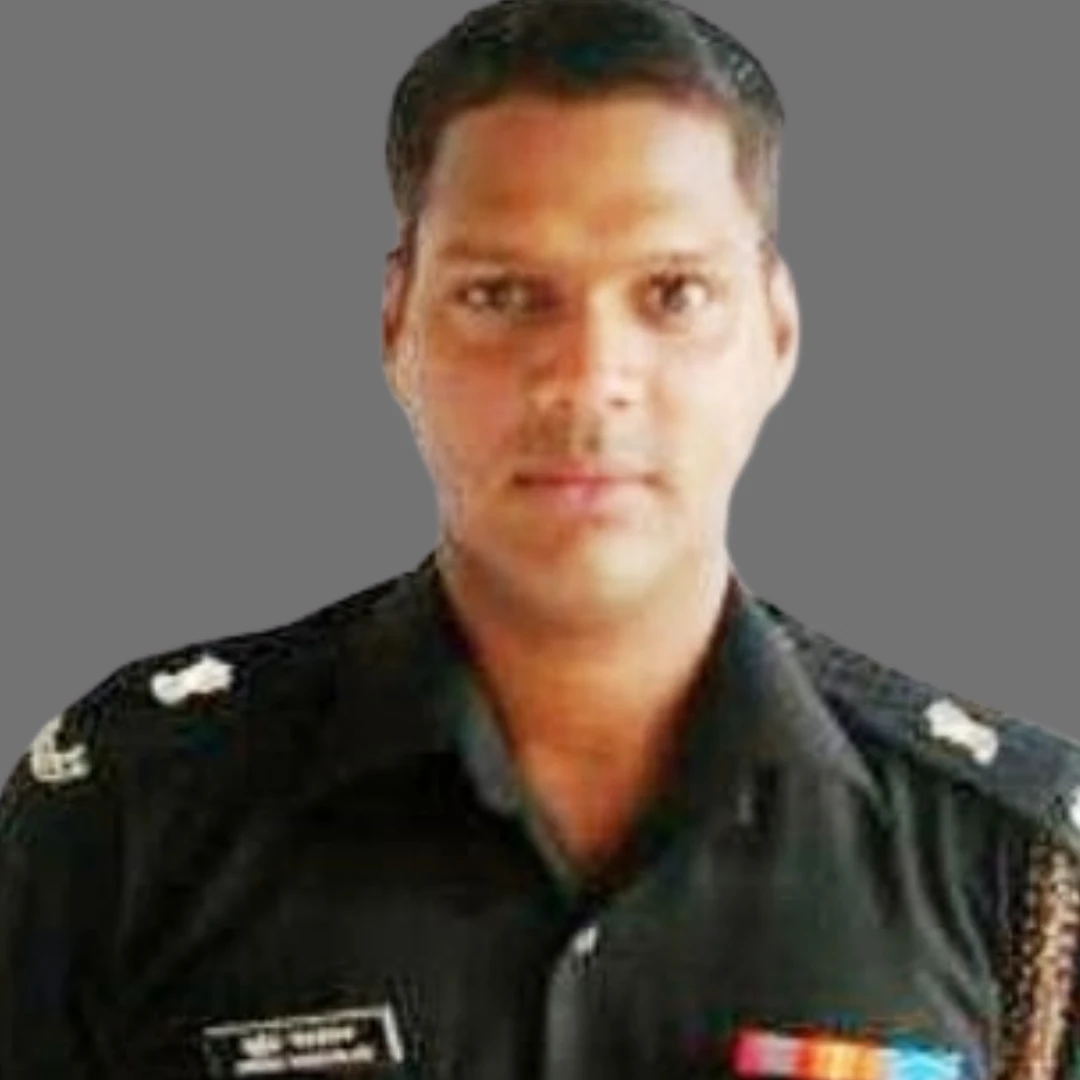
    Neha Unnikrishnan is best known as the wife of Major Sandeep Unnikrishnan, the brave Indian Army officer who made the ultimate sacrifice during the 26/11 Mumbai terror attacks in 2008. While Major Sandeep became a national hero for his extraordinary courage, Neha chose a life away from the public spotlight, preserving her privacy despite immense public interest.

    Professionally, Neha is an architect who has built her career with dedication and dignity. Although very little official information about her personal life has been shared publicly, her strength, resilience, and quiet determination have earned admiration from people across India. Her story is not just about being the wife of a Param Vir-like hero but also about carrying forward life with courage after an unimaginable personal loss.

    This article explores Neha Unnikrishnan’s biography, education, profession, family background, marriage with Major Sandeep Unnikrishnan, their inspiring love story, and many more.

    Who is Major Sandeep Unnikrishnan Wife (Neha Unnikrishnan) ?

    Neha Unnikrishnan is an Indian architect and the widow of Major Sandeep Unnikrishnan, who was awarded the Ashoka Chakra, India’s highest peacetime gallantry award, for his exceptional bravery during the 2008 Mumbai terrorist attacks.

    Unlike many families connected to well-known public figures, Neha has always maintained a low profile. She rarely appears in the media, does not actively engage on public social media platforms, and has never attempted to capitalize on her husband’s legacy. Instead, she has chosen a private life centered around family, work, and preserving the memories of Major Sandeep Unnikrishnan.

    Their relationship is often remembered as one of deep friendship, mutual respect, and unconditional love. Having known each other since their school days, the couple spent several years together before finally getting married in 2008.

    Major Sandeep Unnikrishnan Wife Biography

    InformationDetails
    Full NameNeha Unnikrishnan
    Known AsWife of Major Sandeep Unnikrishnan
    ProfessionArchitect
    NationalityIndian
    ReligionHindu
    Marital StatusWidow
    HusbandMajor Sandeep Unnikrishnan (Ashoka Chakra Awardee)
    Famous ForBeing the wife of 26/11 hero Major Sandeep Unnikrishnan
    Current ResidenceNot Publicly Disclosed

    Neha Unnikrishnan (Major Sandeep Unnikrishnan Wife) Full Name

    The full name of Major Sandeep Unnikrishnan’s wife is Neha Unnikrishnan. She became widely known across India after the tragic events of the 26/11 Mumbai attacks, where her husband laid down his life while leading rescue operations at the Taj Mahal Palace Hotel.

    Despite the national attention that followed, Neha has consciously chosen to remain away from media publicity. Her dignified silence and respect for her husband’s legacy have earned appreciation from many people who admire the family’s strength.

    Unlike many public personalities, she has never sought recognition based on her husband’s fame. Instead, she has maintained a simple and private lifestyle while focusing on her professional and personal responsibilities.

    Major Sandeep Unnikrishnan Wife Age & Date of Birth

    One of the most searched questions online is about Neha Unnikrishnan’s age and date of birth. However, no official or verified public record confirms these details.

    Since Neha has never shared her personal information publicly, her exact birth date and current age remain undisclosed. Various websites mention estimated ages, but these figures are not supported by official documentation or statements from the family.

    InformationStatus
    Date of BirthNot Publicly Disclosed
    AgeNot Officially Confirmed

    Major Sandeep Unnikrishnan Wife Nationality

    Neha Unnikrishnan is an Indian citizen.

    Her identity is closely connected with one of India’s most respected military families. Even after the tragic loss of her husband, she has remained a symbol of grace and resilience.

    Being associated with Major Sandeep Unnikrishnan has naturally brought public attention, but she has always preferred to stay away from unnecessary media exposure.

    InformationDetails
    NationalityIndian

    Neha Unnikrishnan Religion

    Neha Unnikrishnan follows Hinduism, the same faith practiced by Major Sandeep Unnikrishnan’s family.

    The Unnikrishnan family has always been known for its simplicity, strong values, and respect for Indian traditions. Throughout Major Sandeep’s military journey, family support played an important role, and Neha shared those values throughout their relationship.

    Although she has never publicly spoken about her religious beliefs, available public information identifies her as a follower of Hinduism.

    InformationDetails
    ReligionHinduism

    Neha Unnikrishnan (Major Sandeep Unnikrishnan Wife) Education

    Very limited verified information is available regarding Neha Unnikrishnan’s educational background. However, public reports consistently mention that she pursued higher education in the field of architecture.

    Her professional achievements indicate that she completed the necessary academic qualifications required to become an architect in India. Architecture is a demanding discipline that combines creativity, engineering principles, design skills, and technical knowledge.

    Although the names of her school, college, or university have not been officially confirmed, it is evident that Neha built a successful professional career through education and hard work.

    Education DetailsStatus
    SchoolNot Publicly Disclosed
    CollegeNot Officially Confirmed
    QualificationArchitecture (Reported)

    Neha Unnikrishnan Profession (Architect)

    Neha Unnikrishnan is professionally known as an architect.

    Architecture is a profession that requires technical expertise, creativity, project management, and problem-solving skills. Public reports suggest that Neha continued focusing on her professional career while maintaining a private life away from public attention.

    Unlike celebrities or public figures, architects often work behind the scenes, designing residential, commercial, and institutional projects. Neha has similarly maintained a low profile throughout her career, with very few public appearances or interviews.

    Her decision to continue working instead of seeking media attention reflects her independent personality and professional commitment.

    Profession DetailsInformation
    ProfessionArchitect
    IndustryArchitecture & Design
    Public VisibilityVery Limited

    Major Sandeep Unnikrishnan Wife (Neha Unnikrishnan) Physical Appearance

    Since Neha maintains a private lifestyle, official details regarding her physical measurements have never been confirmed publicly. Therefore, many figures available on different websites should be treated as unverified.

    Based on her limited public appearances alongside Major Sandeep Unnikrishnan and at a few official events, she is known for her simple, elegant, and graceful personality.

    Physical FeatureDetails
    HeightNot Officially Confirmed
    WeightNot Publicly Disclosed
    Eye ColourBlack (Reported)
    Hair ColourBlack
    AppearanceSimple and Elegant

    Neha Unnikrishnan (Major Sandeep Unnikrishnan Wife) Early Life

    Neha Unnikrishnan spent her early years away from public attention, and very little verified information about her childhood has been shared over the years. Unlike many personalities who frequently interact with the media, she has consciously maintained her privacy, making her early life one of the least documented aspects of her biography.

    What is publicly known is that Neha and Major Sandeep Unnikrishnan met during their younger years and gradually developed a strong friendship. Their bond grew naturally over time, built on trust, understanding, and shared values rather than public recognition.

    Friends and people familiar with their journey have often described their relationship as genuine and deeply rooted in mutual respect. Long before Major Sandeep became a national hero, Neha had already been an important part of his life, supporting him through his journey into the Indian Army.

    Her early years also helped shape the calm, composed, and resilient personality for which she is known today. Even after becoming connected to one of India’s most respected military heroes, Neha chose humility over publicity and privacy over public attention.

    Although many aspects of her childhood remain unknown, one thing is evident—her strength of character has been visible throughout every phase of her life.

    Neha Unnikrishnan Family Background

    Neha Unnikrishnan has always kept her personal and family life away from public attention. Unlike many public personalities, she has never shared details about her parents, siblings, or relatives in interviews or on social media. As a result, only limited and verified information about her family is available.

    Even after becoming the wife of one of India’s most celebrated Army officers, Neha chose not to appear in the media or discuss her private life. Her decision reflects the values of simplicity and dignity that have defined her personality over the years.

    After marrying Major Sandeep Unnikrishnan, she became a part of the respected Unnikrishnan family. Major Sandeep’s parents, K. Unnikrishnan and Dhanalakshmi Unnikrishnan, have often spoken about their son and his commitment to the nation. Neha has remained closely associated with the family while continuing to live a private life.

    Family MemberDetails
    FatherNot Publicly Disclosed
    MotherNot Publicly Disclosed
    SiblingsNot Publicly Known
    HusbandMajor Sandeep Unnikrishnan
    Father-in-lawK. Unnikrishnan
    Mother-in-lawDhanalakshmi Unnikrishnan

    Marriage with Major Sandeep Unnikrishnan

    The marriage of Neha Unnikrishnan and Major Sandeep Unnikrishnan was the beginning of a new chapter in a relationship that had already lasted for many years. Their bond was built on friendship, trust, and mutual respect long before they exchanged wedding vows.

    Major Sandeep was serving in the Indian Army, a profession that demanded discipline, courage, and frequent postings across different parts of the country. Despite the challenges that come with military life, the couple remained deeply committed to each other.

    After being in a long-term relationship for nearly fourteen years, they decided to get married in 2008. Their wedding was a private ceremony attended by close family members and friends. It reflected the simplicity with which both families preferred to celebrate important moments.

    Sadly, their married life lasted only a few months. In November 2008, Major Sandeep was called into action during the Mumbai terrorist attacks, where he displayed exceptional courage while leading rescue operations inside the Taj Mahal Palace Hotel.

    Although their time together as husband and wife was brief, their relationship remains one of the most inspiring love stories associated with the Indian Armed Forces.

    Their Love Story

    The love story of Neha and Major Sandeep Unnikrishnan is remembered not because of grand public gestures but because of the patience, loyalty, and understanding that defined their relationship.

    The two first met during their school years and gradually became close friends. As time passed, their friendship developed into a strong relationship. They continued supporting one another through different stages of life, including higher education and the beginning of their professional careers.

    When Sandeep chose to join the Indian Army, the decision brought with it long periods of separation, demanding training schedules, and unpredictable postings. Life in the armed forces often requires immense sacrifices not only from soldiers but also from their families and loved ones.

    Despite these challenges, Neha remained a constant source of encouragement. Their relationship survived years of distance, limited communication, and the uncertainties that come with military service. Friends and people close to the couple have often described their bond as one based on trust rather than constant togetherness.

    After nearly fourteen years together, they finally fulfilled their dream of marriage in 2008. It was a moment that both families had been waiting for, marking the beginning of what they hoped would be a lifetime together.

    Unfortunately, fate had different plans. Only months after their wedding, the tragic events of 26 November 2008 changed their lives forever.

    Even today, their love story continues to inspire countless people because it reminds us that true love is measured not by the length of time spent together but by the depth of commitment shared between two individuals.

    The 26/11 Mumbai Terror Attacks and Major Sandeep’s Supreme Sacrifice

    On the night of 26 November 2008, Mumbai witnessed one of the deadliest terrorist attacks in India’s history. Multiple locations across the city were targeted, including the Taj Mahal Palace Hotel, Oberoi Trident Hotel, Chhatrapati Shivaji Terminus, and Nariman House.

    At the time, Major Sandeep Unnikrishnan was serving with the elite 51 Special Action Group (SAG) of the National Security Guard (NSG). His unit was deployed to rescue civilians and eliminate the terrorists who had occupied the Taj Hotel.

    During the operation, Major Sandeep displayed extraordinary leadership and courage. He successfully evacuated several hostages while engaging heavily armed terrorists inside the hotel.

    When one of his fellow commandos was injured, Major Sandeep reportedly chose to move forward alone to ensure his teammate could be evacuated safely. During the intense exchange of fire, he sustained fatal injuries while continuing the mission.

    His courage, determination, and selfless leadership became symbols of the Indian Armed Forces’ highest traditions. For his exceptional bravery and sacrifice, the Government of India posthumously awarded him the Ashoka Chakra, the country’s highest peacetime gallantry award.

    For Neha, the tragedy marked the loss of her husband only months after they had begun married life together. While the nation mourned the death of a hero, she faced the unimaginable pain of losing the person with whom she had spent almost half of her life.

    Life After Major Sandeep Unnikrishnan’s Martyrdom

    The loss of Major Sandeep Unnikrishnan was deeply personal for Neha, yet she chose to grieve with remarkable dignity and privacy. Unlike many individuals who suddenly find themselves in the public eye after such events, she never sought attention or publicity.

    Over the years, Neha has rarely appeared in interviews or public discussions about her personal life. Instead, she has quietly continued her professional journey while preserving the memory of her husband with grace and respect.

    Many people expected her to frequently participate in public events or television programs, but she preferred a different path. Her decision to maintain privacy has been widely respected, as it reflects her belief that Major Sandeep’s legacy should be remembered for his service to the nation rather than for media attention.

    Although she remains away from the spotlight, Neha’s resilience has inspired countless military families who understand the sacrifices made by soldiers and their loved ones. Her life demonstrates that courage is not only shown on the battlefield but also in the ability to rebuild life after profound personal loss.

    Major Sandeep Unnikrishnan Wife Career

    Major Sandeep Unnikrishnan Wife
    Major Sandeep Unnikrishnan Wife

    Neha Unnikrishnan is professionally recognized as an architect, a career that demands creativity, technical knowledge, and attention to detail. Reports suggest that she continued to focus on her profession even after the tragic events of 2008.

    Architecture involves designing functional and aesthetically pleasing spaces while balancing engineering principles, environmental concerns, and client requirements. It is a challenging profession that requires years of education and practical experience.

    Unlike many individuals connected to famous personalities, Neha has never attempted to build a public career based on her husband’s legacy. Instead, she has remained dedicated to her own professional identity.

    Very little information about her architectural projects or workplace has been made public, which aligns with her long-standing preference for privacy. However, her continued commitment to her profession reflects her determination to move forward while honoring the memory of Major Sandeep Unnikrishnan.

    Her journey is often seen as an example of quiet resilience choosing meaningful work over public recognition and allowing her achievements to speak for themselves.

    Neha Unnikrishnan and the Film Major

    The life and bravery of Major Sandeep Unnikrishnan reached a new generation through the 2022 biographical film Major. The movie portrayed his journey from childhood to becoming one of India’s most respected military heroes.

    The film also highlighted the emotional relationship between Sandeep and Neha, showing how their love story evolved over the years despite the challenges of military life. Their relationship was presented as one built on trust, companionship, and unwavering support.

    Although the film brought renewed public interest in Neha Unnikrishnan, she continued to stay away from media attention. Reports indicate that the filmmakers interacted with Major Sandeep’s family to ensure that important aspects of his life and personality were portrayed with authenticity and respect.

    The success of the film introduced millions of viewers to the sacrifices made not only by soldiers but also by the families who stand beside them. It reminded audiences that behind every brave soldier is a network of loved ones who silently bear the emotional cost of service to the nation.

    Neha Unnikrishnan (Major Sandeep Unnikrishnan Wife) Net Worth

    Neha Unnikrishnan’s net worth has become one of the most searched topics online. However, it is important to understand that she has never publicly disclosed her income, assets, or financial details. Similarly, there are no official records that confirm her net worth.

    Several websites publish estimated figures, but these estimates are not supported by verified sources. Therefore, it is not appropriate to present any specific amount as factual information.

    As a professional architect, Neha has built her own career and has always preferred to stay away from publicity. Her identity is defined more by her work and personal values than by financial success.

    InformationDetails
    Net WorthNot Publicly Disclosed
    Income SourceArchitecture Profession
    Financial StatusOfficial Information Not Available

    Neha Unnikrishnan’s Legacy

    Although Neha Unnikrishnan rarely appears in public, her life has become an example of dignity, resilience, and quiet strength.

    After losing her husband just a few months into their marriage, she chose not to seek media attention or public sympathy. Instead, she continued living with courage while preserving Major Sandeep Unnikrishnan’s memory with respect and grace.

    Military families across India often face unique challenges that remain unseen by society. Through her private yet determined approach to life, Neha represents the strength of countless spouses who silently support the nation’s soldiers.

    Her story reminds us that while soldiers fight on the battlefield, their families also make sacrifices that deserve equal respect.

    Why Neha Unnikrishnan Inspires Millions

    Neha’s journey has inspired many people because it reflects qualities that are rarely seen in today’s fast-paced world.

    She chose privacy over publicity, simplicity over fame, and resilience over despair. Even after becoming connected to one of India’s greatest military heroes, she never attempted to build a public image around personal tragedy.

    Many people admire her for continuing her professional life while honoring her husband’s legacy with dignity. Her quiet strength has become an inspiration for young professionals, military families, and anyone facing difficult circumstances in life.

    Rather than speaking through interviews or social media, Neha has allowed her actions to reflect her character. This approach has earned her widespread respect across the country.

    Interesting Facts About Neha Unnikrishnan

    • Neha Unnikrishnan is professionally trained as an architect.
    • Major Sandeep Unnikrishnan Wife is the wife of Ashoka Chakra awardee Major Sandeep Unnikrishnan.
    • She and Major Sandeep knew each other from their school days.
    • Their relationship lasted for nearly fourteen years before marriage.
    • The couple got married in 2008.
    • Only a few months after their wedding, Major Sandeep sacrificed his life during the 26/11 Mumbai terror attacks.
    • Neha has always maintained a private lifestyle and avoids media appearances.
    • She is not known to be publicly active on social media.
    • Her personal information, including age and birthplace, has never been officially disclosed.
    • The love story between Neha and Major Sandeep was portrayed in the 2022 biographical film Major.
    • She is widely respected for her strength, dignity, and resilience after her husband’s martyrdom.
    • Despite public curiosity, she has never used her husband’s legacy for personal fame.

    FAQs

    Who is Major Sandeep Unnikrishnan’s wife?

    Major Sandeep Unnikrishnan’s wife is Neha Unnikrishnan, an Indian architect who is known for maintaining a private life despite being married to one of India’s most celebrated military heroes.

    What is Neha Unnikrishnan’s profession?

    Neha Unnikrishnan is professionally known as an architect. She has continued her career while staying away from media attention.

    Is Neha Unnikrishnan active on social media?

    There are no verified public social media accounts associated with Neha Unnikrishnan. She prefers to keep her personal life private.

    When did Neha Unnikrishnan marry Major Sandeep Unnikrishnan?

    Neha and Major Sandeep Unnikrishnan got married in 2008, after being in a long-term relationship for several years.

    How long were Neha and Major Sandeep in a relationship?

    According to publicly available reports, the couple shared a relationship of nearly 14 years before their marriage.

    Did Neha Unnikrishnan have children?

    There is no verified public information indicating that Neha and Major Sandeep Unnikrishnan had children.

    What happened to Major Sandeep Unnikrishnan?

    Major Sandeep Unnikrishnan was martyred on 28 November 2008 while leading rescue operations during the 26/11 Mumbai terrorist attacks at the Taj Mahal Palace Hotel. He was posthumously awarded the Ashoka Chakra, India’s highest peacetime gallantry award.

    What is Neha Unnikrishnan’s age?

    Her exact age has not been officially disclosed. Any age mentioned on unofficial websites should be treated as unverified.

    What is Neha Unnikrishnan’s net worth?

    Neha Unnikrishnan’s net worth has never been officially revealed. Therefore, no verified estimate is publicly available.

    Why is Neha Unnikrishnan famous?

    She is widely recognized as the wife of Major Sandeep Unnikrishnan, whose extraordinary bravery during the 26/11 Mumbai attacks made him a national hero. Neha is also admired for her strength and resilience after his martyrdom.

    Was Neha Unnikrishnan featured in the movie Major?

    Yes. The 2022 biographical film Major portrayed the relationship between Major Sandeep Unnikrishnan and Neha, highlighting their love story and emotional journey.

    Conclusion

    Neha Unnikrishnan’s life is a story of love, resilience, and quiet courage. While the nation remembers Major Sandeep Unnikrishnan for his extraordinary sacrifice and unmatched bravery, Neha’s journey reflects the silent strength shown by the families of India’s soldiers.

    Her decision to remain away from public attention, continue her professional career as an architect, and preserve her husband’s legacy with dignity has earned her immense respect. Rather than seeking recognition, she has chosen a life guided by simplicity, self-respect, and personal values.

    Although many aspects of her personal life remain private, the available public information paints the picture of a woman who stood beside a courageous soldier through years of companionship and later demonstrated remarkable resilience after his martyrdom.

    The story of Neha Unnikrishnan serves as a reminder that behind every brave soldier is a family that also makes sacrifices for the nation. Her life continues to inspire people not through public speeches or media appearances, but through the grace and strength with which she has faced life’s greatest challenges.

    In remembering Major Sandeep Unnikrishnan’s heroism, it is equally important to acknowledge the quiet determination of Neha Unnikrishnan—a woman whose unwavering courage and dignity have become an enduring symbol of strength for countless Indians.

    Also, Read About: Major Mohit Sharma Story || Major Mohit Sharma Wife || Major Iqbal

  • Major Rishabh Singh Sambyal Biography, Age, Salary, Army Career & ADC

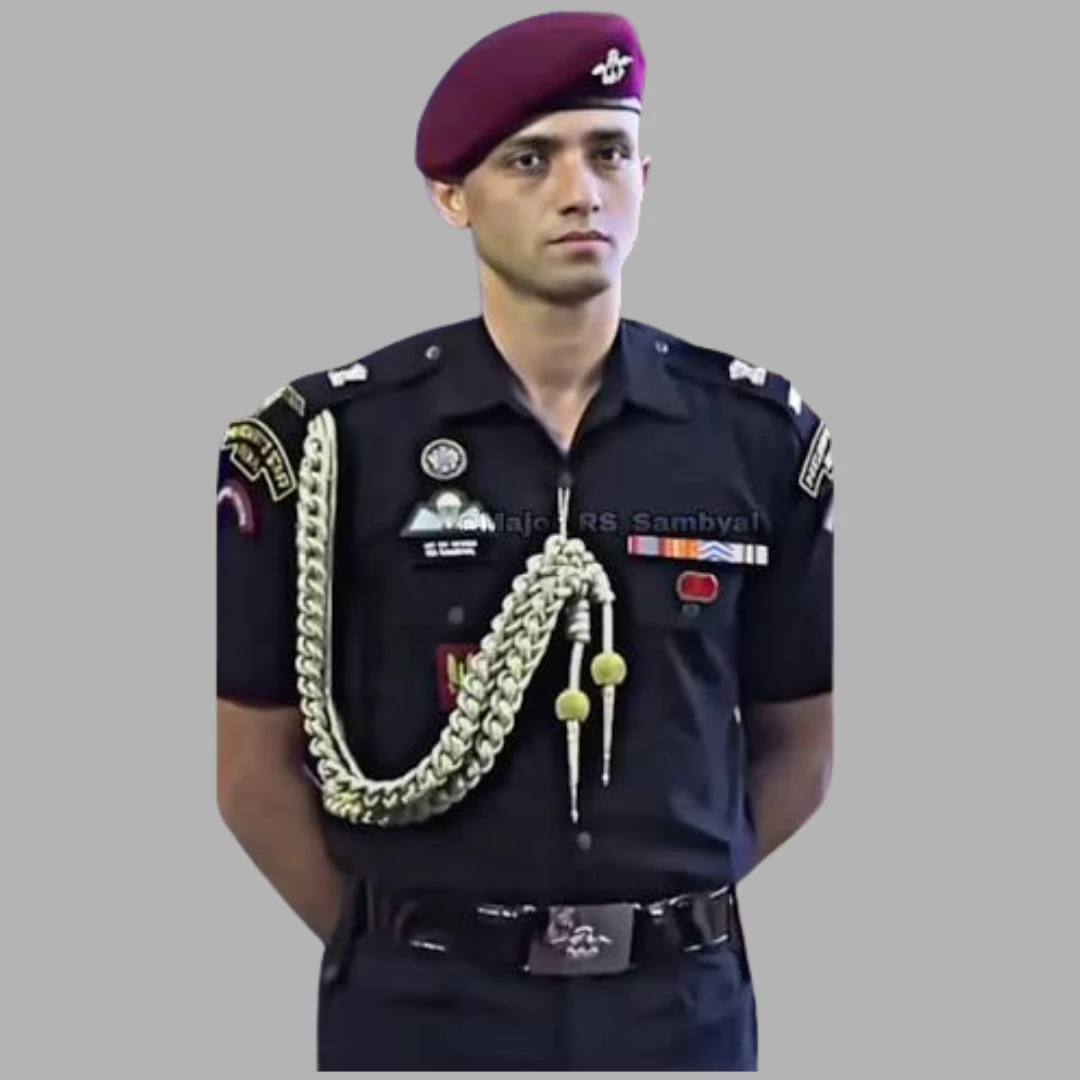
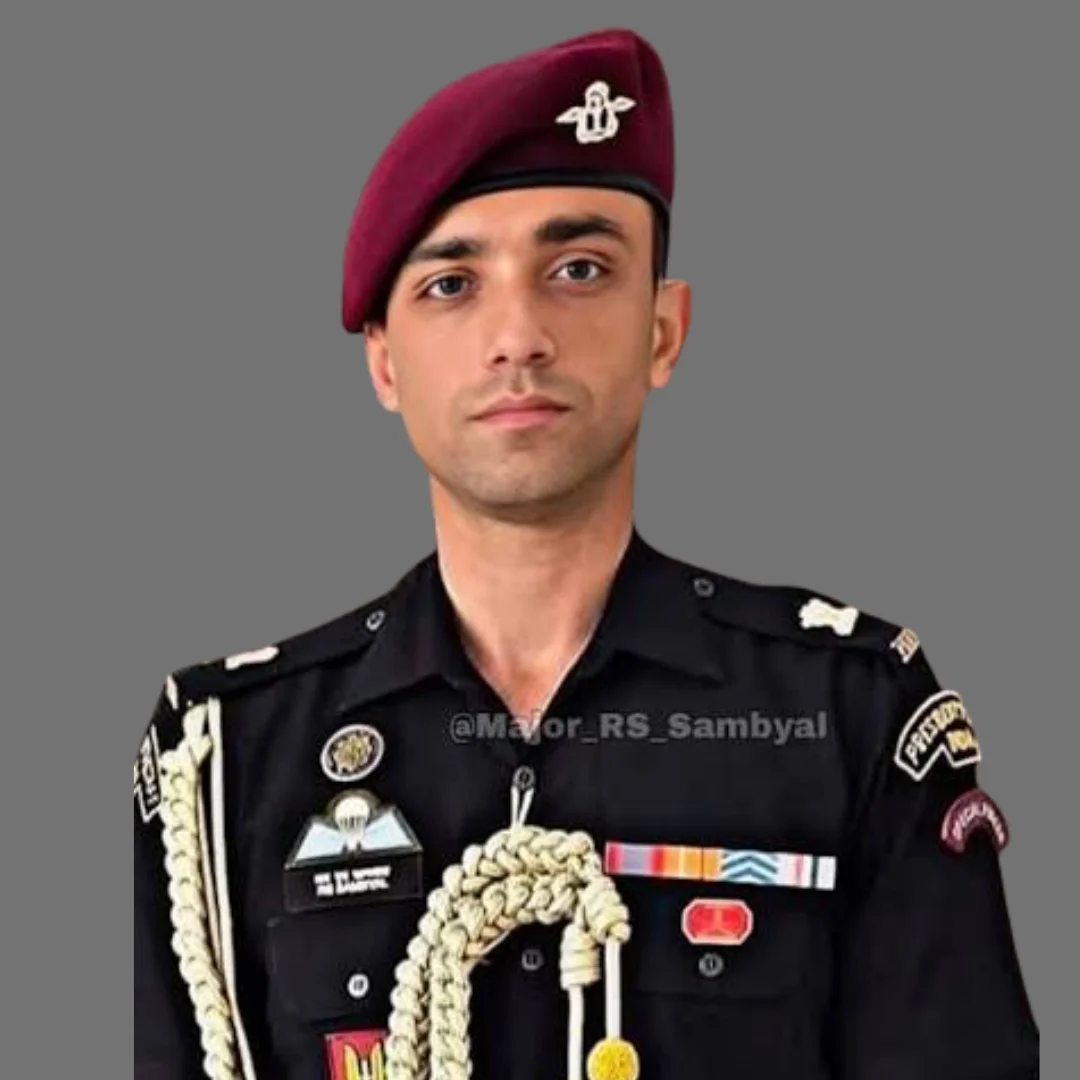
    Major Rishabh Singh Sambyal Biography, Age, Salary, Army Career & ADC

    Major Rishabh Singh Sambyal is a distinguished officer of the Indian Army who serves in the elite 4 Para (Special Forces). He gained nationwide recognition after being appointed as the Aide-de-Camp (ADC) to the President of India. Known for his discipline, leadership, and military excellence, he has become an inspiration for thousands of defence aspirants. Despite his growing popularity, he continues to maintain a private life focused on service to the nation.

    Who is Major Rishabh Singh Sambyal?

    Major Rishabh Singh Sambyal is a serving officer of the Indian Army and a member of the prestigious 4 Para (Special Forces). Hailing from Samba district, Jammu & Kashmir, he completed his military training at the National Defence Academy (NDA) and the Indian Military Academy (IMA) before being commissioned into the Army in 2018. Today, he represents the President of India as an ADC, one of the most respected ceremonial and military appointments.

    Major Rishabh Singh Sambyal Biography Overview

    ParticularDetails
    Full NameMajor Rishabh Singh Sambyal
    ProfessionIndian Army Officer
    RankMajor
    Current PositionAide-de-Camp (ADC) to the President of India
    Unit4 Para (Special Forces)
    RegimentJat Regiment (Commissioned), later 4 Para (SF)
    NationalityIndian
    HometownSamba, Jammu & Kashmir
    ReligionHindu
    EducationNDA & IMA
    Commissioned2018
    Known ForPresident’s ADC and 4 Para SF Officer
    Marital StatusNot Publicly Disclosed

    Major Rishabh Singh Sambyal Full Name, Rank & Nickname

    Major Rishabh Singh Sambyal is professionally known by his official military rank. In the Indian Army, officers are addressed by their rank, making Major Sambyal the formal way to address him. There is no verified information regarding any personal nickname.

    DetailInformation
    Full NameMajor Rishabh Singh Sambyal
    RankMajor
    ProfessionIndian Army Officer
    NicknameNot Publicly Known

    Major Rishabh Singh Sambyal Age, Date of Birth & Birthplace

    Major Sambyal’s exact date of birth has not been officially disclosed. Based on his military career timeline, he is believed to be in his early thirties. He was born and raised in Samba district of Jammu & Kashmir, a region with a proud military tradition.

    DetailInformation
    Date of BirthNot Officially Disclosed
    Estimated AgeEarly 30s (as of 2026)
    BirthplaceSamba, Jammu & Kashmir
    HometownSamba, Jammu & Kashmir
    NationalityIndian

    Major Rishabh Singh Sambyal Height & Physical Appearance

    Major Rishabh Singh Sambyal is known for his athletic physique and disciplined military appearance. As an officer of the elite 4 Para (Special Forces), he maintains exceptional physical fitness through regular endurance training, strength exercises, and military drills. His confident personality and sharp bearing reflect the standards expected from a Special Forces officer.

    Physical AttributeDetails
    Height5 feet 10 inches (178 cm)*
    Weight75–80 kg*
    Eye ColourBlack
    Hair ColourBlack
    Body TypeAthletic & Muscular
    Fitness LevelElite Military Standard

    Major Rishabh Singh Sambyal Education (NDA & IMA)

    Major Rishabh Singh Sambyal pursued his dream of joining the Indian Army at a young age. He successfully cleared the National Defence Academy (NDA) entrance examination and the Services Selection Board (SSB). He joined the 133rd NDA Course, where he underwent three years of rigorous military and academic training. After graduating from NDA, he completed pre-commission training at the Indian Military Academy (IMA), Dehradun, before being commissioned into the Indian Army in 2018.

    QualificationDetails
    Military EntranceNDA Examination
    SSBQualified
    AcademyNational Defence Academy (NDA)
    NDA Course133rd Course
    Final TrainingIndian Military Academy (IMA), Dehradun
    Commission Year2018

    Major Rishabh Singh Sambyal Indian Army Career Journey

    After being commissioned as a Lieutenant in 2018, Major Sambyal began his military career with the Jat Regiment, one of the Indian Army’s oldest and most decorated infantry regiments. His professionalism, leadership skills, and operational performance helped him build a strong reputation early in his career.

    Later, he successfully volunteered for the 4 Para (Special Forces), an achievement that only a small number of Army officers accomplish due to the extremely demanding selection process. His career eventually led to his appointment as the President’s ADC, reflecting the confidence the Army placed in his abilities.

    Career MilestoneDetails
    Commissioned2018
    Initial RegimentJat Regiment
    Current RankMajor
    Current RolePresident’s Aide-de-Camp (ADC)
    Current Unit4 Para (Special Forces)

    4 Para (Special Forces) Career

    Joining 4 Para (Special Forces) is considered one of the toughest achievements in the Indian Army. Officers must pass an intense probation that tests physical endurance, mental resilience, tactical knowledge, and leadership under extreme pressure. Only a small percentage of volunteers successfully complete this process.

    As a member of 4 Para (SF), Major Sambyal belongs to one of India’s most elite Special Forces units, trained for counter-terrorism, special reconnaissance, hostage rescue, and strategic military operations.

    Special Forces DetailsInformation
    Unit4 Para (Special Forces)
    Popular Name4 Para SF
    RoleElite Special Operations Unit
    SelectionHighly Competitive Voluntary Probation
    TrainingPhysical, Tactical & Survival Training

    Major Rishabh Singh Sambyal Training and Skills

    The training of a Special Forces officer is among the toughest in the Indian Armed Forces. Throughout his career, Major Sambyal has undergone advanced military training that emphasizes endurance, leadership, weapons handling, navigation, and operational planning. His role requires him to remain physically and mentally prepared for challenging situations at all times.

    SkillDetails
    LeadershipHigh-Level Military Leadership
    Physical FitnessElite Combat Standard
    Weapons HandlingAdvanced Military Training
    Tactical PlanningSpecial Operations
    Field SurvivalAdvanced
    Military DisciplineExceptional
    CommunicationProfessional Military Protocol
    Decision MakingHigh-Pressure Operations

    President Droupadi Murmu’s ADC Journey

    One of the biggest milestones in Major Rishabh Singh Sambyal’s career came when he was appointed as the Aide-de-Camp (ADC) to the President of India, Droupadi Murmu. An ADC is selected from among the finest officers of the Indian Armed Forces based on their service record, discipline, leadership qualities, and professional conduct.

    As the President’s ADC, Major Sambyal assists the President during official ceremonies, state visits, military events, and ceremonial parades. The position also requires coordinating protocol duties and representing the Indian Army at the highest constitutional level.

    ParticularDetails
    Current RoleAide-de-Camp (ADC)
    President ServedDroupadi Murmu
    AppointmentPresident of India Secretariat
    ResponsibilitiesMilitary protocol, ceremonial duties, official events and state visits
    Selection BasisMerit, discipline, leadership and service record

    Republic Day Parade Achievements

    Major Sambyal gained nationwide recognition after leading the Jat Regiment Contingent during the 2021 Republic Day Parade at Kartavya Path (formerly Rajpath), New Delhi. The contingent displayed outstanding discipline, precision, and marching standards, earning appreciation during one of India’s most prestigious national events.

    Leading a Republic Day contingent is considered a significant honour, as only highly capable officers are selected for this responsibility.

    AchievementDetails
    EventRepublic Day Parade 2021
    LocationNew Delhi
    ContingentJat Regiment
    RoleContingent Commander
    RecognitionPraised for excellent leadership and parade performance

    Major Rishabh Singh Sambyal Family Background

    Major Rishabh Singh Sambyal belongs to a Dogra Rajput family from Samba district, Jammu & Kashmir. The region has a long history of contributing brave soldiers to the Indian Armed Forces.

    Being a serving Army officer, he has chosen to keep his family life private. Therefore, only limited verified information about his family is available in the public domain.

    Family DetailsInformation
    HometownSamba, Jammu & Kashmir
    CommunityDogra Rajput
    ReligionHindu
    Family BackgroundPrivate
    Military TraditionRegion known for strong military heritage

    Major Rishabh Singh Sambyal Wife, Girlfriend & Relationship Status

    There is no verified public information regarding Major Rishabh Singh Sambyal’s relationship status. He has never spoken publicly about his personal relationships, and no official record confirms whether he is married or unmarried.

    As a serving Indian Army officer, he maintains a private personal life, and any rumours circulating on social media remain unverified.

    ParticularDetails
    Marital StatusNot Publicly Disclosed
    Major Rishabh Singh Sambyal WifeNot Known
    GirlfriendNot Known
    Relationship StatusPrivate

    Major Rishabh Singh Sambyal Net Worth & Sources

    Unlike celebrities or influencers, Indian Army officers do not publicly disclose their financial assets. Therefore, there is no official information regarding Major Sambyal’s net worth.

    Any figures published on unofficial websites are speculative and should not be treated as verified. His income primarily comes from his salary, military allowances, and government benefits applicable to his rank.

    Income SourceStatus
    Indian Army SalaryYes
    Military AllowancesYes
    InvestmentsNot Publicly Known
    Estimated Net WorthNot Officially Available

    Major Rishabh Singh Sambyal Salary

    As a Major in the Indian Army, Major Sambyal receives salary and allowances under the 7th Central Pay Commission. His total monthly income depends on factors such as Military Service Pay (MSP), Dearness Allowance (DA), Transport Allowance, and other admissible benefits.

    Salary ComponentDetails
    RankMajor
    Pay LevelLevel 11
    Basic Pay₹69,400 – ₹2,07,200 per month
    Military Service PayAs per Government Rules
    Additional BenefitsDA, TA, HRA (where applicable), Medical Facilities, Pension Benefits

    Awards & Achievements

    Major Rishabh Singh Sambyal has built an impressive military career through dedication, discipline, and professional excellence. While many operational achievements of Special Forces officers remain confidential, his public appointments and responsibilities reflect the trust placed in him by the Indian Army.

    AchievementDetails
    President’s ADCAppointed as Aide-de-Camp to President Droupadi Murmu
    4 Para (Special Forces)Officer in one of India’s elite Special Forces units
    Republic Day ParadeLed the Jat Regiment Contingent in 2021
    Military LeadershipRecognized for professionalism and discipline
    Public RecognitionWidely admired for his military bearing and service

    Interesting Facts About Major Rishabh Singh Sambyal

    Major Rishabh Singh Sambyal’s journey contains several interesting aspects that have made him a popular personality among defence aspirants and the general public.

    • Major Rishabh Singh Sambyal belongs to the Samba district of Jammu & Kashmir.
    • Major Rishabh Singh Sambyal successfully cleared the NDA examination and SSB interview.
    • Major Rishabh trained at both the National Defence Academy and the Indian Military Academy.
    • Sambyal was commissioned into the Indian Army in 2018.
    • Major Rishabh Singh initially served with the Jat Regiment.
    • Major Rishabh Singh Sambyal later became part of the elite 4 Para (Special Forces).
    • Major Rishabh led the Jat Regiment contingent during the 2021 Republic Day Parade.
    • Singh Sambyal currently serves as the President of India’s Aide-de-Camp (ADC).
    • Major Rishabh Singh Sambyal keeps his personal life away from the media.
    • His disciplined personality has made him a role model for NDA and CDS aspirants.

    Controversy

    As of now, Major Rishabh Singh Sambyal has not been involved in any verified public controversy. Throughout his military career, he has maintained a professional image and has remained focused on his responsibilities within the Indian Army.

    Like many public figures, his photographs and videos have gone viral on social media, leading to rumors and speculation about his personal life. However, none of these claims have been officially confirmed. There is no credible evidence linking him to any controversy or misconduct.

    FAQs

    Who is Major Rishabh Singh Sambyal?

    Major Rishabh Singh Sambyal is a serving officer of the Indian Army’s 4 Para (Special Forces) and currently serves as the Aide-de-Camp (ADC) to the President of India.

    Which unit does Major Rishabh Singh Sambyal belong to?

    He is associated with the elite 4 Para (Special Forces) of the Indian Army.

    Where is Major Rishabh Singh Sambyal from?

    He belongs to Samba district, Jammu & Kashmir, India.

    Which military academies did he attend?

    He completed his military training at the National Defence Academy (NDA) and the Indian Military Academy (IMA), Dehradun.

    When was he commissioned into the Indian Army?

    He was commissioned into the Indian Army in 2018.

    What is the role of an ADC to the President?

    An ADC assists the President during official ceremonies, military events, state visits, and protocol-related duties.

    Is Major Rishabh Singh Sambyal married?

    His marital status has not been officially disclosed.

    What is Major Rishabh Singh Sambyal’s salary?

    As a Major in the Indian Army, he receives salary and allowances according to the 7th Central Pay Commission, with a basic pay ranging from ₹69,400 to ₹2,07,200 per month, along with eligible allowances.

    What is his net worth?

    There is no officially confirmed information about his net worth.

    Why is Major Rishabh Singh Sambyal famous?

    He is widely known for serving in the elite 4 Para (Special Forces), leading the Jat Regiment contingent during the 2021 Republic Day Parade, and serving as the President’s ADC.

    Conclusion

    Major Rishabh Singh Sambyal’s career reflects the highest values of the Indian Army discipline, courage, professionalism, and selfless service. From his early days as an NDA cadet to becoming an officer in the elite 4 Para (Special Forces) and later serving as the President of India’s Aide-de-Camp, his journey demonstrates years of hard work and commitment rather than public recognition.

    Although he maintains a private personal life, his achievements continue to inspire thousands of young Indians preparing for careers in the armed forces. His story is a reminder that true leadership is built through dedication, integrity, and a lifelong commitment to serving the nation.

    Also, Read About: Major Sandeep Unnikrishnan Wife || Major Mohit Sharma Story || Major Sandeep Unnikrishnan || Major Mohit Sharma Wife || Major Iqbal

  • Major Rishabh Singh Sambyal Wife: Is the Indian Army Officer Married? Biography, Age, Family, Career & More

    Major Rishabh Singh Sambyal Wife: Is the Indian Army Officer Married? Biography, Age, Family, Career & More

    Major Rishabh Singh Sambyal has become one of the most searched Indian Army officers in recent years. His disciplined personality, impressive military career, and role as the Aide-de-Camp (ADC) to the President of India have earned him widespread recognition. His appearances alongside President Droupadi Murmu during official ceremonies have sparked curiosity among people who want to know more about his professional achievements and personal life.

    One of the most searched questions about him is “Who is Major Rishabh Singh Sambyal’s wife?” Despite his growing popularity, the Indian Army officer has maintained complete privacy regarding his personal life. This article covers everything about his marital status, biography, family, education, military career, achievements, and many more.

    Who is Major Rishabh Singh Sambyal?

    Major Rishabh Singh Sambyal is a distinguished officer of the Indian Army and serves in the prestigious 4 Para (Special Forces), one of India’s most elite military units. He currently serves as the Aide-de-Camp (ADC) to the President of India, Droupadi Murmu. This highly respected appointment reflects his professionalism, leadership, discipline, and dedication to military service.

    His calm personality, smart appearance, and respectful conduct during official state events have made him a popular figure across social media. Even with increasing public attention, he continues to maintain a low-profile lifestyle focused on serving the nation.

    Is Major Rishabh Singh Sambyal Married?

    As of now, there is no official confirmation that Major Rishabh Singh Sambyal is married.

    Neither Major Sambyal nor any official government authority has publicly confirmed his marital status. He has never shared information about his relationship or personal life in interviews or on social media. Since he is a serving Army officer, maintaining privacy is considered both professional and appropriate.

    Major Rishabh Singh Sambyal Wife

    There is no verified public information available about Major Rishabh Singh Sambyal’s wife.

    Many people search online hoping to find details about his spouse, but no authentic source has confirmed that he is married. Likewise, there are no verified photographs, interviews, or official statements identifying a wife or partner.

    Serving military officers often keep their personal and family lives private due to professional responsibilities and security reasons. Therefore, until Major Sambyal personally confirms his marital status, any claims about his wife should be treated as speculation.

    • Wife: Not publicly known
    • Marriage: Not officially confirmed
    • Relationship Status: Private
    • Family Information: Kept confidential

    Major Rishabh Singh Sambyal Biography Table

    ParticularDetails
    Full NameMajor Rishabh Singh Sambyal
    ProfessionIndian Army Officer
    RankMajor
    Unit4 Para (Special Forces)
    Current PositionAide-de-Camp (ADC) to the President of India
    NationalityIndian
    ReligionHindu (as reported publicly)
    HometownSamba District, Jammu & Kashmir
    Marital StatusNot officially confirmed
    WifeNo verified public information available
    Known ForServing as President’s ADC and Special Forces officer

    Major Rishabh Singh Sambyal Age & Date of Birth

    Major Rishabh Singh Sambyal has not publicly disclosed his exact date of birth or age.

    Unlike public personalities from the entertainment industry, serving military officers generally do not reveal personal details such as birth dates unless required for official purposes. As a result, there is no confirmed public record of his exact age.

    Major Rishabh Singh Sambyal Height & Physical Appearance

    FeatureDetails
    HeightApproximately 5 feet 10 inches to 6 feet
    WeightAround 75–80 kg (Estimated)
    Hair ColorBlack
    Eye ColorDark Brown
    Body TypeAthletic
    PersonalityDisciplined, Confident, Professional

    Early Life of Major Rishabh Singh Sambyal

    Major Rishabh Singh Sambyal is believed to belong to the Samba district of Jammu & Kashmir. From an early age, he reportedly showed a strong interest in serving the country through the armed forces.

    Although very little information about his childhood has been shared publicly, his career reflects years of hard work, determination, discipline, and physical excellence. Becoming an officer in the Indian Army and later qualifying for the Special Forces requires exceptional dedication and perseverance.

    Major Rishabh Singh Sambyal Family Background

    Major Sambyal prefers to keep his family away from media attention.

    Family MemberInformation
    FatherNot publicly disclosed
    MotherNot publicly disclosed
    SiblingsNot publicly known
    WifeNo verified information available
    ChildrenNot publicly known

    Major Rishabh Singh Sambyal Education

    There is limited verified information available regarding Major Rishabh Singh Sambyal’s educational background.

    Before beginning his military career, he completed the education and professional training required to become a commissioned officer in the Indian Army. He later underwent advanced military training and successfully qualified for the demanding Special Forces selection process, which is known for its rigorous physical and mental standards.

    The names of his schools, colleges, or military training institutions have not been publicly disclosed.

    Major Rishabh Singh Sambyal Military Career

    Major Rishabh Singh Sambyal has built an inspiring military career through dedication, discipline, and professional excellence.

    After joining the Indian Army, he became part of the elite 4 Para (Special Forces), a unit recognized for handling high-risk operations, counter-terrorism missions, strategic deployments, and specialized combat assignments.

    His outstanding service eventually earned him the prestigious appointment of Aide-de-Camp (ADC) to the President of India. This position is given to officers who demonstrate exceptional professionalism, leadership, and commitment to duty.

    Role as President Droupadi Murmu’s ADC

    As the Aide-de-Camp (ADC) to President Droupadi Murmu, Major Rishabh Singh Sambyal plays an important ceremonial and administrative role.

    His responsibilities include assisting the President during official ceremonies, state visits, military functions, Republic Day celebrations, and other national events. He also helps ensure that official protocols are carried out smoothly during high-level engagements.

    His professionalism, respectful behavior, and disciplined presence during these events have earned him admiration from people across the country.

    4 Para (Special Forces) Journey

    The 4 Para (Special Forces) is one of the Indian Army’s most respected and highly trained regiments.

    Selection into this elite unit is considered one of the toughest challenges in the Indian military. Candidates undergo intense physical endurance tests, mental assessments, survival exercises, advanced weapons training, jungle warfare, high-altitude operations, and counter-insurgency preparation.

    Successfully becoming part of this regiment highlights Major Sambyal’s exceptional physical fitness, courage, and determination.

    Awards & Achievements

    AchievementDetails
    Commissioned OfficerSuccessfully joined the Indian Army
    Special Forces OfficerMember of the elite 4 Para (Special Forces)
    Presidential ADCAppointed as Aide-de-Camp to the President of India
    Professional RecognitionAppreciated for discipline and outstanding conduct
    Public PopularityGained nationwide recognition through official appearances

    Major Rishabh Singh Sambyal Net Worth

    Since Major Rishabh Singh Sambyal is a serving officer in the Indian Army, there is no official information regarding his personal wealth or financial assets.

    CategoryDetails
    Estimated Net WorthNot publicly available
    Primary Source of IncomeIndian Army salary and allowances
    Other SourcesNot publicly known

    Interesting Facts about Major Rishabh Singh Sambyal

    • Major Rishabh Singh Sambyal serves in the elite 4 Para (Special Forces).
    • He currently serves as the Aide-de-Camp (ADC) to the President of India.
    • His disciplined personality has earned widespread admiration.
    • He prefers to keep his personal life private.
    • No verified information about his wife has been made public.
    • He represents the values of discipline, humility, and dedication associated with the Indian Army.
    • His professionalism during national ceremonies has made him a widely recognized public figure.

    FAQs

    Who is Major Rishabh Singh Sambyal?

    Major Rishabh Singh Sambyal is an Indian Army officer serving in the elite 4 Para (Special Forces) and currently works as the Aide-de-Camp (ADC) to the President of India.

    Is Major Rishabh Singh Sambyal married?

    There is no official confirmation regarding his marriage.

    Who is Major Rishabh Singh Sambyal’s wife?

    No verified public information is available about his wife or spouse.

    Which regiment does Major Rishabh Singh Sambyal belong to?

    He serves in the prestigious 4 Para (Special Forces) regiment of the Indian Army.

    Why is Major Rishabh Singh Sambyal famous?

    He is widely recognized for serving as the President’s ADC and for his disciplined presence during official national ceremonies.

    What is Major Rishabh Singh Sambyal’s age?

    His exact age and date of birth have not been officially disclosed.

    What is Major Rishabh Singh Sambyal’s net worth?

    His net worth is not publicly available, as serving Indian Army officers generally do not disclose their financial details.

    Also, Read About: Major Sandeep Unnikrishnan Wife || Major Mohit Sharma Story || Major Iqbal || Major Mohit Sharma Wife || Major Sandeep Unnikrishnan

  • Major Shaitan Singh Biography, Battle of Rezang La & PVC

    Major Shaitan Singh Biography, Battle of Rezang La & PVC

    India’s military history is filled with stories of extraordinary courage, unwavering determination, and selfless sacrifice. Among these inspiring heroes, Major Shaitan Singh Bhati holds a special place. He became a symbol of fearless leadership during the 1962 Sino-Indian War, where he led C Company of the 13 Kumaon Regiment in the historic Battle of Rezang La. Despite facing overwhelming odds, freezing temperatures, and a numerically superior enemy, Major Shaitan Singh refused to abandon his men or his position. His leadership transformed one of the toughest battles in Indian military history into an everlasting example of bravery.

    The Battle of Rezang La is remembered not because India won the war, but because a small group of Indian soldiers displayed unmatched courage against impossible circumstances. Major Shaitan Singh inspired every soldier under his command to fight until the very end. His sacrifice earned him India’s highest wartime gallantry award, the Param Vir Chakra, making him one of the nation’s most respected military heroes.

    Even decades after his martyrdom, his life continues to inspire soldiers, students, historians, and every Indian who values patriotism and courage. His story is not just about war it is about leadership, duty, resilience, and putting the nation above oneself.

    This comprehensive biography explores Major Shaitan Singh’s early life, family, military journey, leadership, achievements, and the remarkable legacy that continues to inspire generations.

    Who Is Major Shaitan Singh?

    Major Shaitan Singh Bhati was an officer of the Indian Army who became immortal for his heroic leadership during the Battle of Rezang La in the 1962 Sino-Indian War. As the commander of C Company, 13 Kumaon Regiment, he led approximately 120 soldiers in defending one of the highest and most strategically important positions in Ladakh against repeated Chinese attacks.

    What makes Major Shaitan Singh exceptional is not merely that he fought bravely, but that he continued moving from one platoon position to another under intense enemy fire, personally motivating his soldiers and directing the battle. Even after suffering severe injuries, he refused evacuation until every possible effort had been made to defend the position. His actions inspired his company to fight with extraordinary determination despite overwhelming numerical disadvantage.

    Military historians widely regard the Battle of Rezang La as one of the greatest examples of defensive warfare in modern military history. The courage displayed by Major Shaitan Singh and his men has been studied as an example of leadership, discipline, and commitment to duty under extreme conditions.

    Today, Major Shaitan Singh is remembered as one of India’s greatest war heroes whose sacrifice continues to symbolize the highest ideals of military service.

    Major Shaitan Singh Biography

    ParticularDetails
    Full NameMajor Shaitan Singh Bhati
    Popular NameMajor Shaitan Singh
    RankMajor
    ServiceIndian Army
    Regiment13 Kumaon Regiment
    CompanyCharlie (C) Company
    Arm/BranchInfantry
    Date of Birth1 December 1924
    BirthplaceBanasar Village, Jodhpur State (present-day Rajasthan), India
    NationalityIndian
    FatherLieutenant Colonel Hem Singh Bhati
    MotherInformation not officially documented
    ReligionHindu
    Marital StatusMarried
    WifeOfficially acknowledged, but limited public records are available regarding her personal life
    ChildrenPublic information is limited
    Famous ForLeadership during the Battle of Rezang La (1962)
    WarSino-Indian War (1962)
    Highest Gallantry AwardParam Vir Chakra (Posthumous)
    Date of Martyrdom18 November 1962
    Place of MartyrdomRezang La, Chushul Sector, Ladakh
    LegacyOne of India’s greatest military heroes and Param Vir Chakra awardees

    Early Life of Major Shaitan Singh

    Major Shaitan Singh was born on 1 December 1924 in Banasar village of the former princely state of Jodhpur, which is now part of Rajasthan. He was born into a respected Rajput family with a proud military tradition. Growing up in an environment where patriotism, courage, and discipline were deeply valued had a lasting influence on his personality.

    His father, Lieutenant Colonel Hem Singh Bhati, served in the military and was widely respected for his dedication to duty. Seeing his father’s commitment to the armed forces inspired young Shaitan Singh to dream of serving the nation from an early age. Stories of bravery, honour, and sacrifice were a natural part of his upbringing, shaping the values that later defined his military career.

    Unlike many children of his time who had limited opportunities, Shaitan Singh was encouraged to pursue education while also developing qualities such as physical fitness, responsibility, and discipline. Those who knew him described him as calm, humble, determined, and capable of making thoughtful decisions under pressure.

    His childhood in Rajasthan’s rugged landscape also contributed to his physical endurance and resilience—qualities that would later become invaluable during his service in the high-altitude regions of Ladakh.

    Although history remembers him primarily for his heroism in war, the foundations of that courage were built during these formative years through strong family values, disciplined upbringing, and an unwavering sense of duty.

    Major Shaitan Singh Age & Birth Details

    Major Shaitan Singh was born on 1 December 1924 in Banasar village, located in the former princely state of Jodhpur. At the time of his birth, India was still under British rule, and many princely states maintained their own military forces. Growing up during this period exposed him to a culture where military service was considered a matter of honour and responsibility.

    When the Sino-Indian War broke out in October 1962, Major Shaitan Singh was 37 years old. Despite being relatively young, he had already earned the trust and respect of both his seniors and the soldiers under his command through years of dedicated military service.

    His age reflected the perfect balance between youthful energy and professional experience. During the Battle of Rezang La, he demonstrated exceptional maturity, tactical judgment, and composure while leading his men in one of the most challenging combat situations faced by the Indian Army.

    Birth DetailsInformation
    Date of Birth1 December 1924
    BirthplaceBanasar Village, Jodhpur State (Present-day Rajasthan, India)
    Age at Martyrdom37 Years
    Zodiac SignSagittarius
    NationalityIndian

    Major Shaitan Singh Family Background

    Major Shaitan Singh belonged to the distinguished Bhati Rajput family, which had a long tradition of military service. His family’s commitment to protecting the nation and serving with honour greatly influenced his personality and future career.

    His father, Lieutenant Colonel Hem Singh Bhati, served with distinction in the military and became one of the strongest role models in his life. The values of integrity, discipline, courage, and loyalty were deeply rooted within the family and became guiding principles for young Shaitan Singh.

    Although official records provide very little publicly available information about his mother and siblings, historical accounts consistently highlight the significant influence of his father’s military background. This environment encouraged him to pursue a life dedicated to serving the country.

    Even after achieving national recognition, Major Shaitan Singh remained known for his humility and simplicity. His family background instilled in him the belief that leadership is demonstrated through action rather than words—a principle clearly reflected during the Battle of Rezang La.

    Family MemberDetails
    FatherLieutenant Colonel Hem Singh Bhati
    MotherNot officially documented in public records
    Family HeritageBhati Rajput
    Native PlaceBanasar, Rajasthan
    Family TraditionMilitary Service

    Education of Major Shaitan Singh

    Major Shaitan Singh received his early education in Rajasthan, where he developed a reputation as a disciplined and sincere student. While detailed records about the names of his schools and colleges are not extensively documented in publicly available historical sources, it is well established that his education emphasized character, discipline, and responsibility alongside academic learning.

    During his youth, physical fitness and leadership qualities were considered essential for those aspiring to join the armed forces. Shaitan Singh displayed these traits from an early age, making military service a natural career choice.

    His upbringing and education prepared him not only intellectually but also mentally for the challenges of military life. The ability to remain calm under pressure, communicate effectively with his troops, and make quick battlefield decisions reflected the strong foundation he had developed during his formative years.

    After completing his education, he chose to follow the path of military service rather than pursuing a civilian profession, continuing his family’s proud tradition of serving the nation.

    Education DetailsInformation
    SchoolingCompleted in Rajasthan (specific institution not widely documented)
    Higher EducationHistorical records are limited
    Military TrainingCompleted after joining military service
    Known ForDiscipline, leadership, courage, and dedication

    Major Shaitan Singh Height, Weight & Physical Appearance

    Physical AppearanceDetails
    HeightNot officially documented
    WeightNot officially documented
    Eye ColourBlack
    Hair ColourBlack
    BuildAthletic and Physically Fit
    PersonalityCourageous, Calm, Disciplined, Inspirational

    Major Shaitan Indian Army Career (Beginning)

    Major Shaitan Singh’s military career began during a period of significant transition in Indian history. Before becoming an officer in the Indian Army, he first served in the military forces of the princely state of Jodhpur. This early experience gave him valuable exposure to military discipline, field operations, and leadership at a time when India was approaching independence.

    Following the integration of princely state forces after Independence, Shaitan Singh continued his service with the Indian Army. His professionalism, tactical understanding, and ability to motivate soldiers quickly earned him recognition among his seniors. Over the years, he served in various operational assignments that strengthened his experience as an infantry officer.

    Known for leading from the front rather than directing from behind, he developed a reputation as an officer who always placed the welfare and morale of his soldiers above personal comfort. His leadership style emphasized discipline, teamwork, and unwavering commitment to duty—qualities that would later define his actions during the Battle of Rezang La.

    As his military career progressed, he was eventually posted to the 13 Kumaon Regiment, where destiny would place him at the center of one of the most extraordinary battles in Indian military history.

    Journey from the Jodhpur State Forces to the Indian Army

    Major Shaitan Singh Bhati’s military journey reflects the transformation of India’s armed forces after Independence. Before joining the Indian Army, he began his career with the Jodhpur State Forces, the military establishment maintained by the princely state of Jodhpur. During the British era, many princely states had their own trained armies responsible for protecting their territories and supporting larger military operations when required.

    Growing up in a family with a strong military background, Shaitan Singh was naturally drawn toward a life of discipline and national service. His father, Lieutenant Colonel Hem Singh Bhati, had already earned respect through his own military career, and this inspired the young officer to follow a similar path.

    After completing his education, Shaitan Singh joined the Jodhpur State Forces, where he underwent rigorous military training. He quickly gained recognition for his calm temperament, physical endurance, and ability to lead soldiers in demanding situations. Senior officers appreciated his professionalism, while fellow soldiers respected him for treating everyone with fairness and dignity.

    The years immediately following India’s independence in 1947 brought major changes to the country’s defence structure. Hundreds of princely states were integrated into the Republic of India, and their military units gradually became part of the newly organized Indian Army. This integration was a complex process involving administrative reforms, standardization of training, and modernization of command structures.

    Shaitan Singh adapted exceptionally well to these changes. Instead of viewing the transition as a challenge, he embraced the opportunity to serve a united India. His previous experience, combined with his willingness to learn modern military practices, made him a valuable officer during this period of restructuring.

    As he progressed through his career, he earned a reputation for maintaining discipline without compromising compassion. Soldiers who served under him often remembered him as an officer who believed that trust between a commander and his troops was the foundation of battlefield success. He regularly interacted with his men, understood their concerns, and ensured they remained motivated even in difficult field conditions.

    His dedication, tactical understanding, and leadership abilities eventually led to his appointment in one of the Indian Army’s respected infantry battalions—the 13 Kumaon Regiment. This posting would define his legacy forever.

    Transition from Jodhpur State Forces to the Indian Army

    ParticularDetails
    Initial Military ServiceJodhpur State Forces
    PeriodBefore and immediately after Indian Independence
    Military BackgroundInfantry Service
    IntegrationBecame part of the Indian Army after the merger of princely state forces
    Leadership QualitiesDiscipline, Courage, Tactical Thinking, Humility
    Later Posting13 Kumaon Regiment

    13 Kumaon Regiment

    The 13 Kumaon Regiment occupies a unique and distinguished place in Indian military history. While the Kumaon Regiment itself traces its origins back to the British Indian Army, the 13th Battalion became globally recognized because of the extraordinary courage displayed during the Battle of Rezang La in 1962.

    At the time of the Sino-Indian War, Major Shaitan Singh was serving as the commander of Charlie (C) Company of the 13 Kumaon Regiment. The company was largely composed of soldiers from the Ahir community of Haryana, many of whom came from farming families. These soldiers were known for their physical toughness, determination, and strong sense of duty.

    Although many of them had never experienced combat at such extreme altitudes, they quickly adapted to the harsh conditions of Ladakh. Operating above 16,000 feet meant facing freezing temperatures, strong winds, limited oxygen, and difficult supply routes. Despite these hardships, the soldiers remained committed to defending every inch of Indian territory.

    Major Shaitan Singh understood that success in such conditions depended not only on weapons but also on morale. He built a close relationship with his troops, encouraging them to maintain confidence despite logistical challenges and the growing threat from Chinese forces.

    Unlike commanders who relied solely on formal authority, he inspired his company by sharing their hardships. He inspected defensive positions personally, motivated his soldiers regularly, and ensured every platoon understood its responsibilities. His leadership created a strong sense of unity that later became one of the defining factors during the Battle of Rezang La.

    Even today, military academies study the conduct of the 13 Kumaon Regiment during the battle as an example of courage, discipline, and battlefield leadership under impossible circumstances.

    13 Kumaon Regiment at a Glance

    ParticularDetails
    RegimentKumaon Regiment
    Battalion13 Kumaon
    Company Commanded by Major Shaitan SinghCharlie (C) Company
    Company StrengthApproximately 120 Soldiers
    Majority CompositionAhir Soldiers from Haryana
    RoleInfantry Battalion
    Area of Deployment (1962)Rezang La, Chushul Sector, Ladakh
    Historic AchievementHeroic stand during the Battle of Rezang La

    1962 Sino-Indian War

    The Sino-Indian War of 1962 was one of the most significant conflicts in India’s post-independence history. The war erupted due to long-standing disagreements over the Himalayan border between India and China. The western sector, including Aksai Chin, and the eastern sector, then known as the North-East Frontier Agency (NEFA), became the principal areas of confrontation.

    Tensions between the two countries had been increasing for several years. China had constructed a strategic road through Aksai Chin, an area claimed by India, while both nations maintained differing interpretations of the Line of Actual Control. Diplomatic negotiations failed to resolve these disputes, and military confrontations gradually intensified.

    In October 1962, Chinese forces launched coordinated attacks across multiple sectors. Indian troops, many stationed in isolated and high-altitude locations, faced severe logistical challenges. Roads were limited, supplies were difficult to transport, and winter conditions made military operations even more demanding.

    Despite these disadvantages, Indian soldiers displayed exceptional courage in numerous engagements. One of the most remarkable examples occurred in the Chushul sector of Ladakh, where Major Shaitan Singh and his company defended Rezang La against overwhelming odds.

    The conflict officially lasted for about a month before China announced a unilateral ceasefire in November 1962. Although India suffered territorial setbacks, the bravery displayed by its soldiers during battles such as Rezang La, Walong, and Nuranang became lasting symbols of national courage.

    1962 Sino-Indian War Overview

    ParticularDetails
    ConflictSino-Indian War
    Duration20 October – 21 November 1962
    Countries InvolvedIndia and China
    Main Western SectorLadakh (Aksai Chin)
    Main Eastern SectorNEFA (Present-day Arunachal Pradesh)
    Major Indian Formation at Rezang La13 Kumaon Regiment
    Famous BattleBattle of Rezang La
    Gallantry AwardParam Vir Chakra to Major Shaitan Singh (Posthumous)

    Background Before the Battle of Rezang La

    By November 1962, the military situation in Ladakh had become increasingly tense. Chinese forces had already achieved success in several sectors and were attempting to strengthen their control over strategically important mountain passes.

    Among these positions, Rezang La held exceptional military importance. Located at an altitude of approximately 16,000 feet (about 4,900 metres) near the Chushul Valley, the pass overlooked approaches that could provide access to the Chushul airfield—one of India’s most important logistical bases in eastern Ladakh.

    Indian military planners recognized that if Rezang La fell, Chinese troops would gain a significant tactical advantage in advancing toward Chushul. Consequently, the responsibility for defending this critical position was assigned to Charlie Company of the 13 Kumaon Regiment, commanded by Major Shaitan Singh.

    The challenge before the company was enormous. The soldiers occupied exposed defensive positions spread across rocky mountain slopes with limited natural cover. The extreme altitude affected breathing, movement, and endurance. Temperatures frequently dropped far below freezing, while strong winds increased the physical strain on every soldier.

    Supplying ammunition, food, and winter clothing to the forward positions was difficult because of the rugged terrain. Heavy artillery support was limited, and communication between platoon positions could become difficult during intense fighting. Despite these operational challenges, the soldiers remained determined to defend their assigned sector.

    Major Shaitan Singh spent considerable time inspecting each platoon, encouraging his men, and strengthening defensive preparations. Rather than focusing on the disadvantages they faced, he emphasized discipline, confidence, and mutual trust.

    His leadership ensured that every soldier clearly understood the importance of holding Rezang La, regardless of the enemy’s numerical strength.

    Strategic Importance of the Chushul Sector

    The Chushul Valley was one of the most strategically sensitive regions during the 1962 conflict. Its airfield served as a vital supply hub for Indian forces operating in eastern Ladakh. Reinforcements, equipment, ammunition, and essential supplies could be transported to the area through this airfield.

    Rezang La formed part of the defensive shield protecting Chushul. Any successful Chinese advance through this mountain pass could threaten the valley and complicate India’s defensive operations.

    For this reason, the defence of Rezang La carried significance far beyond the local battlefield. Holding the position meant delaying enemy movement, protecting the Chushul airfield, and safeguarding one of India’s key operational bases in Ladakh.

    Major Shaitan Singh and his soldiers understood the importance of their mission. They knew they were not merely defending a mountain pass—they were protecting an essential gateway whose security had implications for the broader defence of Ladakh.

    Although they were heavily outnumbered and operating under extremely difficult conditions, their determination remained unshaken. Their steadfast resolve laid the foundation for one of the most celebrated acts of courage in Indian military history.

    Battle of Rezang La – The Complete Story

    The Battle of Rezang La was fought on 18 November 1962 during the Sino-Indian War in the Chushul sector of Ladakh at an altitude of about 16,000 feet (4,900 metres). Major Shaitan Singh, commanding C Company of the 13 Kumaon Regiment, led around 120 Indian soldiers in defending the strategically important Rezang La Pass against a much larger Chinese force. Despite freezing temperatures, limited support, and difficult terrain, the company refused to retreat and fought until the last.

    Battle of Rezang La Overview

    ParticularDetails
    BattleBattle of Rezang La
    Date18 November 1962
    LocationRezang La, Chushul Sector, Ladakh
    AltitudeApprox. 16,000 feet (4,900 m)
    Indian CommanderMajor Shaitan Singh
    Indian UnitC Company, 13 Kumaon Regiment
    Indian StrengthAround 120 Soldiers
    OpponentPeople’s Liberation Army (China)
    SignificanceOne of the greatest last stands in Indian military history

    The Situation Before the Attack

    Before the battle, Chinese troops had increased military activity around Chushul. Rezang La was a key defensive position protecting the Chushul Valley and its airfield. Major Shaitan Singh’s company occupied isolated hill positions with limited artillery support, but every soldier was prepared to defend the post despite extreme weather and logistical challenges.

    Battlefield Conditions

    FactorInformation
    WeatherFreezing temperatures and strong winds
    TerrainRocky mountains and steep slopes
    Oxygen LevelVery low due to high altitude
    Artillery SupportLimited
    MissionDefend Rezang La and stop enemy advance

    The Chinese Offensive Begins

    In the early hours of 18 November 1962, Chinese forces opened the attack with heavy mortar and artillery fire before launching repeated infantry assaults. Indian soldiers remained in their bunkers and waited until the enemy came within range before opening accurate rifle and machine-gun fire. Several early attacks were successfully repulsed.

    Chinese Assault

    ParticularDetails
    Date of Attack18 November 1962
    Initial AssaultMortar and artillery bombardment
    Enemy StrategyMulti-directional infantry attacks
    Indian ResponseAccurate rifle and LMG fire
    ResultInitial Chinese attacks were repelled

    Indian Soldiers Refused to Retreat

    As the battle intensified, communication lines were damaged and ammunition became limited. Even under constant attack, no platoon abandoned its position. Many soldiers continued fighting with rifles, grenades, and bayonets until their last breath, displaying extraordinary courage and discipline.

    Indian Defence

    ParticularDetails
    CommunicationDamaged during battle
    AmmunitionBecame limited
    Retreat OrderedNo
    Fighting Continued WithRifles, LMGs, grenades, bayonets
    Spirit of SoldiersDetermined to defend their positions

    Major Shaitan Singh’s Leadership and Bravery

    Major Shaitan Singh led from the front throughout the battle. He moved between platoon positions under heavy enemy fire, encouraged his soldiers, and coordinated the defence. Even after being seriously wounded, he refused evacuation and continued leading his company. His fearless leadership inspired every soldier to keep fighting despite overwhelming odds.

    Leadership Highlights

    Leadership QualityDescription
    Led from the FrontPersonally visited every platoon
    CourageContinued despite heavy enemy fire
    MotivationEncouraged soldiers throughout the battle
    SacrificeRefused evacuation after being wounded
    LegacySymbol of fearless military leadership

    The Final Phase of the Battle

    As Chinese troops surrounded several positions, the fighting became increasingly intense. Major Shaitan Singh was seriously wounded while moving between platoons. His soldiers tried to evacuate him, but he ordered them to return to the battle and continue defending their positions. He later succumbed to his injuries, becoming one of India’s greatest war heroes.

    Final Moments

    ParticularDetails
    Major InjuredDuring active leadership on the battlefield
    EvacuationRefused
    Final OrderContinue fighting and defend the position
    Date of Martyrdom18 November 1962
    PlaceRezang La, Ladakh

    Outcome of the Battle

    Although C Company suffered heavy casualties, its extraordinary resistance delayed the Chinese advance and became a symbol of unmatched bravery. When Indian search teams reached the battlefield after the ceasefire, many soldiers were found in their fighting positions with their weapons still in hand.

    Battle Outcome

    ParticularDetails
    Indian SoldiersAround 120
    Indian Martyrs114
    SurvivorsA few, many seriously wounded
    Chinese CasualtiesOfficial figures not confirmed; believed to be heavy
    Historical ImportanceOne of the finest examples of defensive warfare

    Param Vir Chakra Citation and Award

    For his exceptional courage, outstanding leadership, and supreme sacrifice during the Battle of Rezang La, Major Shaitan Singh was posthumously awarded the Param Vir Chakra, India’s highest wartime gallantry award. The honour recognized his determination to lead from the front and inspire his soldiers even after sustaining critical injuries.

    Param Vir Chakra

    ParticularDetails
    AwardParam Vir Chakra
    Awarded ToMajor Shaitan Singh
    Award TypeIndia’s Highest Wartime Gallantry Award
    AwardedPosthumously
    ReasonExtraordinary bravery and leadership at Rezang La

    Major Shaitan Singh Death and Martyrdom

    Major Shaitan Singh attained martyrdom on 18 November 1962 while defending Rezang La. He placed the safety of his soldiers and the success of the mission above his own life. His sacrifice remains one of the most inspiring chapters in Indian military history.

    Martyrdom Details

    ParticularDetails
    Date18 November 1962
    PlaceRezang La, Chushul Sector, Ladakh
    CauseFatal injuries during the Battle of Rezang La
    Remembered ForSupreme sacrifice and fearless leadership
    National HonourParam Vir Chakra (Posthumous)

    Major Shaitan Singh Wife, Children & Personal Life

    Major Shaitan Singh was known for maintaining a private personal life. Historical records mainly focus on his military service and bravery, while very little verified information about his wife and children has been made public. Despite spending much of his career in challenging field postings, he remained a dedicated family man who valued discipline, honesty, and service to the nation above personal recognition.

    ParticularDetails
    Marital StatusMarried
    WifeName not widely documented in official public records
    ChildrenPublic information is limited
    ProfessionIndian Army Officer
    PersonalityBrave, Humble, Disciplined, Dedicated
    Known ForLeadership, Patriotism, Selfless Service

    Memorials, Museums & Statues

    Major Shaitan Singh’s sacrifice is commemorated through several memorials across India. The most famous is the Rezang La War Memorial near Chushul in Ladakh, built in honour of the brave soldiers of C Company, 13 Kumaon Regiment. His statue and memorials can also be found in Rajasthan and at military establishments, where they continue to inspire visitors and young soldiers.

    Every year, the Indian Army and citizens pay tribute to Major Shaitan Singh and his comrades on 18 November, remembering their extraordinary courage at Rezang La.

    Major Memorials

    MemorialLocation
    Rezang La War MemorialChushul, Ladakh
    Major Shaitan Singh MemorialRajasthan
    Param Vir Chakra Memorial DisplaysVarious Indian Army establishments
    Military MuseumsFeatured in several Indian military museums

    Legacy and Honours

    Major Shaitan Singh’s legacy extends far beyond the Battle of Rezang La. His leadership has become a benchmark for courage and battlefield command in the Indian Army. Military academies study his actions as an example of leading from the front under extreme conditions.

    His supreme sacrifice earned him the Param Vir Chakra, India’s highest wartime gallantry award. His story is regularly included in military history books, documentaries, and educational materials to inspire future generations.

    HonourDetails
    Highest Gallantry AwardParam Vir Chakra (Posthumous)
    Famous BattleBattle of Rezang La
    Regiment13 Kumaon Regiment
    Remembered AsHero of Rezang La
    Inspiration ForIndian Armed Forces and Youth

    Unknown Facts About Major Shaitan Singh

    • He was born into a family with a proud military tradition.
    • Before joining the Indian Army, he served in the Jodhpur State Forces.
    • He personally visited forward positions during the battle instead of remaining at a command post.
    • He continued leading his company even after being seriously wounded.
    • He instructed his soldiers to leave him behind and continue fighting rather than risk their own lives.
    • His leadership during Rezang La is studied in Indian military training institutions.
    • The Battle of Rezang La is considered one of the greatest last stands in modern military history.

    Inspirational Quotes by and About Major Shaitan Singh

    Although no officially verified personal quotations of Major Shaitan Singh are available in public records, these lines reflect the values for which he is remembered.

    “True leadership begins where personal safety ends.”

    “Duty to the nation is greater than duty to oneself.”

    “Courage is not measured by survival, but by standing firm when defeat seems certain.”

    “Heroes may fall in battle, but their courage lives forever.”

    “The story of Rezang La reminds every generation that bravery has no limits.”

    Major Shaitan Singh Timeline

    Year/DateEvent
    1 December 1924Born in Banasar, Jodhpur State (Present-day Rajasthan)
    Early YearsCompleted education and prepared for military service
    Before IndependenceJoined Jodhpur State Forces
    After 1947Integrated into the Indian Army
    1962Posted with 13 Kumaon Regiment
    18 November 1962Led C Company during the Battle of Rezang La
    18 November 1962Attained martyrdom
    1963Awarded Param Vir Chakra (Posthumously)

    FAQs

    Who was Major Shaitan Singh?

    Major Shaitan Singh Bhati was an Indian Army officer who commanded C Company of the 13 Kumaon Regiment during the Battle of Rezang La in the 1962 Sino-Indian War. He was posthumously awarded the Param Vir Chakra for his extraordinary bravery.

    What was Major Shaitan Singh famous for?

    He is famous for leading about 120 Indian soldiers against a much larger Chinese force at Rezang La on 18 November 1962 and fighting with exceptional courage until his martyrdom.

    Which regiment did Major Shaitan Singh belong to?

    He served in the 13 Kumaon Regiment of the Indian Army.

    When was Major Shaitan Singh born?

    He was born on 1 December 1924 in Banasar village, present-day Rajasthan.

    Which award did Major Shaitan Singh receive?

    He was posthumously awarded the Param Vir Chakra, India’s highest wartime gallantry award.

    Where did Major Shaitan Singh attain martyrdom?

    He attained martyrdom at Rezang La in the Chushul sector of Ladakh on 18 November 1962.

    Why is the Battle of Rezang La famous?

    The battle is remembered as one of the greatest examples of defensive warfare, where a small company of Indian soldiers fought courageously against overwhelming odds.

    How many soldiers were in C Company?

    C Company of the 13 Kumaon Regiment consisted of approximately 120 soldiers during the Battle of Rezang La.

    Conclusion

    Major Shaitan Singh’s life is a remarkable example of courage, leadership, and unwavering devotion to duty. From his early days in Rajasthan and service in the Jodhpur State Forces to his distinguished career in the Indian Army, every chapter of his journey reflected discipline and selfless commitment to the nation.

    His heroic leadership during the Battle of Rezang La transformed an impossible military situation into one of the finest examples of battlefield courage in modern history. Even after suffering severe injuries, he continued to inspire his soldiers and placed the mission above his own life.

    More than six decades later, Major Shaitan Singh remains one of India’s most respected military heroes. His story continues to inspire soldiers, students, historians, and every Indian who believes that true patriotism is demonstrated through courage, sacrifice, and service. The legacy of the Hero of Rezang La will forever remain an enduring symbol of honour in India’s military history.

    Also, Read About: Major Rishabh Singh Sambyal Wife || Major Rishabh Singh Sambyal || Major Sandeep Unnikrishnan Wife || Major Mohit Sharma Story || Major Sandeep Unnikri

  • Major Gaurav Chaudhary Biography, Age, Army Career & More

    Major Gaurav Chaudhary Biography, Age, Army Career & More

    Major Gaurav Chaudhary is a respected Indian Army officer known for his service in the elite 10 PARA (Special Forces) and for serving as the Aide-de-Camp (ADC) to the President of India. He became widely recognized after appearing at official ceremonies held at Rashtrapati Bhavan, where his disciplined personality and professional military appearance attracted public attention.

    Unlike celebrities, Major Gaurav Chaudhary keeps his personal life private. Most of his recognition comes from his military service and official duties rather than social media. bisque-tapir-826558.hostingersite.com/ covers his biography, education, Army career, Special Forces journey, physical appearance, achievements, and many more.

    Who Is Major Gaurav Chaudhary?

    Major Gaurav Chaudhary is an officer of the Indian Army’s Parachute Regiment and is widely associated with 10 PARA (Special Forces), one of India’s most prestigious Special Forces units. He is best known for serving as the President’s Aide-de-Camp (ADC), a ceremonial and administrative appointment given to highly professional officers with an outstanding service record.

    His disciplined personality, leadership qualities, and smart appearance have made him one of the most searched Indian Army officers in recent years. Despite his popularity, he continues to maintain a private and professional life focused on serving the nation.

    Major Gaurav Chaudhary Biography Overview

    InformationDetails
    Full NameGaurav Chaudhary
    Popular NameMajor Gaurav Chaudhary
    ProfessionIndian Army Officer
    RankMajor
    ServiceIndian Army
    RegimentParachute Regiment
    Unit10 PARA (Special Forces)
    Famous ForPresident’s ADC
    BirthplaceWidely reported as Karnal, Haryana
    Date of BirthPublicly reported as 14 August 1991*
    AgeReported as 33 Years (2025)*
    EducationKendriya Vidyalaya, NDA & IMA (widely reported)
    Marital StatusNot officially disclosed
    ReligionNot publicly confirmed

    Major Gaurav Chaudhary Early Life

    Major Gaurav Chaudhary was raised in Karnal, Haryana, in a middle-class family. From a young age, he was interested in sports, physical fitness, and disciplined living. His dedication and determination reportedly inspired him to prepare for a career in the Indian Armed Forces.

    Although official information about his childhood is limited, his later achievements in the Indian Army reflect years of hard work, discipline, and leadership development.

    Early Life Overview

    ParticularDetails
    Childhoodspent in Karnal, Haryana
    Family BackgroundMiddle-class family (publicly reported)
    InterestsSports, Fitness, Leadership
    Career GoalJoin the Indian Army

    Major Gaurav Chaudhary Age and Date of Birth

    Major Gaurav Chaudhary’s exact date of birth has not been officially released by the Indian Army. However, several public biographies report that he was born on 14 August 1991, making him 34 years old as of 2026. Since this information has not been officially verified, it should be considered publicly reported rather than confirmed.

    His reported birthday falls one day before India’s Independence Day celebrations, which many people find symbolic considering his military career.

    Age & Birth Details

    InformationDetails
    Date of Birth14 August 1991 (Publicly Reported)
    Age34 Years (2026)*
    Birth Year1991
    Zodiac SignLeo

    Major Gaurav Chaudhary Birthplace and Hometow

    Major Gaurav Chaudhary is widely reported to belong to Karnal, Haryana. The city has produced several distinguished personalities in defence, sports, and public service. However, his birthplace has not been officially confirmed through government or Army records.

    InformationDetails
    BirthplaceKarnal, Haryana
    HometownKarnal, Haryana
    StateHaryana
    CountryIndia
    NationalityIndian

    Major Gaurav Chaudhary Family Background

    Major Gaurav Chaudhary prefers to keep his family life private. Public biographies mention that he belongs to a supportive family that encouraged discipline and education from an early age. However, the names and professional details of his parents have never been officially disclosed.

    Some reports also mention that he has a sister, but no verified public information is available regarding other family members. Respecting the privacy of serving Army officers and their families is important, as official records do not disclose such details.

    Family MemberDetails
    FatherNot Publicly Disclosed
    MotherNot Publicly Disclosed
    BrotherNot Publicly Available
    SisterPublicly Reported (Name Not Available)
    Family ResidenceHaryana (Publicly Reported)

    Major Gaurav Chaudhary Education Qualification

    Major Gaurav Chaudhary completed his schooling at Kendriya Vidyalaya, Karnal. He later qualified for the National Defence Academy (NDA), Pune, followed by officer training at the Indian Military Academy (IMA), Dehradun. These institutions are among India’s most respected military training academies.

    Successfully completing NDA and IMA requires exceptional academic performance, leadership qualities, physical fitness, and mental strength. His later selection for 10 PARA (Special Forces) further reflects his outstanding professional capabilities.

    QualificationDetails
    SchoolKendriya Vidyalaya, Karnal (Publicly Reported)
    Military AcademyNational Defence Academy (NDA), Pune
    Officer TrainingIndian Military Academy (IMA), Dehradun
    ProfessionCommissioned Officer, Indian Army
    Special QualificationSelected for 10 PARA (Special Forces)

    Major Gaurav Chaudhary Military Career

    Major Gaurav Chaudhary has built an impressive career in the Indian Army through dedication, discipline, and professional excellence. After completing his military training, he was commissioned into the Parachute Regiment, one of the Army’s most respected regiments. His outstanding performance later helped him qualify for 10 PARA (Special Forces), an elite unit known for undertaking high-risk operations.

    Over the years, he has served in challenging operational environments and gained recognition for his leadership and commitment. His appointment as the President’s Aide-de-Camp (ADC) further highlights the trust placed in him by the Indian Army.

    Military Career Overview

    ParticularDetails
    ProfessionIndian Army Officer
    RegimentParachute Regiment
    Special Forces Unit10 PARA (Special Forces)
    RankMajor
    Famous AppointmentPresident’s Aide-de-Camp (ADC)
    Known ForMilitary Leadership & Special Forces Service

    How Major Gaurav Chaudhary Joined the Indian Army

    Major Gaurav Chaudhary developed an interest in serving the nation at an early age. After completing his school education, he reportedly cleared the National Defence Academy (NDA) entrance examination, one of India’s toughest defence entrance tests.

    Following his training at NDA, he attended the Indian Military Academy (IMA), Dehradun, where he completed officer training before being commissioned into the Indian Army. His consistent performance and determination helped him progress towards one of the Army’s most demanding career paths.

    Indian Army Journey

    StageDetails
    School EducationKendriya Vidyalaya (Publicly Reported)
    NDA SelectionCleared NDA Entrance Examination
    Officer TrainingIndian Military Academy (IMA)
    CommissionIndian Army
    RegimentParachute Regiment

    Major Gaurav Chaudhary and 10 PARA Special Forces

    One of the biggest achievements in Major Gaurav Chaudhary’s career is his association with 10 PARA (Special Forces), popularly known as the Desert Scorpions. This elite unit specializes in special operations, counter-terrorism missions, strategic reconnaissance, and high-risk combat operations.

    Selection into 10 PARA is considered one of the toughest processes in the Indian Army. Candidates undergo physically and mentally demanding tests, where only a small percentage successfully qualify. Serving in this unit reflects exceptional courage, endurance, and professional competence.

    InformationDetails
    Unit10 PARA (Special Forces)
    RegimentParachute Regiment
    Popular NameDesert Scorpions
    SpecializationSpecial Operations
    Selection ProcessExtremely Difficult
    ReputationOne of India’s Elite Special Forces Units

    Major Gaurav Chaudhary Training and Military Qualifications

    Major Gaurav Chaudhary has undergone rigorous military training throughout his career. Like every Special Forces officer, he completed advanced physical conditioning, leadership training, tactical exercises, and specialized combat courses before qualifying for elite operational roles.

    Public reports also state that he successfully completed advanced desert warfare training associated with 10 PARA (Special Forces). While several online sources mention additional specialized qualifications, the Indian Army has not officially published a complete list of his military courses.

    Military Training

    TrainingStatus
    Officer TrainingCompleted
    Physical Combat TrainingCompleted
    Leadership TrainingCompleted
    Tactical Operations TrainingCompleted
    Special Forces SelectionQualified
    Desert Warfare TrainingPublicly Reported

    Major Gaurav Chaudhary as President’s ADC

    Serving as the Aide-de-Camp (ADC) to the President of India is one of the most prestigious appointments an Indian Army officer can receive. Major Gaurav Chaudhary earned this responsibility after demonstrating an excellent service record, professional conduct, and leadership qualities.

    As President’s ADC, he assisted the President during official ceremonies, state visits, military parades, and constitutional events held at Rashtrapati Bhavan. His role involved maintaining military protocol, coordinating ceremonial activities, and representing the Indian Army during important national occasions.

    It was during this appointment that he became widely recognized by the public through official photographs and ceremonial appearances.

    President’s ADC Profile

    InformationDetails
    AppointmentAide-de-Camp (ADC)
    Served UnderPresident of India
    ResponsibilitiesOfficial Ceremonies & Military Protocol
    WorkplaceRashtrapati Bhavan
    SelectionBased on Excellent Service Record

    Major Gaurav Chaudhary Uniform, Badges and Decorations

    Major Gaurav Chaudhary’s military uniform represents years of dedicated service and professional achievements. As a Special Forces officer, his uniform includes insignia and badges that reflect specialized military qualifications and operational excellence.

    One of the most recognized insignia associated with Para Special Forces officers is the Balidan Badge, which symbolizes elite status and the highest standards of courage and commitment. Publicly available photographs from official ceremonies also show him wearing various service ribbons earned during his military career.

    While several websites mention additional medals and qualifications, only those supported by reliable public evidence should be treated as confirmed.

    Uniform & Decorations

    Badge / DecorationStatus
    Balidan BadgeAssociated with Para SF Service
    Parachute WingsWorn by Qualified Paratroopers
    Military Service RibbonsVisible During Official Ceremonies
    Special Forces InsigniaYes
    Additional MedalsOfficial Complete List Not Publicly Available

    Military Career and Achievements

    Major Gaurav Chaudhary’s career reflects years of discipline, leadership, and service to the nation. From qualifying for the Parachute Regiment to serving in 10 PARA (Special Forces) and later representing the Indian Army at Rashtrapati Bhavan, every stage of his career demonstrates professional excellence.

    Although many operational achievements remain confidential due to the nature of Special Forces service, his appointment as the President’s ADC itself is considered a major professional milestone. It reflects the confidence the Indian Army places in officers who uphold the highest standards of conduct and leadership.

    Career Highlights

    AchievementDetails
    Commissioned OfficerIndian Army
    JoinedParachute Regiment
    Selected For10 PARA (Special Forces)
    Elite TrainingSuccessfully Completed
    President’s ADCServed at Rashtrapati Bhavan
    Public RecognitionOne of India’s Most Recognized Army Officers
    Professional ReputationDiscipline, Leadership & Military Excellence

    Major Gaurav Chaudhary Height, Weight and Physical Appearance

    Physical AttributeDetails
    Height6 ft 1 in (185 cm)*
    Weight70 kg*
    Eye ColourBlack
    Hair ColourDark Brown
    Body TypeAthletic
    Fitness LevelExcellent

    Major Gaurav Chaudhary Fitness Routine and Lifestyle

    Maintaining peak physical fitness is an essential part of every Special Forces officer’s career, and Major Gaurav Chaudhary is no exception. His lifestyle reflects the discipline expected from an elite Army officer. Daily physical training, endurance exercises, tactical drills, and a balanced routine are key aspects of military life.

    Although he has never publicly shared his personal fitness routine, his appearance and service in 10 PARA (Special Forces) indicate years of consistent training, mental resilience, and physical conditioning.

    Fitness & Lifestyle

    CategoryDetails
    ProfessionIndian Army Officer
    LifestyleDisciplined
    Daily TrainingRegular Military Fitness
    Workout FocusStrength, Endurance & Agility
    DietBalanced Military Diet (Not Publicly Disclosed)
    HobbiesNot Officially Disclosed

    Major Gaurav Chaudhary Relationship Status

    Major Gaurav Chaudhary has always maintained privacy regarding his personal relationships. As a serving officer in the Indian Army, he rarely discusses his private life in public. This has resulted in many rumours and unverified claims circulating online.

    Several public biographies state that he is married, but there has been no official confirmation from Major Gaurav Chaudhary or the Indian Army. Therefore, any relationship-related information should be considered publicly reported rather than officially verified.

    Relationship Overview

    InformationDetails
    Relationship StatusNot Officially Disclosed
    Public ConfirmationNot Available
    Personal LifeKept Private
    Official StatementNot Released

    Is Major Gaurav Chaudhary Married?

    Major Gaurav Chaudhary is married. Some reports also mention his wife’s first name and claim that she is associated with welfare activities for Army families. However, no official source has confirmed these details, and the officer himself has not publicly shared information about his family.

    As a result, it is more accurate to state that his marital status has not been officially confirmed. Respecting the privacy of serving defence personnel and their families is important, especially for officers who have served in sensitive military roles.

    ParticularDetails
    Marital StatusPublicly Reported as Married
    Official ConfirmationNot Available
    Major Gaurav Chaudhary WifeNot Officially Confirmed
    ChildrenNot Publicly Confirmed

    Major Gaurav Chaudhary Net Worth and Salary

    There is no official information regarding Major Gaurav Chaudhary’s salary, income, or net worth. Many websites publish estimated figures, but these numbers are speculative and have not been verified through government records.

    Like all serving Army officers, his primary source of income is his salary and service-related allowances as per the Government of India’s pay structure. Additional benefits depend on rank, posting, and applicable military allowances.

    InformationDetails
    ProfessionIndian Army Officer
    Income SourceGovernment Salary & Allowances
    SalaryAs per Government Pay Rules
    Net WorthNot Officially Available
    Other IncomeNot Publicly Disclosed

    Major Gaurav Chaudhary Car Collection

    ParticularDetails
    Personal CarNot Publicly Disclosed
    Luxury CarsNo Verified Information
    Official VehicleGovernment Vehicle During Official Duty

    Major Gaurav Chaudhary House and Assets

    InformationDetails
    HouseNot Publicly Available
    Property DetailsNot Officially Disclosed
    Real EstateNo Verified Information
    Other AssetsNot Publicly Available

    Major Gaurav Chaudhary Social Media Presence

    PlatformStatus
    InstagramNo Verified Public Account
    FacebookNo Verified Public Account
    X (Twitter)No Verified Public Account
    YouTubeNo Official Channel
    Public AppearancesOfficial Military & Government Events

    Interesting Facts About Major Gaurav Chaudhary

    • Major Gaurav Chaudhary is an officer of the Indian Army’s Parachute Regiment.
    • Gaurav Chaudhary has served with the elite 10 PARA (Special Forces), one of India’s most respected Special Forces units.
    • Gaurav became widely known after serving as the Aide-de-Camp (ADC) to the President of India.
    • The position of President’s ADC is given only to officers with an outstanding service record and excellent discipline.
    • His smart military personality and ceremonial appearances at Rashtrapati Bhavan made him popular across India.
    • Despite his popularity, he does not maintain any verified public social media accounts.
    • Chaudhary prefers to keep his personal and family life away from the public eye.
    • His career has inspired thousands of NDA, CDS, and Indian Army aspirants.
    • Major Gaurav Chaudhary is admired for his leadership, confidence, and professional conduct.
    • His journey from a young Army officer to serving in one of the country’s highest ceremonial military appointments reflects years of dedication and hard work.

    Why Is Major Gaurav Chaudhary So Popular?

    Major Gaurav Chaudhary gained public attention because of his impressive military personality, disciplined appearance, and distinguished service in the Indian Army. His participation in official events at Rashtrapati Bhavan introduced him to millions of people across the country.

    Apart from his personality, his service in 10 PARA (Special Forces) and appointment as the President’s ADC have earned him immense respect. His dedication to duty continues to inspire many young Indians preparing for a career in the armed forces.

    Reasons Behind His Popularity

    ReasonDetails
    Special Forces OfficerServed with 10 PARA (SF)
    President’s ADCPrestigious Army appointment
    Professional PersonalityDisciplined and confident
    LeadershipStrong military values
    Youth InspirationPopular among NDA and CDS aspirants
    Public ImageKnown for dedication and service

    Major Gaurav Chaudhary Latest News and Updates (2026)

    As of 2026, Major Gaurav Chaudhary continues to be associated with the Indian Army. No official announcement has been made regarding any major change in his posting or career.

    He continues to remain popular among defence enthusiasts, while his photographs from official military ceremonies are widely shared online. Due to the nature of military service, many details about his current responsibilities are not made public.

    UpdateStatus
    Serving in Indian ArmyYes
    Former President’s ADCYes
    Public AppearancesLimited
    Official Social MediaNot Available
    Current PostingNot Publicly Disclosed

    FAQs

    Who is Major Gaurav Chaudhary?

    Major Gaurav Chaudhary is an Indian Army officer known for serving in 10 PARA (Special Forces) and as the President’s Aide-de-Camp (ADC).

    Which regiment does Major Gaurav Chaudhary belong to?

    He is associated with the Parachute Regiment of the Indian Army.

    What is 10 PARA (Special Forces)?

    It is one of the Indian Army’s elite Special Forces units trained for high-risk military operations.

    Why is Major Gaurav Chaudhary famous?

    He is famous for his Special Forces service, disciplined personality, and appointment as the President’s ADC.

    What is Major Gaurav Chaudhary’s height?

    Public reports suggest he is approximately 6 feet 1 inch (185 cm) tall.

    Is Major Gaurav Chaudhary married?

    His personal life has not been officially disclosed.

    What is Major Gaurav Chaudhary’s salary?

    His exact salary is not publicly available. He receives salary and allowances as per Indian Army rules.

    Is Major Gaurav Chaudhary on Instagram?

    There is no verified public Instagram account in his name.

    What is Major Gaurav Chaudhary known for?

    He is best known for serving in 10 PARA (Special Forces) and as the President’s ADC.

    Why do people admire Major Gaurav Chaudhary?

    People admire him for his discipline, leadership, professionalism, and dedicated service to the nation.

    Conclusion

    Major Gaurav Chaudhary is a respected Indian Army officer whose career reflects courage, discipline, and dedication. His service in 10 PARA (Special Forces) and his appointment as the President’s Aide-de-Camp highlight his professional excellence.

    Despite his popularity, he has kept his personal life private and continues to be known for his commitment to military service. His journey remains an inspiration for young Indians who aspire to join the armed forces.

    Also, Read About: Major Shaitan Singh || Major Rishabh Singh Sambyal Wife || Major Rishabh Singh Sambyal || Major Sandeep Unnikrishnan Wife || Major Mohit Sharma Story || Major Sandeep Unnikrishnan || Major Mohit Sharma Wife || Major Iqbal

  • Major Gaurav Chaudhary Wife Biography: Personal Life, Marriage, Family, Career & More

    Major Gaurav Chaudhary Wife Biography: Personal Life, Marriage, Family, Career & More

    Major Gaurav Chaudhary is an Indian Army officer known for his dedication, discipline, and service to the nation. Along with his military career, people are also interested in knowing about his personal life, especially his wife and family.

    Major Gaurav Chaudhary prefers to keep his personal life private and away from media attention. Very limited information is publicly available about his wife. Some online reports mention her name as Ritu Chaudhary, but this information is not officially confirmed.

    Major Gaurav Chaudhary Wife Biography Overview

    CategoryDetails
    Full NameNot Officially Disclosed
    Reported NameRitu Chaudhary (Unverified Reports)
    Husband NameMajor Gaurav Chaudhary
    NationalityIndian
    ProfessionNot Publicly Available
    EducationNot Disclosed
    Known ForWife of Major Gaurav Chaudhary
    Social Media PresenceLimited/Private

    Who is Major Gaurav Chaudhary Wife?

    Major Gaurav Chaudhary’s wife is a private person who prefers to maintain a low-profile lifestyle. Unlike many public figures’ spouses, she does not frequently appear in media or public events.

    Due to the nature of military service, many Army families keep their personal details private for security and privacy reasons. Therefore, information about her education, career, and family background is not publicly available.

    She is believed to provide strong personal support to Major Gaurav Chaudhary throughout his Army career and family responsibilities.

    Major Gaurav Chaudhary and Wife Marriage Life

    Major Gaurav Chaudhary’s marriage details have not been officially shared with the public. According to some online reports, he got married around 2019, but the exact wedding date and ceremony details are not confirmed.

    Being married to an Army officer requires understanding, patience, and support. Army families often experience challenges like transfers, long duties, and time apart due to professional responsibilities.

    DetailsInformation
    Marital StatusMarried
    Marriage YearReported 2019 (Unconfirmed)
    Wedding DetailsNot Publicly Available
    Relationship StylePrivate and Family-oriented
    Public AppearanceVery Limited

    Major Gaurav Chaudhary Wife Personal Life

    There is very limited information available about Major Gaurav Chaudhary’s wife’s personal life. Details such as her birth date, age, hometown, education, and family background have not been revealed publicly.

    She maintains a private lifestyle and stays away from unnecessary media attention. Her role mainly revolves around supporting her family and maintaining a balanced life with an Army officer.

    InformationDetails
    Birth DateNot Available
    AgeNot Available
    Birth PlaceNot Disclosed
    EducationNot Publicly Known
    HobbiesNot Available
    LifestylePrivate and Simple

    Major Gaurav Chaudhary Wife Profession and Career

    Major Gaurav Chaudhary’s wife’s professional background is not publicly available. She has maintained a private lifestyle and has not shared details about her career, workplace, or professional achievements.

    Unlike many public personalities’ spouses, she does not actively appear in media interviews or public platforms. Her primary recognition comes from being the wife of Major Gaurav Chaudhary.

    CategoryDetails
    ProfessionNot Publicly Disclosed
    Career DetailsNot Available
    WorkplaceNot Known
    Professional BackgroundPrivate
    Public AppearancesLimited

    Major Gaurav Chaudhary Family Details

    Major Gaurav Chaudhary belongs to a family that values discipline, responsibility, and patriotism. However, detailed information about his parents, siblings, and wife’s family has not been publicly revealed.

    His wife also keeps her family details private. This helps maintain security and personal boundaries, especially considering Major Gaurav Chaudhary’s association with the Indian Army.

    Family MemberInformation
    HusbandMajor Gaurav Chaudhary
    WifeName not officially confirmed
    ParentsNot Publicly Available
    SiblingsNot Disclosed
    ChildrenInformation Not Available

    Major Gaurav Chaudhary Wife Social Media Presence

    PlatformStatus
    InstagramNot Publicly Confirmed
    FacebookNot Available
    Twitter/XNot Available
    Public PostsVery Limited

    Life as an Army Officer’s Wife

    Being the wife of an Army officer comes with unique responsibilities and challenges. Army spouses often play an important role in managing family life while their partners serve the country.

    Major Gaurav Chaudhary’s wife, like many Army wives, may have to adapt to changing locations, uncertain schedules, and long periods when officers are away for duties.

    Challenges Faced by Army Officers’ Wives

    ChallengeDescription
    Frequent TransfersAdjusting to new places and environments
    Long SeparationsManaging family responsibilities during deployments
    Emotional SupportProviding strength during difficult situations
    AdaptabilityAdjusting to the Army lifestyle

    Army families share a strong bond built on patience, understanding, and mutual support. The contribution of an Army officer’s spouse often remains behind the scenes but plays an important role in their success.

    Major Gaurav Chaudhary Career Overview

    Major Gaurav Chaudhary is an Indian Army officer known for his dedication, courage, and commitment towards the nation. He has earned respect for his disciplined lifestyle and service in the Indian Armed Forces.

    He is associated with the elite Para Special Forces, which is one of the most prestigious units of the Indian Army. Officers serving in such units undergo intense training and are known for their physical strength, mental toughness, and operational skills.

    CategoryDetails
    Full NameMajor Gaurav Chaudhary
    ProfessionIndian Army Officer
    OrganizationIndian Army
    UnitReportedly Para Special Forces
    Known ForMilitary service and dedication
    FieldDefence and National Service

    Major Gaurav Chaudhary Wife Net Worth & Sources

    The exact net worth of Major Gaurav Chaudhary’s wife is not publicly available. Since she has kept her professional and personal details private, there is no confirmed information regarding her income or financial assets.

    The family’s income is mainly associated with Major Gaurav Chaudhary’s Army career and government service. Any specific net worth figure available online should be considered unverified unless confirmed by reliable sources.

    CategoryDetails
    Wife’s Net WorthNot Publicly Available
    Income SourceNot Disclosed
    Professional EarningsNot Known
    Husband’s Income SourceIndian Army Salary and Benefits
    LifestylePrivate and Simple

    Interesting Facts About Major Gaurav Chaudhary Wife

    • Major Gaurav Chaudhary’s wife prefers to maintain a private lifestyle.
    • Her personal details are not widely available in the public domain.
    • Some reports mention her name as Ritu Chaudhary, but it is not officially confirmed.
    • She stays away from unnecessary media attention.
    • Being an Army officer’s wife, she plays an important supportive role in family life.
    • The couple maintains privacy regarding their relationship and family matters.

    FAQs

    Who is Major Gaurav Chaudhary’s wife?

    Major Gaurav Chaudhary’s wife is a private individual. Her officially confirmed details are not publicly available.

    What is Major Gaurav Chaudhary wife name?

    Some online reports mention the name Ritu Chaudhary, but this information is not officially confirmed.

    When did Major Gaurav Chaudhary get married?

    According to some reports, Major Gaurav Chaudhary’s marriage took place around 2019, but official details are unavailable.

    What does Major Gaurav Chaudhary wife do?

    Her profession and career details have not been publicly disclosed.

    Does Major Gaurav Chaudhary have children?

    There is no confirmed public information available about his children.

    Is Major Gaurav Chaudhary wife active on social media?

    Her social media presence is limited and not publicly confirmed.

    Conclusion

    Major Gaurav Chaudhary’s wife plays an important role in his personal life, although she prefers to stay away from public attention. Due to privacy and security reasons, limited information is available about her background, career, and family.

    As the wife of an Army officer, she represents the strength and support that often stands behind the success of military personnel. While Major Gaurav Chaudhary continues to serve the nation, his family remains an important part of his journey.

    Also, Read About: Major Shaitan Singh || Major Rishabh Singh Sambyal || Major Sandeep Unnikrishnan Wife || Major Mohit Sharma Story

  • Major Mukund Varadarajan Biography – The Story of an Ashoka Chakra Hero

    Major Mukund Varadarajan Biography – The Story of an Ashoka Chakra Hero

    Major Mukund Varadarajan remains one of the most respected names associated with courage, leadership and sacrifice in the modern history of the Indian Army. An officer of the Rajput Regiment who was serving with the 44th Battalion of the Rashtriya Rifles, he lost his life during a counter-terrorism operation in Jammu and Kashmir in April 2014. His conduct during that operation later earned him the Ashoka Chakra, India’s highest peacetime gallantry award.

    Born in 1983 and raised largely in Tamil Nadu, Mukund’s journey was not simply the story of a soldier on the battlefield. He was also a son, brother, husband and father whose personal life existed alongside the demanding responsibilities of military service. His education, Army training, operational experience and years of service gradually shaped him into the officer remembered today.

    His story received renewed national attention after the release of the Tamil film Amaran in 2024, in which Sivakarthikeyan portrayed Major Mukund and Sai Pallavi played his wife, Indhu Rebecca Varghese. The film introduced his life to millions of viewers, but the real story behind the cinematic portrayal is even more important: that of an Indian Army officer whose final mission demonstrated exceptional leadership under fire.

    bisque-tapir-826558.hostingersite.com/ explores Major Mukund Varadarajan biography his early life, family, education, Army career, marriage, Kashmir posting, final operation, Ashoka Chakra, legacy and the relationship between his real life and Amaran.

    Who Was Major Mukund Varadarajan?

    Major Mukund Varadarajan was an Indian Army officer belonging to the Rajput Regiment and serving with 44 Rashtriya Rifles in Jammu and Kashmir. He became nationally known for his actions during a counter-terrorism operation in the Shopian region on 25 April 2014.

    During the operation, Major Mukund led troops against armed militants despite intense resistance. The official gallantry record credits his leadership, courage, planning and swift action with contributing to the elimination of three high-ranking Hizbul Mujahideen militants.

    He was killed during the operation. The Government of India subsequently announced the Ashoka Chakra for him posthumously in August 2014. The decoration was formally presented to his wife, Indhu Rebecca Varghese, during the Republic Day ceremony in January 2015.

    Major Mukund Varadarajan Biography

    DetailsInformation
    Full NameMajor Mukund Varadarajan
    Popularly Known AsMajor Mukund
    Date of Birth12 April 1983
    Date of Death25 April 2014
    Age at Death31 Years
    NationalityIndian
    ProfessionIndian Army Officer
    ServiceIndian Army
    RankMajor
    Parent RegimentThe Rajput Regiment
    Battalion22 Rajput
    Rashtriya Rifles Unit44 Rashtriya Rifles
    Service NumberIC-72861M
    Commissioned18 March 2006
    WifeIndhu Rebecca Varghese
    DaughterArsheya Mukund
    FatherR. Varadarajan
    MotherGeetha Varadarajan
    SistersSwetha and Nithya
    Major Operational AreaJammu and Kashmir
    Final OperationCounter-terrorism operation in Shopian
    Date of Martyrdom25 April 2014
    Highest HonourAshoka Chakra (Posthumous)
    Biographical FilmAmaran (2024)
    Actor Who Portrayed HimSivakarthikeyan

    Major Mukund Varadarajan Age and Birth Details

    Major Mukund Varadarajan was born on 12 April 1983. He died on 25 April 2014, only thirteen days after his 31st birthday. Therefore, he was 31 years old at the time of his death.

    Major Mukund Varadarajan Birthplace and Hometown

    Major Mukund’s identity was closely connected with Tambaram, Chennai, Tamil Nadu. He spent important years of his childhood and education there, and his family lived in the Selaiyur-Tambaram area.

    After his death in Kashmir, his mortal remains were brought to Chennai. The large public response during his final journey demonstrated how deeply the local community identified him as one of its own.

    Major Mukund Varadarajan Early Life & Childhood

    Mukund grew up in a family environment where discipline, education and public service were valued. He was the son of R. Varadarajan and Geetha Varadarajan and had two sisters, Swetha and Nithya.

    Military service was not completely unfamiliar to his family. Published accounts state that his grandfather and two uncles had served in the armed forces. Growing up around stories of military life helped make the Army a meaningful career option for him.

    His childhood and youth were nevertheless similar in many ways to those of other students growing up in Chennai. Before the uniform, operational deployments and gallantry award came years of school, college, friendships and decisions about his future.

    Major Mukund Varadarajan Family Background

    Mukund belonged to a close-knit family that remained an important part of his life even after the demands of Army service took him away from Chennai.

    Family MemberDetails
    FatherR. Varadarajan
    MotherGeetha Varadarajan
    SistersSwetha and Nithya
    WifeIndhu Rebecca Varghese
    DaughterArsheya Mukund
    Family Connection with ArmyGrandfather and two uncles reportedly served in the armed forces

    His father worked as a bank employee before retirement. Following Mukund’s death, his parents repeatedly spoke publicly about both the grief of losing their son and their pride in his military service.

    Major Mukund Varadarajan College Life & Education

    Mukund completed his schooling in the Tambaram area before pursuing higher education. He studied commerce at Sri Chandrasekharendra Saraswathi Viswa Mahavidyalaya and was also associated with Madras Christian College, where he studied journalism and mass communication.

    His educational background is interesting because it was not limited to subjects traditionally associated with a military career. Commerce and journalism gave him experience in very different academic environments before he ultimately committed himself to Army life.

    College was also important to his personal story because his relationship with Indhu Rebecca Varghese became one of the defining relationships of his life.

    Major Mukund’s Life Before Joining the Indian Army

    Before entering military training, Mukund was a young graduate trying to define his professional direction. His eventual decision to pursue the armed forces represented a major shift from an ordinary civilian academic path to one requiring rigorous physical training, military discipline and willingness to serve in difficult operational environments.

    Rather than treating the Army simply as employment, accounts from people who knew him indicate that military service became central to his sense of purpose.

    That decision eventually took him from Chennai to the Officers Training Academy and later to military assignments far removed from home.

    Why Did Mukund Varadarajan Join the Indian Army?

    Major Mukund’s family history is frequently mentioned as an important influence behind his decision. With his grandfather and two uncles reportedly having served in the military, the armed forces already carried personal meaning within his family.

    However, becoming an Army officer required more than family influence. Mukund chose a profession involving demanding training, separation from family and exposure to operational danger.

    His later career suggests that he adapted strongly to that environment and developed into an officer trusted with leadership responsibilities in counter-insurgency operations.

    Major Mukund Varadarajan Indian Army Journey

    Mukund’s Army journey began with officer training at the Officers Training Academy in Chennai. After completing his training, he received his commission in the Indian Army.

    He joined the Rajput Regiment, one of the historic infantry regiments of the Army, and served with 22 Rajput. His career later included professional military assignments, a United Nations deployment in Lebanon and operational service with Rashtriya Rifles in Jammu and Kashmir.

    The progression from a newly commissioned lieutenant to a Major serving in a counter-terrorism environment reflects the responsibilities he accumulated over approximately eight years of commissioned service.

    Officers Training Academy (OTA) Training

    The Officers Training Academy in Chennai was a particularly important stage in Mukund’s transformation from civilian graduate to Army officer.

    OTA training prepares officer cadets for leadership through demanding physical conditioning, drill, tactical instruction, weapons training, field exercises and military discipline. Candidates are expected not merely to achieve physical standards but also to develop the judgement and responsibility required to command soldiers.

    Mukund successfully completed this environment and moved on to commissioned service.

    Years later, his association with OTA would become part of his legacy, with the institution remembering him as one of its distinguished fallen alumni.

    Major Mukund Varadarajan Commissioning

    Major Mukund Varadarajan was commissioned into the Indian Army on 18 March 2006.

    His commissioning marked the beginning of approximately eight years of active military service. He joined the Rajput Regiment and gradually progressed through increasingly responsible appointments.

    His service eventually placed him in one of the most demanding security environments in India—counter-terrorism operations in Jammu and Kashmir.

    Major Mukund Varadarajan Regiment – 22 Rajput Regiment

    Mukund’s parent unit was 22 Rajput, part of the Rajput Regiment of the Indian Army.

    The distinction between his regiment and his later Rashtriya Rifles service is important. Mukund remained an officer of the Rajput Regiment while being deputed to 44 Rashtriya Rifles, where he was serving at the time of his final operation.

    Official Government records describing his Ashoka Chakra identify him as belonging to the Rajput Regiment/44th Battalion Rashtriya Rifles.

    Major Mukund Varadarajan Rank and Promotions

    Mukund began commissioned service as a Lieutenant and later rose through the officer ranks to Captain and Major.

    Available service records indicate that he was commissioned on 18 March 2006, subsequently served as a Captain and was promoted to Major in 2012.

    By the time he was deputed to 44 Rashtriya Rifles, he had acquired the rank and experience necessary to lead troops during sensitive operations.

    Major Mukund Varadarajan Army Career Timeline

    YearMajor Event
    2004Entered the Officers Training Academy period according to published accounts
    2006Commissioned into the Indian Army
    2006Joined the Rajput Regiment/22 Rajput
    Later ServiceServed at the Infantry School, Mhow
    Later ServiceParticipated in a UN mission in Lebanon
    2012Promoted to Major
    December 2012Deputed to 44 Rashtriya Rifles
    2013Involved in counter-terrorism operations in Kashmir
    25 April 2014Led his final operation in Shopian
    2014Ashoka Chakra announced posthumously
    26 January 2015Ashoka Chakra formally presented to his wife

    Major Mukund Varadarajan Posting and Service

    Mukund’s military career exposed him to several different environments. Published biographies mention service at the Infantry School in Mhow, Madhya Pradesh, participation in a United Nations mission in Lebanon and, eventually, deployment with Rashtriya Rifles in Jammu and Kashmir.

    Each represented a different dimension of military service. Training establishments focus on professional military development, international missions demand cooperation in multinational environments, while Kashmir required operational readiness against armed militant groups.

    Major Mukund’s United Nations Mission in Lebanon

    Mukund was also part of a United Nations mission in Lebanon, an experience that added an international dimension to his military career.

    Indian Army personnel have long contributed to UN peacekeeping operations around the world. Such assignments require soldiers and officers to work within multinational frameworks while operating in complex security environments.

    For Mukund, the Lebanon deployment formed part of the professional experience he accumulated before his later counter-terrorism duties in Kashmir.

    Major Mukund Varadarajan and 44 Rashtriya Rifles

    A crucial chapter of Mukund’s career began when he was deputed to 44 Rashtriya Rifles.

    The Rashtriya Rifles is a counter-insurgency force operating primarily in Jammu and Kashmir. Its personnel are drawn from different arms and regiments of the Indian Army and serve in demanding operational conditions.

    Mukund reportedly joined 44 RR in late 2012. His time with the battalion placed him directly in an environment where intelligence gathering, area domination and counter-terrorism operations were regular responsibilities.

    Major Mukund Varadarajan Kashmir Posting

    Shopian in South Kashmir was an operationally sensitive area during Mukund’s posting. Security forces faced militant activity while also attempting to protect civilians and maintain security around political and public processes.

    For an officer such as Mukund, the assignment required more than conventional battlefield skills. Counter-terrorism operations demand patience, accurate intelligence, quick decisions and awareness of civilian presence.

    These circumstances formed the background to both his earlier operations and the mission of April 2014.

    Major Mukund’s Role in Counter-Terrorism Operations

    Mukund was involved in operations intended to locate and neutralize armed militants operating in his area of responsibility.

    As an officer, his responsibilities included leading soldiers, interpreting operational intelligence, planning approaches to suspected hideouts and making immediate tactical decisions once contact with militants occurred.

    His Ashoka Chakra citation particularly emphasizes his leadership, courage, planning and swift action, qualities that became decisive during his final mission.

    Major Mukund Varadarajan Major Operations

    Although the April 2014 Shopian encounter is the best-documented operation associated with Mukund, he had already accumulated operational experience before it.

    Accounts of his Kashmir service describe his involvement in counter-terrorism activity during 2013 and 2014. These operations helped establish his reputation within his unit as an effective officer capable of functioning in difficult circumstances.

    However, some dramatic details later repeated online originate from secondary accounts or cinematic adaptations. The most reliable description of his final actions remains the official gallantry citation and contemporary military reporting.

    Major Mukund Varadarajan and the 2013 Encounter

    One widely reported episode from Mukund’s service concerns a 2013 encounter involving a militant commander. Secondary biographies describe Mukund and Sepoy Vikram Singh as having participated in an operation against a militant leader following an attack on an Army convoy.

    The episode is also represented dramatically in Amaran. While the broad association of Mukund with earlier counter-terrorism operations is documented, readers should distinguish between official military records, later narrative accounts and scenes reconstructed for cinema.

    This distinction is important when studying the biography of a real soldier.

    Major Mukund Varadarajan Wife (Indhu Rebecca Varghese)

    Major Mukund Varadarajan Wife (Indhu Rebecca Varghese)
    Major Mukund Varadarajan Wife (Indhu Rebecca Varghese)

    Major Mukund Varadarajan was married to Indhu Rebecca Varghese, who became one of the most publicly recognized members of his family after his death.

    Their relationship began years before his final Kashmir posting. Indhu experienced the realities of being married to an Army officer: transfers, periods of separation and the uncertainty associated with operational assignments.

    Following Mukund’s death, she received his Ashoka Chakra from the President of India at the Republic Day ceremony on his behalf.

    Major Mukund Varadarajan and Indhu Rebecca Love Story

    Mukund and Indhu knew each other before marriage and their relationship developed during their younger years. Their different family backgrounds and Mukund’s demanding military career added practical challenges, but the relationship ultimately led to marriage.

    Much of the emotional dimension of their relationship later became central to Amaran. Director Rajkumar Periasamy worked closely with Indhu while developing the film, which helps explain why the movie presents significant portions of Mukund’s story through her perspective.

    Their real relationship should nevertheless be distinguished from individual conversations, scenes and dramatic moments created or reconstructed for cinema.

    Major Mukund Varadarajan Marriage

    Mukund and Indhu married on 28 August 2009, according to biographical records.

    Marriage coincided with a period when Mukund’s Army career was developing rapidly. Like many military families, they had to balance family responsibilities with postings and prolonged separation.

    Indhu’s later public recollections have helped audiences understand Mukund not simply as an officer but as a husband and father away from the battlefield.

    Major Mukund Varadarajan Daughter

    Mukund and Indhu had one daughter, generally reported as Arsheya Mukund, born in 2011.

    She was only a small child when her father died in 2014. One of the most emotional moments reported during Mukund’s final journey involved his young daughter saying goodbye before his funeral procession.

    Her presence is an important reminder that the consequences of military sacrifice extend beyond the individual soldier to spouses, children, parents and other family members.

    Major Mukund Varadarajan Personality and Character

    Major Mukund’s official gallantry record gives the clearest description of his professional character: exemplary leadership, courage, planning and swift action.

    People who knew him have additionally remembered his warmth, humour and confidence. His ability to maintain personal relationships while operating within the highly disciplined environment of the Army adds depth to his biography.

    His reputation ultimately rests not on an image of fearlessness without emotion, but on disciplined action despite extreme danger.

    Major Mukund Varadarajan Final Operation

    The defining operation of Mukund’s military career occurred in Shopian district, Jammu and Kashmir, on 25 April 2014.

    Security forces had received information regarding the presence of armed militants in the area. A search operation was initiated, and the militants opened fire when confronted.

    Mukund was leading troops during the operation. The engagement developed into an intense gun battle in which both Major Mukund and Sepoy Vikram Singh were fatally wounded.

    The operation resulted in the elimination of three militants.

    What Happened on 25 April 2014?

    On 25 April 2014, security forces launched an operation after receiving intelligence regarding militants in the Shopian area.

    Contemporary reports indicate that three militants were hiding in a house. They were asked to surrender but instead opened fire, leading to a prolonged encounter.

    Major Mukund led the Army team confronting them. Despite heavy resistance, the troops continued the operation. Mukund sustained fatal injuries during the fighting, while Sepoy Vikram Singh also lost his life.

    The operation continued until all three militants had been neutralized.

    Shopian Encounter – Complete Story

    The encounter occurred during a tense period in the region, shortly after an attack connected with election activity. Security forces were searching for militants believed to be operating in the area.

    Once their location was identified, troops surrounded the suspected hideout to prevent escape. The militants responded with gunfire rather than surrender.

    Major Mukund took an active role in leading the assault. The official Ashoka Chakra announcement later stated that his actions displayed exceptional leadership, courage, planning and speed and culminated in the elimination of three high-ranking Hizbul Mujahideen militants.

    The operation cost both Mukund and Sepoy Vikram Singh their lives, turning what began as a counter-terrorism mission into one of the most remembered episodes associated with 44 Rashtriya Rifles.

    Qazipathri Operation

    The official Government citation identifies village Qazipathri in Jammu and Kashmir as the location of the anti-terrorist search operation led by Mukund.

    Contemporary news reports also used names such as Karewa Malino or Karewa-Manlo while describing the encounter area, which explains why different location names appear in later articles.

    For biographical purposes, Qazipathri is particularly important because that is the location specified in the official gallantry account.

    Major Mukund Varadarajan and Sepoy Vikram Singh

    Sepoy Vikram Singh served alongside Major Mukund in 44 Rashtriya Rifles and was also killed during the Shopian operation.

    Their names became closely linked because both soldiers fought in the same encounter and made the ultimate sacrifice.

    Vikram Singh was subsequently awarded the Shaurya Chakra posthumously, while Mukund received the Ashoka Chakra. Remembering the operation accurately therefore means recognizing the courage and sacrifice of both men rather than viewing it solely through the story of one officer.

    How Major Mukund Varadarajan Fought During His Final Operation

    Major Mukund’s official citation provides the strongest basis for understanding his actions. It states that he was leading an anti-terrorist search operation when his team came under heavy fire.

    Instead of allowing the intensity of the firing to halt the mission, he continued leading his men and taking decisive action against the militants.

    His courage was not simply an individual act of aggression. As an officer, he was responsible for tactical leadership and the soldiers operating with him. That combination of personal bravery and command responsibility is central to why his actions received India’s highest peacetime gallantry recognition.

    Major Mukund Varadarajan Death

    Major Mukund Varadarajan died in action on 25 April 2014 during the Shopian counter-terrorism operation.

    He had completed just over eight years as a commissioned officer.

    His death immediately drew tributes from the Army, government representatives and people in Tamil Nadu. The scale of public response increased further when the details of his final operation and subsequent gallantry recognition became known.

    How Did Major Mukund Varadarajan Die?

    Major Mukund died from injuries sustained while fighting armed militants during the Shopian encounter.

    Some later narratives provide highly specific descriptions of the exact sequence in which he was hit. Such accounts vary, so they should not automatically be treated as equivalent to the official citation.

    What is firmly documented is that Mukund was leading the operation, engaged militants under heavy fire, contributed to the successful elimination of the terrorist group and sustained fatal injuries during the mission.

    Major Mukund Varadarajan Age at the Time of Death

    Major Mukund was 31 years old when he died. Born on 12 April 1983 and killed on 25 April 2014, he had celebrated his 31st birthday only days earlier. His young age, marriage and three-year-old daughter made the personal dimension of his sacrifice especially poignant for the public.

    Major Mukund Varadarajan Last Rites and Funeral

    After the operation, the Army held a wreath-laying ceremony in Srinagar for Major Mukund and Sepoy Vikram Singh. Mukund’s mortal remains were then brought to Chennai. His funeral took place with full military honours at Besant Nagar on 28 April 2014.

    Family members, Army personnel, friends, former college associates and members of the public joined his final journey. Contemporary reports described large numbers of people carrying the Indian flag and paying tribute as the cortege moved from his family home toward the crematorium.

    Major Mukund Varadarajan Ashoka Chakra

    Major Mukund Varadarajan was awarded the Ashoka Chakra posthumously.

    The award was announced as part of the Independence Day gallantry awards in August 2014. It was subsequently presented during the Republic Day ceremony on 26 January 2015.

    His wife, Indhu Rebecca Varghese, received the decoration on his behalf from then-President Pranab Mukherjee. The Ashoka Chakra represents the highest level of peacetime gallantry recognition in India.

    Why Was Major Mukund Varadarajan Awarded the Ashoka Chakra?

    The Government of India recognized Mukund for the exceptional courage and leadership he displayed while commanding the anti-terrorist operation at Qazipathri. The official announcement highlighted four particularly important qualities: leadership, courage, planning and swift action.

    His team was under heavy fire, yet the operation continued and three high-ranking militants were eliminated. Mukund lost his life during the engagement. The award therefore recognized both the bravery of his personal actions and his leadership of the operation under extreme danger.

    Major Mukund Varadarajan Ashoka Chakra Citation and Bravery

    According to the Ministry of Defence’s official gallantry announcement, Major Mukund was leading an anti-terrorist search operation at Qazipathri when his troops encountered heavy fire from Hizbul Mujahideen militants.

    Despite the dangerous circumstances, his leadership and tactical response contributed to the elimination of all three militants.

    Rather than viewing the Ashoka Chakra as simply a medal awarded after death, it should be understood as formal national recognition of his conduct during a specific operation where he placed mission and responsibility above personal safety.

    Major Mukund Varadarajan Awards and Honours

    Award/HonourDetails
    Ashoka ChakraAwarded posthumously
    Award AnnouncedIndependence Day 2014
    Formally PresentedRepublic Day, 26 January 2015
    Presented ToIndhu Rebecca Varghese on his behalf
    ReasonExceptional bravery and leadership in counter-terrorism operation

    Major Mukund Varadarajan Memorials and Tributes

    After his death, tributes to Mukund came from the Indian Army, government officials, educational institutions, local communities and ordinary citizens. His association with Chennai and Madras Christian College also resulted in emotional remembrance among former classmates and alumni.

    Over time, books, military commemorations, interviews and finally cinema expanded awareness of his life beyond those who had followed the original 2014 reports.

    Major Mukund Varadarajan Statue at OTA Chennai

    Major Mukund’s connection with the Officers Training Academy has remained an important element of his military legacy.

    A bust/statue commemorating him at OTA Chennai represents the connection between his own officer training and future generations of cadets.

    For young officers undergoing training, memorials to fallen alumni carry a particularly strong message: military leadership is ultimately measured not only through rank but through responsibility, courage and conduct under pressure.

    How the Indian Army Remembers Major Mukund

    The Indian Army remembers Mukund as an officer who demonstrated exemplary courage while leading from the front.

    His name is preserved through his Ashoka Chakra citation, regimental memory, military commemorations and the wider institutional tradition of honouring personnel killed in action. The official account of his final operation ensures that his story remains part of the documented gallantry history of the Indian Armed Forces.

    Major Mukund Varadarajan Legacy

    Mukund’s legacy exists on several levels.

    For the Indian Army, he represents leadership and courage during a dangerous counter-terrorism mission. For his family, he remains a son, husband and father whose absence cannot be reduced to a public story of heroism.

    For younger generations, his life demonstrates the demanding reality behind military service—the long periods of training, separation from loved ones and responsibility for others that precede the moments of bravery visible to the public.

    His story has survived because it combines professional duty with an intensely human personal journey.

    Major Mukund Varadarajan and Amaran Movie

    The 2024 Tamil film Amaran, directed by Rajkumar Periasamy, brought Major Mukund’s story to a much larger audience.

    The film was inspired by his life and drew material from India’s Most Fearless: True Stories of Modern Military Heroes by Shiv Aroor and Rahul Singh, along with extensive interaction with Mukund’s family and people connected with his Army career.

    Sivakarthikeyan played Major Mukund, while Sai Pallavi portrayed Indhu Rebecca Varghese. The film combines documented events with cinematic storytelling, making it important for viewers to distinguish the historical record from dramatized scenes.

    Is Amaran Based on Major Mukund Varadarajan’s True Story?

    Yes. Amaran is based on the life of Major Mukund Varadarajan. Its central characters, his marriage to Indhu, his Army career, Kashmir service and final operation are rooted in real events.

    However, Amaran is a feature film rather than a documentary. Conversations, timelines, emotional scenes and individual operational details may therefore be condensed, reconstructed or dramatized for storytelling.

    The real Major Mukund should consequently be studied through official records and reliable biographical material in addition to the film.

    Sivakarthikeyan as Major Mukund Varadarajan

    Tamil actor Sivakarthikeyan portrayed Major Mukund in Amaran.

    The role required him to represent different stages of Mukund’s life—from a young man and romantic partner to a trained Army officer involved in counter-terrorism operations.

    Director Rajkumar Periasamy has said that Indhu wanted an actor with strong Tamil roots to portray Mukund. Sivakarthikeyan was eventually chosen, and the performance became one of the most widely discussed aspects of the film.

    Sai Pallavi as Indhu Rebecca Varghese

    Sai Pallavi portrayed Indhu Rebecca Varghese.

    Her character is particularly important because Amaran places considerable emphasis on Indhu’s perspective. Instead of presenting only military operations, the film explores the emotional impact of an Army career on marriage and family life.

    This approach helped audiences understand that a soldier’s service affects an entire family, particularly during long operational separations and after the loss of a loved one.

    Amaran Movie vs Major Mukund Varadarajan’s Real Life

    AspectReal LifeAmaran
    Major MukundReal Indian Army officerPlayed by Sivakarthikeyan
    Indhu RebeccaMukund’s real wifePlayed by Sai Pallavi
    44 Rashtriya RiflesReal unitImportant part of film
    Kashmir OperationsBased on actual serviceRecreated cinematically
    Final EncounterReal operation in April 2014Dramatized for screen
    Ashoka ChakraReal posthumous honourIncorporated into his story
    Personal ConversationsNot completely publicly documentedReconstructed/dramatized
    Overall StoryReal biographyBiographical drama based on his life

    Amaran captures the broad arc of Mukund’s life but should not be treated as a scene-by-scene historical record. Cinema often combines events or creates dialogue to communicate emotions that cannot otherwise be documented.

    Interesting Facts About Major Mukund Varadarajan

    • Led from the Front: During the Shopian encounter, Major Mukund personally led his team against heavily armed militants, demonstrating exceptional leadership and courage until his final breath.
    • Ashoka Chakra Recipient: Major Mukund Varadarajan was posthumously awarded the Ashoka Chakra, India’s highest peacetime gallantry award, for his extraordinary bravery.
    • Served with 44 Rashtriya Rifles: Although he belonged to the 22 Rajput Regiment, he was serving with 44 Rashtriya Rifles during his final counter-terrorism mission.
    • United Nations Peacekeeper: Before his Kashmir deployment, he represented India in a United Nations peacekeeping mission in Lebanon.
    • Martyr at 31: Major Mukund made the ultimate sacrifice on 25 April 2014, just 13 days after celebrating his 31st birthday.
    • Inspired the Film Amaran: His remarkable life and military service inspired the 2024 Tamil biographical film Amaran, starring Sivakarthikeyan.
    • OTA Chennai Alumnus: He completed his officer training at the Officers Training Academy (OTA), Chennai, one of India’s premier military training institutions.

    Major Mukund Varadarajan Life Timeline

    Date/YearEvent
    12 April 1983Born
    Early YearsGrew up largely in the Tambaram-Chennai area
    College YearsStudied commerce and journalism
    2004Associated with beginning of OTA training period
    18 March 2006Commissioned into Indian Army
    2006 onwardServed with Rajput Regiment
    Later YearsServed at Infantry School and on UN mission in Lebanon
    28 August 2009Married Indhu Rebecca Varghese
    2011Daughter Arsheya born
    2012Promoted to Major
    December 2012Deputed to 44 Rashtriya Rifles
    2013–2014Counter-terrorism service in Kashmir
    25 April 2014Killed in action during Shopian operation
    28 April 2014Cremated with full military honours in Chennai
    15 August 2014Ashoka Chakra announced
    26 January 2015Ashoka Chakra presented posthumously
    31 October 2024Amaran released theatrically

    Lessons and Inspiration from Major Mukund Varadarajan’s Life

    Major Mukund’s story offers a powerful lesson about leadership through responsibility. During his final operation, he was not simply fighting as an individual soldier; he was commanding men in an extremely dangerous situation. Leadership required him to make decisions while accepting personal risk.

    His life also highlights the importance of preparation. The courage displayed during an encounter is supported by years of education, military training, professional experience and discipline.

    Another important lesson concerns family sacrifice. Military service is performed by the individual in uniform, but postings, uncertainty and loss affect spouses, children and parents as well. Indhu and their daughter therefore remain an inseparable part of Mukund’s larger story.

    Most importantly, Mukund’s legacy demonstrates why bravery should not be understood as the absence of danger or emotion. Courage becomes meaningful when a person understands the risks yet continues to fulfil a responsibility toward others.

    Conclusion

    Major Mukund Varadarajan’s biography is the story of a young man from an ordinary family background who chose an extraordinary profession and ultimately became one of India’s most remembered modern gallantry awardees.

    From his student years and training at OTA Chennai to his service with the Rajput Regiment, United Nations assignment, marriage to Indhu Rebecca Varghese and operational posting with 44 Rashtriya Rifles, each stage contributed to the officer he became.

    On 25 April 2014, his career reached its final and most difficult test during a counter-terrorism operation in Shopian, Jammu and Kashmir. Major Mukund and Sepoy Vikram Singh lost their lives, while the operation resulted in the elimination of three militants. Mukund’s courage and leadership earned him the Ashoka Chakra posthumously.

    Years later, Amaran transformed his story into a widely watched cinematic narrative, but his real legacy goes beyond a film. It survives in the official record of his gallantry, in the Indian Army institutions that remember him, in his family and in the generations who continue to learn about the responsibilities carried by those who serve in uniform.

    Major Mukund Varadarajan was 31 when his life ended, but his actions ensured that his name became part of India’s enduring military history.

    FAQs

    Who was Major Mukund Varadarajan?

    Major Mukund Varadarajan was an Indian Army officer of the Rajput Regiment who was serving with 44 Rashtriya Rifles in Jammu and Kashmir. He was killed during a counter-terrorism operation on 25 April 2014 and was awarded the Ashoka Chakra posthumously.

    When was Major Mukund Varadarajan born?

    Major Mukund Varadarajan was born on 12 April 1983.

    How old was Major Mukund when he died?

    He was 31 years old at the time of his death on 25 April 2014.

    Who were Major Mukund Varadarajan’s parents?

    His parents are R. Varadarajan and Geetha Varadarajan.

    Who was Major Mukund Varadarajan’s wife?

    Major Mukund was married to Indhu Rebecca Varghese.

    Did Major Mukund Varadarajan have children?

    Yes. Major Mukund and Indhu had one daughter, Arsheya Mukund.

    Which regiment did Major Mukund belong to?

    His parent regiment was the Rajput Regiment, and he served with 22 Rajput.

    Which Rashtriya Rifles unit did Major Mukund serve with?

    He served with the 44th Battalion of the Rashtriya Rifles (44 RR).

    When did Major Mukund join the Indian Army?

    He was commissioned into the Indian Army on 18 March 2006.

    Where did Major Mukund receive Army training?

    He trained at the Officers Training Academy (OTA), Chennai.

    Did Major Mukund serve outside India?

    Yes. Published military biographies record that he participated in a United Nations mission in Lebanon.

    When did Major Mukund Varadarajan die?

    He died in action on 25 April 2014.

    Where did Major Mukund Varadarajan die?

    He was killed during a counter-terrorism operation in the Shopian district of Jammu and Kashmir.

    Who was Sepoy Vikram Singh?

    Sepoy Vikram Singh was a soldier of 44 Rashtriya Rifles who fought alongside Major Mukund during the Shopian operation and also lost his life. He was awarded the Shaurya Chakra posthumously.

    Which award did Major Mukund Varadarajan receive?

    He was posthumously awarded the Ashoka Chakra, India’s highest peacetime gallantry award.

    Why did Major Mukund receive the Ashoka Chakra?

    He received it for exceptional courage, leadership, planning and swift action while leading a counter-terrorism operation in which three militants were eliminated.

    Who received Major Mukund’s Ashoka Chakra?

    His wife, Indhu Rebecca Varghese, received the award on his behalf from President Pranab Mukherjee.

    Is Amaran based on Major Mukund’s real life?

    Yes. The 2024 Tamil film Amaran is a biographical drama based on Major Mukund Varadarajan’s life and military service.

    Who played Major Mukund in Amaran?

    Sivakarthikeyan portrayed Major Mukund Varadarajan.

    Who played Major Mukund’s wife in Amaran?

    Sai Pallavi portrayed Indhu Rebecca Varghese.

    Is everything shown in Amaran completely true?

    The film is based on real people and major events from Mukund’s life, but it is a cinematic biographical drama rather than a documentary. Some conversations, scenes and sequences were reconstructed or dramatized for storytelling.

    What is Major Mukund Varadarajan remembered for?

    He is remembered for his courage, leadership, dedication to the Indian Army and sacrifice during the 2014 Shopian counter-terrorism operation. His posthumous Ashoka Chakra remains the highest official recognition of his gallantry.

    Also, Read About: Major Gaurav Chaudhary Wife || Major Gaurav Chaudhary || Major Shaitan Singh || Major Rishabh Singh Sambyal Wife || Major Rishabh Singh Sambyal || Major Sandeep Unnikrishnan Wife

  • Major Anuj Sood Biography: Age, Family, Wife, Army Career, Handwara Operation and Shaurya Chakra

    Major Anuj Sood Biography: Age, Family, Wife, Army Career, Handwara Operation and Shaurya Chakra

    Major Anuj Sood was a courageous Indian Army officer whose life reflected discipline, leadership, professional excellence and an unwavering commitment to duty. Serving with the 21 Rashtriya Rifles in Jammu and Kashmir, he was involved in demanding counter-insurgency operations and became known for leading from the front. His military journey, however, had begun years earlier with a childhood ambition to wear the Army uniform.

    Born into a family with a strong military background, Anuj Sood grew up with a close understanding of Army life. From his school years at Punjab Public School, Nabha, to training at the National Defence Academy and Indian Military Academy, he steadily worked toward becoming an officer. He was commissioned into the Brigade of the Guards and went on to serve in several important appointments.

    On 2 May 2020, Major Anuj Sood made the supreme sacrifice during an operation in the Chanjimulla area of Handwara, Jammu and Kashmir. During the operation, he and his team entered a house to rescue civilians trapped in a dangerous situation involving terrorists. His extraordinary courage and self-sacrifice were later recognised with the Shaurya Chakra (Posthumous).

    The story of Major Anuj Sood is therefore much more than the account of one military operation. It is the story of a young man who chose a demanding profession, developed into a capable Army leader and remained committed to protecting others even when his own life was at extreme risk.

    Who Was Major Anuj Sood?

    Major Anuj Sood, SC, was an officer of the Indian Army who served with the Brigade of the Guards and was later deputed to 21 Rashtriya Rifles (21 RR) for counter-insurgency duties in Jammu and Kashmir. At the time of the Handwara operation in May 2020, he was serving as one of the Company Commanders of 21 RR.

    He was commissioned into the Army on 9 June 2012 after completing his training at the Indian Military Academy, Dehradun. His parent battalion was 19 Guards, and during his military career he handled responsibilities including those of Platoon Commander, Adjutant and Aide-de-Camp.

    Major Sood was only 30 when he lost his life in the Handwara operation. His decision to enter a target house with his Commanding Officer and other personnel to rescue civilians became one of the defining acts of his service. For his conspicuous gallantry, extraordinary valour and self-sacrifice, he was awarded the Shaurya Chakra posthumously.

    Major Anuj Sood Biography / Wiki

    Biography DetailInformation
    Full NameMajor Anuj Sood
    Known AsMajor Anuj Sood, SC
    Service NumberIC-76429H
    Date of Birth17 December 1989
    Age at Martyrdom30 years
    Place of BirthBengaluru, Karnataka
    Family RootsKangra district, Himachal Pradesh
    NationalityIndian
    ProfessionIndian Army Officer
    ServiceIndian Army
    Last RankMajor
    Parent Unit19 Guards
    RegimentThe Brigade of the Guards
    Rashtriya Rifles Unit21 Rashtriya Rifles
    SchoolPunjab Public School, Nabha
    NDA Selection2008
    NDA Course120th Course
    Military AcademyIndian Military Academy, Dehradun
    Commissioned9 June 2012
    FatherBrigadier Chandrakant Sood (Retd.)
    MotherRagini Sood
    WifeAkriti Singh Sood
    Major Operational AreaJammu and Kashmir
    OperationCounter-Insurgency and Internal Security Operations
    Date of Martyrdom2 May 2020
    Place Associated with Final OperationChanjimulla, Handwara, Jammu and Kashmir
    Gallantry AwardShaurya Chakra (Posthumous)

    Major Anuj Sood Age and Date of Birth

    Major Anuj Sood was born on 17 December 1989. According to biographical records, he was born at the Air Force Command Hospital in Bengaluru, Karnataka. He was 30 years old at the time of his supreme sacrifice on 2 May 2020.

    Despite his relatively young age, he had already accumulated considerable military experience. By 2020, his service included regimental appointments, an ADC tenure, professional military training and operational responsibilities with Rashtriya Rifles in Jammu and Kashmir.

    His progression demonstrates how much responsibility Army officers can assume comparatively early in their careers. At 30, Major Sood was already serving as a Company Commander in an operational environment where leadership required quick decisions, tactical judgement and responsibility for soldiers on the ground.

    Major Anuj Sood Birthplace and Hometown

    Major Anuj Sood was born in Bengaluru, Karnataka, while his family had roots in Kangra district of Himachal Pradesh. His family later settled around the Chandigarh region.

    Because he came from an Army family, his upbringing was influenced by military life rather than being confined to a single geographical location. Such an environment exposed him to the discipline, traditions and responsibilities associated with the armed forces from an early age.

    His Himachal roots remained an important part of his family identity, while his education and military career connected him with several parts of India, including Punjab, Maharashtra, Uttarakhand and Jammu and Kashmir.

    Major Anuj Sood Family Background

    Major Anuj Sood belonged to a family with a strong connection to India’s armed forces. His father had served as a senior Army officer, while his mother provided a strong support system throughout his upbringing and career.

    Available biographical records identify his immediate family as follows:

    Family MemberDetails
    FatherBrigadier Chandrakant Sood (Retired)
    Father’s ServiceIndian Army, Corps of EME
    MotherRagini Sood
    WifeAkriti Singh Sood
    SisterShruti
    Brother-in-LawArjun
    NieceMeera
    Family RootsKangra district, Himachal Pradesh

    Military Background of His Family

    Military service was already part of Major Anuj Sood’s family history before he earned his commission. His father, Brigadier Chandrakant Sood, served in the Corps of Electronics and Mechanical Engineers and retired as a Brigadier.

    Contemporary reporting following the Handwara encounter also described Anuj as coming from a multi-generation military family. His father later recalled that Anuj had a clear calling toward the Army even though other professional opportunities were available to him.

    This background meant that Anuj understood both the prestige and the difficulties associated with an Army career. He had seen that military life involved frequent movement, separation from family, demanding training and operational risks. Yet these realities did not discourage him from choosing the profession.

    Major Anuj Sood Education

    Education played an important role in preparing Anuj Sood for his military career. During his senior school years, he studied at the prestigious Punjab Public School (PPS), Nabha, an institution with a long tradition of students aspiring to enter the armed forces.

    After school, he joined the National Defence Academy (NDA) in 2008. He subsequently trained at the Indian Military Academy (IMA), Dehradun, before receiving his commission in the Indian Army.

    His professional education continued even after commissioning. During his Army career, he attended the Junior Command Course at Army War College, Mhow, where accounts of his service record indicate that he performed strongly.

    Education / TrainingDetails
    Senior SchoolPunjab Public School, Nabha
    NDA Selection2008
    National Defence Academy120th Course
    NDA GraduationJune 2011
    Pre-Commission TrainingIndian Military Academy, Dehradun
    Commission Date9 June 2012
    Professional Military CourseJunior Command Course
    InstitutionArmy War College, Mhow

    School Life at Punjab Public School, Nabha

    Major Anuj Sood’s years at Punjab Public School, Nabha, offer an interesting insight into his personality before he became an Army officer.

    He joined PPS Nabha during his senior-school years. The school has historically had a strong connection with military education and has produced students who later entered the National Defence Academy and armed forces.

    Teachers remembered Anuj as well-behaved, soft-spoken, friendly and disciplined. His school memories also show that he enjoyed films, friendships and normal student life while remaining serious about his long-term ambition.

    One particularly revealing record came from a classmate’s diary in which students had written about their ambitions before leaving school. Anuj’s entries clearly indicated that he dreamed of becoming an Army officer and was eagerly awaiting his NDA joining letter. His school life therefore represents an important stage in his biography because his future profession was already becoming a concrete goal rather than an uncertain career choice.

    Dream of Joining the Indian Army

    For Anuj Sood, joining the Indian Army was a deeply held ambition. Coming from a military family certainly exposed him to Army life, but available accounts suggest that the decision ultimately came from his own determination. His father later described him as a talented all-rounder who could potentially have pursued a successful civilian career, yet Anuj remained committed to the armed forces.

    By Class 12, he had already cleared the examination required for entry into the National Defence Academy. His school writings provide unusually direct evidence of how strongly he wanted the Army career. That clarity of purpose helped shape the next phase of his life. Instead of viewing the NDA simply as an educational institution, he saw it as the gateway to the profession he had chosen for himself.

    NDA Journey and Selection in 2008

    In 2008, Anuj Sood was selected to join the National Defence Academy, one of India’s premier tri-service military training institutions.

    The NDA environment is designed to develop future officers through academics, physical conditioning, military training, discipline and leadership development. For Anuj, entering the academy marked the transformation of a schoolboy’s ambition into professional military preparation.

    He became part of the 120th NDA Course and graduated in June 2011. Years later, following his martyrdom, the National Defence Academy honoured him at its Hut of Remembrance, where the names and memories of fallen alumni are preserved.

    His journey through NDA was therefore significant not merely because he graduated from the academy, but because he eventually came to embody its ideal of “Service Before Self.”

    Training at Indian Military Academy (IMA), Dehradun

    After completing his NDA training, Anuj Sood moved to the Indian Military Academy in Dehradun for the final stage of his preparation to become a commissioned Army officer.

    Training at IMA focuses on transforming officer cadets into leaders capable of commanding soldiers under demanding conditions. Tactical training, physical endurance, weapon handling, field exercises, discipline and leadership form central parts of this process.

    Anuj successfully completed this demanding phase and was commissioned into the Indian Army on 9 June 2012.

    He was inducted into 19 Guards, part of the prestigious Brigade of the Guards. This marked the formal beginning of the military career that would eventually take him from regimental responsibilities to counter-insurgency operations in Jammu and Kashmir.

    Major Anuj Sood’s Indian Army Career

    Major Anuj Sood’s Army career was marked by a steady progression through command, staff and operational responsibilities. After being commissioned in 2012, he developed his fieldcraft and regimental experience with the Brigade of the Guards.

    During his early service, he held appointments including Platoon Commander and Adjutant. These roles helped him gain experience both in leading soldiers directly and in handling important administrative and organisational responsibilities within a military unit.

    His professional ability later resulted in his appointment as Aide-de-Camp to the General Officer Commanding of 14 RAPID Division, a responsibility he reportedly held for around 13 months.

    He also completed the Junior Command Course at Army War College, Mhow. In March 2018, his career entered an especially important operational phase when he was deputed to 21 Rashtriya Rifles in Jammu and Kashmir.

    Commission into the Indian Army in 2012

    On 9 June 2012, Anuj Sood was commissioned from the Indian Military Academy into the Indian Army. Receiving a commission represented the fulfilment of an ambition he had openly expressed during his school days. He was no longer preparing to become an Army officer; he now carried direct responsibility for leading soldiers.

    He joined 19 Guards of the Brigade of the Guards. The experience he gained in the following years provided the foundation for the greater responsibilities he would later assume as a Major and Company Commander.

    19 Guards and Brigade of the Guards

    Major Anuj Sood was commissioned into 19 Guards, belonging to the Brigade of the Guards. The Brigade of the Guards is one of the distinguished infantry regiments of the Indian Army. For a newly commissioned officer, joining a battalion involves learning regimental traditions, understanding the strengths of soldiers under command and developing practical leadership skills beyond academy training.

    Major Sood proved himself through regimental duties and gradually took on increasingly responsible appointments. His association with 19 Guards remained part of his military identity even when he was subsequently deputed to Rashtriya Rifles for counter-insurgency operations.

    Service as Platoon Commander and Adjutant

    Among the important appointments Major Anuj Sood held during his early Army career were those of Platoon Commander and Adjutant. As a Platoon Commander, a young officer is directly responsible for leading soldiers, maintaining training standards, understanding their capabilities and preparing them for operational tasks. It is one of the earliest opportunities for an officer to translate academy lessons into practical leadership.

    His appointment as Adjutant brought a different set of responsibilities. An Adjutant plays an important role in the administration, discipline and coordination of a military unit. Experience in both appointments helped Major Sood develop a balanced understanding of field leadership and organisational responsibility, qualities that became increasingly important as his career progressed.

    Appointment as Aide-de-Camp (ADC)

    As Major Anuj Sood progressed in his military career, he was selected for the important appointment of Aide-de-Camp (ADC) to the General Officer Commanding of the 14 RAPID Division. According to available accounts of his service, he performed this responsibility for approximately 13 months.

    An ADC works closely with a senior military commander and handles responsibilities that require discipline, coordination, professionalism and attention to detail. Being selected for such an appointment at a relatively early stage of an officer’s career also provides valuable exposure to higher military formations and command structures.

    For Anuj Sood, the ADC tenure added another dimension to his experience. He had already worked closely with soldiers at the unit level, while this appointment gave him an opportunity to observe military leadership and decision-making from the perspective of a senior formation headquarters.

    The experience contributed to his development as a well-rounded officer before he moved into more demanding professional training and operational assignments.

    Junior Command Course at Army War College, Mhow

    Professional military education continued to be an important part of Major Anuj Sood’s career. He attended the Junior Command Course at the Army War College, Mhow, an important professional course for Army officers preparing for higher command and operational responsibilities.

    The Junior Command Course focuses on areas such as tactical planning, leadership, operational decision-making and command responsibilities. Major Sood reportedly performed exceptionally well during the course and received an Instructor Grading, reflecting his professional competence.

    The course became particularly relevant to the next phase of his career. Soon afterward, he was sent to Jammu and Kashmir, where leadership was not limited to exercises or classroom scenarios. Decisions had to be made in an active counter-insurgency environment where soldiers and civilians could be exposed to immediate danger.

    Posting to 21 Rashtriya Rifles

    In March 2018, Major Anuj Sood was deputed to 21 Rashtriya Rifles (21 RR) in Jammu and Kashmir.

    Rashtriya Rifles is a specialised counter-insurgency force of the Indian Army with extensive operational responsibilities in Jammu and Kashmir. Officers and soldiers serving with RR units operate in environments that demand high levels of vigilance, tactical awareness and coordination with security forces and local communities.

    For Major Sood, the posting represented a major operational phase in his Army career. He brought with him the experience acquired through 19 Guards, his appointments as Platoon Commander and Adjutant, his ADC tenure and professional training at Army War College.

    By 2020, he was serving as a Company Commander in 21 Rashtriya Rifles. This placed him in a significant leadership position and required him to command troops involved in demanding counter-insurgency operations.

    Role as Company Commander

    Major Anuj Sood served as one of the Company Commanders of 21 Rashtriya Rifles. A Company Commander carries responsibility not only for accomplishing operational objectives but also for the soldiers serving under his command.

    In counter-insurgency environments, this role can become particularly complex. Operations may take place in populated villages and residential areas, meaning commanders must consider civilian safety while responding to an armed threat.

    Major Sood’s role required tactical awareness, leadership and the ability to make decisions under pressure. The qualities developed throughout his earlier Army appointments became especially valuable during this period.

    The Handwara operation of May 2020 ultimately demonstrated the risks associated with this responsibility. Rather than directing the operation only from a safer position, Major Sood was part of the team that physically entered the target area when civilians were believed to be in danger.

    Counter-Insurgency Operations in Jammu & Kashmir

    Major Anuj Sood’s tenure with 21 Rashtriya Rifles placed him in the challenging operational environment of Jammu and Kashmir.

    Counter-insurgency operations differ considerably from conventional battlefield warfare. Security personnel may have to operate in villages and residential areas where militants and civilians can be located close to one another. This makes intelligence, restraint, identification of threats and protection of civilians particularly important.

    Major Sood’s responsibilities included leading soldiers in such an environment. His approximately two years with 21 RR before the Handwara encounter gave him significant operational exposure.

    The final operation of his life reflected one of the greatest difficulties of counter-insurgency warfare: confronting an armed threat while attempting to protect civilians trapped in the same area.

    Major Anuj Sood Service Details

    The following table summarises key publicly documented details of Major Anuj Sood’s Indian Army service.

    Service DetailInformation
    NameMajor Anuj Sood
    Service NumberIC-76429H
    Armed ForceIndian Army
    RegimentThe Brigade of the Guards
    Parent Battalion19 Guards
    Commission Date9 June 2012
    Early AppointmentPlatoon Commander
    Regimental AppointmentAdjutant
    Special AppointmentAide-de-Camp to GOC, 14 RAPID
    Professional CourseJunior Command Course
    Training InstitutionArmy War College, Mhow
    Course AchievementInstructor Grading
    Rashtriya Rifles Unit21 Rashtriya Rifles
    Joined 21 RRMarch 2018
    Operational RoleCompany Commander
    Operational AreaJammu and Kashmir
    Nature of OperationsCounter-Insurgency Operations
    Final OperationChanjimulla/Handwara Operation
    Date of Martyrdom2 May 2020
    Gallantry AwardShaurya Chakra (Posthumous)

    Major Anuj Sood Wife – Akriti Singh Sood

    Major Anuj Sood Wife – Akriti Singh Sood
    Major Anuj Sood Wife – Akriti Singh Sood

    Major Anuj Sood was married to Akriti Singh Sood. Available biographical accounts describe Akriti as a software engineer. Their marriage reflected a reality familiar to many military families: professional duties can require long periods of separation, especially when an officer is serving in an operational area.

    Major Sood’s deployment with 21 Rashtriya Rifles in Jammu and Kashmir meant that military responsibility occupied an important part of his married life. Public accounts following his death highlighted the immense loss experienced by his wife and family.

    Major Anuj Sood Personality and Leadership Qualities

    Major Anuj Sood was remembered for a combination of discipline, intelligence, humility and leadership. Accounts from his school years describe him as soft-spoken and well-mannered. His later military career demonstrated another side of that personality: the ability to take responsibility and operate in high-pressure environments.

    His selection for important appointments, strong performance during professional military training and eventual role as a Company Commander indicate the confidence placed in his professional capabilities.

    One of the clearest examples of his leadership emerged during his final operation. When civilians were trapped in a dangerous situation, Major Sood accompanied the team that moved into the target house. His Shaurya Chakra recognition specifically highlighted his courage and concern for civilian lives.

    Rather than viewing leadership simply as authority over others, his career demonstrates a form of leadership based on responsibility. His final actions became a powerful example of an officer placing mission, civilians and fellow personnel ahead of his own safety.

    Handwara Operation 2020

    The Handwara operation of May 2020 became the final chapter of Major Anuj Sood’s military career and one of the most widely remembered episodes associated with his name. The operation took place in Chanjimulla village in the Handwara area of Kupwara district, Jammu and Kashmir. Security forces had received information about the presence of terrorists in a residential area.

    The situation was particularly dangerous because civilians were present near the suspected location. This meant that security personnel had to deal with an armed threat while simultaneously attempting to protect people caught in the area. Major Sood was involved in the operation alongside his Commanding Officer, Colonel Ashutosh Sharma, and other security personnel.

    As the situation developed, a joint team entered the area. What followed became an intense encounter in which five members of the security forces, including Major Sood, eventually made the supreme sacrifice.

    What Happened During the Handwara Encounter?

    The Handwara encounter developed after security forces received intelligence regarding terrorists hiding in the Chanjimulla area. Troops of 21 Rashtriya Rifles and personnel from Jammu and Kashmir Police launched an operation to locate the suspected terrorists. The residential nature of the area made the situation complicated because civilians could not simply be treated as being outside the combat zone.

    As the operation progressed, information indicated that civilians were trapped in a house where terrorists had taken shelter. A team led by senior officers moved toward the location with the objective of rescuing them.

    According to the official gallantry citation associated with Major Anuj Sood, he volunteered to accompany his Commanding Officer in entering the target house to evacuate civilian hostages.

    The team succeeded in evacuating three civilians from the house. However, the danger had not ended. During efforts involving the remaining civilians, the terrorists opened heavy fire and threw grenades at the security personnel. The encounter became extremely intense and communication with the team was subsequently lost.

    Chanjimulla Village Operation

    The operation took place at Chanjimulla, a village in the Handwara region of north Kashmir. The built-up environment presented a serious tactical challenge. Unlike an open battlefield, houses, narrow approaches and the presence of residents restricted how security forces could respond.

    Major Sood and Colonel Ashutosh Sharma were among the personnel who moved inside the target house. Their objective was not simply to neutralise the terrorists; the immediate priority also involved bringing trapped civilians to safety.

    This distinction is important when understanding Major Sood’s gallantry award. His Shaurya Chakra citation emphasised his voluntary decision to enter the house and his efforts to rescue hostages despite the direct danger. The team successfully brought three civilians out. The situation then deteriorated rapidly when terrorists engaged the security personnel with heavy firing and grenades.

    Major Anuj Sood’s Role in Rescuing Civilians

    Major Anuj Sood’s actions during the rescue attempt form the central reason his bravery is remembered. When it became necessary to enter the target house, he volunteered to accompany his Commanding Officer. Entering a structure occupied by armed terrorists carried an extraordinary level of risk, particularly when civilians were also inside.

    Major Sood and the team entered with the objective of evacuating the hostages. Their actions resulted in three civilians being successfully rescued. The operation, however, was not complete. As efforts continued to rescue the remaining hostages, the terrorists launched heavy fire and used grenades.

    Major Sood was hit by multiple gunshots during the exchange. Despite being under direct attack, the team had already demonstrated that civilian protection remained central to their mission. This willingness to expose himself to extreme danger while attempting to save civilians was specifically recognised when Major Anuj Sood was awarded the Shaurya Chakra posthumously.

    Final Moments During the Operation

    The final phase of the Handwara operation was marked by intense firing and an extremely dangerous close-quarter situation.

    After Major Sood, Colonel Ashutosh Sharma and other members of the team entered the target house, three civilians were successfully evacuated. The team then continued its effort to deal with the threat and protect the remaining civilians. During this stage, the terrorists opened heavy fire and threw grenades. Major Sood suffered multiple gunshot wounds.

    Communication with the team was eventually lost, creating uncertainty about their condition as the encounter continued. By the conclusion of the operation, five members of the security forces had made the supreme sacrifice. Among them were Major Anuj Sood and Colonel Ashutosh Sharma of 21 Rashtriya Rifles. Major Sood was 30 years old.

    His final actions transformed an already distinguished military career into a lasting example of courage under fire. The official recognition that followed focused particularly on his voluntary decision to enter the target house, his contribution to rescuing civilians and his determination in the face of extraordinary danger.

    Major Anuj Sood Martyrdom

    Major Anuj Sood made the supreme sacrifice during the Handwara counter-insurgency operation in Jammu and Kashmir in May 2020. His death came while he was serving with 21 Rashtriya Rifles and participating in an operation where the safety of civilians had become a major concern.

    Major Sood was part of the team that entered the target area after receiving information about civilians trapped in a house where terrorists were present. The team managed to evacuate civilians, but during the operation the security personnel came under intense fire.

    Major Sood suffered multiple gunshot wounds during the encounter. Along with four other members of the joint security team, he lost his life in the line of duty.

    His sacrifice was particularly significant because the operation was not simply an attempt to engage terrorists. Major Sood and his fellow personnel knowingly entered an extremely dangerous situation to protect civilian lives. His courage during these final moments was subsequently recognised by the Government of India through the award of the Shaurya Chakra posthumously.

    Major Anuj Sood Death Date and Age

    Major Anuj Sood was martyred during the Handwara operation on 2 May 2020, with the deaths of the personnel officially confirmed as the encounter concluded in the early hours of 3 May. He was 30 years old at the time of his death, having been born on 17 December 1989.

    DetailInformation
    Date of Birth17 December 1989
    Date of Martyrdom2 May 2020
    Age at Martyrdom30 years
    OperationHandwara Counter-Insurgency Operation
    LocationChanjimulla, Handwara, Kupwara, Jammu and Kashmir
    Unit21 Rashtriya Rifles
    RankMajor
    Recognition for Final ActionShaurya Chakra (Posthumous)

    Other Brave Personnel Martyred in the Handwara Operation

    Major Anuj Sood was not alone during his final operation. Five members of the joint Army and Jammu and Kashmir Police team made the supreme sacrifice during the encounter. The team included senior Army officers, soldiers and a police officer who had entered the dangerous area as part of the effort to protect civilians and engage the terrorists.

    PersonnelRank / Organisation
    Ashutosh SharmaColonel, Indian Army
    Anuj SoodMajor, Indian Army
    Rajesh KumarNaik, Indian Army
    Dinesh SinghLance Naik, Indian Army
    Sageer Ahmad PathanSub-Inspector, Jammu and Kashmir Police

    Colonel Ashutosh Sharma was the Commanding Officer of 21 Rashtriya Rifles. Major Anuj Sood was serving as a Company Commander in the same battalion.

    Naik Rajesh Kumar and Lance Naik Dinesh Singh were also part of the Army team, while Sub-Inspector Sageer Ahmad Pathan of the Jammu and Kashmir Police participated in the joint operation.

    The sacrifice of all five personnel is an inseparable part of the history of the Handwara encounter. Their mission demonstrated the extraordinary risks security personnel can face while conducting counter-insurgency operations in populated areas.

    Funeral and Final Tribute

    Following the Handwara encounter, the Indian Army paid tribute to Major Anuj Sood and the other fallen soldiers in Srinagar before their mortal remains were sent to their respective families.

    Major Sood’s mortal remains were subsequently brought to the Chandigarh-Panchkula area. They were kept overnight at Command Hospital, Chandimandir, before being taken to his family home at Amrawati Enclave.

    On 5 May 2020, Major Anuj Sood was cremated at the Manimajra cremation ground in Chandigarh with full military honours.

    His family, Army personnel and others gathered to bid farewell to the young officer. The Army presented a guard of honour, and soldiers fired three volleys as part of the military tribute.

    His wife Akriti Singh Sood, father Brigadier Chandrakant Sood, mother Ragini Sood and other family members faced an unimaginable personal loss, while the wider country remembered an officer who had died while carrying out an operational mission.

    The final farewell reflected both grief and military pride. Major Sood had dreamed of becoming an Army officer while still at school. His last journey was made with the honours accorded to a soldier who had given his life in service.

    Shaurya Chakra Award

    Major Anuj Sood was awarded the Shaurya Chakra posthumously for his extraordinary courage during the Handwara operation.

    The Shaurya Chakra is one of India’s important peacetime gallantry awards. It recognises acts of exceptional bravery that occur away from conventional warfare, including counter-insurgency and other operations involving serious danger. Major Sood’s recognition was based specifically on his actions during the operation at Chanjimulla.

    The award ensured that the circumstances of his final mission were formally recorded as an act of gallantry. It recognised not simply that he died during an encounter, but that he voluntarily exposed himself to exceptional danger while participating in the effort to rescue civilians.

    Why Major Anuj Sood Was Awarded the Shaurya Chakra

    Major Anuj Sood received the Shaurya Chakra because of the exceptional courage, initiative and disregard for personal safety he demonstrated during the Handwara operation. When information indicated that civilians were trapped inside the target house, Major Sood volunteered to accompany his Commanding Officer into the structure. Entering a building occupied by armed terrorists presented an immediate threat to life. Nevertheless, protecting the civilians became a priority.

    Major Sood and the team successfully helped evacuate three civilians. The danger intensified when the terrorists opened heavy fire and used grenades against the security personnel. Major Sood sustained multiple gunshot wounds during this confrontation. His decision to move into the target house despite knowing the risks, his contribution to rescuing civilians and his courage under direct enemy fire formed the basis for the gallantry recognition.

    The Shaurya Chakra therefore represents official recognition of the qualities that defined his final operation: courage, leadership, concern for civilian lives and self-sacrifice.

    Shaurya Chakra Citation and Act of Bravery

    The official account associated with Major Anuj Sood’s Shaurya Chakra provides a clearer understanding of why his actions were considered extraordinary. During the operation, terrorists were located inside a house with civilians. Major Sood volunteered to accompany his Commanding Officer into the target house for the evacuation of civilian hostages. The team entered despite the possibility of close-range hostile fire.

    Three civilians were successfully evacuated. However, as the team continued dealing with the dangerous situation, the terrorists subjected them to heavy firing and grenades. Major Sood was struck by multiple gunshots. His actions demonstrated an exceptional willingness to place himself in danger for others. Instead of remaining in a comparatively protected command position, he personally participated in the rescue effort.

    The gallantry recognition highlighted his courage and self-sacrifice while carrying out the mission. His Shaurya Chakra is therefore not merely an award associated with his name. It is a permanent record of the actions he took during the final hours of his military service.

    Major Anuj Sood Awards and Honours

    Major Anuj Sood’s most prominent gallantry honour was the Shaurya Chakra, awarded posthumously for his actions during the Handwara operation.

    Award / HonourDetails
    Shaurya ChakraAwarded Posthumously
    CategoryPeacetime Gallantry Award
    ReasonExceptional courage and self-sacrifice during the Handwara operation
    Associated OperationChanjimulla, Handwara, May 2020
    Military FuneralFull Military Honours
    Institutional RemembranceRemembered at NDA’s Hut of Remembrance

    The Shaurya Chakra became the most significant formal recognition of Major Sood’s courage. His memory has also been preserved through tributes by the Army, his alma mater, family members and people who continue to share his story.

    Major Anuj Sood’s Legacy

    Major Anuj Sood’s legacy extends beyond the Handwara encounter itself. His story begins with a school student who knew that he wanted to become an Army officer. He then successfully entered NDA, trained at IMA, joined the Brigade of the Guards and gradually developed into a professional military leader.

    His career demonstrated continuous growth. He served as a Platoon Commander and Adjutant, worked as an Aide-de-Camp, completed professional military training and eventually assumed operational responsibility as a Company Commander with 21 Rashtriya Rifles. But his final mission gave his life story a deeper meaning.

    Major Sood had reached a position where he was responsible for leading others. During the Handwara operation, however, leadership meant personally entering a dangerous location rather than simply directing soldiers from behind.

    His sacrifice illustrates an important principle of military leadership: responsibility often requires a commander to accept the same or even greater risks than the people being led.

    How Major Anuj Sood Is Remembered Today

    Major Anuj Sood continues to be remembered as a courageous young officer who placed duty and the lives of civilians ahead of his personal safety. His name is closely associated with the Handwara operation and with the four other security personnel who made the supreme sacrifice alongside him.

    His alma mater, the National Defence Academy, has also honoured his memory. The NDA’s Hut of Remembrance preserves the memory of former cadets who sacrificed their lives in service to the nation.

    For young defence aspirants, Major Sood’s journey offers an example of what military service involves beyond uniforms and rank. His career required years of preparation, continuous professional development, separation from family and ultimately the willingness to face extraordinary danger.

    For his family, however, his legacy remains far more personal. Behind the military rank and gallantry award was a son, husband, brother and loved one whose absence could never be replaced by public recognition. This combination of professional honour and personal sacrifice is central to understanding how Major Anuj Sood is remembered.

    Lesser-Known Facts About Major Anuj Sood

    • His Army dream began early: Major Anuj Sood had expressed his desire to become an Army officer while he was still a school student.
    • Major Anuj Sood belonged to a military family: His father, Brigadier Chandrakant Sood, served in the Indian Army’s Corps of Electronics and Mechanical Engineers.
    • Anuj Sood studied at Punjab Public School: His years at Punjab Public School, Nabha, played an important role in preparing him for his defence career.
    • Major Anuj Sood joined NDA in 2008: Anuj Sood entered the National Defence Academy after clearing its competitive selection process.
    • Major Anuj was part of the 120th NDA Course: He graduated from NDA in June 2011 before moving ahead with his pre-commission military training.
    • Sood was commissioned in 2012: After completing his training at the Indian Military Academy, he was commissioned into the Indian Army on 9 June 2012.
    • His parent unit was 19 Guards: He belonged to the Brigade of the Guards and later served on deputation with 21 Rashtriya Rifles.
    • Anuj Sood served as an ADC: Before his Rashtriya Rifles tenure, he served as Aide-de-Camp to the General Officer Commanding of 14 RAPID.
    • Major Anuj performed strongly in professional training: During the Junior Command Course at Army War College, Mhow, he earned an Instructor Grading.
    • He joined 21 RR in 2018: Major Sood was deputed to 21 Rashtriya Rifles in March 2018 and subsequently served as a Company Commander.
    • Anuj volunteered during his final mission: During the Handwara operation, he volunteered to accompany his Commanding Officer into the target house to help rescue civilians.
    • Three civilians were evacuated: The team successfully rescued three civilians before coming under intense hostile fire.
    • He was only 30: Major Sood had not yet reached his 31st birthday when he made the supreme sacrifice.
    • His bravery received national recognition: He was awarded the Shaurya Chakra posthumously for his gallantry and self-sacrifice.

    Conclusion

    Major Anuj Sood’s biography is the story of a childhood ambition that developed into a life of military service, leadership and sacrifice. Born on 17 December 1989, he grew up in an Army family and developed an early desire to follow a career in uniform.

    His journey took him from Punjab Public School, Nabha, to the National Defence Academy and Indian Military Academy. After receiving his commission in 2012, he joined 19 Guards of the Brigade of the Guards and gradually handled increasingly important responsibilities.

    His service as a Platoon Commander, Adjutant and Aide-de-Camp, followed by professional training at Army War College, prepared him for the operational challenges that awaited him with 21 Rashtriya Rifles in Jammu and Kashmir.

    The Handwara operation on 2 May 2020 became the defining moment of his military career. Major Sood voluntarily entered a dangerous target house alongside his Commanding Officer as part of an effort to rescue civilians. The team successfully evacuated civilians before coming under intense fire.

    Major Anuj Sood made the supreme sacrifice at the age of 30.

    His posthumous Shaurya Chakra formally recognised the exceptional courage and selflessness he demonstrated during his final mission. Yet his legacy cannot be understood through an award alone. It lives equally in the example he left for soldiers, defence aspirants and future generations.

    From dreaming about the Army as a school student to giving his life while protecting others as a Company Commander, Major Anuj Sood remained committed to the profession he had deliberately chosen.

    His life remains a powerful reminder that military courage is not simply about confronting danger. At its highest level, it is about accepting personal risk when the lives and safety of others depend on it.

    FAQs

    Who was Major Anuj Sood?

    Major Anuj Sood was an Indian Army officer belonging to the Brigade of the Guards who was serving with 21 Rashtriya Rifles in Jammu and Kashmir. He made the supreme sacrifice during the Handwara operation in May 2020.

    When was Major Anuj Sood born?

    Major Anuj Sood was born on 17 December 1989 in Bengaluru, Karnataka.

    What was Major Anuj Sood’s age?

    Major Anuj Sood was 30 years old when he was martyred during the Handwara operation in May 2020.

    Who was Major Anuj Sood’s father?

    His father is Brigadier Chandrakant Sood (Retired), who served in the Indian Army’s Corps of Electronics and Mechanical Engineers.

    Who was Major Anuj Sood’s wife?

    Major Anuj Sood was married to Akriti Singh Sood, who has been described in contemporary reporting as a software professional.

    Where did Major Anuj Sood study?

    He studied at Punjab Public School, Nabha, before joining the National Defence Academy. He later underwent pre-commission training at the Indian Military Academy, Dehradun.

    When did Major Anuj Sood join NDA?

    Major Anuj Sood was selected for the National Defence Academy in 2008 and became part of the 120th NDA Course.

    When was Major Anuj Sood commissioned into the Indian Army?

    He was commissioned into the Indian Army on 9 June 2012 after completing his training at the Indian Military Academy.

    Which regiment did Major Anuj Sood belong to?

    Major Anuj Sood belonged to 19 Guards of the Brigade of the Guards. He later served with 21 Rashtriya Rifles in Jammu and Kashmir.

    What was Major Anuj Sood’s role in 21 Rashtriya Rifles?

    He served as a Company Commander with 21 Rashtriya Rifles and participated in counter-insurgency operations in Jammu and Kashmir.

    Also, Read About: Major Mukund Varadarajan || Major Gaurav Chaudhary Wife || Major Gaurav Chaudhary || Major Shaitan Singh || Major Rishabh Singh Sambyal Wife || Major Rishabh Singh Sambyal

  • Major Somnath Sharma (PVC): The Fearless Hero Who Saved Srinagar in the 1947 Indo-Pak War

    Major Somnath Sharma (PVC): The Fearless Hero Who Saved Srinagar in the 1947 Indo-Pak War

    Major Somnath Sharma is remembered as one of the bravest soldiers in Indian military history. His extraordinary courage, exceptional leadership, and unwavering commitment to duty during the Battle of Badgam on 3 November 1947 played a decisive role in defending Srinagar when the future of Jammu and Kashmir was at a critical turning point. Despite suffering from a fractured left arm, he refused to remain behind and insisted on leading his men into combat.

    For his unmatched bravery and supreme sacrifice, he became the first recipient of the Param Vir Chakra, India’s highest wartime gallantry award. His story continues to inspire generations of soldiers, students, and citizens, representing the highest ideals of patriotism, courage, and selfless service.

    Major Somnath Sharma’s legacy extends beyond a single battle. His life reflects years of discipline, dedication, and professional excellence. From growing up in a distinguished military family to serving with honor during World War II and later making the ultimate sacrifice in the 1947 Indo-Pak War, every stage of his journey demonstrates remarkable character and determination.

    This detailed biography explores his early life, family background, education, military career, heroic stand at Badgam, Param Vir Chakra award, leadership qualities, and the lasting impact he has left on the Indian Army and the nation.

    Who Was Major Somnath Sharma?

    Major Somnath Sharma was a distinguished officer of the 4th Battalion, Kumaon Regiment, and the first soldier to receive the Param Vir Chakra, India’s highest military decoration for extraordinary bravery in wartime.

    He earned everlasting recognition during the 1947 Indo-Pak War, when Pakistan-backed tribal forces attempted to capture Srinagar soon after Jammu and Kashmir acceded to India. His company was assigned the vital responsibility of defending the strategic village of Badgam, where they faced an enemy force that greatly outnumbered them.

    Although his left arm was in plaster because of a recent sports injury, Major Sharma refused to be relieved from operational duty. Throughout the fierce battle, he moved among his soldiers, encouraged them to fight, distributed ammunition, and maintained communication with headquarters despite relentless enemy fire.

    His fearless leadership delayed the enemy advance long enough for Indian reinforcements to secure Srinagar Airfield, preventing the capture of the Kashmir Valley. His sacrifice became a defining moment in Indian military history and established him as one of the nation’s greatest war heroes.

    Major Somnath Sharma Biography

    ParticularDetails
    Full NameMajor Somnath Sharma
    Popular NameMajor Somnath Sharma PVC
    RankMajor
    RegimentKumaon Regiment
    Battalion4th Battalion (4 Kumaon)
    Date of Birth31 January 1923
    BirthplaceDadh Village, Kangra District (present-day Himachal Pradesh), India
    NationalityIndian
    ReligionHindu
    FatherMajor General Amar Nath Sharma
    MotherSaraswati Sharma
    EducationSherwood College, Nainital
    Military EducationPrince of Wales Royal Indian Military College, Dehradun
    Commissioned22 February 1942
    War ParticipationWorld War II, 1947 Indo-Pak War
    Famous BattleBattle of Badgam
    Date of Martyrdom3 November 1947
    Age at Death24 Years
    Gallantry AwardParam Vir Chakra (Posthumous)
    Known ForFirst Param Vir Chakra Recipient

    Major Somnath Sharma Full Name, Nickname & Rank

    Major Somnath Sharma was officially known as Major Somnath Sharma, PVC. Although he was not popularly known by a specific nickname, fellow officers admired him for his calm nature, discipline, and outstanding leadership on and off the battlefield.

    As an officer of the Kumaon Regiment, he steadily progressed through the ranks because of his professionalism, determination, and ability to lead by example. Rather than directing operations from a safe distance, he always believed in standing alongside his soldiers during difficult situations.

    Holding the rank of Major during the early years of independent India carried immense responsibility. He fulfilled this responsibility with exceptional courage and became an enduring symbol of military excellence.

    Major Somnath Sharma Date of Birth, Birthplace & Age

    Major Somnath Sharma was born on 31 January 1923 in Dadh Village, located in the Kangra district of present-day Himachal Pradesh, India.

    He grew up during a period of significant political and social change. Raised in a family deeply connected with the armed forces, he learned the importance of discipline, integrity, and service to the nation from an early age.

    At the time of his martyrdom on 3 November 1947, he was only 24 years old. Despite his young age, he displayed extraordinary maturity, courage, and leadership that earned him a permanent place among India’s greatest military heroes.

    Early Life and Childhood of Major Somnath Sharma

    Major Somnath Sharma spent his early years in a disciplined military environment where patriotism and public service were considered the highest responsibilities. Growing up in such an atmosphere shaped his personality and inspired him to pursue a career in the armed forces.

    From childhood, he showed a strong interest in sports, physical fitness, and outdoor activities. His teachers and friends regarded him as sincere, responsible, and courageous. These qualities gradually developed into the leadership skills that later defined his military career.

    His family emphasized moral values, honesty, discipline, and respect for others. These principles remained with him throughout his life and influenced every decision he made as an army officer.

    During his school years, he became known for his determination and competitive spirit. His participation in sports helped him develop physical endurance and mental resilience, qualities that proved invaluable during wartime. Even under the most challenging circumstances, he remained calm, confident, and committed to the mission, earning the trust and respect of everyone who served alongside him.

    Major Somnath Sharma Family Background (Father, Mother, Brothers, Sisters)

    Major Somnath Sharma was born into one of India’s most distinguished military families. His household was deeply rooted in the tradition of serving the nation, and this environment played a vital role in shaping his values, discipline, and commitment to duty. From an early age, he was surrounded by examples of courage, integrity, and selfless service, which inspired him to pursue a career in the armed forces.

    His father, Major General Amar Nath Sharma, was a highly respected officer in the Indian Army and later served in senior leadership positions. Under his guidance, Somnath learned the importance of honesty, discipline, and responsibility. His mother, Saraswati Sharma, was known for her strong character and unwavering support for her family, encouraging her children to uphold moral values and national pride.

    The Sharma family produced several members who went on to serve the country with distinction. His younger brother, General Vishwanath Sharma, later became the 14th Chief of the Army Staff of the Indian Army. Another brother also served in the armed forces, continuing the family’s remarkable military legacy. Their commitment to national service made the Sharma family one of the most respected military families in India.

    The influence of his parents and siblings helped Major Somnath Sharma develop into a fearless officer who always placed duty above personal safety. His family’s tradition of military excellence remains an important part of his inspiring life story.

    Family MemberDetails
    FatherMajor General Amar Nath Sharma
    MotherSaraswati Sharma
    BrotherGeneral Vishwanath Sharma (Former Chief of Army Staff)
    Other SiblingsMembers of the Sharma family also served in the armed forces
    Family BackgroundDistinguished military family with generations of service

    Major Somnath Sharma Education & Qualification

    Major Somnath Sharma received his early education in an environment that emphasized discipline, leadership, and academic excellence. His schooling helped build the strong character and confidence that later became defining qualities of his military career.

    He studied at Sherwood College, Nainital, one of India’s most prestigious residential schools. During his time there, he excelled not only in academics but also in sports and extracurricular activities. His teachers recognized him as a disciplined, responsible, and determined student who consistently demonstrated leadership qualities among his classmates.

    Life at Sherwood College encouraged physical fitness, teamwork, and moral responsibility. These experiences prepared him for the demanding challenges of military life. His interest in sports, particularly hockey and cricket, strengthened his endurance and competitive spirit, qualities that proved valuable on the battlefield.

    After completing his school education, he joined the Prince of Wales Royal Indian Military College (now Rashtriya Indian Military College), Dehradun. The institution was known for producing future military leaders through rigorous academic and military-oriented training. Here, he developed a deeper understanding of military discipline, strategy, and leadership.

    His educational journey laid the foundation for a successful military career. The combination of academic learning, physical training, and leadership development prepared him to become one of India’s most respected army officers.

    QualificationInstitution
    School EducationSherwood College, Nainital
    Military EducationPrince of Wales Royal Indian Military College, Dehradun
    Professional TrainingIndian Army Officer Training

    Military Training of Major Somnath Sharma

    Major Somnath Sharma underwent intensive military training that prepared him for the challenges of active service during one of the most turbulent periods in Indian history. His training focused on physical endurance, tactical planning, leadership, weapon handling, and battlefield decision-making.

    After completing his military education, he received officer training before being commissioned into the British Indian Army on 22 February 1942. The rigorous training program emphasized discipline, courage, teamwork, and the ability to make quick decisions under pressure.

    He quickly earned the respect of his instructors and fellow officers because of his professionalism, dedication, and calm approach to difficult situations. His willingness to learn and lead by example distinguished him from many of his contemporaries.

    Military exercises exposed him to various combat scenarios, preparing him for real battlefield conditions. These experiences proved invaluable during World War II and later during the 1947 Indo-Pak War, where his tactical awareness and leadership became crucial to the success of his missions.

    The confidence and competence he displayed throughout his military career were direct results of the rigorous training he received. His preparation enabled him to remain composed even while facing overwhelming enemy forces, ultimately making him one of the most celebrated officers in Indian military history.

    Major Somnath Sharma Indian Army Career Journey

    Major Somnath Sharma began his military career after receiving his commission on 22 February 1942 during the Second World War. He was posted to the 4th Battalion of the Kumaon Regiment, a regiment known for its discipline, courage, and distinguished service record.

    In the early years of his career, he gained valuable combat experience while serving in the Arakan Campaign in Burma. Operating in difficult jungle terrain against experienced enemy forces taught him the importance of planning, teamwork, and decisive leadership. His performance during these operations earned the confidence of his senior officers and the respect of the soldiers under his command.

    Following India’s independence in 1947, the newly formed Indian Army faced immediate security challenges. One of the most critical situations emerged in Jammu and Kashmir after armed tribal forces, supported from across the border, launched an invasion of the region. Major Sharma and his battalion were quickly deployed to defend strategic locations around Srinagar.

    Even though he had suffered a fractured left arm during a sports activity shortly before deployment, he refused to remain behind. Believing that his men needed their commanding officer, he insisted on joining the operation despite medical advice to rest. This decision reflected his exceptional sense of duty and personal courage.

    Throughout his career, Major Somnath Sharma demonstrated the qualities of an outstanding military leader. His professionalism, determination, and willingness to lead from the front earned him the admiration of both his superiors and fellow soldiers. His final mission at Badgam would ultimately immortalize his name in the history of the Indian Army.

    World War II Service (Arakan Campaign)

    Before becoming a national hero during the 1947 Indo-Pak War, Major Somnath Sharma had already gained valuable combat experience in the Second World War. Soon after receiving his commission in 1942, he was deployed to the Arakan Campaign in Burma (now Myanmar), one of the most challenging theatres of the war in Southeast Asia.

    The Arakan region was known for its dense forests, steep hills, heavy rainfall, and extremely difficult supply routes. Soldiers had to fight not only enemy forces but also disease, exhaustion, and harsh weather conditions. Serving in such an environment demanded exceptional physical endurance, mental toughness, and disciplined leadership.

    During these operations, Major Sharma displayed remarkable courage and professionalism. He learned how to command troops under intense pressure, make quick tactical decisions, and maintain the morale of his soldiers despite adverse conditions. His ability to remain calm in dangerous situations earned him the respect of both his senior officers and fellow soldiers.

    The lessons he learned in Burma played a crucial role in shaping his leadership style. His battlefield experience during World War II prepared him for the even greater challenge that awaited him in Kashmir a few years later. The confidence, tactical awareness, and resilience he developed during the Arakan Campaign would ultimately help him lead his men with extraordinary bravery during the Battle of Badgam.

    World War II Service Overview

    ParticularDetails
    ConflictSecond World War
    CampaignArakan Campaign
    LocationBurma (Present-day Myanmar)
    RegimentKumaon Regiment
    RoleInfantry Officer
    Key ExperienceJungle warfare, leadership, tactical operations
    ImportanceDeveloped combat and command experience before the 1947 war

    Role in the 1947 Indo-Pak War

    The partition of India in August 1947 created one of the most difficult periods in the country’s history. Soon after independence, Pakistan-backed tribal raiders entered the princely state of Jammu and Kashmir with the objective of capturing Srinagar before Indian forces could establish effective control.

    After Maharaja Hari Singh signed the Instrument of Accession, the Indian Army was immediately airlifted to Srinagar to defend the region. Among the officers deployed during this critical operation was Major Somnath Sharma of the 4 Kumaon Regiment.

    Despite having his left arm in plaster because of a recent sports injury, Major Sharma insisted on accompanying his company. He believed that a commander should never leave his soldiers during a mission, especially when the security of the nation depended upon their success. His determination reflected his unwavering commitment to duty and inspired everyone serving under him.

    His company was assigned the responsibility of protecting the approaches to Srinagar by occupying defensive positions around the village of Badgam. The mission appeared to be a routine patrol at first, but it soon became one of the most decisive engagements of the war. The information gathered and the resistance offered by his troops proved vital in delaying the advancing enemy and allowing additional Indian forces to reinforce Srinagar.

    Major Sharma’s leadership during these early operations demonstrated exceptional courage, tactical awareness, and an unwavering sense of responsibility. His actions directly contributed to preventing the enemy from reaching the strategically important Srinagar Airfield, ensuring that Indian reinforcements and supplies could continue arriving by air.

    Major Somnath Sharma in the 1947 War

    ParticularDetails
    ConflictIndo-Pak War of 1947–48
    Battalion4 Kumaon Regiment
    Operational AreaSrinagar, Jammu & Kashmir
    Key ObjectiveDefend approaches to Srinagar
    Strategic ImportanceProtect Srinagar Airfield and delay enemy advance
    Condition During BattleLeft arm in plaster due to injury
    Leadership StyleLed from the front despite injury

    Battle of Badgam (3 November 1947)

    The Battle of Badgam, fought on 3 November 1947, remains one of the most significant battles in Indian military history. It was during this engagement that Major Somnath Sharma demonstrated unparalleled bravery and leadership, changing the course of the Kashmir conflict.

    Major Sharma’s company was deployed near the village of Badgam to monitor enemy movement and prevent hostile forces from advancing toward Srinagar. Initially, the area appeared relatively quiet, but by the afternoon, thousands of Pakistan-backed tribal raiders began surrounding the Indian positions from multiple directions.

    Outnumbered by several times, Major Sharma and his soldiers came under intense rifle, machine-gun, and mortar fire. Despite the overwhelming odds, he refused to withdraw. Instead, he moved fearlessly from one defensive position to another, encouraging his men, distributing ammunition with his uninjured hand, and ensuring that every soldier continued fighting with determination.

    Throughout the battle, he remained in constant communication with headquarters, providing accurate information about enemy movements. His reports enabled Indian commanders to understand the scale of the attack and dispatch reinforcements to defend Srinagar.

    As the fighting intensified, enemy forces closed in from every direction. Major Sharma repeatedly inspired his men to hold their ground, emphasizing that their mission was critical to the safety of Srinagar and the nation. His leadership transformed a small defensive force into a determined shield against a vastly superior enemy.

    Eventually, an enemy mortar shell exploded near his position, killing him instantly along with several of his comrades. Even after his death, the resistance offered by his company had achieved its objective. The delay inflicted upon the advancing enemy allowed Indian reinforcements to secure Srinagar Airfield, preventing the capture of the Kashmir Valley.

    Military historians widely regard the Battle of Badgam as one of the turning points of the 1947 Indo-Pak War. The courage displayed by Major Somnath Sharma and his men became an enduring example of sacrifice, leadership, and devotion to duty.

    ParticularDetails
    Date3 November 1947
    LocationBadgam (Budgam), Jammu & Kashmir
    Indian UnitD Company, 4 Kumaon Regiment
    Commanding OfficerMajor Somnath Sharma
    EnemyPakistan-backed tribal raiders
    Enemy StrengthSeveral hundred to over 700 attackers (estimated)
    Indian ObjectiveDelay enemy advance towards Srinagar
    ResultIndian strategic success; enemy advance delayed
    Historical SignificanceHelped secure Srinagar Airfield and protect the Kashmir Valley

    Major Somnath Sharma Final Radio Message

    As the Battle of Badgam reached its most intense phase, Major Somnath Sharma remained in communication with headquarters while enemy forces continued closing in on his position. Despite suffering heavy casualties and being vastly outnumbered, he refused to abandon his mission or order a withdrawal.

    Realizing the importance of holding the defensive line, he transmitted one of the most inspiring messages in Indian military history:

    “The enemy are only 50 yards from us. We are heavily outnumbered. We are under devastating fire. I shall not withdraw an inch but will fight to the last man and the last round.”

    These words perfectly reflected his courage, determination, and unwavering commitment to duty. The message was not only an update on the battlefield situation but also a declaration that the defense of Srinagar would continue regardless of the odds.

    His final transmission has since become a symbol of supreme sacrifice and is frequently quoted in military academies, commemorative ceremonies, and discussions on leadership. It continues to inspire generations of Indian soldiers to place duty, honor, and the nation above personal safety.

    Death and Supreme Sacrifice

    The Battle of Badgam reached its most critical stage during the afternoon of 3 November 1947. Major Somnath Sharma and his company had been surrounded by a much larger enemy force that continued advancing from multiple directions. Even though casualties were increasing and ammunition was running low, he refused to abandon his position or retreat.

    While moving between defensive posts, encouraging his soldiers and helping distribute ammunition with his uninjured hand, an enemy mortar shell exploded close to his position. The powerful blast claimed his life instantly along with several brave soldiers fighting beside him. He was only 24 years old, yet his leadership had already changed the course of the battle.

    Although Major Sharma made the ultimate sacrifice, his mission was successful. The fierce resistance offered by his company delayed the enemy long enough for additional Indian troops to reach Srinagar and strengthen its defenses. Their determination prevented the capture of the strategically important Srinagar Airfield, ensuring that reinforcements, weapons, and supplies could continue arriving by air.

    His sacrifice became one of the defining moments of the 1947 Indo-Pak War. Military historians widely agree that without the courage shown by Major Somnath Sharma and his men at Badgam, the outcome of the Kashmir campaign could have been very different. His supreme sacrifice remains one of the greatest examples of devotion to duty in the history of the Indian Army.

    ParticularDetails
    Date of Martyrdom3 November 1947
    Age24 Years
    PlaceBadgam (Budgam), Jammu & Kashmir
    CauseMortar shell explosion during combat
    RankMajor
    Battalion4 Kumaon Regiment
    LegacyOne of India’s greatest war heroes

    Param Vir Chakra Award (First Recipient)

    For displaying extraordinary courage, exceptional leadership, and complete disregard for his own safety, Major Somnath Sharma was awarded the Param Vir Chakra, India’s highest wartime gallantry award. The decoration was awarded posthumously, making him the first recipient in the history of independent India.

    The Param Vir Chakra recognizes acts of the most conspicuous bravery or supreme sacrifice in the presence of the enemy. Major Sharma fulfilled these ideals in every respect. Despite carrying a fractured arm in plaster, he insisted on leading his company during one of the most dangerous operations of the war and continued fighting until his final moments.

    His award citation praised his fearless leadership, determination under overwhelming enemy pressure, and refusal to withdraw despite impossible odds. His actions inspired his soldiers to continue resisting until reinforcements reached Srinagar, ultimately helping secure the Kashmir Valley.

    More than just a military decoration, the Param Vir Chakra awarded to Major Somnath Sharma symbolizes courage, patriotism, and selfless service. His name continues to stand at the very beginning of the distinguished list of India’s highest wartime heroes.

    ParticularDetails
    AwardParam Vir Chakra (PVC)
    AwardedPosthumously
    Position in HistoryFirst Recipient
    Awarded ForExceptional bravery during the Battle of Badgam
    Date of Battle3 November 1947
    SignificanceIndia’s highest wartime gallantry award

    Why He Is Called the Hero Who Saved Srinagar

    Major Somnath Sharma is often remembered as “The Hero Who Saved Srinagar” because his actions during the Battle of Badgam played a decisive role in preventing enemy forces from capturing the city during the opening phase of the 1947 Indo-Pak War.

    At the time, Srinagar Airfield was the only reliable route through which Indian troops and military supplies could reach the Kashmir Valley. If the enemy had captured the airfield, India’s ability to reinforce its forces would have been severely affected, potentially changing the outcome of the conflict.

    By refusing to retreat and holding his defensive position against overwhelming enemy numbers, Major Sharma and his company delayed the advancing raiders for several crucial hours. This valuable time enabled additional Indian troops to land safely at Srinagar Airfield and strengthen the city’s defenses.

    Military historians regard this delay as one of the most significant tactical achievements of the war. His courage not only protected Srinagar but also safeguarded the future of Jammu and Kashmir within the Indian Union.

    For this reason, Major Somnath Sharma is remembered not simply as a gallantry award winner but as the officer whose leadership helped preserve one of the most strategically important regions of independent India.

    Leadership Qualities

    Major Somnath Sharma demonstrated leadership qualities that continue to be studied in military institutions across India. His ability to inspire confidence under extreme pressure and lead from the front made him an exceptional officer.

    One of his greatest strengths was his unwavering sense of responsibility. Even though he had suffered a fractured arm, he believed that a commander should never abandon his soldiers during a difficult mission. This commitment earned the complete trust and respect of the men serving under him.

    He also possessed remarkable courage and composure. Throughout the Battle of Badgam, he remained calm despite heavy enemy fire and overwhelming odds. Instead of focusing on his own safety, he concentrated on motivating his troops, coordinating defensive positions, and ensuring that ammunition reached the soldiers who needed it most.

    Major Sharma was equally known for his integrity and selflessness. He placed the mission above personal comfort and consistently demonstrated that true leadership is built on service rather than authority. His actions proved that courage is not the absence of fear but the determination to do what is right despite danger.

    These qualities have made him an enduring role model for officers, cadets, and young leaders across the country.

    Leadership Traits

    QualityDescription
    CourageContinued fighting despite overwhelming enemy strength
    LeadershipLed his men from the front throughout the battle
    SelflessnessPlaced duty above personal safety
    DeterminationRefused to retreat despite severe odds
    DisciplineMaintained professionalism under intense pressure
    PatriotismDedicated his life to protecting the nation

    Major Somnath Sharma Legacy and National Recognition

    Major Somnath Sharma’s legacy extends far beyond the battlefield. More than seven decades after his martyrdom, he remains one of the most respected names in Indian military history and an enduring symbol of patriotism, sacrifice, and courage.

    His story is taught in military academies, discussed in history classrooms, and remembered during national ceremonies honoring India’s fallen heroes. Young officers often study his actions at Badgam as an example of battlefield leadership, tactical decision-making, and unwavering commitment to duty.

    The Indian Army continues to celebrate his contribution through commemorative events, regimental traditions, and educational programs that preserve the memory of his sacrifice. His Param Vir Chakra citation remains one of the finest examples of military valor in independent India.

    For countless Indians, Major Somnath Sharma represents the ideals of honor, courage, and service before self. His life reminds every generation that the security and freedom of a nation are often protected through the extraordinary sacrifices of its soldiers.

    Memorials, Museums and Statues

    The memory of Major Somnath Sharma has been preserved through various memorials and commemorative sites across India. His name is prominently featured at the National War Memorial in New Delhi, where the nation’s fallen heroes are honored for their sacrifice and service.

    The Kumaon Regiment proudly commemorates his achievements through regimental museums and historical displays that preserve artifacts, photographs, and records related to his distinguished military career. These exhibits help educate future generations of soldiers about his courage and leadership.

    His name is also remembered at war memorials dedicated to the 1947–48 Jammu and Kashmir operations. Several educational institutions, roads, and public places have been named in his honor, reflecting the nation’s gratitude for his contribution.

    Every year, military personnel, veterans, students, and citizens pay tribute to Major Somnath Sharma on the anniversary of the Battle of Badgam, ensuring that his sacrifice continues to inspire future generations.

    Books and Films Based on Him

    Major Somnath Sharma’s remarkable life has inspired numerous books, documentaries, and historical publications focusing on the early years of independent India and the 1947 Indo-Pak War. His story frequently appears in books dedicated to the recipients of the Param Vir Chakra and the history of the Indian Army.

    Several military historians have written detailed accounts of the Battle of Badgam, highlighting his leadership and the strategic importance of his actions in protecting Srinagar. These works are widely used as reference material for students, researchers, and defense enthusiasts.

    His bravery has also been portrayed in television documentaries and special programs produced around national commemorations such as Independence Day, Republic Day, and Vijay Diwas. These productions help introduce younger audiences to one of India’s greatest military heroes.

    Although many documentaries and historical series have featured his story, his legacy continues to inspire calls for more dedicated films and biographical works that showcase his extraordinary contribution to the nation.

    Interesting Facts About Major Somnath Sharma

    • Major Somnath Sharma was the first recipient of the Param Vir Chakra, India’s highest wartime gallantry award.
    • He fought the Battle of Badgam with his left arm in plaster after suffering a sports injury but refused to stay away from the battlefield.
    • Before the 1947 Indo-Pak War, he served in the Arakan Campaign during World War II, gaining valuable combat experience.
    • His courageous stand at Badgam delayed the enemy advance and helped protect Srinagar Airfield, playing a crucial role in saving the Kashmir Valley.
    • He belonged to a distinguished military family; his father was Major General Amar Nath Sharma, and his younger brother, General Vishwanath Sharma, later became the Chief of the Army Staff.
    • His famous final radio message, declaring that he would “not withdraw an inch”, remains one of the most inspiring statements in Indian military history.
    • Major Somnath Sharma attained martyrdom at the age of 24, and his sacrifice continues to inspire generations of Indian soldiers and citizens.

    Timeline of Major Somnath Sharma’s Life

    Year / DateEvent
    31 January 1923Born in Dadh Village, Kangra District
    ChildhoodRaised in a distinguished military family
    School YearsStudied at Sherwood College, Nainital
    Military EducationJoined Prince of Wales Royal Indian Military College
    22 February 1942Commissioned into the British Indian Army
    1942–1945Served in the Arakan Campaign during World War II
    1947Deployed to defend Jammu and Kashmir
    3 November 1947Led D Company during the Battle of Badgam
    3 November 1947Attained martyrdom while defending Srinagar
    PosthumouslyAwarded the first Param Vir Chakra

    Quotes

    “The enemy are only 50 yards from us. We are heavily outnumbered. We are under devastating fire. I shall not withdraw an inch but will fight to the last man and the last round.”

    This final battlefield message has become one of the most powerful examples of courage and determination in Indian military history.

    “Duty comes before self.”

    Although often associated with the values he lived by rather than a documented quotation, this phrase perfectly reflects Major Somnath Sharma’s character and lifelong commitment to the nation.

    Conclusion

    Major Somnath Sharma’s life is a timeless example of courage, honor, and unwavering patriotism. His fearless leadership during the Battle of Badgam not only changed the course of the 1947 Indo-Pak War but also secured a place for him among the greatest military heroes of independent India.

    His willingness to fight despite serious injury, his determination to protect his soldiers, and his refusal to retreat under impossible circumstances continue to inspire generations of Indians. As the first recipient of the Param Vir Chakra, he established a standard of bravery that remains unmatched.

    More than seventy years after his supreme sacrifice, Major Somnath Sharma’s legacy lives on through the Indian Army, national memorials, military history, and the countless people who draw inspiration from his extraordinary life. His story is a powerful reminder that true heroes are remembered not for the length of their lives but for the greatness of their actions.

    FAQs

    Who was Major Somnath Sharma?

    Major Somnath Sharma was an Indian Army officer of the 4th Battalion, Kumaon Regiment, and the first recipient of the Param Vir Chakra for his exceptional bravery during the Battle of Badgam in 1947.

    Why is Major Somnath Sharma famous?

    He is famous for defending Badgam against overwhelming enemy forces and helping protect Srinagar during the 1947 Indo-Pak War.

    When was Major Somnath Sharma born?

    He was born on 31 January 1923 in Dadh Village, Kangra District, present-day Himachal Pradesh.

    Which regiment did Major Somnath Sharma belong to?

    He served in the 4th Battalion of the Kumaon Regiment.

    What was Major Somnath Sharma’s final radio message?

    His famous message declared that although his company was heavily outnumbered, he would not withdraw and would fight to the last man and the last round.

    Why did Major Somnath Sharma receive the Param Vir Chakra?

    He received the Param Vir Chakra posthumously for displaying extraordinary courage and leadership during the Battle of Badgam on 3 November 1947.

    How old was Major Somnath Sharma when he died?

    He was 24 years old at the time of his martyrdom.

    Why is he called the Hero Who Saved Srinagar?

    His company’s resistance delayed the enemy advance long enough for Indian reinforcements to secure Srinagar Airfield, preventing the fall of the city and safeguarding the Kashmir Valley.

    Also, Read About: Major Anuj Sood || Major Mukund Varadarajan || Major Gaurav Chaudhar