Major Sandeep Unnikrishnan is remembered as one of India’s bravest military heroes whose courage and sacrifice continue to inspire generations. An officer of the Indian Army and a member of the elite 51 Special Action Group (SAG) of the National Security Guard (NSG), he laid down his life while rescuing innocent civilians during the 26/11 Mumbai terrorist attacks. His fearless leadership, exceptional bravery, and unwavering commitment to the nation earned him the Ashoka Chakra, India’s highest peacetime gallantry award.
Unlike many soldiers who are remembered only through history books, Major Sandeep Unnikrishnan is remembered for his actions on the battlefield. Even after sustaining injuries, he continued leading his team inside the Taj Mahal Palace Hotel, determined to save as many lives as possible. His unforgettable words, “Don’t come up, I will handle them,” have become a lasting symbol of courage, sacrifice, and devotion to duty.
His life story is not just about military achievements but also about determination, discipline, and selfless service. From his childhood dreams to becoming one of India’s most respected soldiers, his journey remains an inspiration for every Indian.
Who Was Major Sandeep Unnikrishnan?
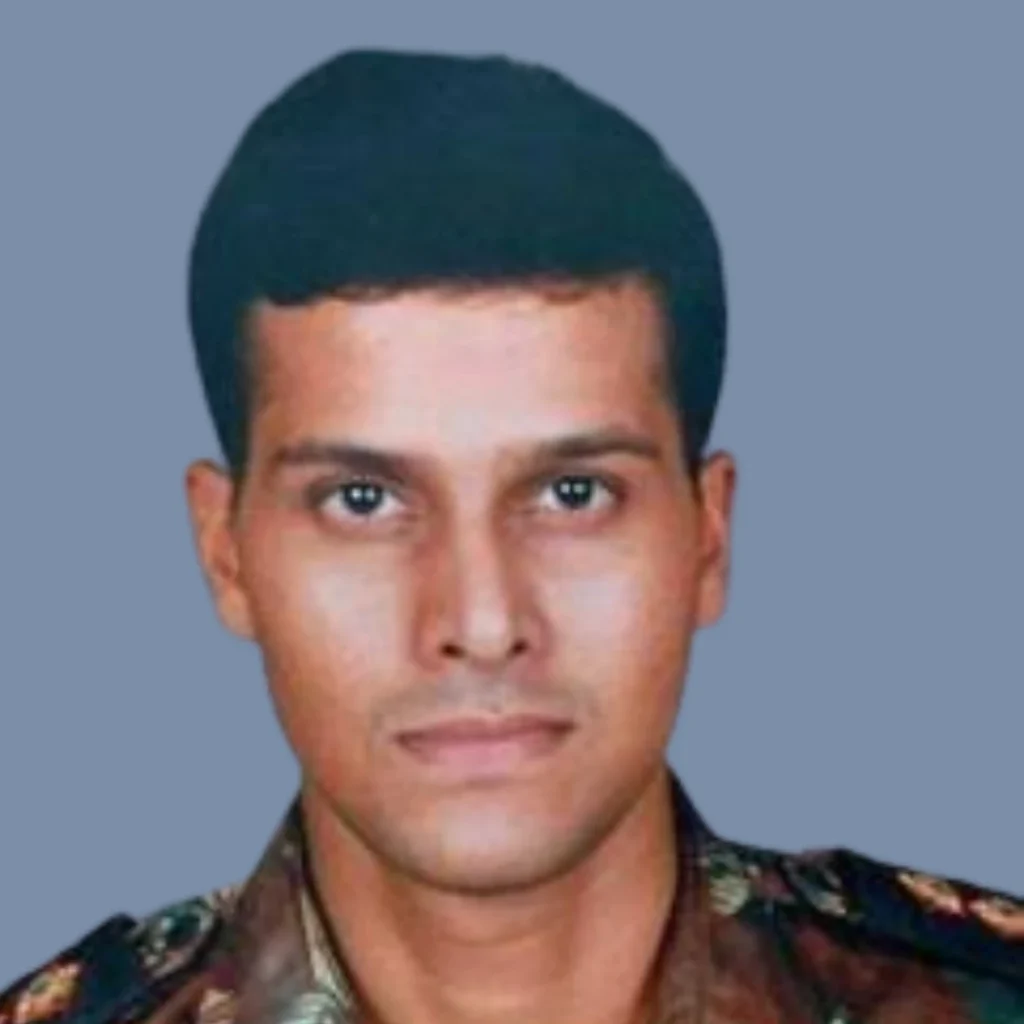
Major Sandeep Unnikrishnan was a distinguished officer of the Indian Army who served in the 7th Battalion of the Bihar Regiment before joining the National Security Guard (NSG) on deputation. Born on 15 March 1977 in Kozhikode, Kerala, and raised in Bengaluru, Karnataka, he dreamed of serving the nation from a young age. His discipline, leadership, and determination helped him build an outstanding military career.
He became a national hero during the 26/11 Mumbai terrorist attacks when he led an NSG commando team into the Taj Mahal Palace Hotel to rescue trapped civilians. Despite intense gunfire and repeated attacks by terrorists, he successfully evacuated hostages, protected his fellow commandos, and continued fighting until his final breath.
Today, Major Sandeep Unnikrishnan is remembered as a symbol of patriotism, courage, leadership, and supreme sacrifice whose legacy continues to inspire millions across India.
Major Sandeep Unnikrishnan Biography
| Attribute | Details |
|---|---|
| Full Name | Major Sandeep Unnikrishnan |
| Popular Name | Major Sandeep |
| Rank | Major |
| Service Number | IC-58660 |
| Profession | Indian Army Officer |
| Date of Birth | 15 March 1977 |
| Age at Martyrdom | 31 Years |
| Birthplace | Kozhikode (Calicut), Kerala, India |
| Hometown | Bengaluru, Karnataka |
| Nationality | Indian |
| Religion | Hindu |
| Parents | K. Unnikrishnan and Dhanalakshmi Unnikrishnan |
| Father Profession | Former ISRO Officer |
| Mother | Homemaker |
| School | The Frank Anthony Public School, Bengaluru |
| NDA Course | 94th Course |
| IMA Course | 104th Regular Course |
| Regiment | 7 Bihar Regiment |
| NSG Unit | 51 Special Action Group (51 SAG) |
| Commissioned | 12 June 1999 |
| Major Operations | Operation Vijay, Operation Rakshak, Operation Parakram, Operation Black Tornado |
| Date of Martyrdom | 28 November 2008 |
| Place of Martyrdom | Taj Mahal Palace Hotel, Mumbai |
| Highest Award | Ashoka Chakra (Posthumous) |
Major Sandeep Unnikrishnan Full Name and Nickname
The full name of this legendary Army officer was Major Sandeep Unnikrishnan. Throughout his military career, fellow officers and commandos usually addressed him as Sandeep or Major Sandeep. Although he was not officially known by a public nickname, he earned immense respect because of his fearless nature, calm personality, and outstanding leadership skills.
His colleagues admired him as a dependable officer who never hesitated to take responsibility during difficult situations. His confidence, professionalism, and dedication made him one of the most respected officers among his peers.
Major Sandeep Unnikrishnan Date of Birth and Age
Major Sandeep Unnikrishnan was born on 15 March 1977 in Kozhikode, Kerala. Shortly after his birth, his family moved to Bengaluru, Karnataka, where he spent most of his childhood and completed his education.
He was only 31 years old when he made the ultimate sacrifice while fighting terrorists during the Mumbai attacks on 28 November 2008. Although his life was brief, his bravery and dedication ensured that his name would forever be remembered in the history of the Indian Armed Forces.
Major Sandeep Unnikrishnan Birth Place
Major Sandeep Unnikrishnan was born in Kozhikode (formerly Calicut), Kerala, into a Malayali family. His family later settled in Bengaluru, Karnataka, where he grew up and developed the values that shaped his future career.
Living in Bengaluru provided him with excellent educational opportunities and exposure to sports, leadership activities, and disciplined school life. These experiences played an important role in building his confidence and strengthening his dream of joining the Indian Army.
Major Sandeep Unnikrishnan Height, Weight and Physical Appearance
| Physical Feature | Details |
|---|---|
| Height | Approximately 5 feet 10 inches (178 cm) |
| Weight | Around 72 kg |
| Eye Colour | Black |
| Hair Colour | Black |
| Body Type | Athletic and Muscular |
| Fitness Level | Excellent Military Standard |
Major Sandeep Unnikrishnan Early Life
Major Sandeep Unnikrishnan spent most of his childhood in Bengaluru after his family relocated from Kerala. From an early age, he displayed qualities of discipline, determination, and confidence. Teachers and friends remember him as a cheerful student who actively participated in academics, sports, and extracurricular activities.
Unlike many children who frequently changed their career ambitions, Sandeep had a clear goal from a young age to become an Army officer. He often spoke proudly about serving the nation and admired the courage and discipline of soldiers. His interest in athletics and basketball helped him develop teamwork, physical endurance, and leadership qualities that later proved invaluable during his military career.
His childhood reflected the same values that defined his future hard work, responsibility, courage, and an unwavering commitment to his dreams.
Family Background of Major Sandeep Unnikrishnan
Major Sandeep Unnikrishnan belonged to a well-educated and supportive family that encouraged him to pursue his ambition of joining the Indian Army despite knowing the challenges of military life.
His father, K. Unnikrishnan, worked as an officer with the Indian Space Research Organisation (ISRO) before retirement, while his mother, Dhanalakshmi Unnikrishnan, dedicated herself to managing the family. Sandeep was the only child of his parents, making his sacrifice even more emotional and unforgettable for his family.
| Family Member | Details |
|---|---|
| Father | K. Unnikrishnan (Retired ISRO Officer) |
| Mother | Dhanalakshmi Unnikrishnan |
| Siblings | None (Only Child) |
| Hometown | Bengaluru, Karnataka |
| Native Place | Kozhikode, Kerala |
His parents have continued to honour his memory by participating in events that celebrate his life and inspire future generations to serve the nation with courage and integrity.
Education & Qualification of Major Sandeep Unnikrishnan
Major Sandeep Unnikrishnan completed his schooling at The Frank Anthony Public School, Bengaluru, where he built a strong academic foundation while actively participating in sports and leadership activities.
He completed his higher secondary education in 1995 with a Science background. Along with academics, he excelled in athletics, basketball, and various extracurricular competitions. His teachers appreciated his disciplined nature, positive attitude, and leadership abilities.
These formative years prepared him mentally and physically for the demanding challenges of military training and strengthened his determination to join the National Defence Academy.
Major Sandeep Unnikrishnan’s National Defence Academy (NDA) Journey
In 1995, after completing his schooling, Sandeep fulfilled his long-cherished dream by securing admission to the prestigious National Defence Academy (NDA), Pune. He joined the 94th NDA Course and became a member of the Oscar Squadron of No. 4 Battalion.
Life at the NDA is known for its demanding physical training, strict discipline, academic excellence, and leadership development. Sandeep adapted quickly to this challenging environment through his determination and hard work. Fellow cadets admired his willingness to accept difficult tasks and his ability to motivate others during training.
During his years at the NDA, he developed exceptional physical endurance, tactical thinking, leadership qualities, and mental resilience. These qualities later became the foundation of his successful military career and prepared him for greater responsibilities in the Indian Army.
Major Sandeep Unnikrishnan at the Indian Military Academy (IMA)
After graduating from the National Defence Academy, Sandeep joined the Indian Military Academy (IMA), Dehradun, as part of the 104th Regular Course. Here, Gentleman Cadets undergo advanced military training that focuses on battlefield leadership, tactical planning, weapon handling, physical conditioning, and operational preparedness.
Sandeep performed exceptionally well throughout his training. His discipline, confidence, and ability to lead under pressure earned him the respect of instructors and fellow cadets alike. He consistently demonstrated the qualities expected from an Army officer integrity, courage, responsibility, and dedication to duty.
On 12 June 1999, after successfully completing his training, Sandeep Unnikrishnan was commissioned as a Lieutenant in the 7th Battalion of the Bihar Regiment. This marked the beginning of an extraordinary military career that would eventually make him one of India’s greatest national heroes.
Major Sandeep Unnikrishnan’s Indian Army Career
After being commissioned into the 7th Battalion of the Bihar Regiment on 12 June 1999, Lieutenant Sandeep Unnikrishnan began his military career at a time when India was facing significant security challenges. His first assignment came during one of the most critical periods in the nation’s military history, where young officers were expected to lead from the front under extremely difficult conditions.
From the very beginning of his service, Sandeep earned a reputation as a courageous and disciplined officer. He believed that leadership was demonstrated through actions rather than words. Instead of giving orders from behind, he always chose to stand alongside his soldiers during demanding operations. His dedication, tactical understanding, and calm decision-making quickly gained the trust of both his seniors and fellow soldiers.
Over the next several years, he participated in multiple counter-insurgency and military operations across different regions of India. His ability to remain composed under pressure and make quick battlefield decisions made him one of the most dependable officers in his unit. These qualities eventually led to his selection for the elite National Security Guard (NSG), one of the country’s most specialized counter-terrorism forces.
Bihar Regiment Service
Major Sandeep Unnikrishnan began his journey in the Indian Army with the 7 Bihar Regiment, one of the oldest and most decorated infantry regiments of the Indian Army. Serving in this regiment gave him valuable experience in combat leadership, operational planning, and high-altitude warfare.
As a young officer, he worked closely with his troops and believed in sharing every challenge with them. Whether it involved long patrols, difficult weather conditions, or dangerous missions, he always placed the safety and morale of his soldiers above his own comfort.
His professionalism, discipline, and commitment earned him immense respect within the regiment. Senior officers recognized his leadership potential early in his career, while the soldiers under his command admired him for his courage, humility, and willingness to lead from the front.
The years spent in the Bihar Regiment laid the foundation for his remarkable military career and prepared him for even greater responsibilities in India’s elite special forces.
Kargil War and Other Military Operations
Major Sandeep Unnikrishnan was commissioned into the Army during the final phase of the Kargil War in 1999. Soon after completing his training, he was deployed to operational areas where the Indian Army was actively securing strategic positions following the conflict. Although he was commissioned toward the closing stages of the war, his early military service exposed him to challenging operational conditions and strengthened his understanding of real battlefield situations.
Following the Kargil conflict, he actively participated in Operation Rakshak, a long-running counter-insurgency mission in Jammu and Kashmir aimed at eliminating terrorist activities and maintaining peace in the region. These operations demanded exceptional courage, patience, and tactical planning, as soldiers frequently encountered hidden threats and difficult terrain.
He also served during Operation Parakram, one of India’s largest military mobilizations after the 2001 Parliament attack. During this period, he and his unit remained fully prepared for any possible military engagement while carrying out important operational responsibilities along sensitive areas.
These experiences sharpened his combat skills and strengthened his ability to make critical decisions under pressure. They also prepared him for the specialized counter-terrorism role he would later perform with the National Security Guard.
Major Sandeep Unnikrishnan’s National Security Guard (NSG) Journey
After proving himself as an exceptional Army officer, Major Sandeep Unnikrishnan was selected for deputation to the National Security Guard (NSG), India’s premier counter-terrorism force. This selection itself reflected his outstanding professional record, physical fitness, leadership qualities, and operational excellence.
He became a part of the 51 Special Action Group (51 SAG), the NSG unit specially trained for hostage rescue, urban warfare, anti-terror operations, and close-quarter combat. The training provided to NSG commandos is among the toughest in the world, requiring extraordinary physical endurance, mental strength, precision shooting, and tactical expertise.
Major Sandeep successfully completed this rigorous training and soon established himself as a dependable commando leader. His calm nature, quick thinking, and ability to make effective decisions under extreme pressure earned him the confidence of both his commanders and fellow commandos.
His service with the NSG represented the highest level of professionalism in his military career and prepared him for the operation that would ultimately define his legacy.
The 26/11 Mumbai Terror Attack
On the night of 26 November 2008, Mumbai witnessed one of the deadliest terrorist attacks in India’s history. Ten heavily armed terrorists entered the city and launched coordinated attacks at multiple locations, including the Taj Mahal Palace Hotel, Oberoi Trident Hotel, Chhatrapati Shivaji Terminus, Leopold Café, Nariman House, and Cama Hospital.
The attackers used automatic rifles, grenades, and explosives to create widespread panic, resulting in the deaths of civilians, police officers, hotel staff, and security personnel. Hundreds of innocent people were trapped inside the hotels while terrorists continued firing indiscriminately.
As the scale of the attack became clear, the National Security Guard was deployed from New Delhi to Mumbai. Major Sandeep Unnikrishnan was among the commandos selected to lead the operation at the Taj Mahal Palace Hotel, where numerous guests and employees remained trapped inside the burning building.
Without hesitation, he accepted the responsibility of leading his team into one of the most dangerous counter-terrorism missions ever undertaken on Indian soil.
Operation Black Tornado: Nov 2008
The National Security Guard launched Operation Black Tornado to eliminate the terrorists and rescue civilians trapped at multiple attack locations across Mumbai. This highly complex mission required commandos to fight inside large buildings filled with smoke, fire, damaged structures, and terrified hostages.
Major Sandeep Unnikrishnan was assigned the responsibility of leading the assault team entering the Taj Mahal Palace Hotel. His team carefully cleared rooms, corridors, staircases, and hallways while searching for terrorists hiding inside the hotel.
The operation was extremely challenging because the attackers constantly changed positions, used grenades, and exploited the hotel’s complex layout to launch surprise attacks. Despite these dangers, Major Sandeep continued advancing with his team, ensuring that civilians were safely evacuated whenever possible.
His leadership played a crucial role in preventing further casualties and maintaining the momentum of the rescue operation under exceptionally dangerous circumstances.
His Famous Last Words: “Don’t come up, I will handle them.”
One of the defining moments of Major Sandeep Unnikrishnan’s life came during the final phase of the operation inside the Taj Mahal Palace Hotel.
While pursuing the terrorists through the hotel, one of his fellow commandos was seriously injured. Major Sandeep immediately moved forward to rescue him, placing his own safety at risk. During this intense exchange of gunfire, he realized that additional commandos climbing toward his position could become easy targets.
Understanding the danger, he instructed his teammates not to advance further and reportedly said:
“Don’t come up, I will handle them.”
These words reflected his extraordinary courage and complete sense of responsibility. Instead of exposing more members of his team to danger, he chose to confront the terrorists himself. His statement has since become one of the most inspiring examples of military leadership and selfless sacrifice in Indian history.
How Major Sandeep Unnikrishnan Saved Hostages
Throughout the operation, Major Sandeep Unnikrishnan remained focused on the primary objective of rescuing innocent civilians trapped inside the Taj Mahal Palace Hotel.
Leading from the front, he guided his team through dangerous corridors and smoke-filled rooms while ensuring that frightened guests and hotel staff were safely evacuated whenever opportunities arose. His tactical planning, courage, and quick decision-making enabled many civilians to escape from areas controlled by the terrorists.
During the mission, he also risked his own life to rescue an injured commando who had been caught in heavy gunfire. Instead of retreating, he advanced toward the danger to protect his teammate, demonstrating the highest traditions of military service and leadership.
His actions directly contributed to saving numerous lives during one of the most difficult counter-terrorism operations ever conducted in India.
How Major Sandeep Unnikrishnan Was Martyred
While continuing the search for the remaining terrorists inside the Taj Mahal Palace Hotel, Major Sandeep Unnikrishnan encountered heavily armed attackers in a narrow section of the building. The terrorists launched intense gunfire and grenade attacks in an attempt to prevent the NSG commandos from advancing.
Even after sustaining serious injuries, Major Sandeep refused to withdraw. He continued engaging the terrorists while protecting his team and ensuring that the operation could continue without interruption. His determination allowed other commandos to regroup and carry forward the mission.
On 28 November 2008, during the fierce encounter, Major Sandeep Unnikrishnan made the supreme sacrifice in the line of duty.
His courage, leadership, and selfless actions became a defining chapter in the history of the Indian Armed Forces. The operation ultimately ended with the elimination of the terrorists inside the Taj Mahal Palace Hotel, and Major Sandeep’s sacrifice played a vital role in ensuring the success of the mission.
Even today, his bravery continues to inspire soldiers, officers, and millions of Indians who remember him as a true national hero who placed the safety of others above his own life.
Ashoka Chakra Award
Major Sandeep Unnikrishnan was posthumously awarded the Ashoka Chakra, India’s highest peacetime gallantry award, for his exceptional courage during the 26/11 Mumbai terrorist attacks. He received the honour in recognition of his fearless leadership, unwavering determination, and supreme sacrifice while leading the National Security Guard’s rescue mission inside the Taj Mahal Palace Hotel.
Despite facing continuous gunfire and grenade attacks, Major Sandeep refused to retreat. He led his team deep inside the hotel, rescued civilians, evacuated an injured commando, and continued pursuing the terrorists even after sustaining serious injuries. His actions reflected the finest traditions of the Indian Armed Forces and inspired the entire nation.
The Ashoka Chakra was presented to his family by the President of India during the Defence Investiture Ceremony on 26 January 2009. The award remains a lasting symbol of his extraordinary bravery and selfless service to the nation.
Honours and Recognition
Major Sandeep Unnikrishnan’s sacrifice continues to be remembered through numerous memorials, tributes, educational initiatives, and public honours across India. His life has become a powerful example of patriotism, leadership, and courage for future generations.
Some of the major recognitions include:
- Awarded the Ashoka Chakra (Posthumously).
- Honoured by the Indian Army and the National Security Guard for his exceptional bravery.
- Roads, schools, institutions, and public places in different parts of India have been named after him.
- His story is taught during military leadership programmes and motivational sessions.
- Every year, people across the country pay tribute to him on 26 November and 28 November, remembering his sacrifice during the Mumbai terror attacks.
- His life continues to inspire thousands of young Indians to pursue careers in the Armed Forces.
Major Sandeep Unnikrishnan Movie (2022)
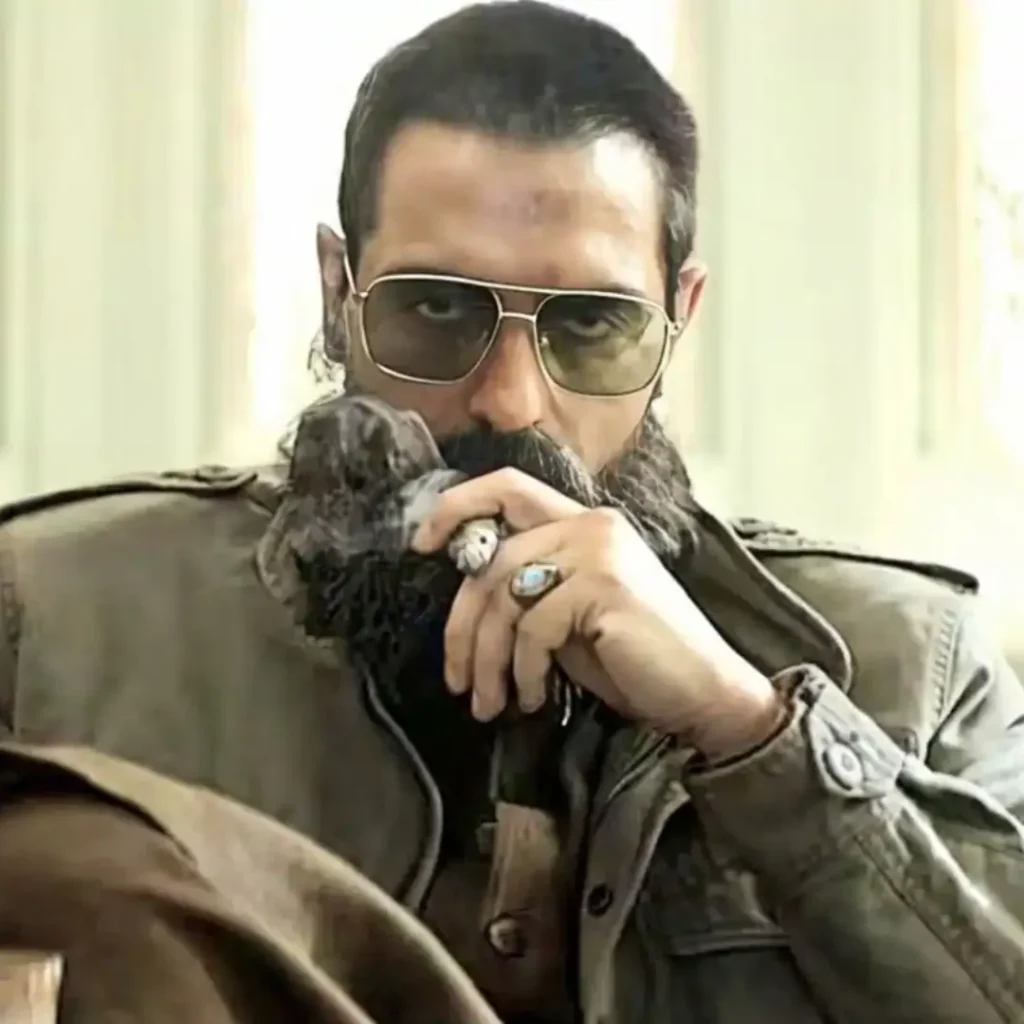
The inspiring life of Major Sandeep Unnikrishnan was brought to the big screen through the 2022 biographical film Major. Directed by Sashi Kiran Tikka, the film stars Adivi Sesh in the title role and portrays the life, values, military career, and sacrifice of the brave officer.
Instead of focusing only on the 26/11 attacks, the movie explores his childhood, education, NDA journey, Army career, personal relationships, and final mission during Operation Black Tornado. The film received widespread appreciation for presenting his story with respect and emotional depth.
Movie Details
| Category | Details |
|---|---|
| Movie Name | Major |
| Release Year | 2022 |
| Based On | Life of Major Sandeep Unnikrishnan |
| Lead Actor | Adivi Sesh |
| Director | Sashi Kiran Tikka |
| Producers | Sony Pictures International Productions, Mahesh Babu Entertainment, A+S Movies |
| Languages | Telugu, Hindi, Malayalam |
Major Sandeep Unnikrishnan Wife, Children and Personal Life
Major Sandeep Unnikrishnan’s personal life has been discussed differently across various public sources. Contemporary reports published soon after the 26/11 Mumbai attacks, including national media coverage, identified Neha Unnikrishnan as his wife and stated that the couple had no children.
According to these reports, Major Sandeep and Neha had known each other since their school days at The Frank Anthony Public School, Bengaluru. They shared a long friendship that later developed into a lifelong relationship. Reports indicate that they married in 2008, only a few months before Major Sandeep was martyred during Operation Black Tornado.
Following his supreme sacrifice, Neha chose to remain away from the public spotlight. She has maintained a private life while continuing to honour the memory and legacy of her husband. The couple did not have any children.
Personal Life
| Detail | Information |
|---|---|
| Marital Status | Married |
| Wife | Neha Unnikrishnan |
| Marriage Year | 2008 (as reported by contemporary media) |
| Children | None |
| Profession (Wife) | Reportedly an Architect |
| Hometown | Bengaluru, Karnataka |
| Interests | Reading, Fitness, Adventure Activities |
Unknown Facts About Major Sandeep Unnikrishnan
Although millions know him for his heroism during the Mumbai attacks, several interesting facts about his life remain lesser known.
- Major Sandeep Unnikrishnan dreamed of becoming an Army officer from his school days.
- Major Sandeep studied at The Frank Anthony Public School in Bengaluru.
- Unnikrishnan was an excellent basketball player and actively participated in athletics.
- Major Sandeep Unnikrishnan joined the National Defence Academy immediately after completing school.
- Major belonged to the prestigious Oscar Squadron during his NDA training.
- Major Sandeep Unnikrishnan successfully completed some of the toughest commando training programmes in the Indian Army.
- He believed that a military officer should always lead from the front.
- During Operation Black Tornado, he personally rescued an injured commando before continuing the mission.
- His famous words, “Don’t come up, I will handle them,” are remembered as one of the greatest examples of battlefield leadership.
- His life continues to be studied as an example of courage, discipline, and selfless service.
Inspirational Quotes
Major Sandeep Unnikrishnan’s courage continues to inspire generations. His most remembered words have become a symbol of fearless leadership.
“Don’t come up, I will handle them.”
Other quotes often associated with his legacy include:
“Duty always comes before self.”
“A true soldier leads from the front.”
“The greatest honour is to protect innocent lives.”
His actions proved that real heroes are remembered not for what they say, but for what they do.
Legacy
Major Sandeep Unnikrishnan’s legacy extends far beyond his military achievements. He is remembered as one of the finest officers of the Indian Army and the National Security Guard, whose courage changed the course of one of India’s darkest moments.
His sacrifice continues to inspire cadets at military academies, serving officers, students, and millions of Indians. Educational institutions, memorials, documentaries, books, and the film Major have helped preserve his story for future generations.
Every year, on the anniversary of the 26/11 Mumbai attacks, people across the country pay tribute to his unmatched bravery and selfless service. His life remains a timeless reminder that true patriotism is demonstrated through action, sacrifice, and unwavering commitment to the nation.
FAQs
Who was Major Sandeep Unnikrishnan?
Major Sandeep Unnikrishnan was an Indian Army officer and NSG commando who was martyred while leading the rescue mission during the 26/11 Mumbai terrorist attacks.
When was Major Sandeep Unnikrishnan born?
He was born on 15 March 1977 in Kozhikode, Kerala.
Which regiment did Major Sandeep Unnikrishnan belong to?
He was commissioned into the 7th Battalion of the Bihar Regiment before joining the National Security Guard.
Which NSG unit did he serve in?
He served with the 51 Special Action Group (51 SAG) of the National Security Guard.
What were Major Sandeep Unnikrishnan’s famous last words?
His famous last words were:
“Don’t come up, I will handle them.”
How did Major Sandeep Unnikrishnan die?
He was martyred on 28 November 2008 while fighting terrorists inside the Taj Mahal Palace Hotel during Operation Black Tornado.
Which award did Major Sandeep Unnikrishnan receive?
He was posthumously awarded the Ashoka Chakra, India’s highest peacetime gallantry award.
Who was Major Sandeep Unnikrishnan’s wife?
Several contemporary news reports identify Neha Unnikrishnan as his wife. The couple reportedly married in 2008 and had no children, although official government biographies do not discuss his marital life.
Did Major Sandeep Unnikrishnan have children?
No. Publicly available reports state that he and Neha Unnikrishnan did not have any children.
Which movie is based on Major Sandeep Unnikrishnan’s life?
The 2022 biographical film Major, starring Adivi Sesh, is based on his inspiring life and supreme sacrifice.
Also, Read About: Major Mohit Sharma Wife || Major Iqbal