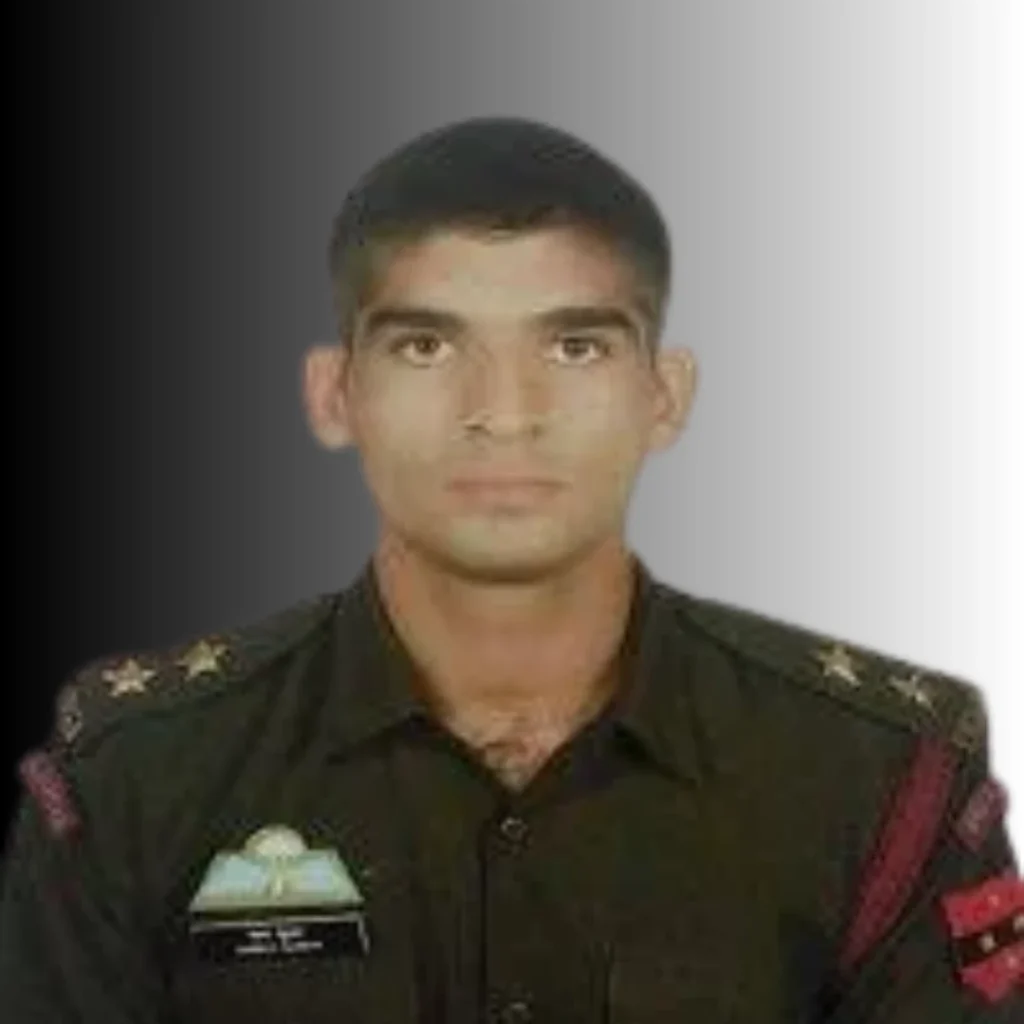
Captain Pawan Kumar’s life is remembered as a story of courage, patriotism, discipline, and supreme sacrifice. Born on January 15, 1993, in Badhana village in Haryana’s Jind district, he pursued his dream of becoming an Army officer and eventually served in the elite 10 Para Special Forces of the Indian Army. His journey from a small village to one of the Army’s most demanding units reflects his determination and commitment to serving the country.
Captain Pawan Kumar became widely known after his role in the counter-terrorism operation at Pampore, Jammu and Kashmir, in February 2016. During the operation, he led his team from the front and continued fighting despite suffering serious injuries. He died from his injuries on February 21, 2016, at the age of just 23. In recognition of his exceptional courage, he was awarded the Shaurya Chakra posthumously. His story continues to inspire people who value bravery, duty, and service to the nation.
Who Is Captain Pawan Kumar?
Captain Pawan Kumar was an Indian Army officer who served with 10 Para (Special Forces) after initially being commissioned into 7 Dogra of the Dogra Regiment. He was known for his determination, professional commitment, and courage during counter-terrorism operations in Jammu and Kashmir. His military career was brief, but his service placed him in some of the most challenging operational circumstances faced by Army personnel.
He is particularly remembered for his actions during the Pampore operation in February 2016. Armed militants had taken refuge inside a building at the Entrepreneurship Development Institute, and security forces were conducting an operation to neutralise the threat. Captain Pawan Kumar was seriously injured while confronting the militants but continued to fight. His actions helped protect fellow soldiers, and his sacrifice was later recognised with the Shaurya Chakra.
Captain Pawan Kumar Biography Overview
| Details | Information |
|---|---|
| Full Name | Captain Pawan Kumar |
| Profession | Indian Army Officer |
| Rank | Captain |
| Date of Birth | January 15, 1993 |
| Birthplace | Badhana village, Jind district, Haryana, India |
| Nationality | Indian |
| Community | Reported as belonging to the Jat community |
| Religion | No reliably confirmed public information |
| Father | Rajbir Singh |
| Mother | Kamlesh |
| Education | School education, National Defence Academy, and degree associated with the NDA–JNU academic arrangement |
| NDA Course | 123rd Course |
| Commission Date | December 14, 2013 |
| Initial Battalion | 7 Dogra |
| Regiment | Dogra Regiment |
| Special Forces Unit | 10 Para (Special Forces) |
| Joined 10 Para (SF) | June 2015 |
| Known For | Courage during the Pampore counter-terrorism operation |
| Date of Martyrdom | February 21, 2016 |
| Age at Death | 23 years |
| Gallantry Award | Shaurya Chakra, posthumously |
| Marital Status | No reliable public confirmation |
| Wife and Children | No verified public information |
| Hometown | Badhana, Jind district, Haryana |
Captain Pawan Kumar Age, Birthday and Birthplace
Captain Pawan Kumar was born on January 15, 1993, in Badhana village, located in the Jind district of Haryana. His birthday falls on Indian Army Day, which is observed every year on January 15. This coincidence became a memorable detail in accounts of his life because he dedicated himself to the Indian Army and ultimately sacrificed his life while serving the country.
He was 23 years old at the time of his death on February 21, 2016. Although his life was short, his military career included demanding counter-terrorism duties and service in an elite Special Forces unit. His age at the time of his martyrdom highlights how much responsibility he had undertaken at such a young stage of life.
Captain Pawan Kumar Height and Physical Appearance
Captain Pawan Kumar was a trained Army officer who underwent the physical preparation required for military service and Special Forces duties. His profession demanded stamina, endurance, strength, discipline, and the ability to remain focused in difficult circumstances. Special Forces personnel must also maintain a high level of physical fitness to meet the demands of specialised training and operational assignments.
However, his exact height and weight are not consistently documented in reliable public biographical records. It would therefore be inaccurate to provide specific measurements without verified information. His military achievements are better understood through his professional training, operational responsibilities, and courage during the Pampore operation.
Captain Pawan Kumar Early Life
Captain Pawan Kumar grew up in Badhana village in Haryana’s Jind district. He came from a family that valued education, discipline, and responsibility. From his younger years, he developed an ambition to become an Army officer and worked towards joining the National Defence Academy, one of India’s major institutions for preparing future military leaders.
His journey required academic preparation, physical fitness, and determination. Becoming an Army officer was not simply a professional choice for him; it was a goal that shaped his education and early decisions. His selection for the NDA represented a major achievement for both him and his family.
His early life also reflected the importance of perseverance. The journey from school education to officer training involved competitive selection and demanding preparation. He continued through these stages and later volunteered for the Para Special Forces, choosing a particularly challenging path within the Indian Army.
Captain Pawan Kumar Family Background
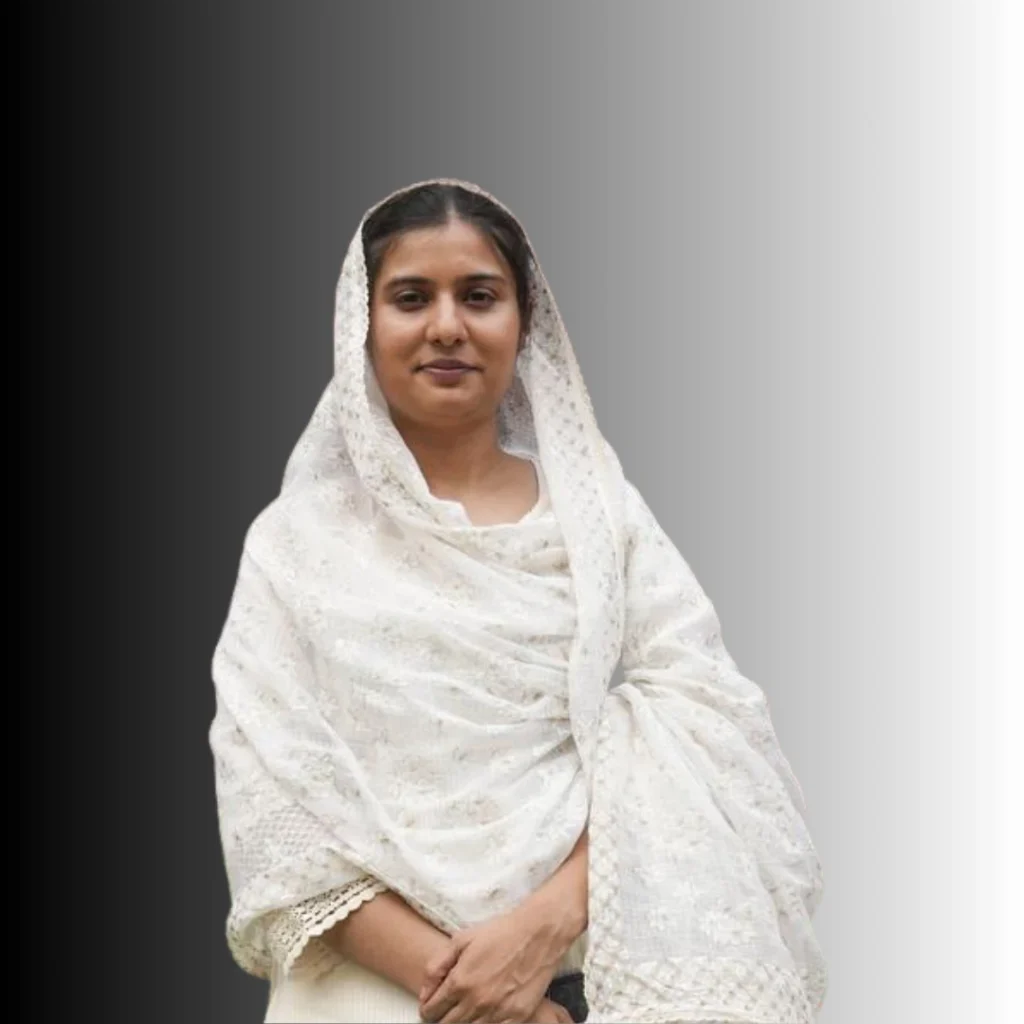
Captain Pawan Kumar belonged to a family based in Haryana. His parents, Rajbir Singh and Kamlesh, supported his ambitions and remained central figures in his life. Contemporary reports described him as their only child, making his death especially painful for his family.
His parents were reported to have backgrounds associated with education. His father was described in news reports as a teacher or headmaster, while his mother was also associated with the teaching profession. Their emphasis on education and discipline formed part of the environment in which Pawan grew up.
After his death, the family received widespread public attention. Their grief was accompanied by pride in his service and sacrifice. Captain Pawan Kumar’s story is therefore not only about an officer’s courage but also about the personal loss experienced by the families of soldiers who die while serving the nation.
Captain Pawan Kumar Parents and Family Details
Captain Pawan Kumar’s parents were Rajbir Singh and Kamlesh. He was reported to be their only child. His family lived in Haryana, and Badhana village remained closely connected with his identity and legacy.
| Family Detail | Information |
|---|---|
| Father | Rajbir Singh |
| Mother | Kamlesh |
| Siblings | Reported to be an only child |
| Native Village | Badhana |
| District | Jind |
| State | Haryana |
| Family Background | Associated with education, according to contemporary reports |
His parents’ response to his death reflected the difficult reality faced by families of military personnel. While the country remembered Captain Pawan Kumar for his courage, his parents had to cope with the loss of their only child. Their experience is a reminder that a soldier’s sacrifice affects an entire family.
Captain Pawan Kumar Caste and Religion
Captain Pawan Kumar was described in contemporary news coverage as belonging to the Jat community. The Jat community has a significant presence in Haryana and several other parts of northern India. His community background attracted media attention partly because Haryana was experiencing public debate over reservation demands around the time of his death.
However, his identity should not be reduced to his caste or community. His military service was defined by discipline, professional responsibility, courage, and commitment to his fellow soldiers. His actions during the Pampore operation remain the central reason he is remembered.
His religion is not consistently established in reliable public biographical records. Therefore, it is more appropriate not to assign a religious identity without clear confirmation. His achievements and sacrifice are the most significant documented aspects of his public life.
Captain Pawan Kumar Childhood and Dreams
Captain Pawan Kumar aspired to join the Indian Army from a young age. This ambition required sustained preparation, academic effort, physical fitness, and success in a competitive selection process. His eventual entry into the National Defence Academy marked an important milestone in the pursuit of his goal.
Published accounts of his life have also mentioned his interest in sports and physical activities. Such interests can support the development of stamina, confidence, and teamwork, although military training requires much more than physical ability alone. His later selection for the Para Special Forces demonstrated his willingness to take on additional challenges.
His story illustrates how a childhood ambition can become a demanding professional responsibility. After entering the NDA, he continued his training, received his Army commission, served with an infantry battalion, and later joined the elite 10 Para Special Forces.
Captain Pawan Kumar Education & Qualifications
Captain Pawan Kumar completed his school education in Haryana before joining the National Defence Academy. Published biographical accounts identify Government High School in Jind as his school for matriculation and BRCM School in Bahal as the institution where he completed his senior secondary education.
His educational background helped prepare him for the competitive process required to enter the NDA. Candidates seeking admission must meet academic requirements and successfully complete the relevant selection stages. After admission, cadets combine academic study with military training, physical development, and leadership preparation.
Pawan’s progression from school education to the NDA marked the beginning of his professional journey in the armed forces. His academic preparation was an important part of his development as a future Army officer.
Captain Pawan Kumar NDA Journey
The National Defence Academy played a decisive role in Captain Pawan Kumar’s life. He joined the 123rd NDA course, beginning the training pathway that prepared him for a leadership position in the Indian armed forces. The NDA combines academic education with physical training, discipline, teamwork, and military instruction.
Cadets are expected to develop the ability to work under pressure, understand military responsibilities, and lead others in demanding situations. These qualities are essential because Army officers are responsible not only for their own performance but also for the safety, discipline, and effectiveness of the soldiers under their command.
After completing the necessary training and professional preparation, Pawan was commissioned into the Indian Army on December 14, 2013. His commission marked his formal entry into the officer corps and the beginning of his career as an Army officer.
Captain Pawan Kumar JNU Degree and Academic Background
Captain Pawan Kumar was reported to have obtained a degree through the academic arrangement associated with the National Defence Academy and Jawaharlal Nehru University. This arrangement connected his military education with a university-level academic qualification.
His academic background attracted public attention after his death, partly because it showed that his journey involved both formal education and demanding military preparation. Army officers need analytical ability, communication skills, sound judgement, and the capacity to make decisions under pressure. Academic study forms one part of this broader professional development.
Public reports do not consistently establish the precise title or subject of his degree. It is therefore more accurate to refer to his degree as associated with the NDA–JNU academic arrangement rather than provide an unverified subject specialisation.
Captain Pawan Kumar Military Training
Captain Pawan Kumar’s military training began through the NDA pathway and continued with the professional preparation required for commissioning into the Indian Army. The training process develops discipline, physical fitness, fieldcraft, teamwork, and leadership. After commissioning, officers continue to build their skills through unit training and operational experience.
He initially served with 7 Dogra of the Dogra Regiment. He later volunteered for the Para Special Forces, a demanding career path that requires candidates to demonstrate exceptional fitness, mental resilience, and professional competence. Selection and probation are designed to test whether personnel can meet the high standards expected of the force.
After completing the necessary training and probation, he joined 10 Para (Special Forces) in June 2015. This marked an important transition in his career, placing him in a specialised unit involved in challenging operational assignments.
Captain Pawan Kumar Indian Army Career
Captain Pawan Kumar was commissioned into the Indian Army on December 14, 2013. His initial service with 7 Dogra introduced him to the responsibilities of an infantry officer, including leading soldiers, maintaining operational readiness, and carrying out duties within the Army’s command structure.
His career advanced when he volunteered for the Para Special Forces. Instead of remaining on a conventional career path, he sought the additional challenges associated with specialised military service. He joined 10 Para (SF) in June 2015 and subsequently served in counter-terrorism operations in Jammu and Kashmir.
His service was short but operationally demanding. Accounts of his final months describe his participation in several operations against militants. Reports also noted that he had sustained an injury during an earlier encounter before returning to operational duties. His willingness to continue serving and his conduct during the Pampore operation became defining elements of his military record.
Captain Pawan Kumar Regiment and Army Service
Captain Pawan Kumar was initially commissioned into 7 Dogra, part of the Dogra Regiment. His early service provided the foundation for his career as an infantry officer before he moved into a specialised role.
He later joined 10 Para (Special Forces), where he undertook counter-insurgency duties and high-risk missions. His journey demonstrates how an Army officer’s career can develop through volunteering, selection, training, and performance in the field.
| Military Detail | Information |
|---|---|
| Commission Date | December 14, 2013 |
| Initial Battalion | 7 Dogra |
| Regiment | Dogra Regiment |
| Special Forces Unit | 10 Para (Special Forces) |
| Joined 10 Para (SF) | June 2015 |
| Operational Area | Jammu and Kashmir |
| Final Major Operation | Pampore, February 2016 |
| Gallantry Award | Shaurya Chakra, posthumously |
His service in both the Dogra Regiment and the Para Special Forces forms a central part of his biography. He is particularly remembered for the courage and leadership he displayed during his final operation.
Captain Pawan Kumar 10 Para Special Forces Journey
The Para Special Forces are among the Indian Army’s specialised units. Their personnel undergo demanding selection and training and are expected to demonstrate endurance, discipline, adaptability, teamwork, and the ability to function in difficult environments.
Captain Pawan Kumar volunteered for the Para Special Forces and joined 10 Para (SF) in June 2015. The battalion is commonly known as the Desert Scorpions. His entry into this unit marked a significant professional achievement and placed him in a role involving specialised military duties.
The maroon beret and the Balidan badge are widely associated with qualified personnel of the Para Special Forces. They represent the unit’s identity and the demanding standards expected of its members. For Pawan, joining 10 Para (SF) was an important step in fulfilling his ambition to serve in one of the Army’s most challenging formations.
Captain Pawan Kumar Military Operations
Captain Pawan Kumar served in Jammu and Kashmir, where his duties included counter-insurgency operations against armed militants. His final months in the Army were marked by repeated operational deployments. Published accounts describe his participation in several successful operations between October 2015 and February 2016.
Some reports stated that his team took part in four successful operations during this period, resulting in the elimination of six militants. Other contemporary accounts described earlier missions and noted that he had been injured during an operation before returning to duty.
These details show that his military experience extended beyond the Pampore encounter. He had already participated in demanding missions before the operation that cost him his life. His service was marked by operational experience, a willingness to accept difficult responsibilities, and commitment to the soldiers serving alongside him.
Captain Pawan Kumar Leadership and Courage
Military leadership requires more than holding a rank. Officers are expected to make decisions under pressure, understand the risks faced by their soldiers, and accept responsibility for the mission. Captain Pawan Kumar’s conduct during the Pampore operation became an example of these responsibilities.
The operation involved armed militants who had taken refuge inside a multi-storey building. Security forces also had to consider the safety of civilians and the need to contain the situation. Pawan’s role required courage and judgement in an environment where the risks were high and the circumstances could change quickly.
Despite sustaining serious injuries, he continued to engage the militants threatening his fellow soldiers. Accounts of the operation credit his actions with helping protect his comrades and supporting the progress of the wider mission. His courage was subsequently recognised through the posthumous award of the Shaurya Chakra.
Captain Pawan Kumar Pampore Operation
The Pampore operation took place in February 2016 in Jammu and Kashmir. Before the encounter at the Entrepreneurship Development Institute, armed militants had attacked a Central Reserve Police Force convoy on the Srinagar–Jammu road. The attack killed two policemen and a civilian. The militants then took refuge inside the government-run institute building.
Security forces cordoned off the premises and began an operation to neutralise the threat. The encounter involved Army and CRPF personnel and developed into a prolonged, dangerous engagement. The safety of civilians and the need to prevent unnecessary casualties were important considerations during the operation.
Captain Pawan Kumar, who was serving with 10 Para (SF), played a leading role in the action. As he approached a room occupied by militants, a terrorist fired at him from close range, causing severe injuries. Despite being badly wounded, Pawan continued firing and killed the attacker. He also engaged another militant who was threatening his fellow soldiers.
His actions helped protect other members of his team and contributed to the subsequent progress of the operation. The Pampore encounter became the defining episode of his military career and the incident for which he is most widely remembered.
Captain Pawan Kumar Last Operation and Supreme Sacrifice
The Pampore operation became Captain Pawan Kumar’s final mission. Published accounts reported that he had already suffered an injury during an earlier counter-terrorism operation and had been advised to rest. Nevertheless, he returned to operational duties and participated in the mission.
His decision to resume duties reflected his commitment to his responsibilities, although the circumstances also illustrate the difficult conditions faced by soldiers deployed in active operational areas. The encounter demanded careful action because the militants were inside a building and civilian safety was a major concern.
During the engagement, Pawan sustained fatal injuries while confronting the militants. He continued to fight despite his condition, helping protect his fellow soldiers and enabling the security forces to continue their mission. He later succumbed to his injuries.
His sacrifice was recognised by the Indian Army and the nation. The Shaurya Chakra awarded posthumously acknowledged his exceptional courage and determination in the face of grave danger.
Captain Pawan Kumar Martyrdom
Captain Pawan Kumar died on February 21, 2016, following the Pampore counter-terrorism operation in Jammu and Kashmir. He was just 23 years old. News of his death prompted tributes from military personnel, public figures, fellow villagers, and members of the public.
His mortal remains were taken to his native village in Haryana, where he was given military honours. His family and community mourned the loss of a young officer whose career had been cut short while serving in one of the Army’s most demanding units.
His martyrdom also drew attention to the sacrifices made by soldiers and their families. Behind the public tributes was a family dealing with the loss of its only child. Captain Pawan Kumar’s memory continues to be associated with courage, duty, and the responsibility of protecting fellow soldiers.
Captain Pawan Kumar Last Facebook Post
Captain Pawan Kumar’s last Facebook post became widely discussed after his death. The message referred to the contrasting demands and debates taking place in society at the time. It mentioned reservation and freedom before ending with a simple wish for his blanket, or razai.
His post read:
“Kisiko reservation chahiye toh kisiko azadi bhai, humein kuch nahi chahiye bhai, bas apni razai.”
The English translation is:
“Some want reservation and some want freedom, brother. I don’t want anything, brother, except my blanket.”
The message attracted widespread attention because of its straightforward, conversational tone and the contrast between everyday concerns and the serious responsibilities of military service. After his death during the Pampore counter-terrorism operation, the post became an important part of public tributes to him.
The message is frequently shared as his final Facebook post, but it should be understood in its original social context rather than treated as a complete statement of his political beliefs. Captain Pawan Kumar is remembered primarily for his Indian Army service, his courage during the Pampore operation, and the sacrifice that earned him the Shaurya Chakra posthumously.
Captain Pawan Kumar Shaurya Chakra Award
Captain Pawan Kumar was awarded the Shaurya Chakra posthumously on August 15, 2016, in recognition of his exceptional courage during the Pampore operation. The Shaurya Chakra is an Indian peacetime gallantry award presented for acts of bravery, courageous action, or self-sacrifice away from direct enemy combat in a conventional war setting.
The award recognised his determination in confronting armed militants despite sustaining severe injuries. His actions helped protect his fellow soldiers and supported the progress of the operation under dangerous circumstances.
It is important to identify his award correctly: Captain Pawan Kumar received the Shaurya Chakra, not the Ashoka Chakra. His posthumous recognition remains one of the central facts of his biography and a lasting acknowledgement of his service to the nation.
Captain Pawan Kumar Awards and Honours
The most significant formal gallantry honour associated with Captain Pawan Kumar is the Shaurya Chakra. The award acknowledged his courage and conduct during the operation that led to his death.
| Award or Recognition | Details |
|---|---|
| Shaurya Chakra | Awarded posthumously for exceptional courage during the Pampore operation |
| Military Honours | Given a military funeral following his martyrdom |
| Public Tributes | Remembered by military personnel, his hometown, and the wider public |
| Hometown Legacy | Honoured as a son of Badhana village who sacrificed his life in service of the nation |
His recognition extends beyond the formal medal. His story has been shared in articles, memorial profiles, and tributes to Indian Army personnel who died during counter-terrorism operations. These accounts help preserve the memory of his service for future generations.
Captain Pawan Kumar Wife, Children and Relationships
There is no reliable public information confirming that Captain Pawan Kumar was married or had children at the time of his death. He died at the age of 23, and credible biographical accounts primarily discuss his parents, education, military career, and sacrifice. It would therefore be inappropriate to invent details about a wife, girlfriend, or children.
His publicly documented family life centres on his relationship with his parents, Rajbir Singh and Kamlesh. They were reported to be his only immediate family members in the household, and he was described as their only child. His death left them with a profound personal loss.
| Relationship Detail | Publicly Available Information |
|---|---|
| Marital Status | Not reliably confirmed in public sources |
| Wife | No verified information available |
| Children | No verified information available |
| Parents | Rajbir Singh and Kamlesh |
| Siblings | Reported to be an only child |
This section reflects the limits of publicly available information rather than a claim about private matters. A responsible biography avoids speculation about personal relationships that have not been reliably documented.
Captain Pawan Kumar Net Worth and Salary
Captain Pawan Kumar served as an Indian Army officer and held the rank of Captain at the time of his death. However, no reliable public record establishes his personal net worth, total assets, investments, or savings. Any exact figure presented as his net worth would therefore be speculative.
Army officers receive salaries and eligible allowances according to their rank, service conditions, and applicable government pay rules. Compensation can include basic pay and relevant military allowances, depending on the officer’s posting and eligibility. Captain Pawan Kumar’s exact monthly salary at the time of his death has not been reliably established in the available biographical information.
| Financial Detail | Information |
|---|---|
| Profession | Indian Army Officer |
| Rank | Captain |
| Salary | Exact personal salary figure not publicly verified |
| Net Worth | Not publicly documented |
| Income Source | Indian Army service |
| Personal Assets | No verified public estimate available |
It is more accurate to describe his professional status than to attach an unsupported monetary value to his life. His legacy is associated with military service and sacrifice rather than wealth or commercial earnings.
Captain Pawan Kumar Personal Life
Captain Pawan Kumar’s personal life combined an interest in military service with an active lifestyle. Contemporary reports mentioned his interest in motorcycles, jeeps, sports, and adventure. These details offered a glimpse of the young man behind the uniform and showed that he had interests beyond his professional responsibilities.
He was described as ambitious and determined, with a long-standing desire to join the armed forces. His selection for the NDA and later entry into 10 Para (SF) required sustained effort and a willingness to accept demanding challenges. His personal ambition developed into a career that placed him in dangerous operational situations.
His final months were dominated by military duties in Jammu and Kashmir. Reports about his return to duty after an earlier injury highlighted his sense of responsibility, while also illustrating the difficult conditions under which soldiers serve. Today, his personal story is remembered primarily through his dedication to the Army and the sacrifice he made during the Pampore operation.
Captain Pawan Kumar Lesser-Known Facts
- Born on Indian Army Day: Captain Pawan Kumar was born on January 15, the date observed as Indian Army Day in India.
- Hailed from Badhana: His native village was Badhana in Jind district, Haryana.
- Joined the 123rd NDA Course: He entered the National Defence Academy and pursued his ambition of becoming an Army officer.
- Commissioned in December 2013: He joined the Indian Army as an officer on December 14, 2013.
- Initially Served with 7 Dogra: His first regiment was the Dogra Regiment’s 7 Dogra battalion.
- Volunteered for Special Forces: He chose the demanding path of Para Special Forces service.
- Joined 10 Para (SF) in 2015: He became part of the unit commonly known as the Desert Scorpions.
- Served in Counter-Terrorism Operations: His service included several operations in Jammu and Kashmir.
- Returned After an Earlier Injury: Published accounts report that he resumed operational duties after being injured in a previous encounter.
- Received the Shaurya Chakra: The gallantry award was presented posthumously for his courage during the Pampore operation.
- Was 23 at the Time of His Death: His military career ended when he died from injuries sustained during the operation in February 2016.
- His Last Facebook Post Became Widely Known: The message mentioning reservation, freedom, and a blanket was widely shared after his death.
Captain Pawan Kumar Legacy and Inspiration
Captain Pawan Kumar’s legacy rests on his example as a young officer who pursued his ambition, accepted demanding responsibilities, and placed the safety of his fellow soldiers at the centre of his actions. His story demonstrates that military leadership is tested most severely when decisions must be made under extreme pressure.
For young people aspiring to join the armed forces, his journey illustrates the importance of preparation, discipline, resilience, and commitment. His path from school in Haryana to the NDA, the Dogra Regiment, and the Para Special Forces shows how a demanding ambition can become a professional reality through sustained effort.
His family’s loss also reminds the public that military sacrifice is never borne by the individual alone. Parents, relatives, friends, and communities live with the consequences of a soldier’s death. Remembering Captain Pawan Kumar means acknowledging both his courage in the field and the lasting cost of his sacrifice.
His name continues to appear in accounts of gallantry and service because the circumstances of his final operation demonstrated extraordinary determination. The Shaurya Chakra formally recognised his actions, while public remembrance keeps his story alive beyond the award itself.
Captain Pawan Kumar Career Timeline
| Year or Date | Important Event |
|---|---|
| January 15, 1993 | Born in Badhana village, Jind district, Haryana |
| School Years | Studied in Haryana and worked towards joining the armed forces |
| NDA Training Period | Joined the 123rd National Defence Academy course |
| December 14, 2013 | Commissioned into the Indian Army |
| Early Army Service | Served with 7 Dogra of the Dogra Regiment |
| June 2015 | Joined 10 Para (Special Forces) |
| October 2015–February 2016 | Took part in counter-terrorism operations in Jammu and Kashmir |
| February 2016 | Participated in the Pampore operation |
| February 21, 2016 | Died from injuries sustained during the operation |
| August 15, 2016 | Awarded the Shaurya Chakra posthumously |
Conclusion
Captain Pawan Kumar’s biography tells the story of a young man who turned his ambition of joining the Indian Army into a life of military service. Born in Haryana in 1993, he entered the NDA, received his commission in 2013, served with 7 Dogra, and later joined the elite 10 Para Special Forces. His career involved demanding counter-terrorism duties and culminated in the Pampore operation in February 2016.
He died at the age of 23 after sustaining fatal injuries while confronting armed militants. His actions helped protect fellow soldiers, and his bravery was recognised with the Shaurya Chakra, awarded posthumously. His last Facebook post also became widely remembered, offering the public a glimpse of his everyday voice beyond his military role.
Although his career was short, his story remains a reminder of the courage, responsibility, and sacrifice associated with military service. Captain Pawan Kumar is remembered not for the length of his life but for the determination with which he served his country.
FAQs About Captain Pawan Kumar
Who was Captain Pawan Kumar?
Captain Pawan Kumar was an Indian Army officer who served with 10 Para (Special Forces). He became widely remembered for his courage during the Pampore counter-terrorism operation in Jammu and Kashmir in February 2016.
When was Captain Pawan Kumar born?
Captain Pawan Kumar was born on January 15, 1993, in Badhana village, Jind district, Haryana.
How old was Captain Pawan Kumar when he died?
He was 23 years old when he died on February 21, 2016, from injuries sustained during the Pampore operation.
Which award did Captain Pawan Kumar receive?
He was awarded the Shaurya Chakra posthumously on August 15, 2016, in recognition of his courage during the Pampore operation.
Which regiment did Captain Pawan Kumar join first?
He was initially commissioned into 7 Dogra of the Dogra Regiment on December 14, 2013.
Which Special Forces unit did Captain Pawan Kumar serve in?
He served with 10 Para (Special Forces), a unit commonly known as the Desert Scorpions. He joined the battalion in June 2015.
Where did Captain Pawan Kumar attain martyrdom?
He died following a counter-terrorism operation at the Entrepreneurship Development Institute in Pampore, Jammu and Kashmir, in February 2016.
Who were Captain Pawan Kumar’s parents?
His parents were Rajbir Singh and Kamlesh. Public reports described him as their only child.
Did Captain Pawan Kumar have a wife or children?
Reliable public biographical sources do not confirm whether he was married or had children. It is best not to make claims about his marital status without verified information.
What was Captain Pawan Kumar’s net worth?
His personal net worth has not been reliably documented in public sources. He was an Army Captain, but there is no verified figure for his personal assets or total wealth.
Also, Read About: Anil Deshmukh || Jahangir Khan TMC || Raghav Chadha || Suvendu Adhikari || G. Marimuthu || V. D. Satheesan || Uma Shankar Singh || Ponguleti || Munirathna || Samrat Choudhary || Nana Patole || C. Joseph Vijay